That’s A Wrap!
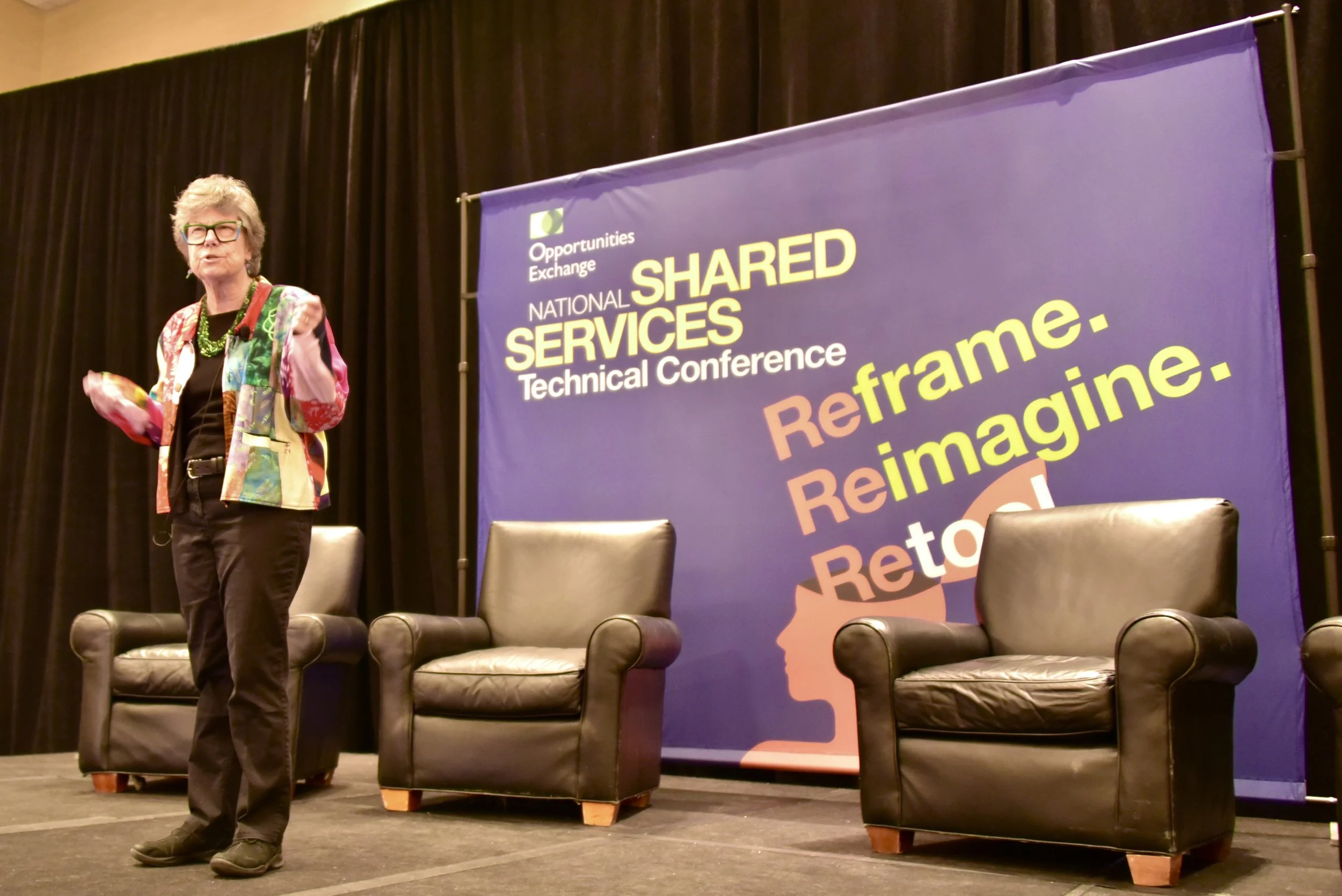
Thanks to the amazing Shared Services Community for an outstanding conference …
Let’s keep Reframing. Reimagining. Retooling.!
The Plenaries + Keynote
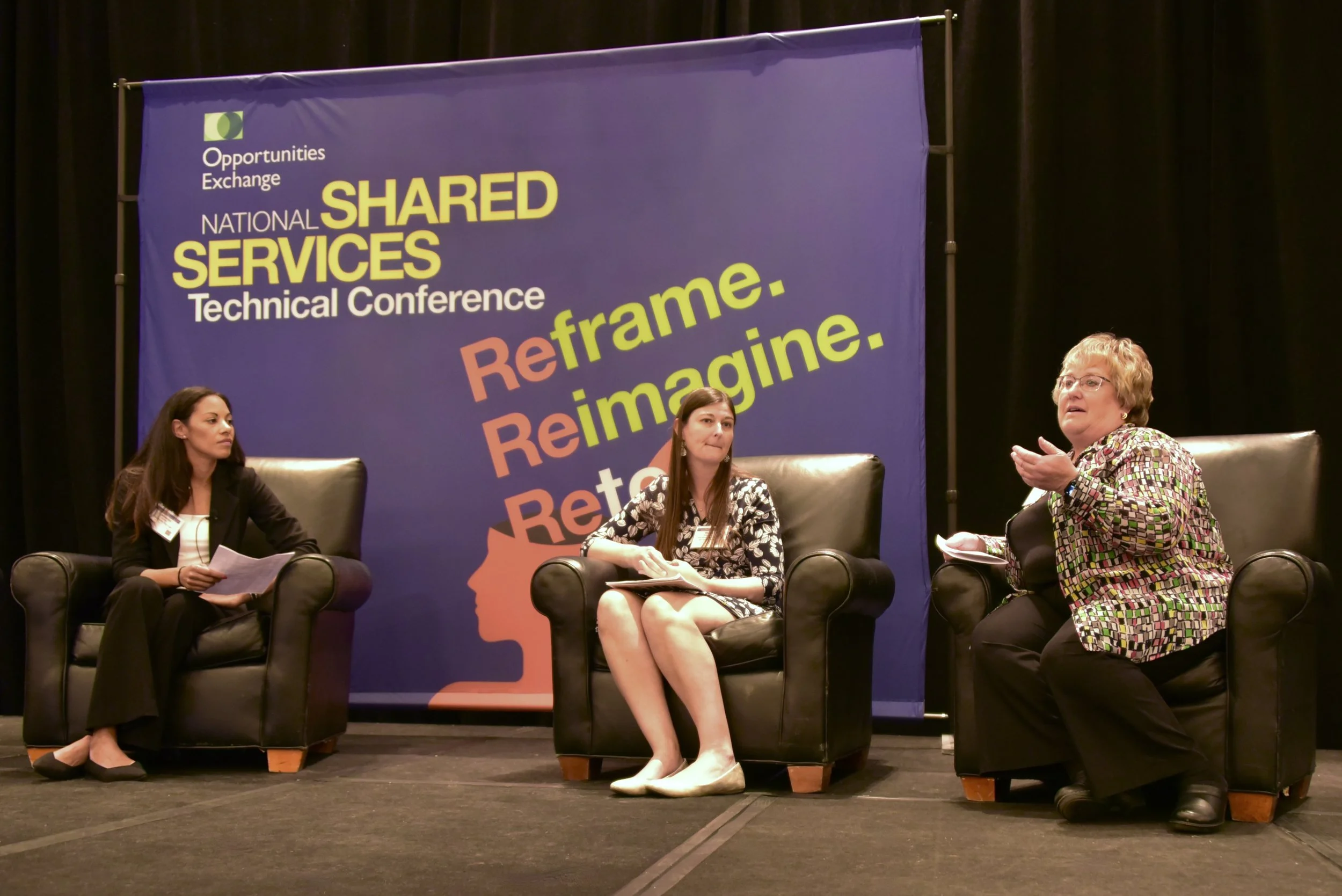
OPENING PLENARY
The Iowa Story:
Progress, Challenges, and What Comes Next
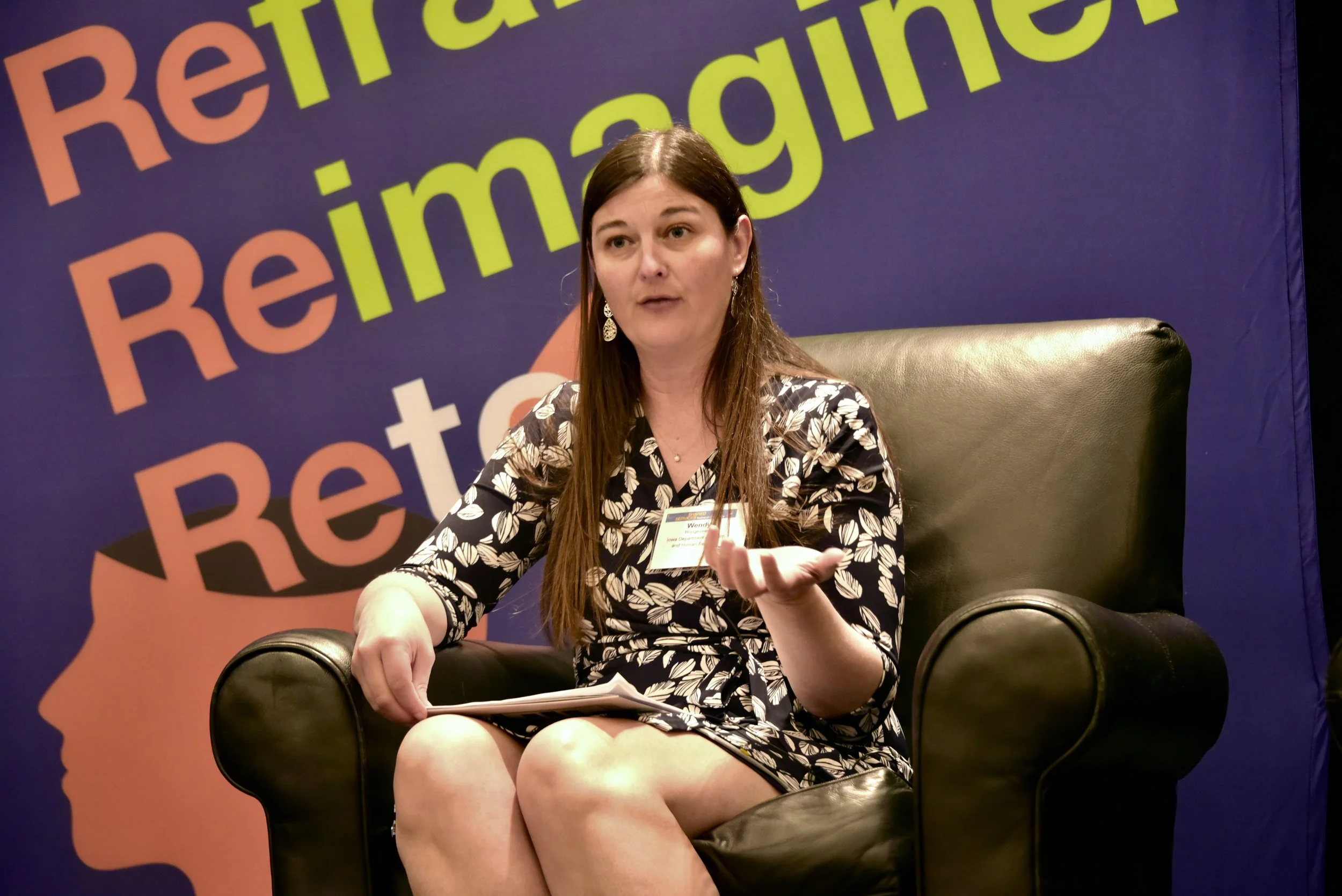
Wendy Hoogeveen, Bureau Chief, Iowa Department of Health and Human Services; Tami Foley, Program Manager, Iowa Department of Health and Human Services; Johanna Borden, Opportunities Exchange
Click Here for PPT
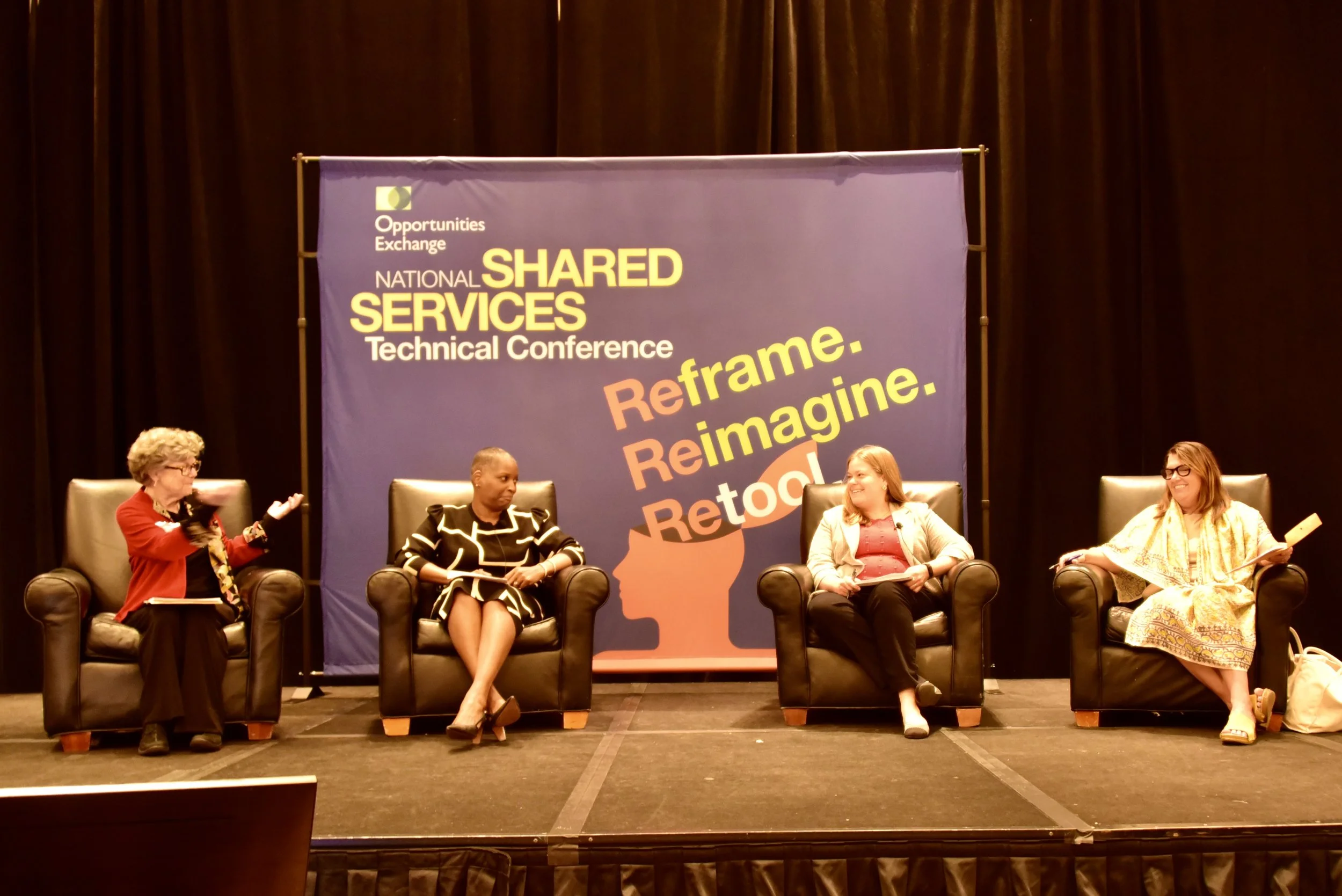
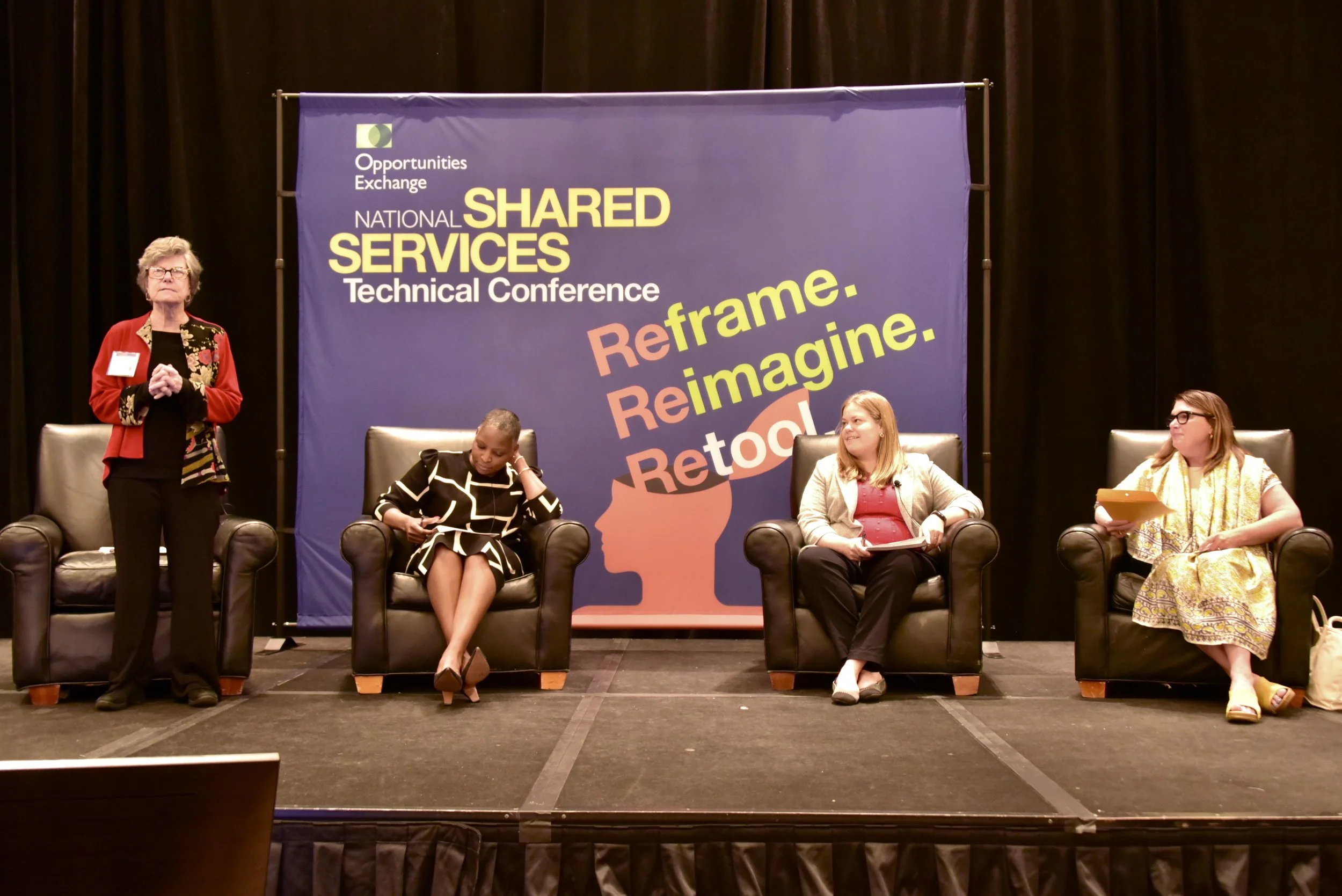
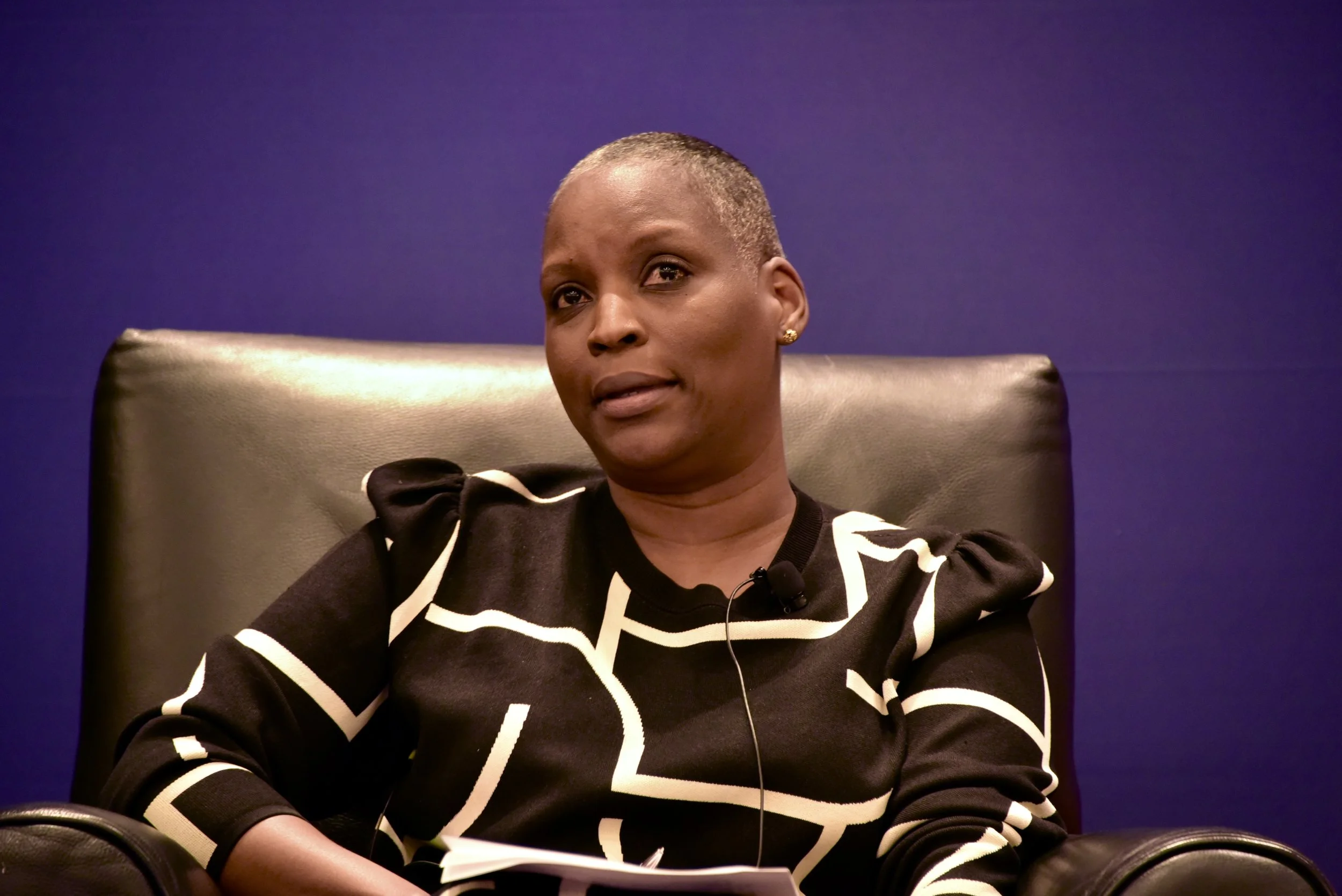
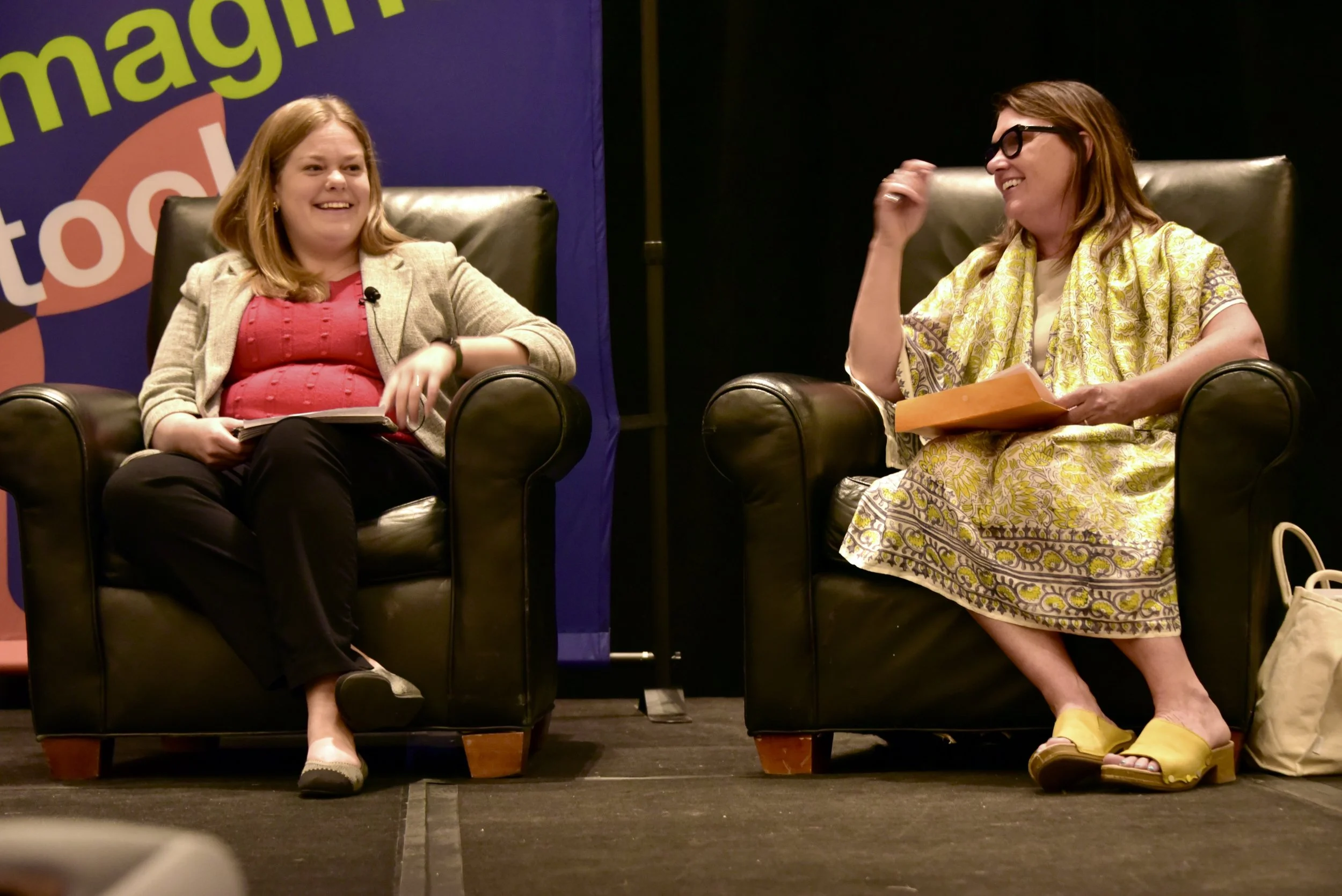
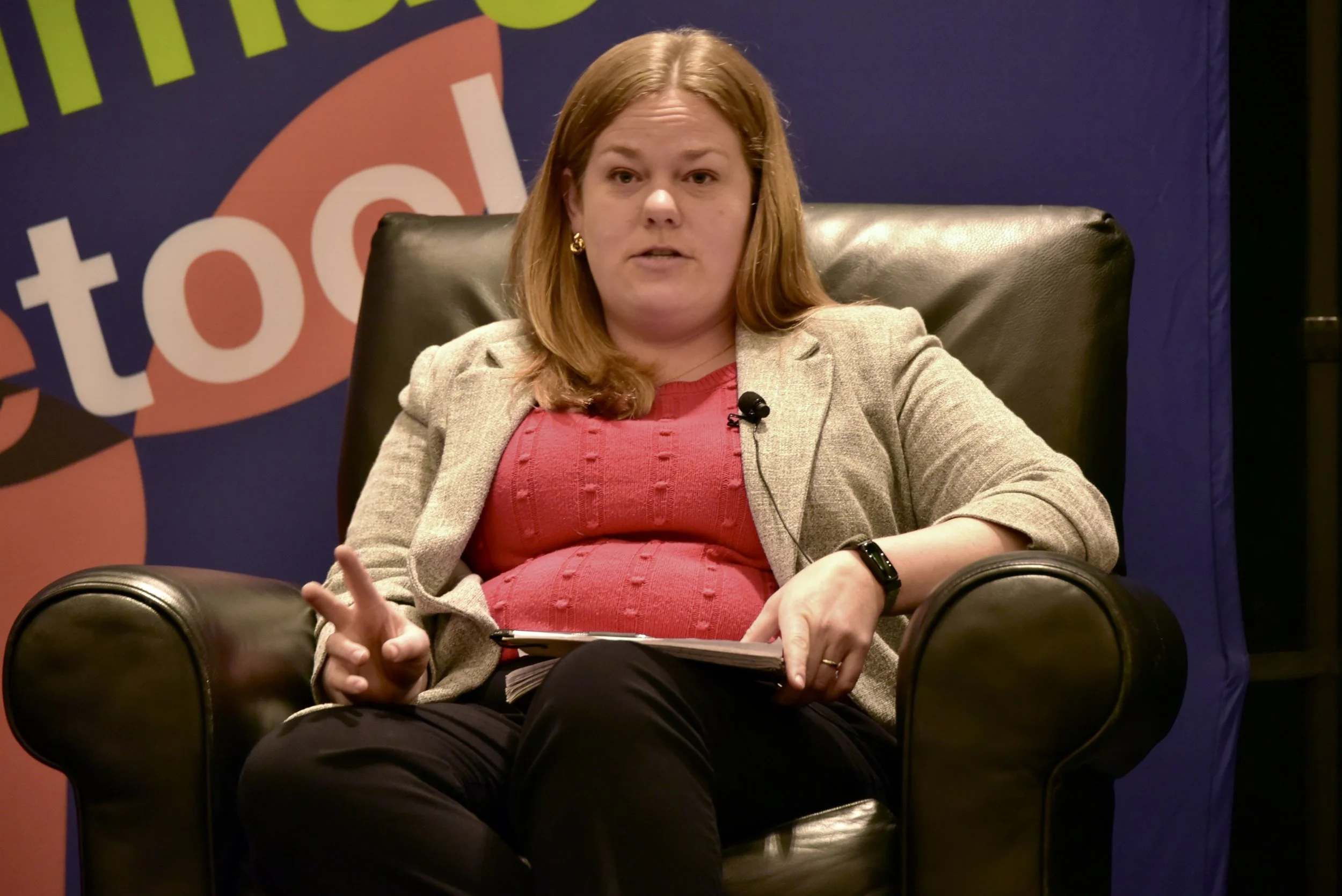
CLOSING PLENARY
Encouraging Innovation: The Role of Philanthropy in Advancing Change
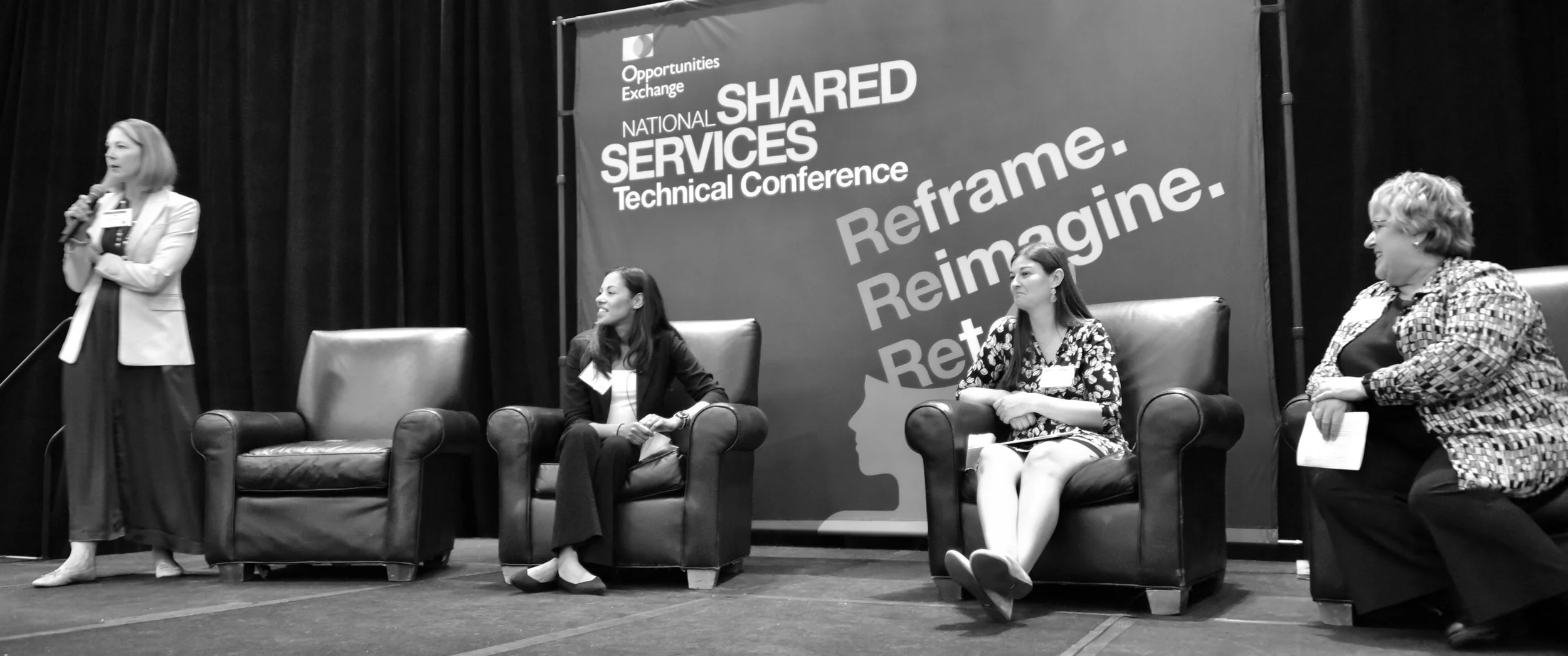
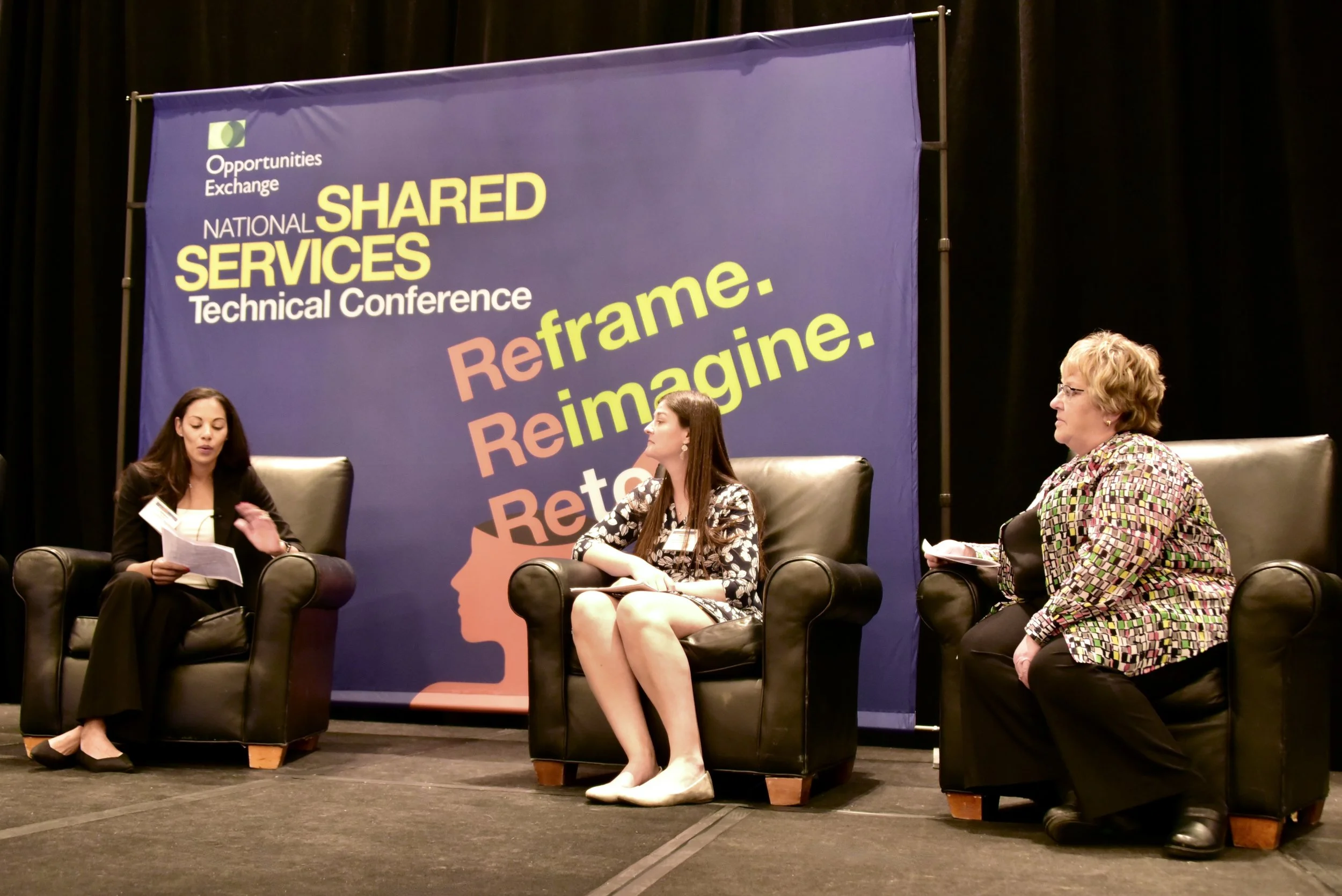
Marica Cox Mitchell, Chief Program Officer, Bainum Family Foundation; Nara Topp, Program Officer, W.K. Kellogg
Foundation; Katherine Robinson, Program Officer, Walton Personal Philanthropy Group; Louise Stoney, Opportunities Exchange
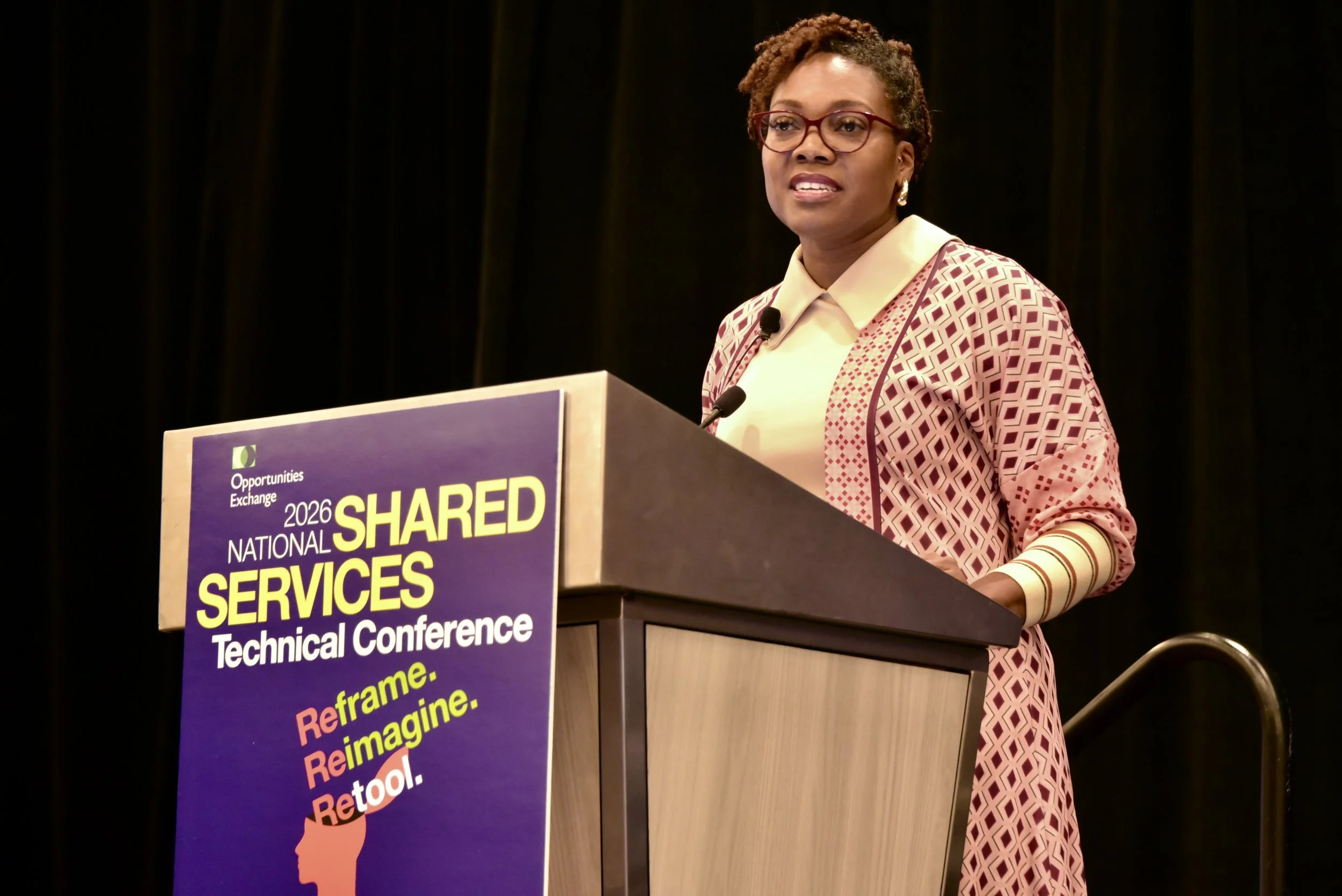
KEYNOTE
Leading Through the Moment with Strategy and Courage
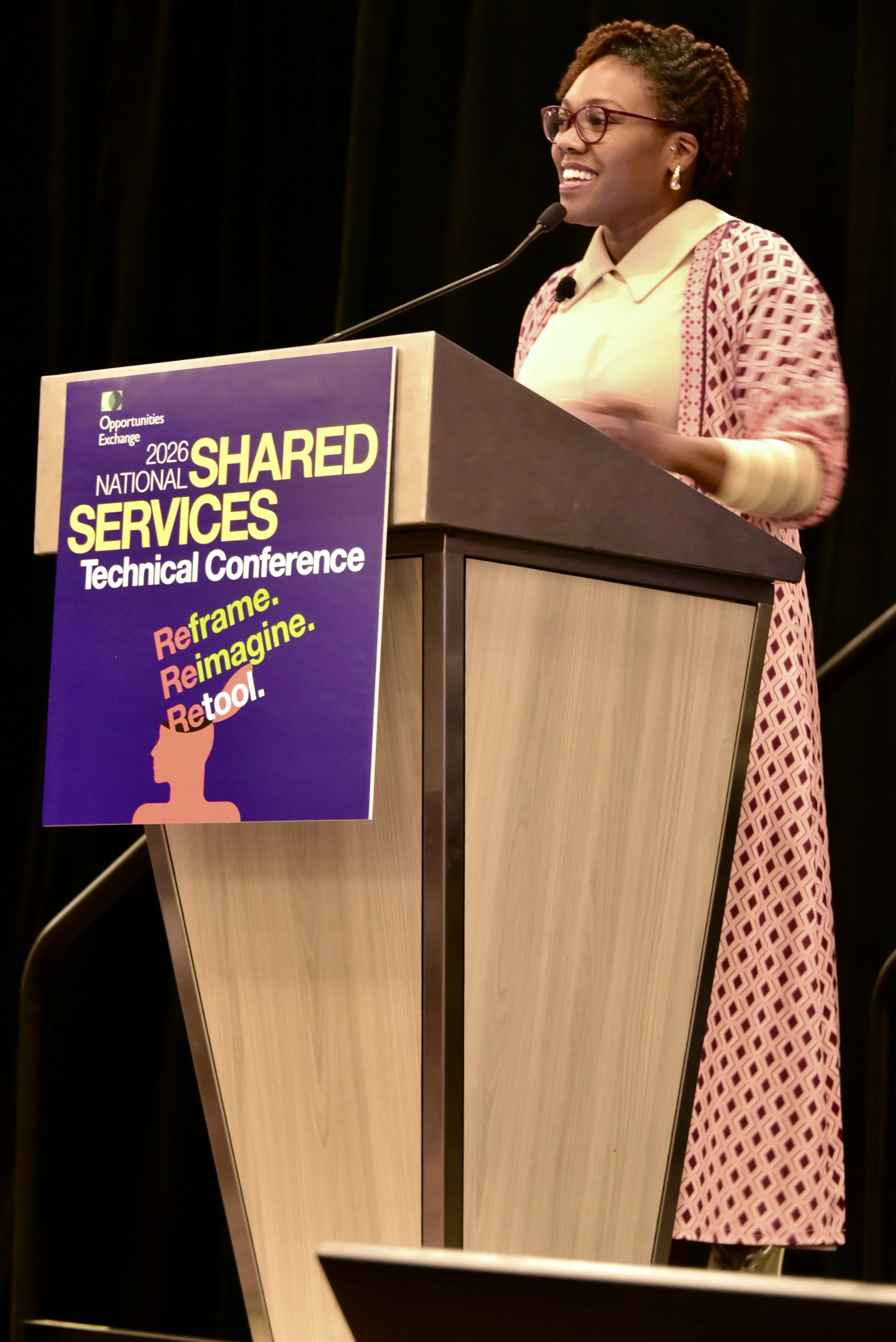
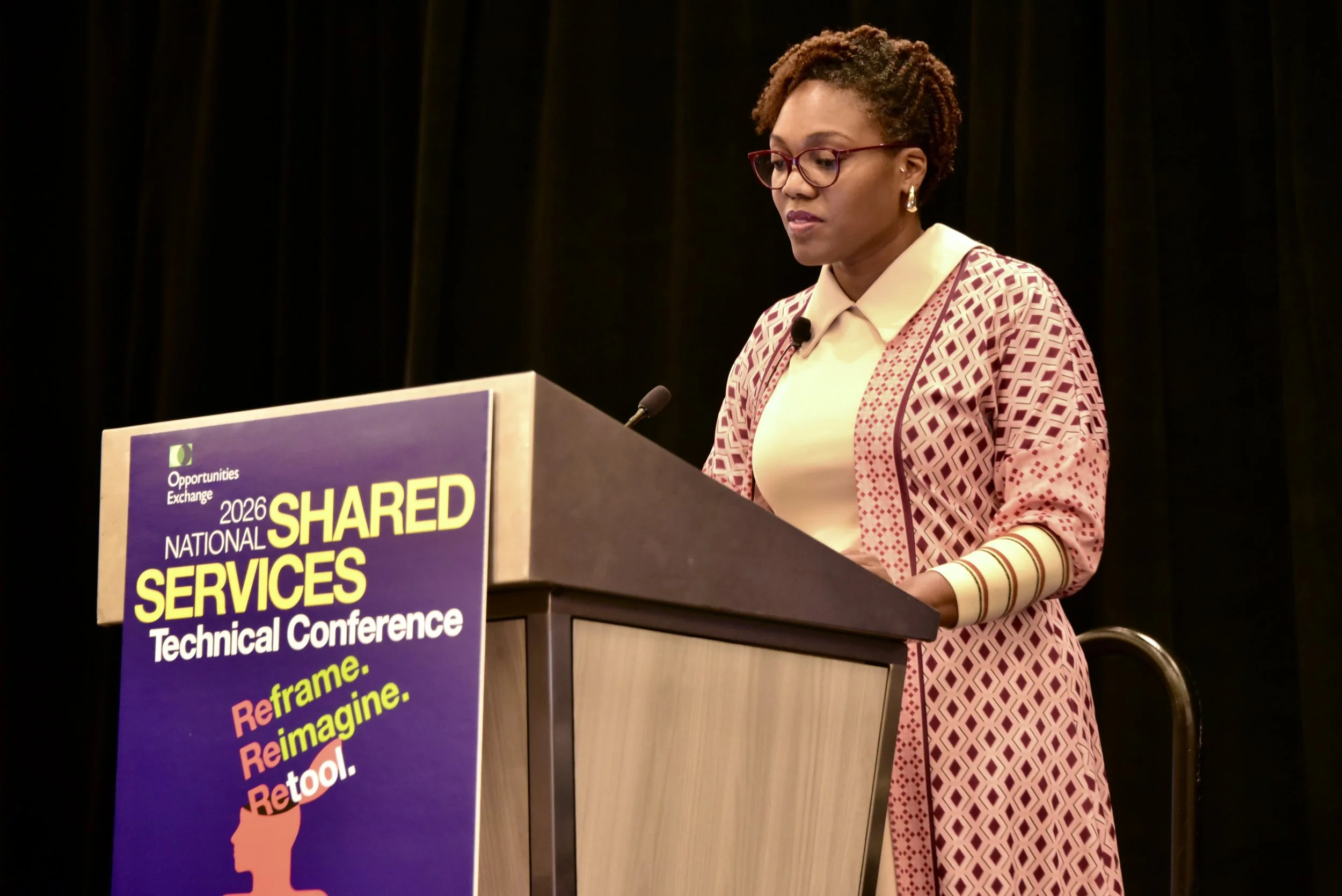
Safiyah Jackson, Chief Strategy Officer, North Carolina Partnership for Children and Wake County Commissioner
Click Here for PPT

The Sessions
Business Leaders + Coaching
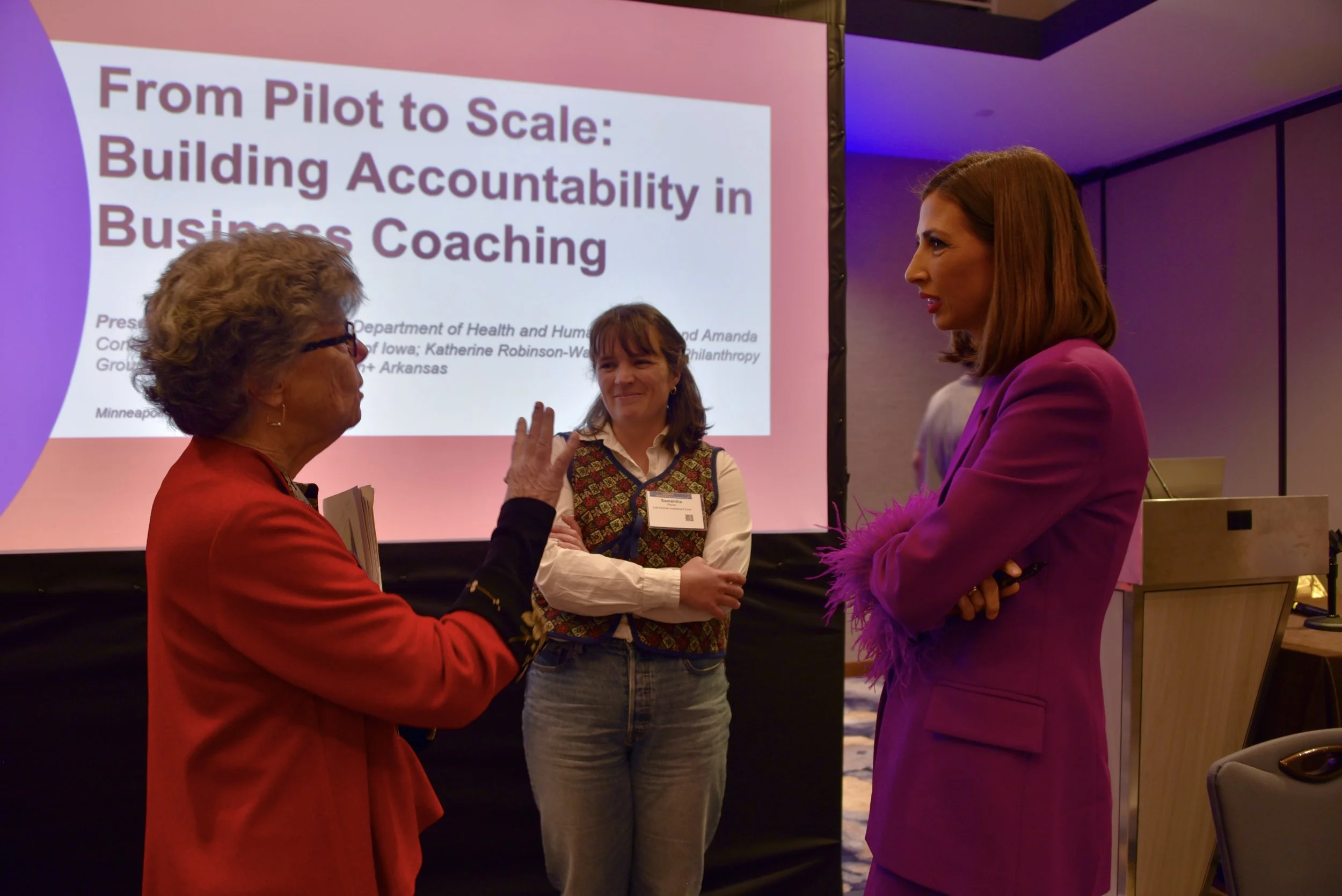
From Pilot to Scale: Building Accountability in Business Coaching
As business coaching initiatives expand, funders and program leaders are placing greater emphasis on accountability and measurable results. This session explores how data-driven coaching systems are structured and offers examples from evolving initiatives. Presenters will share how metrics are defined, targets are set, and data used to inform early review cycles and coaching practice. Participants will leave with practical strategies for integrating dashboards, metrics, and accountability structures into their own work.
Tami Foley, Iowa Department of Health and Human Services; Amanda Conklin, Child Care Collaborative of Iowa; Katherine Robinson, Walton Foundation; Mary Beth Brooks, University of Arkansas
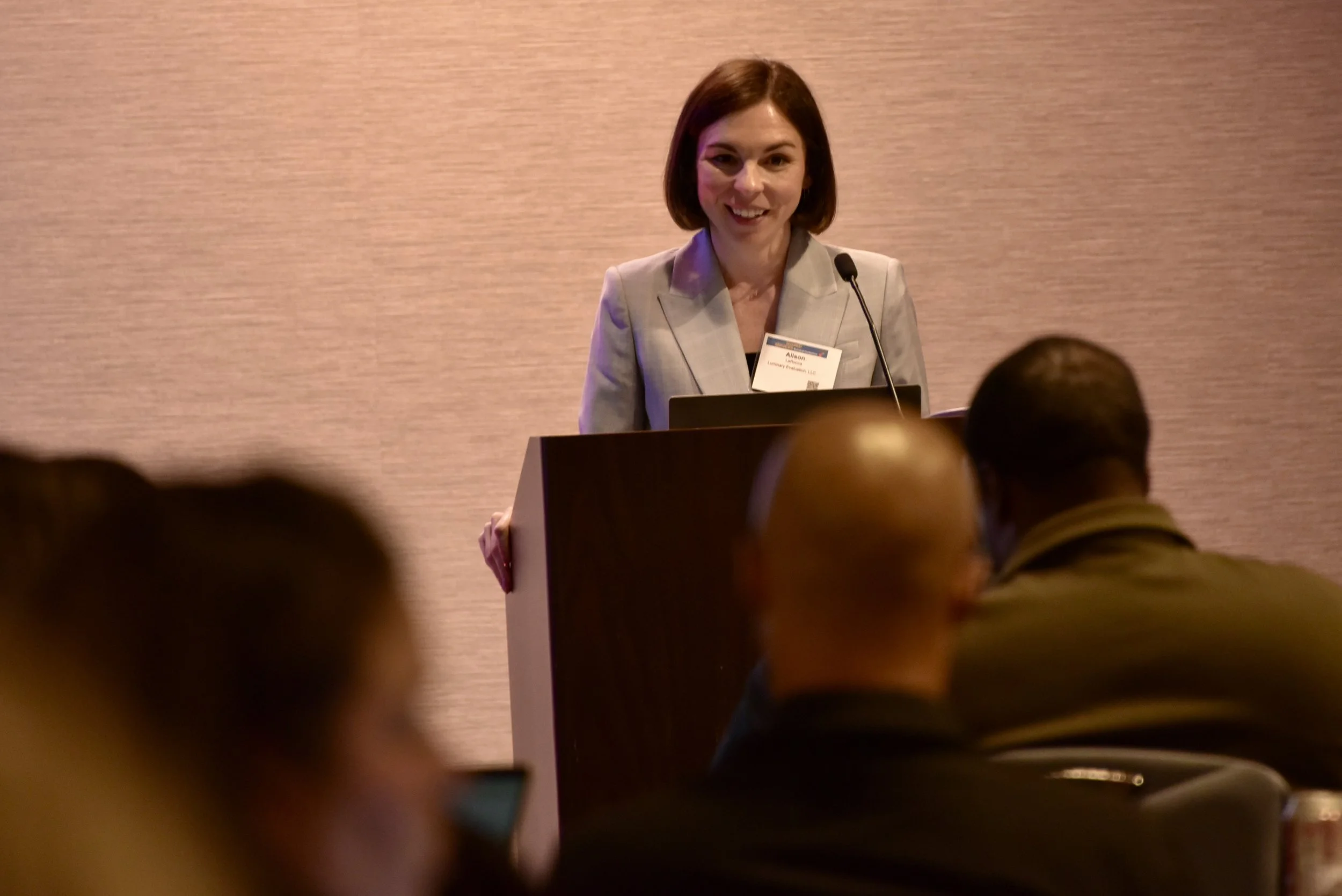
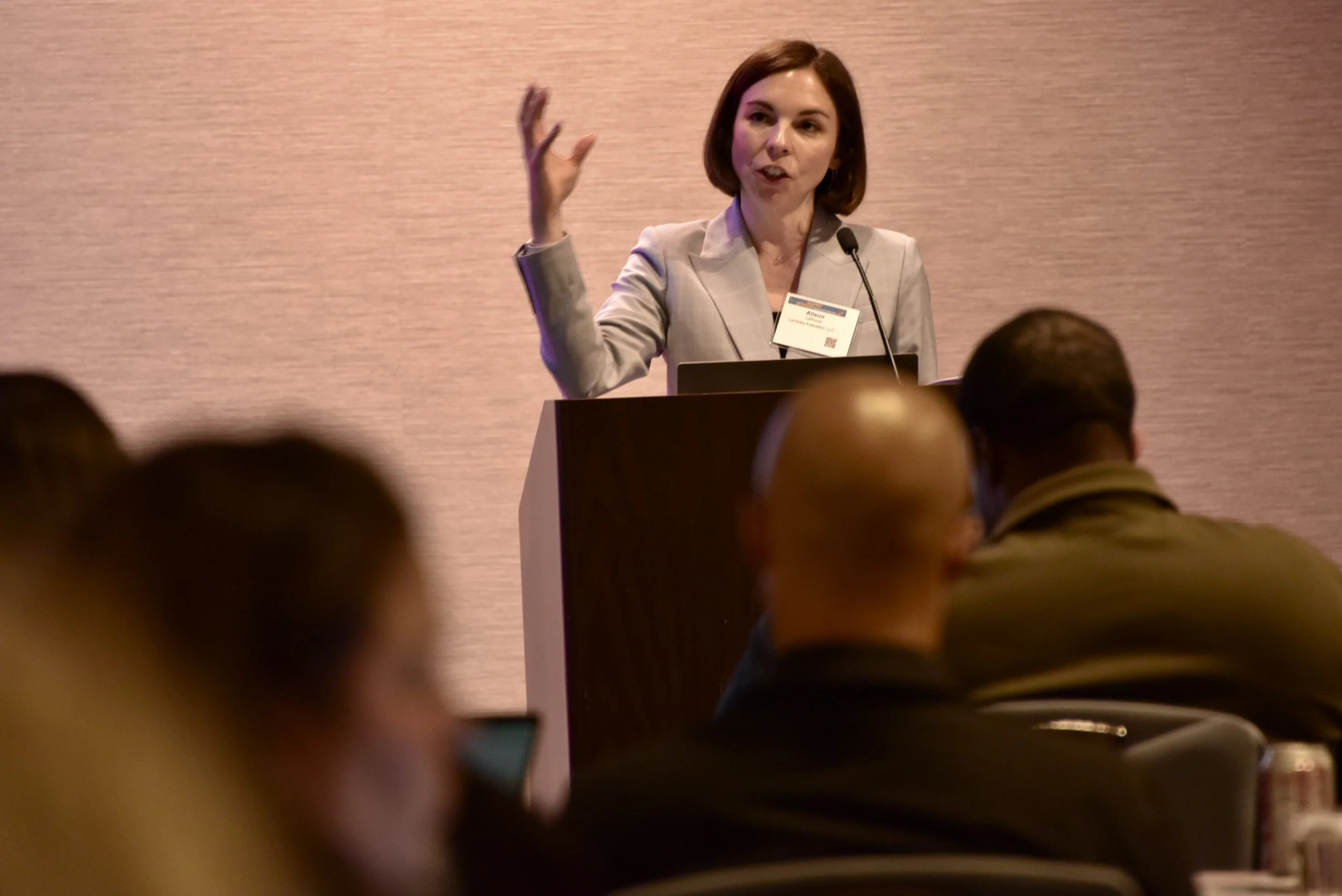
Measuring What Matters: Evaluation Across Statewide Coaching Initiatives
Business coaching is a key strategy for supporting child care sustainability, yet measuring its impact remains a challenge. This session draws on evaluation findings from initiatives in Wisconsin, Georgia, Arizona, California, and Arkansas. Presenters will introduce a structured approach to measuring changes in business practices and tracking progress over time. Participants will gain insight into how evaluation can strengthen coaching models and inform decision-making.
Alison LaRocca, Luminary Evaluation
CCMS-Aligned Business Coaching: Lessons from the Field
Business coaches are increasingly using CCMS data to guide their work with providers, helping translate information into action. This session features field-based examples that illustrate how coaches address business challenges, use data to shift provider practices, and support meaningful program improvements. Participants will gain practical strategies for strengthening coaching effectiveness.
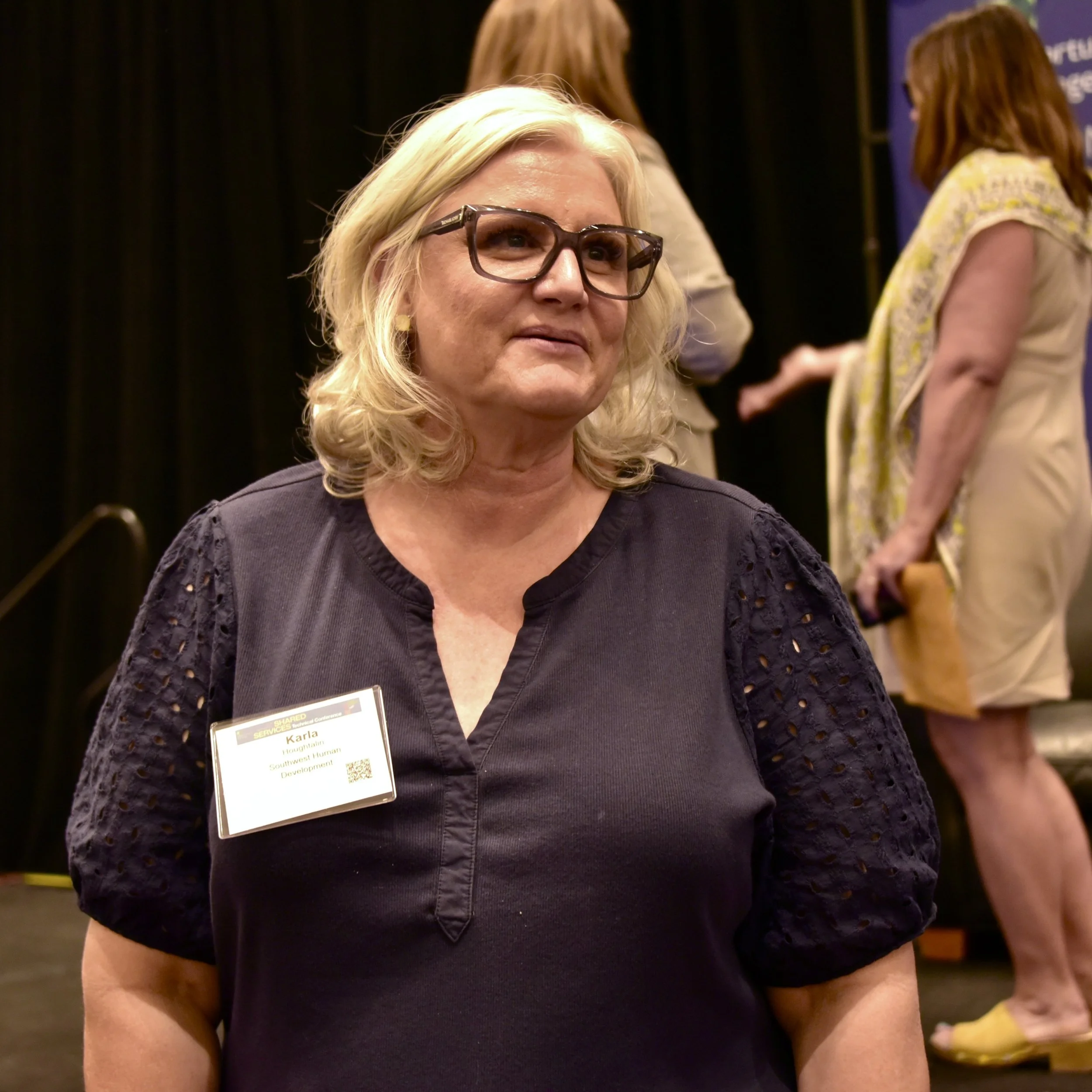
Monique Reynolds, Quality Care for Children; Karla Houghtalin, Southwest Human Development; Rebekah Hungate, Child Care Collaborative of Iowa
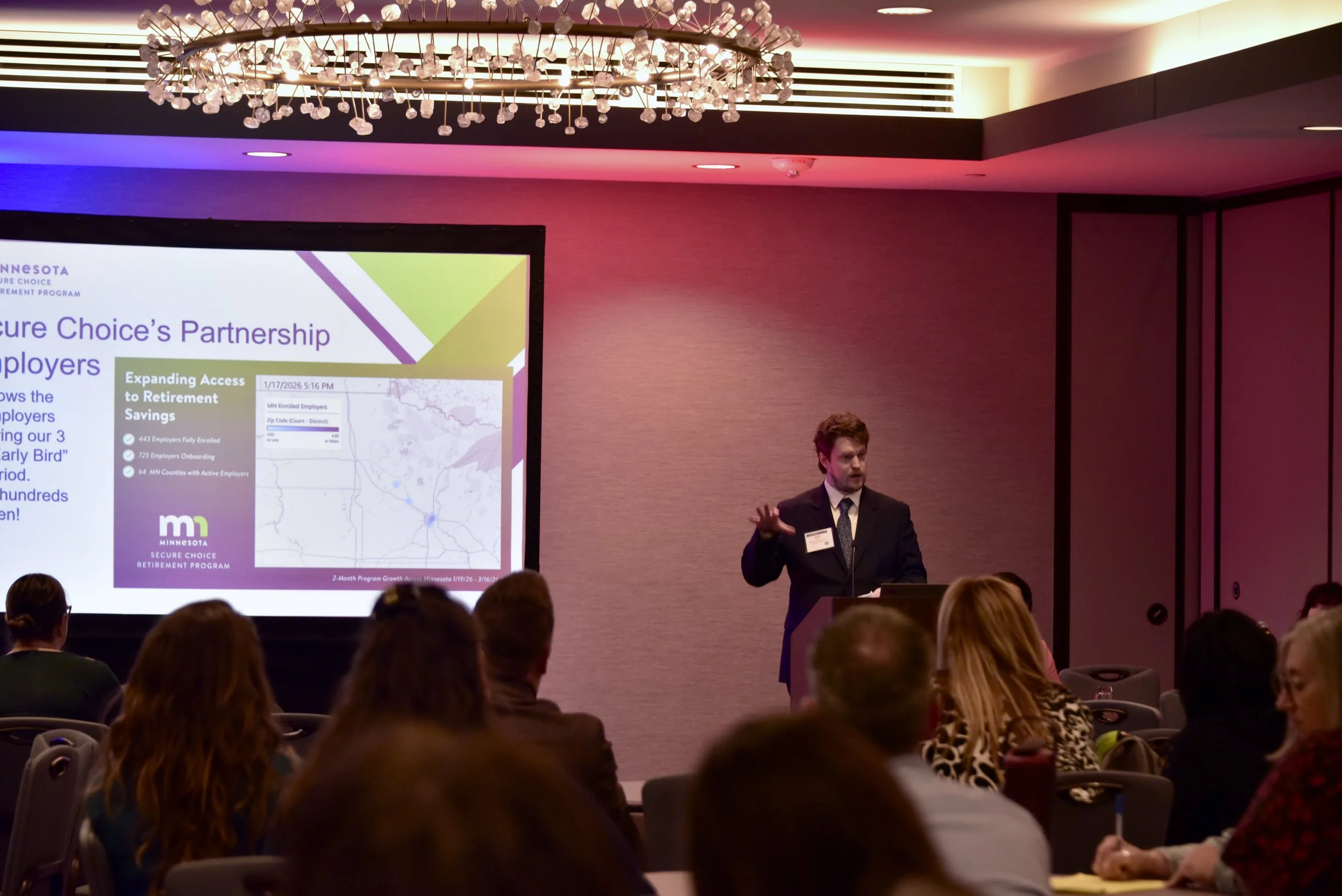
Expanding Retirement Savings Options for the Child Care Workforce
Limited access to retirement savings remains a significant challenge for the child care workforce, with implications for both financial stability and workforce retention. This session highlights emerging approaches in Minnesota as well as a national strategy spearheaded by the National Association for Family Child Care. Participants will learn about new models designed to expand access to retirement savings for both business owners and staff.
Amy Friedlander, Opportunities Exchange; James Walsh, MN Secure Choice Retirement Programs; Francia Wisnewski, NAFCC; Svitlana Uniyat, NAFCC Rep for Minnesota
Maximizing Tax Strategies for Child Care Business Owners
Tax strategy is an often-overlooked lever for improving financial outcomes for child care business owners. This session highlights a four-state demonstration project led by the Wisconsin Early Childhood Association, focused on improving tax knowledge and outcomes. Presenters will share lessons learned, opportunities for scale, and practical considerations for supporting providers. Participants will also have time to explore key questions and identify areas where additional guidance is needed.
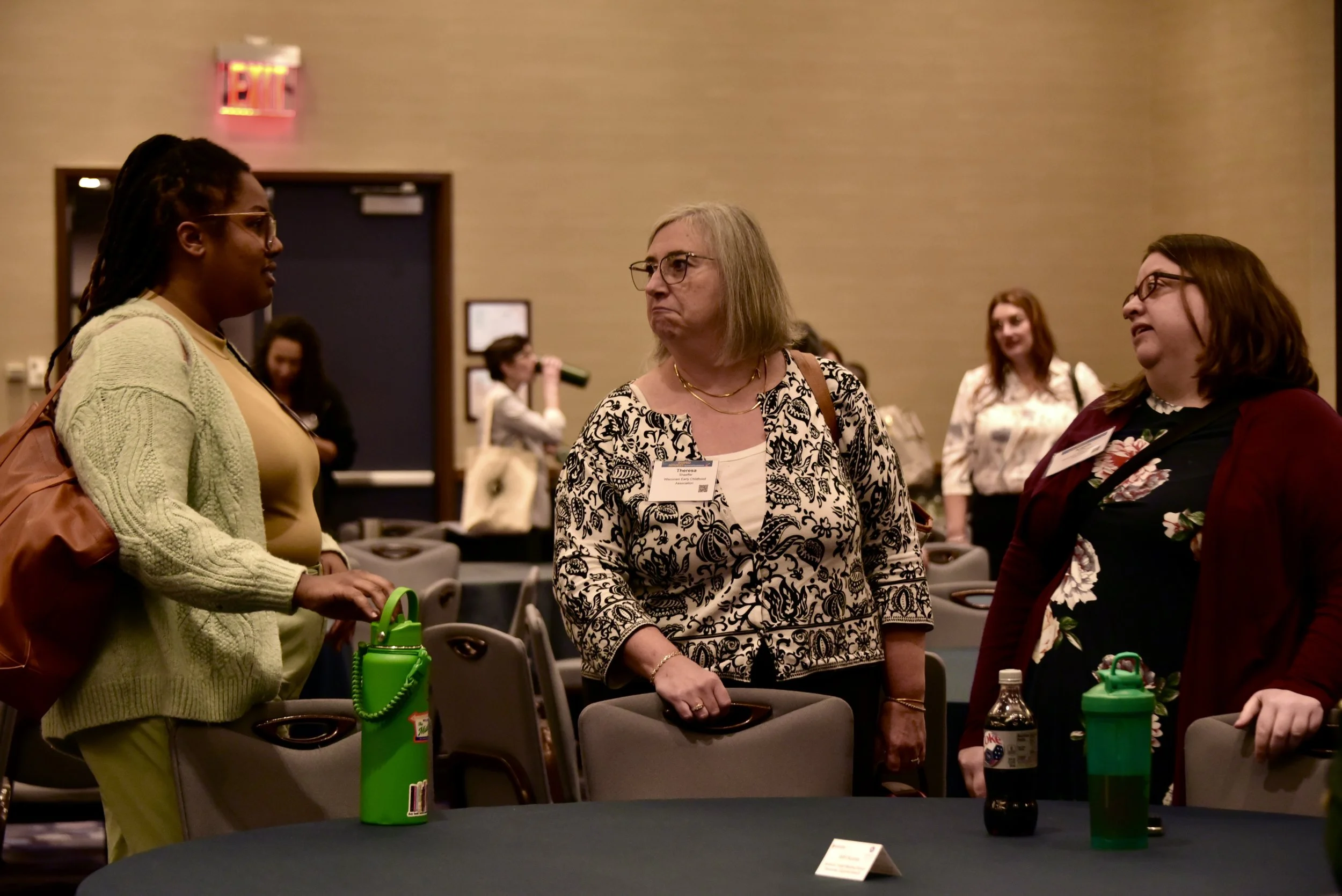
Kelly Matthews, Wisconsin Early Childhood Association
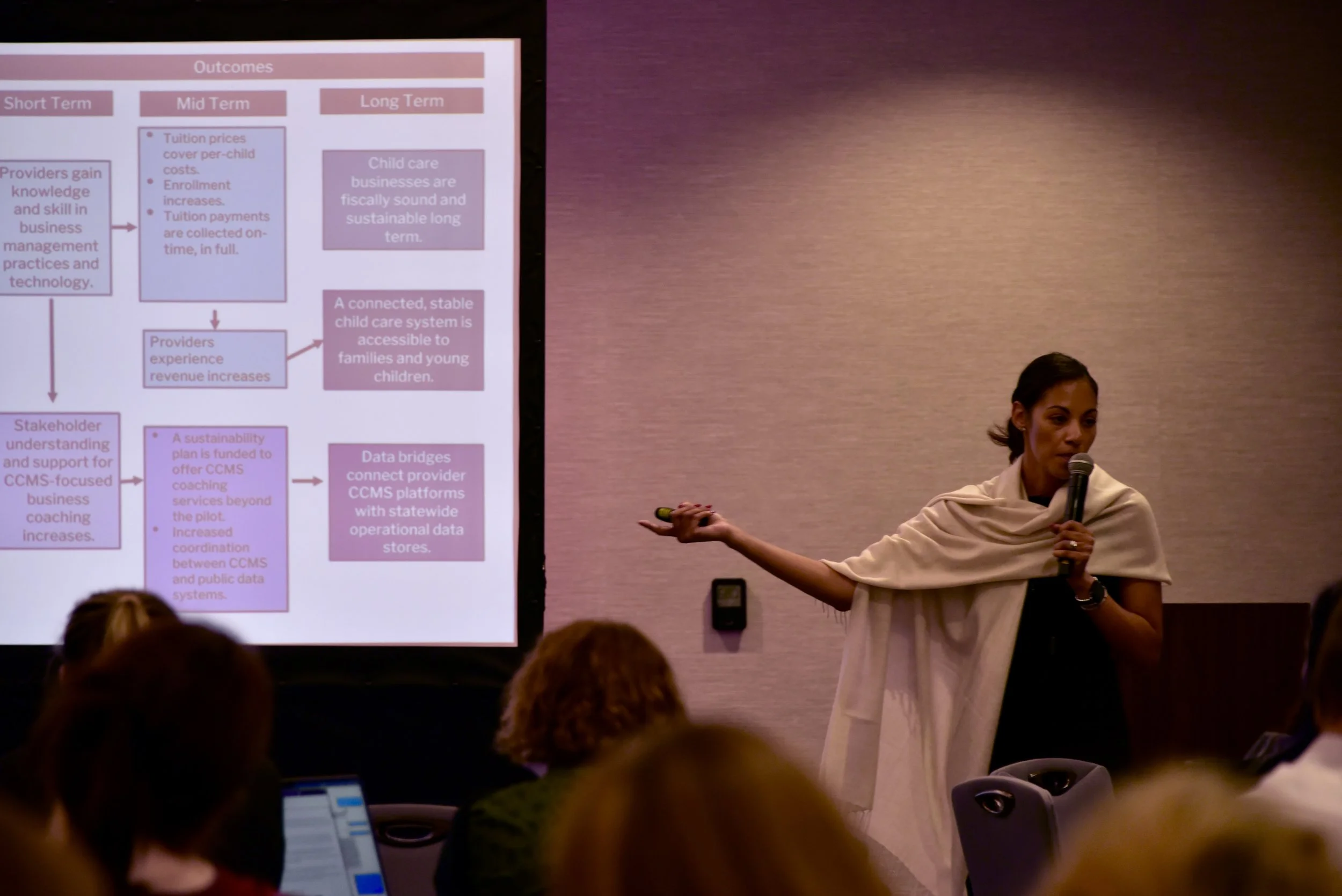
CCMS-Aligned Business Coaching: The Tech+ Framework
OppEx has developed a new business coaching framework centered on provider use of CCMS. This session introduces the Tech+ framework, including its logic model, coaching tools, and data collection strategies. Presenters will share early lessons from implementation and discuss how the framework can be adapted for use in different communities.
Johanna Borden and Amy Friedlander, Opportunities Exchange
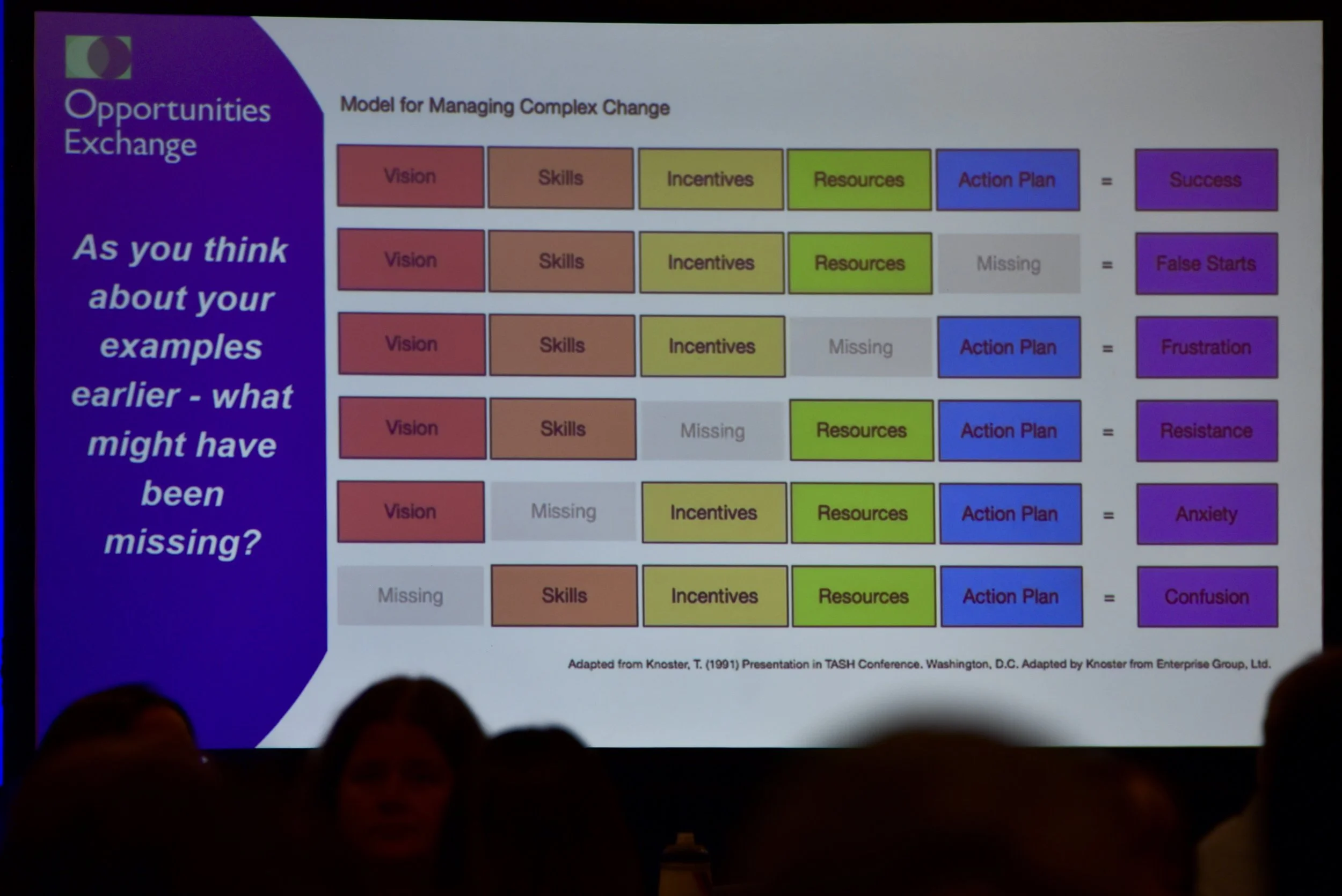
Critical Conversation:Change Management
This facilitated discussion focuses on the challenges and opportunities of leading change in early childhood systems. Participants will share experiences, reflect on barriers, and identify practical strategies for moving work forward.
Johanna Borden, Opportunities Exchange
Shared Services
Measuring Impact in Shared Services
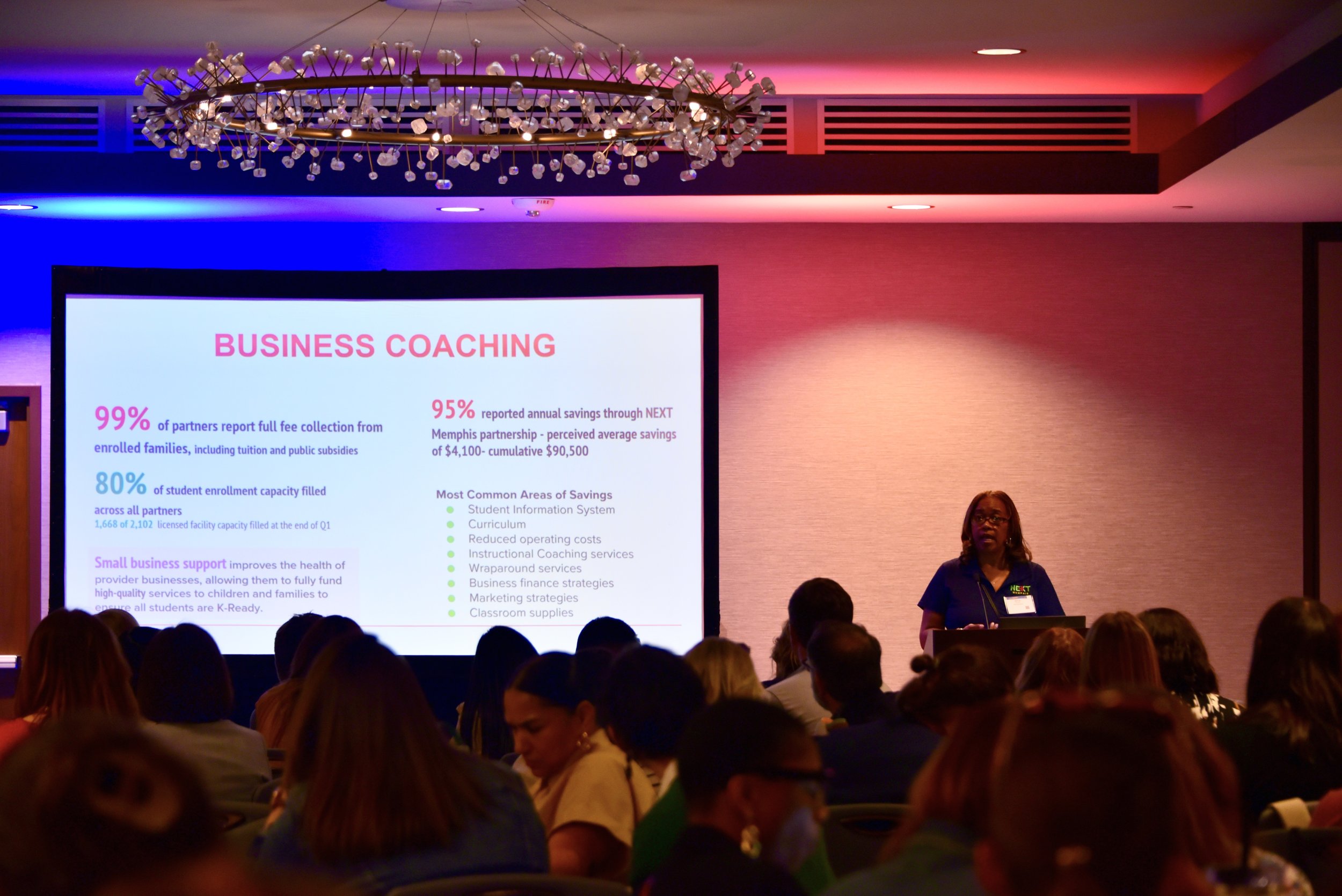
Shared Service initiatives aim to improve business stability, program quality, and family outcomes. Demonstrating impact requires clear alignment between strategy and data. This session highlights how Shared Services leaders are using data and technology to track change over time, identify emerging needs, and target supports. Participants will leave with practical approaches for aligning data with strategy to demonstrate results, modify interventions and help ensure that participating sites are able to offer sustainable, high-quality services.
Karla Houghtalin, Southwest Human Development; Alicia Norman, NEXT Memphis
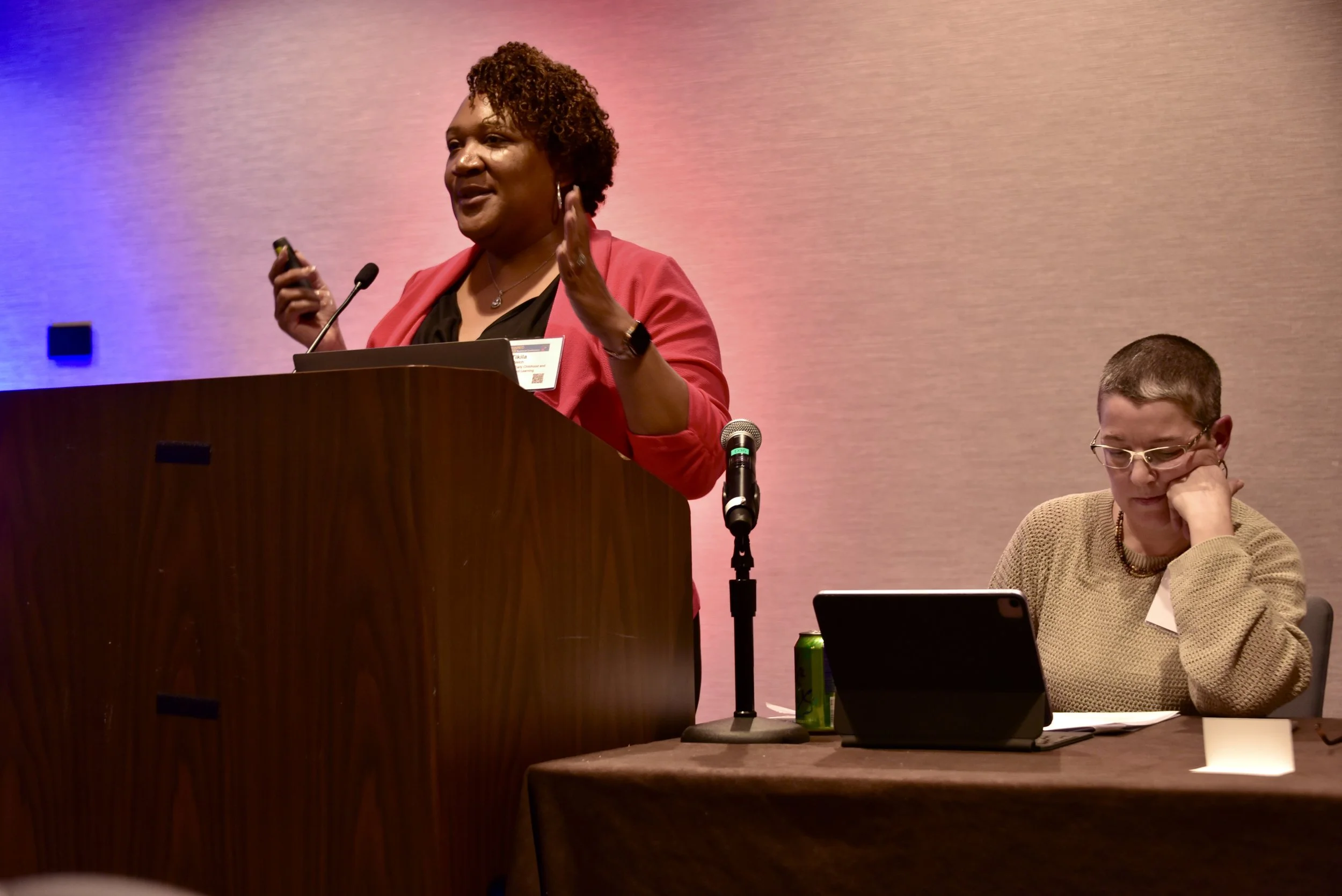
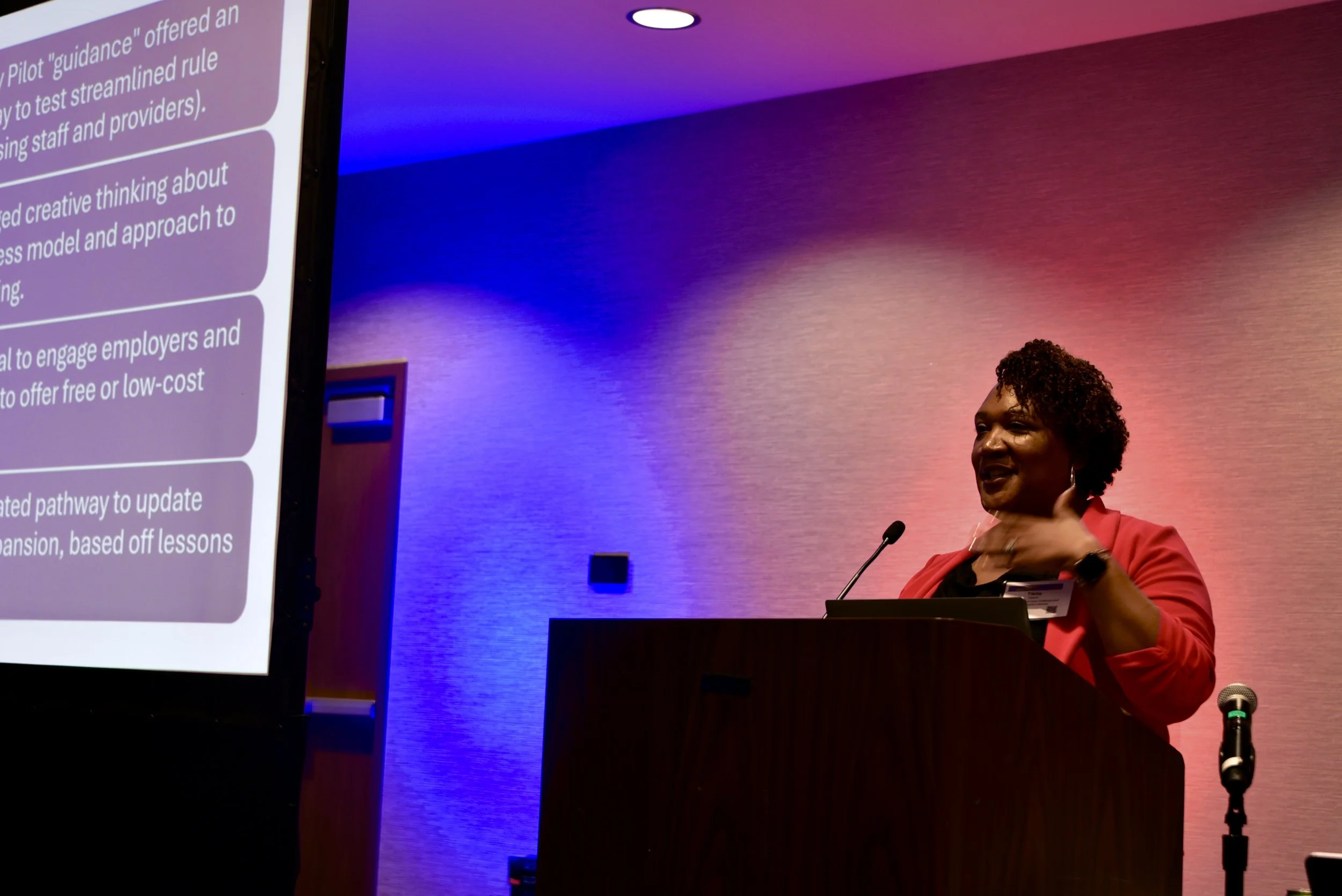
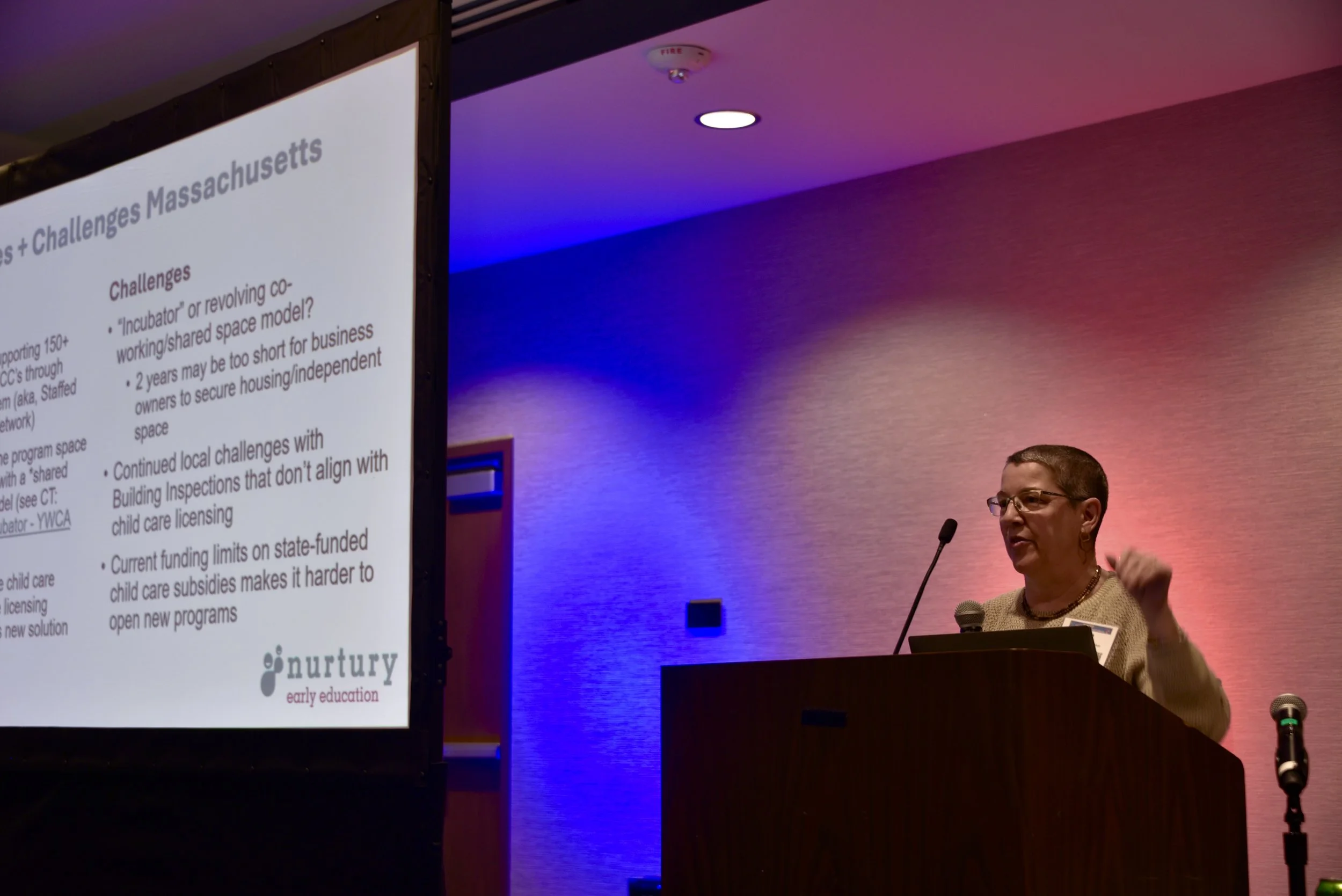
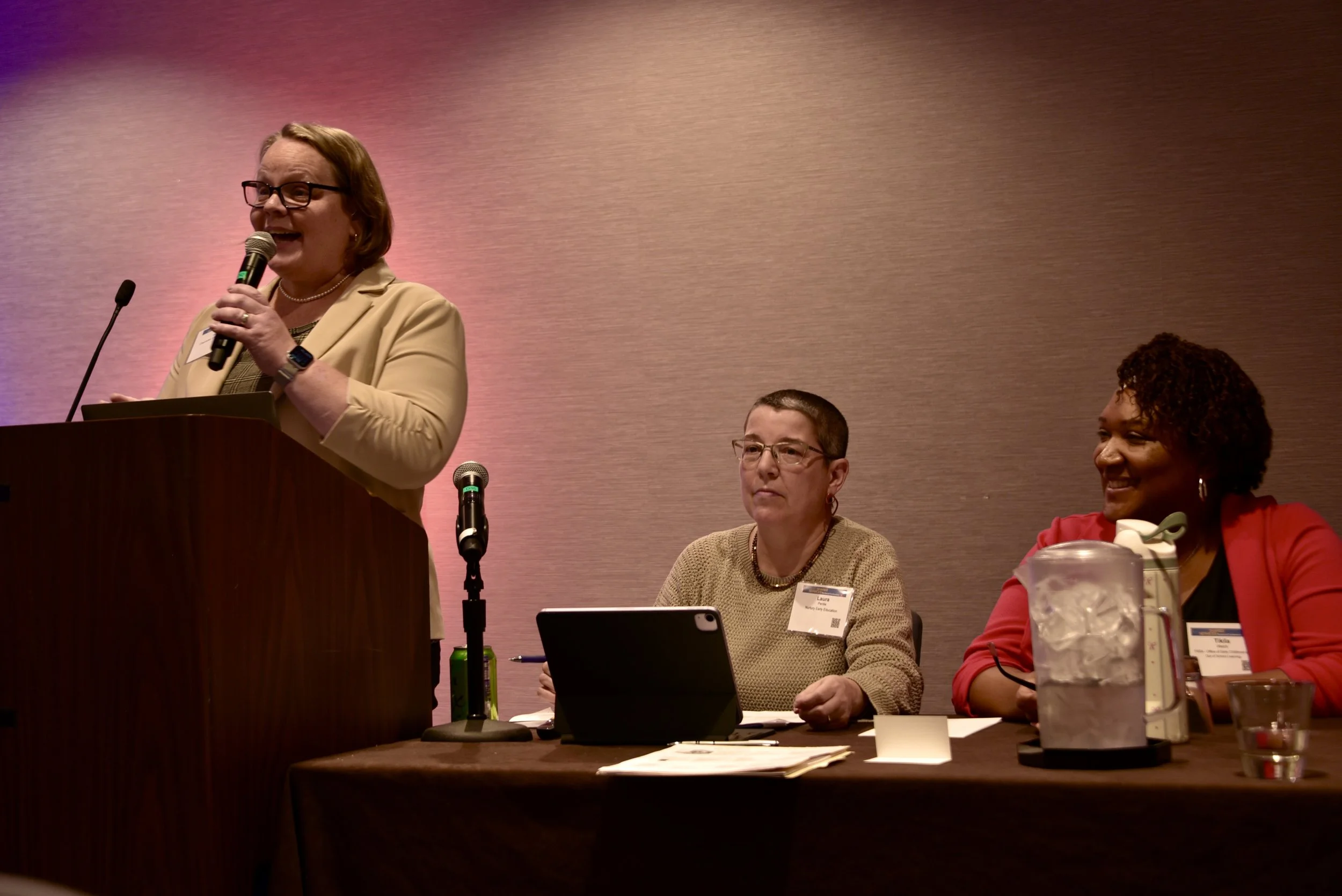
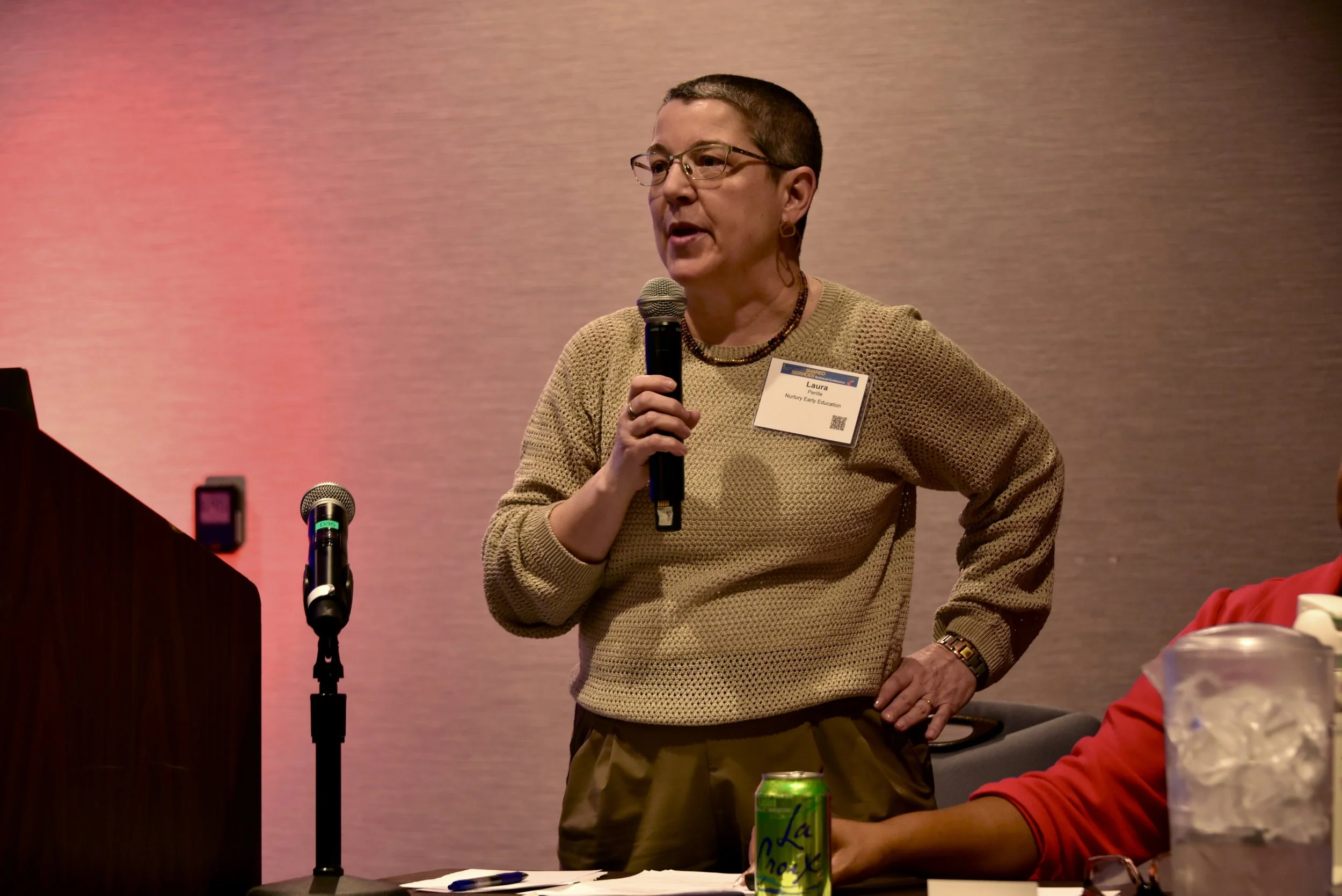
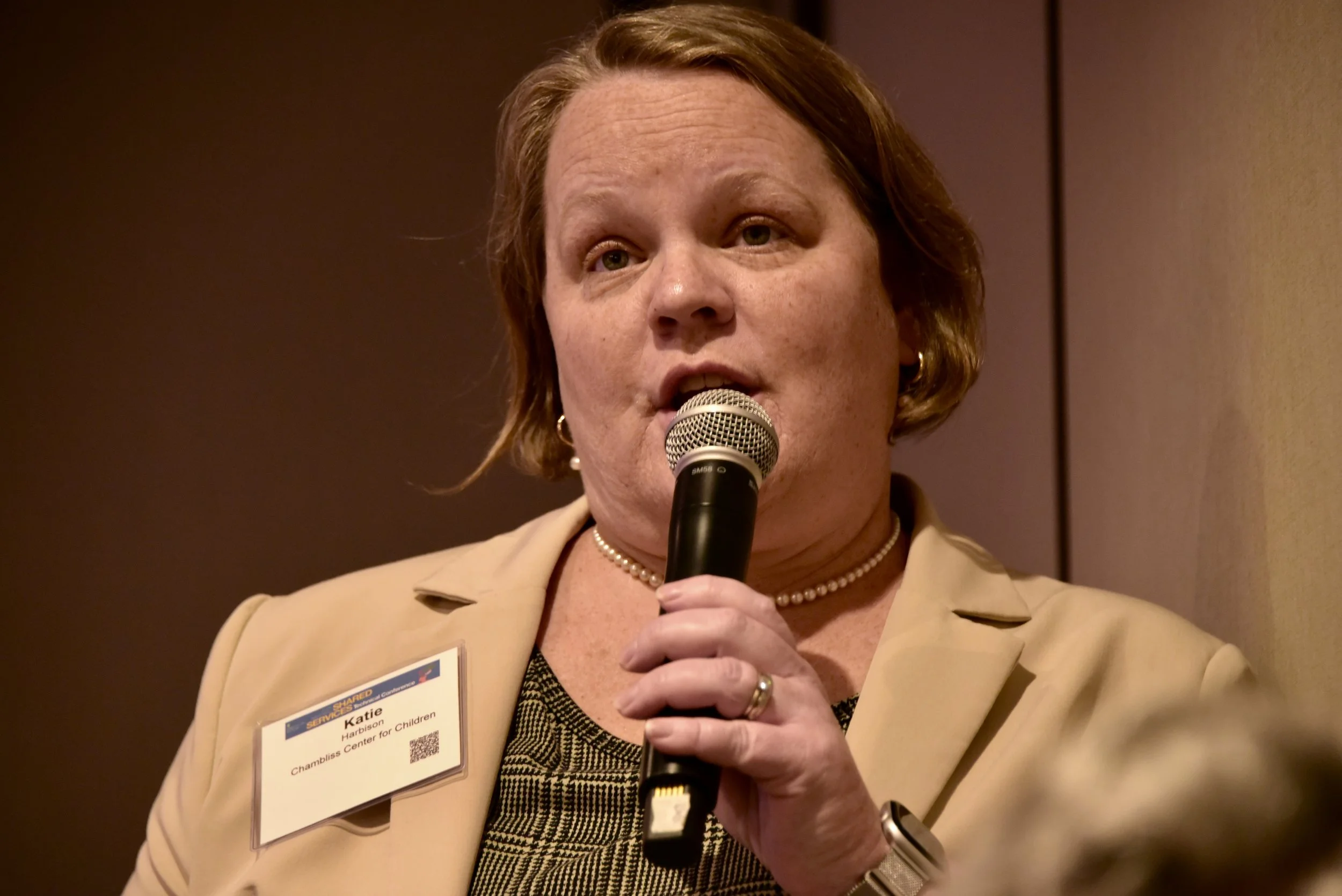
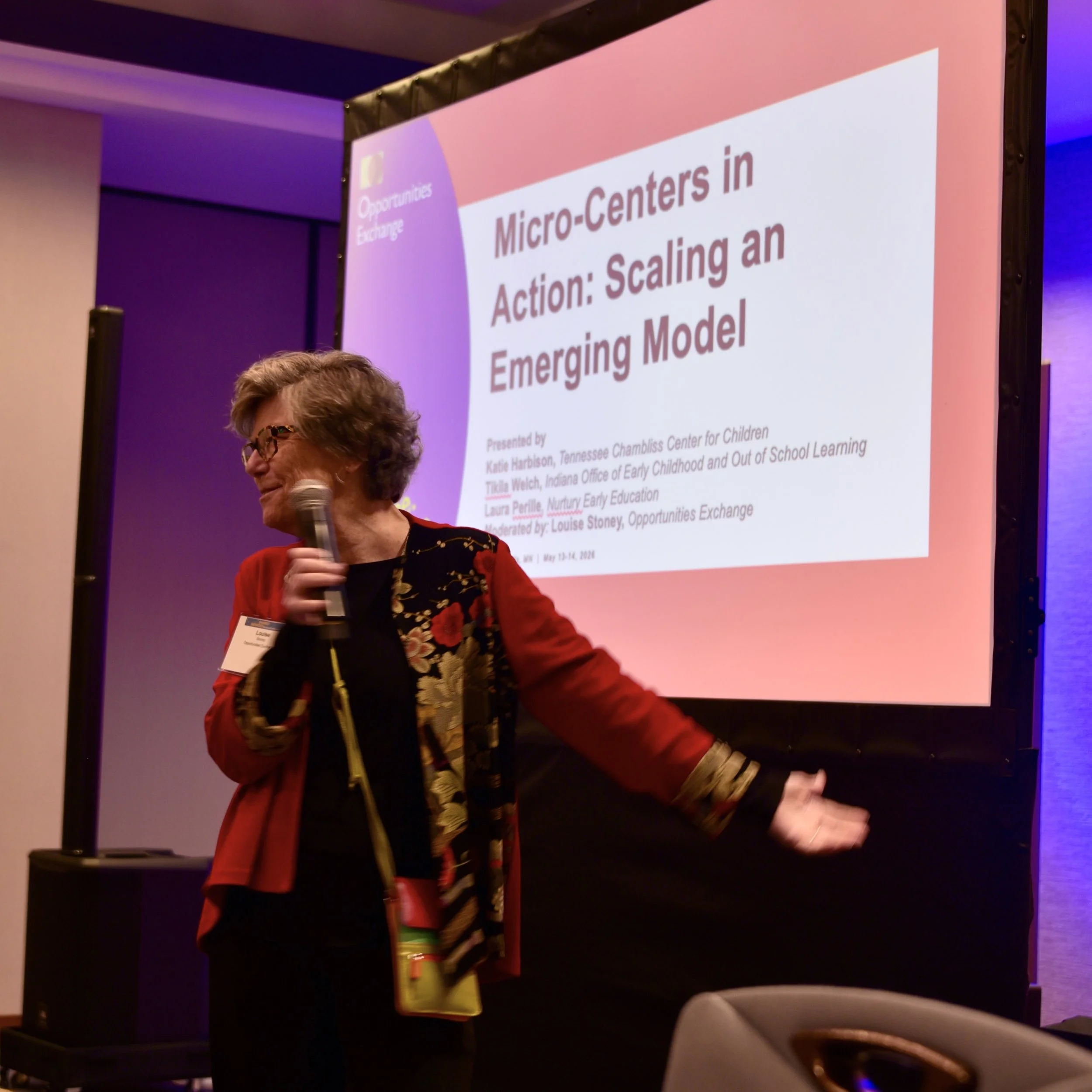
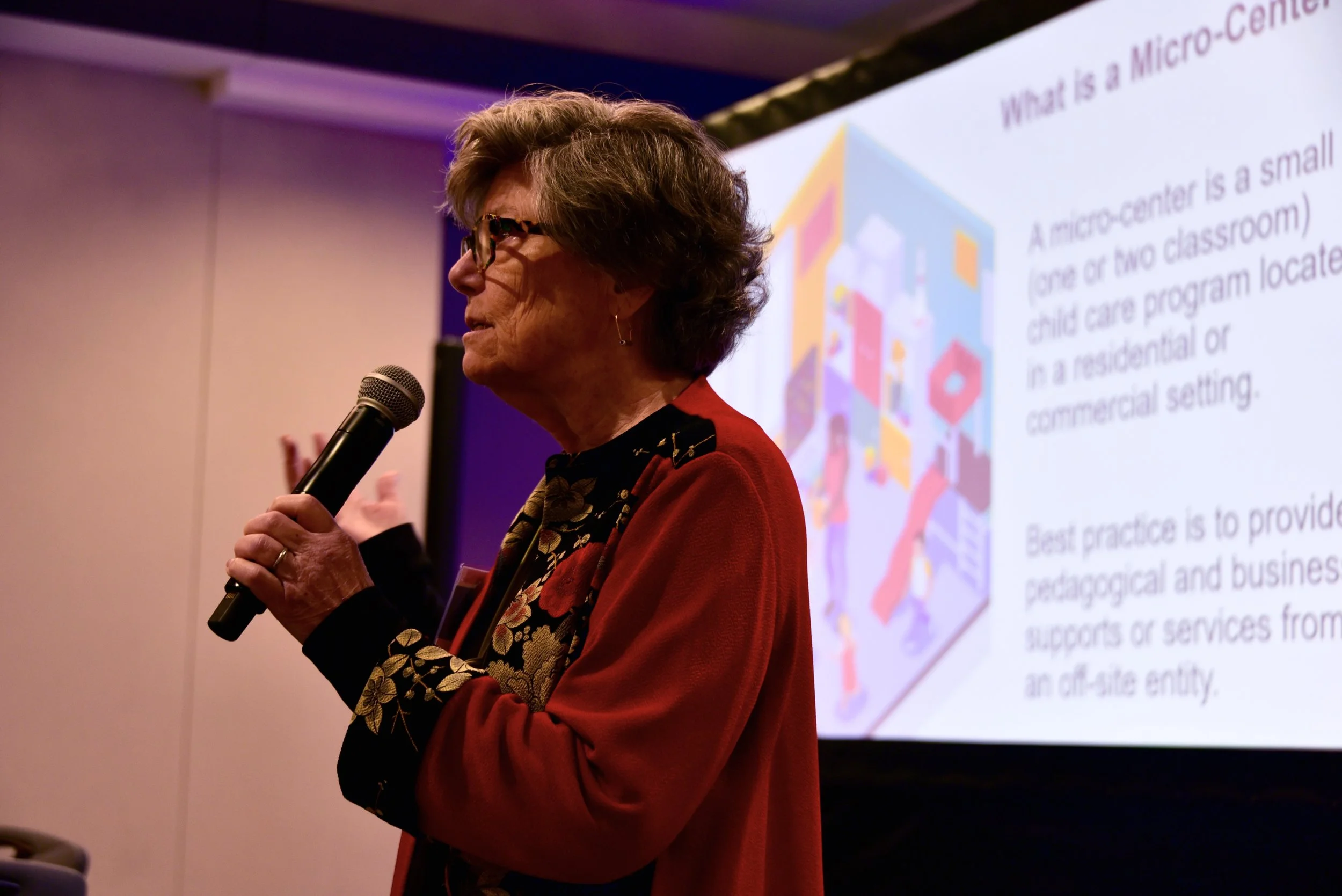
Micro-Centers in Action: Scaling an Emerging Model
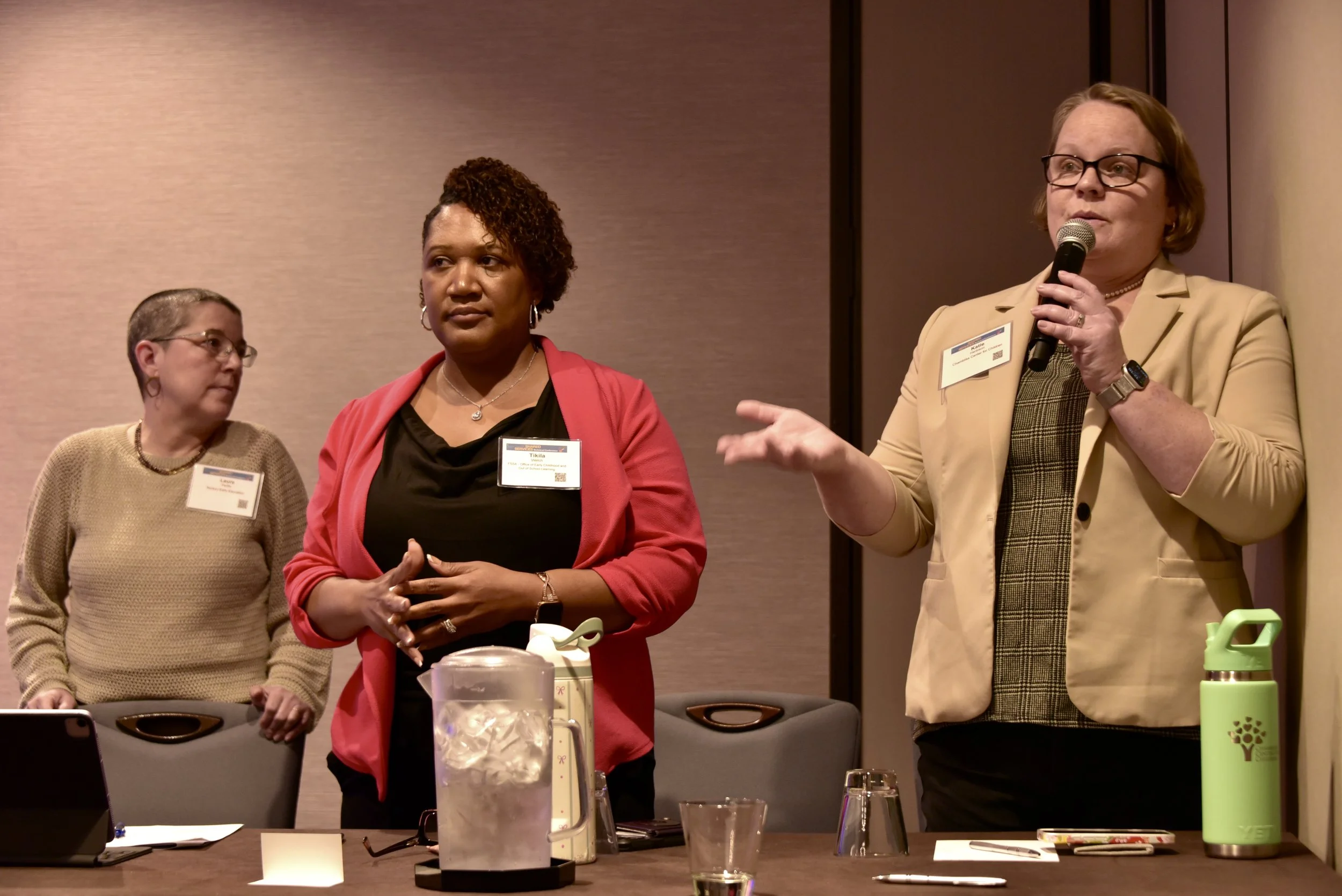
Micro-centers are gaining traction as a strategy to expand access to child care while maintaining quality and sustainability. This session shares updates from initiatives in Tennessee, Massachusetts, and Indiana. Presenters will explore administrative, policy, and financing approaches used to support and scale micro-centers in different contexts.
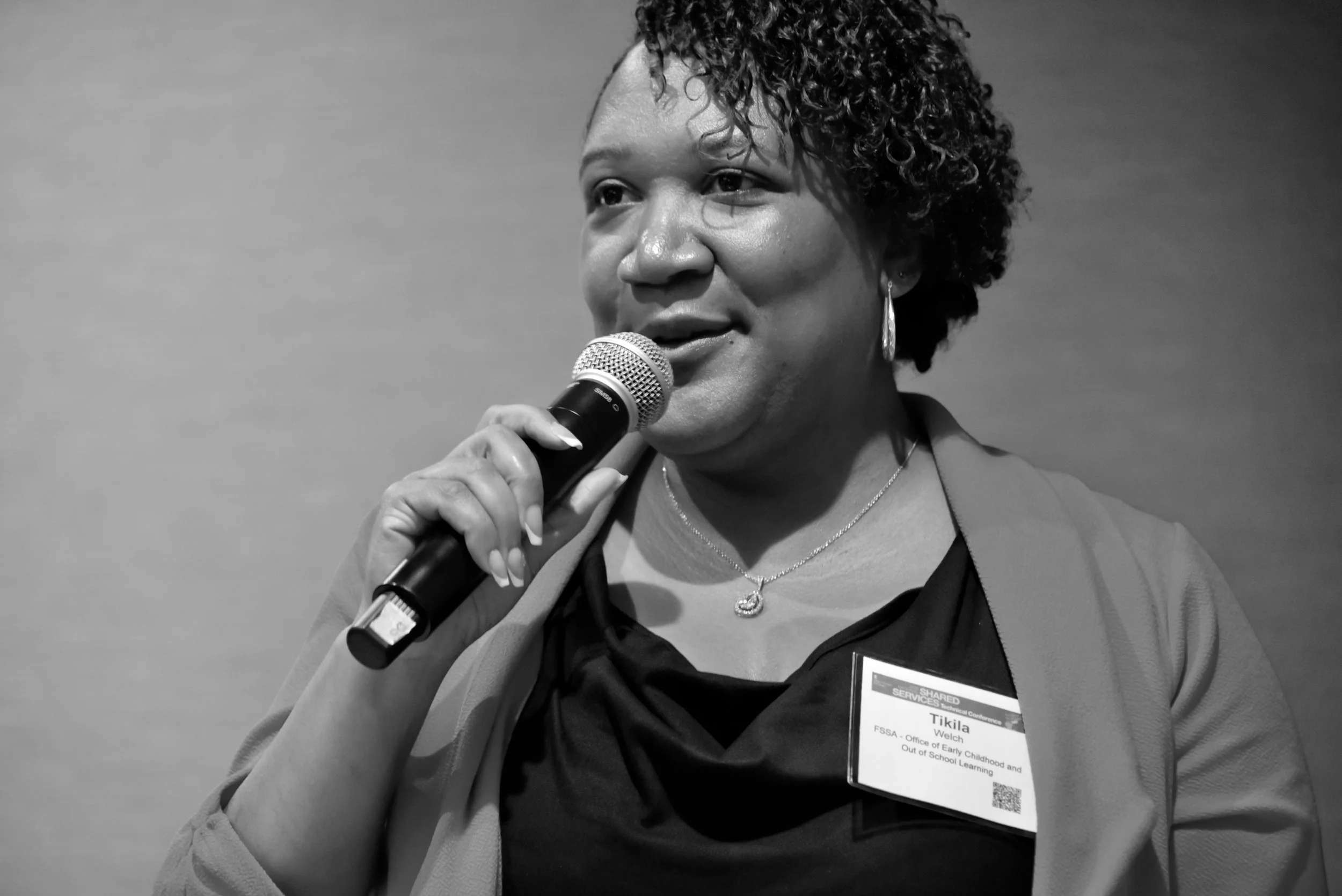
Louise Stoney, Opportunities Exchange; Katie Harbison, Chambliss Center for Children; Tikila Welch, Indiana OECOSL; Laura Perille, Nurtury
Strengthening Staffed Family Child Care Networks at Scale
Comprehensive Staffed Family Child Care Networks (SFCCNs) function as Shared Service Alliances for home-based providers, offering both business and pedagogical supports. This session highlights successful models in Massachusetts and Georgia, along with a new statewide initiative in New York. Participants will explore how these networks are structured, funded, and scaled to strengthen family child care.
Megan Irwin, Opportunities Exchange; Andria Ryberg, Early Care and Learning Council; Monique Reynolds, Quality Care for Children; Mayra Rosado, Nurtury
What’s New in Child Care Substitute Pools
Substitute pools are an increasingly important strategy for supporting workforce stability in child care. This session features multiple local and state models serving both centers and family child care homes. Presenters will share lessons learned, common challenges, and key design considerations. Participants will leave with practical insights for developing or refining a substitute pool.
Kendra Tarara, Lakes and Prairies Community Action; Ryad Hussein, Colorado Department of Early Childhood; Tracy Vergason, Early Care and Learning Council;
Grace Reef, Early Learning Policy Group
Policy
Modernizing Licensing Oversight: Using CCMS to Streamline Compliance
Over the past year, Opportunities Exchange has cross walked licensing requirements in several states with the data and documents that are typically included in Child Care Management Software (CCMS). The process underscored that CCMS has potential to serve as a centralized hub for documentation, administrative tasks, and compliance. Several states are now beginning to use CCMS data to inform licensing inspections, reducing burden on providers while improving oversight efficiency. This session highlights emerging models, early lessons, and practical steps state leaders can take to advance this approach.
Johanna Borden and Mia Pritts, Opportunities Exchange
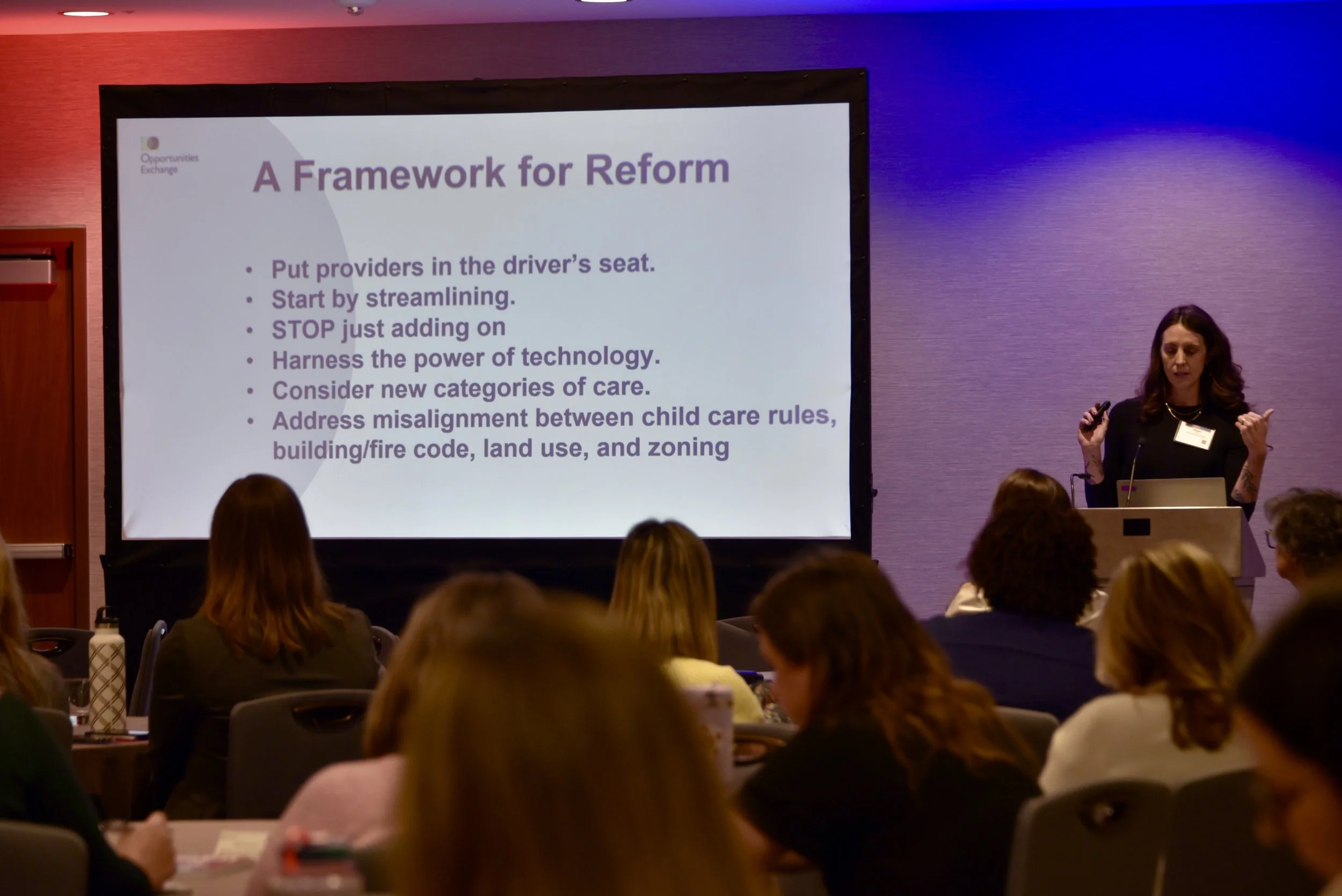
Right Sizing Licensing Regulation
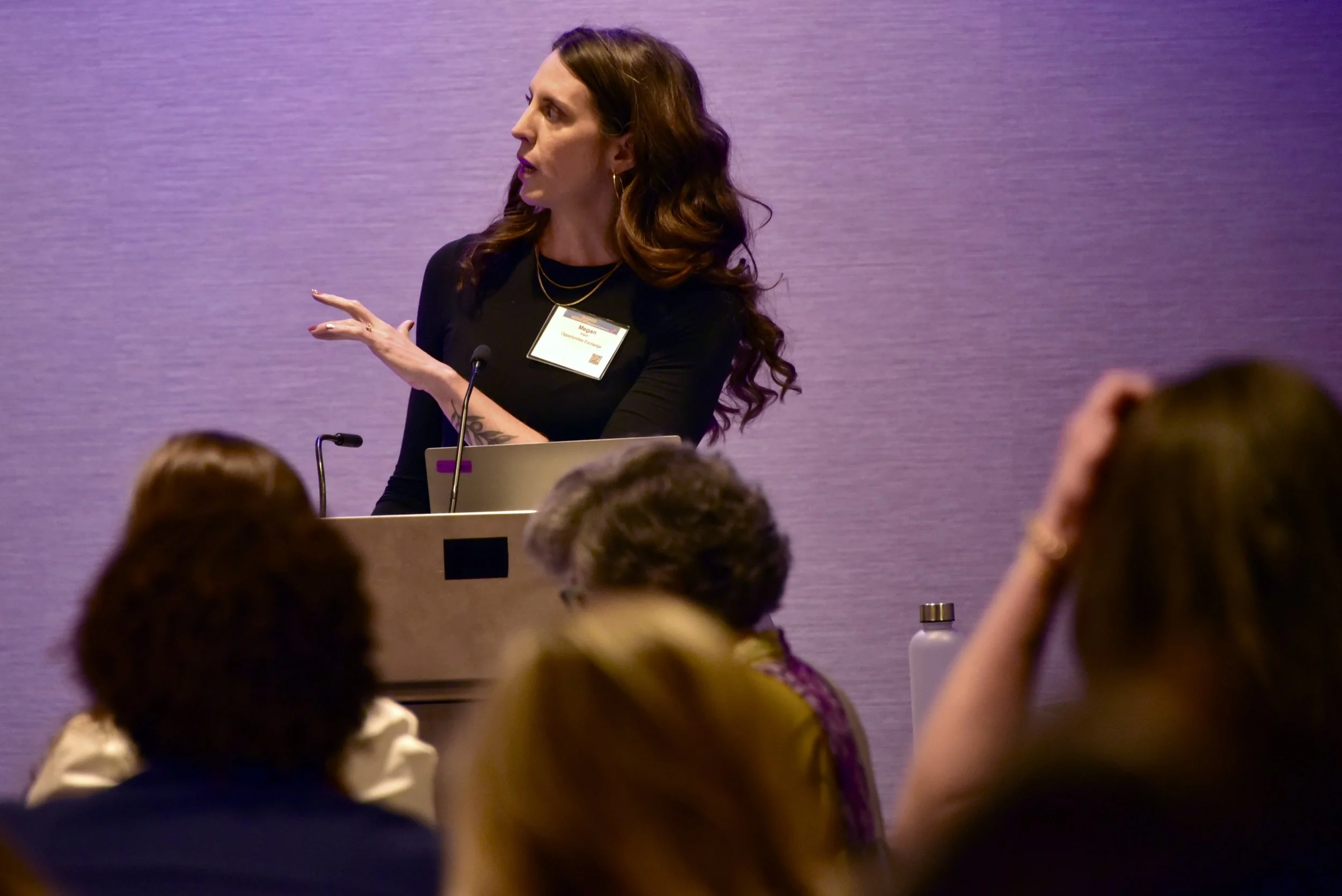
Child care regulations are designed to protect children, yet they are often dense, duplicative, and difficult to navigate. Reform efforts frequently stall due to concerns about lowering standards. This session introduces a framework for right-sizing regulation without compromising safety and shares examples of emerging regulatory approaches at the state level. Participants will explore how to align oversight with risk while improving clarity and consistency.
Megan Irwin and Louise Stoney, Opportunities Exchange; Diane Girouard, National Association for the Education of Young Children
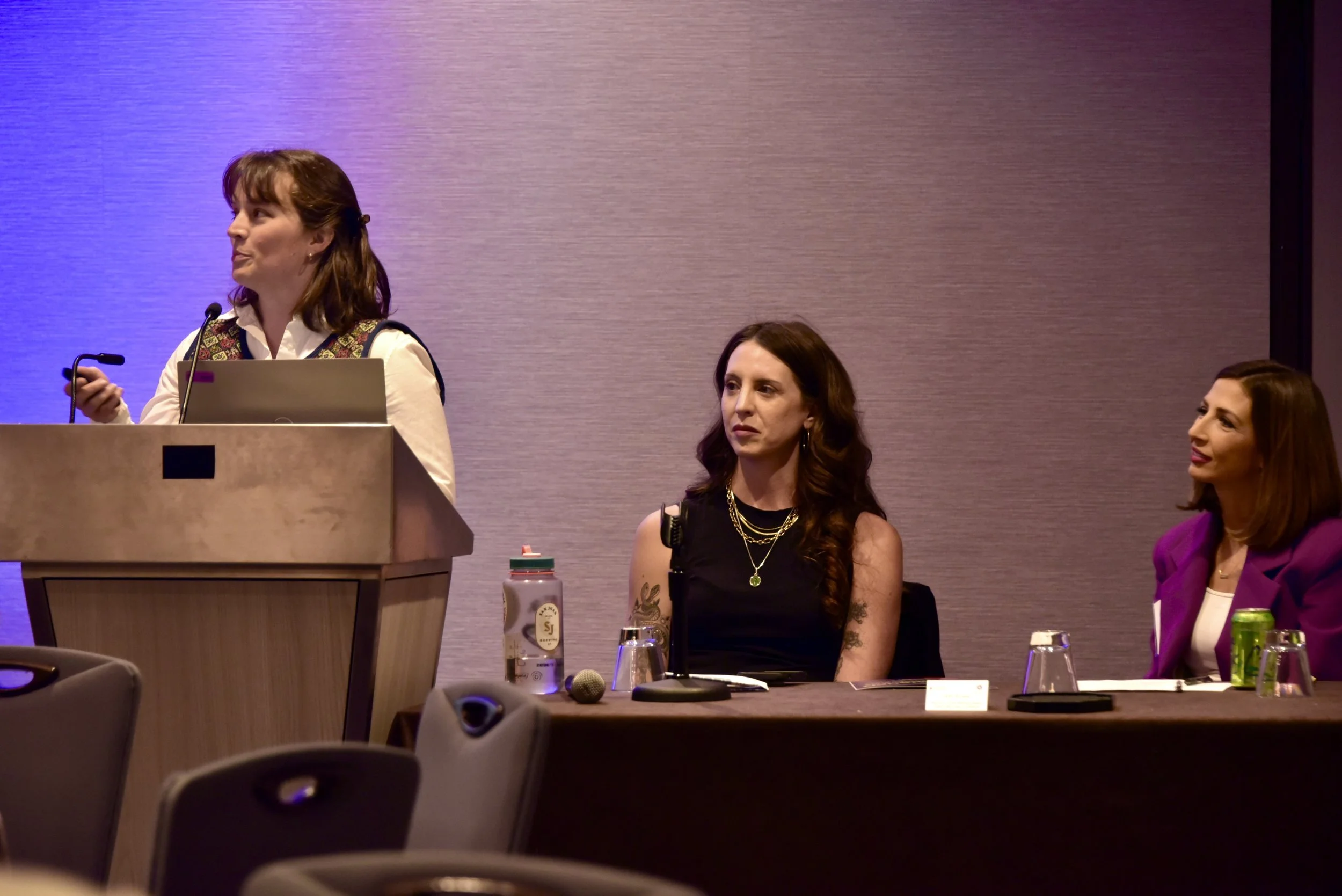
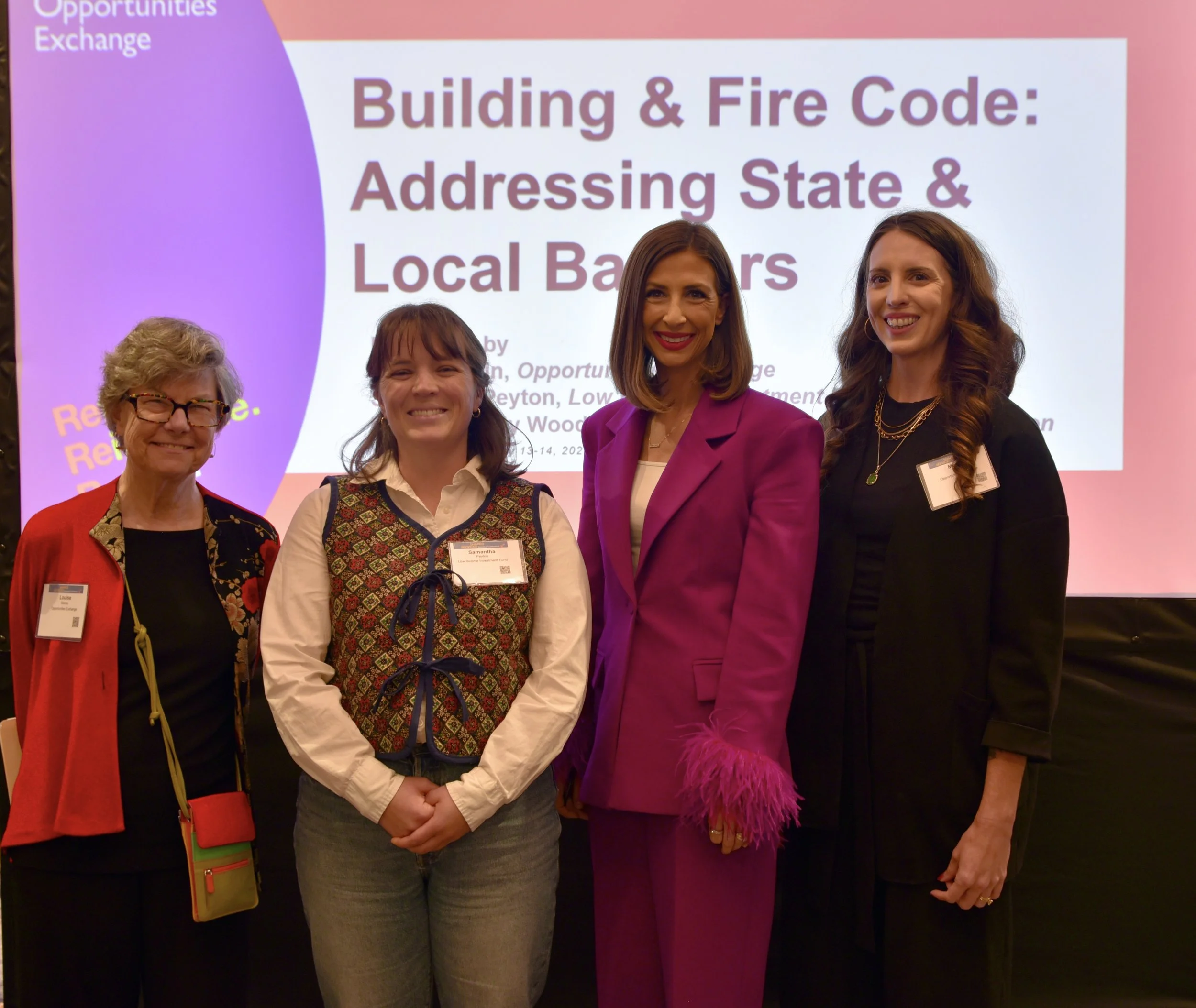
Building and Fire Codes: Addressing State and Local Barriers
Building and fire codes present significant challenges for child care providers and can complicate the licensing process. These requirements are often poorly understood and rarely addressed through coordinated policy solutions. This session highlights lessons from California and Tennessee and explores strategies for better aligning building, fire, and licensing systems. Participants will gain insight into how states and localities can reduce barriers while maintaining safety.
Megan Irwin, Opportunities Exchange; Samantha Blair, Low Income investment Fund; Rebecca Lofty Woods, Tennesseans for Quality Early Education
Measuring and Reporting Vacancy Data
Understanding vacancy rates is critical to assessing supply, demand, and system stability in child care. However, many communities lack accurate, timely and reliable data on child care vacancies. This session explores ways to measure and report vacancy data, with a focus on informing policy, funding, and operational decisions. Participants will gain insight into how to accurately define, measure and report vacancy data so that it can be used to guide system-level interventions.
Louise Stoney, Opportunities Exchange
Technology
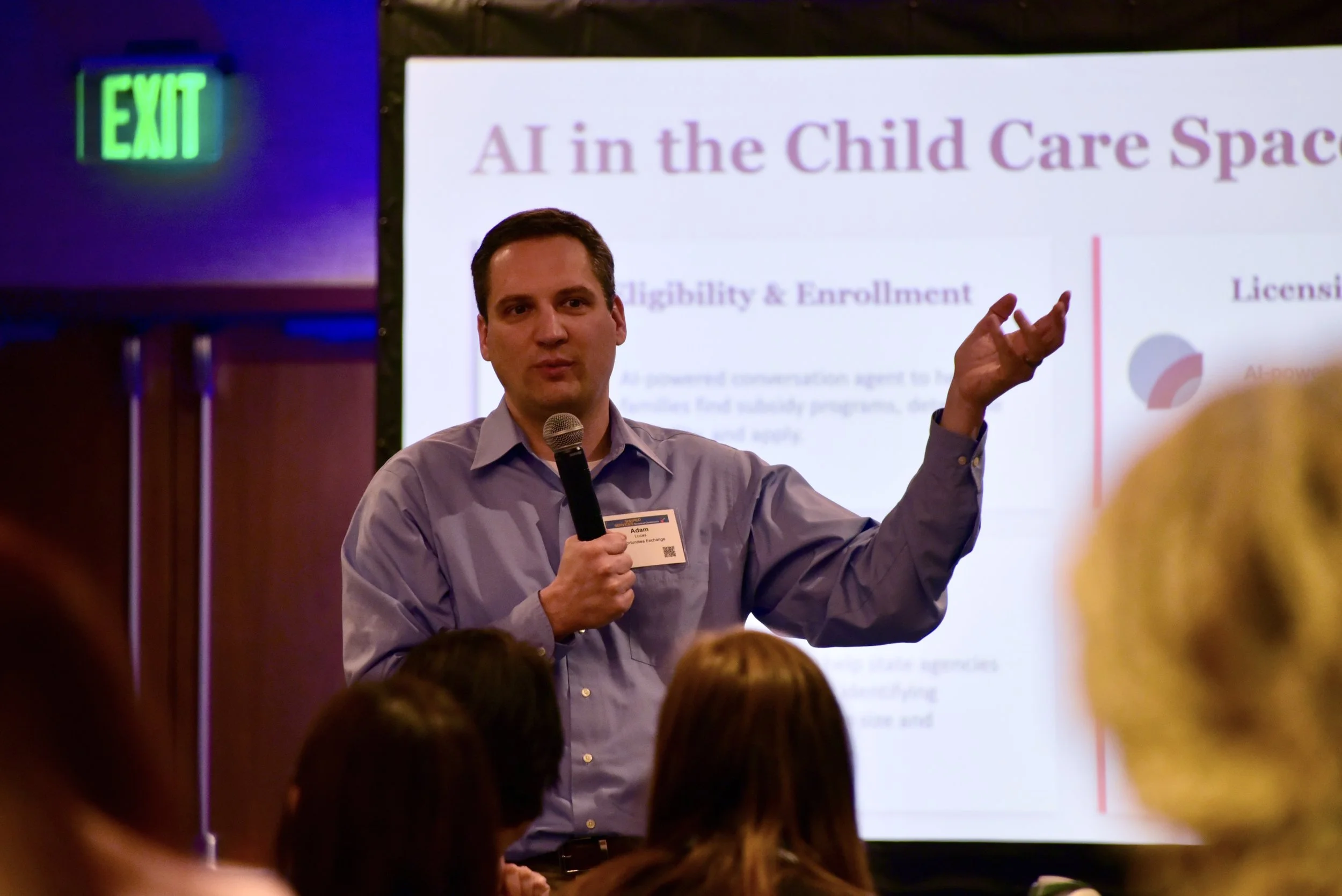
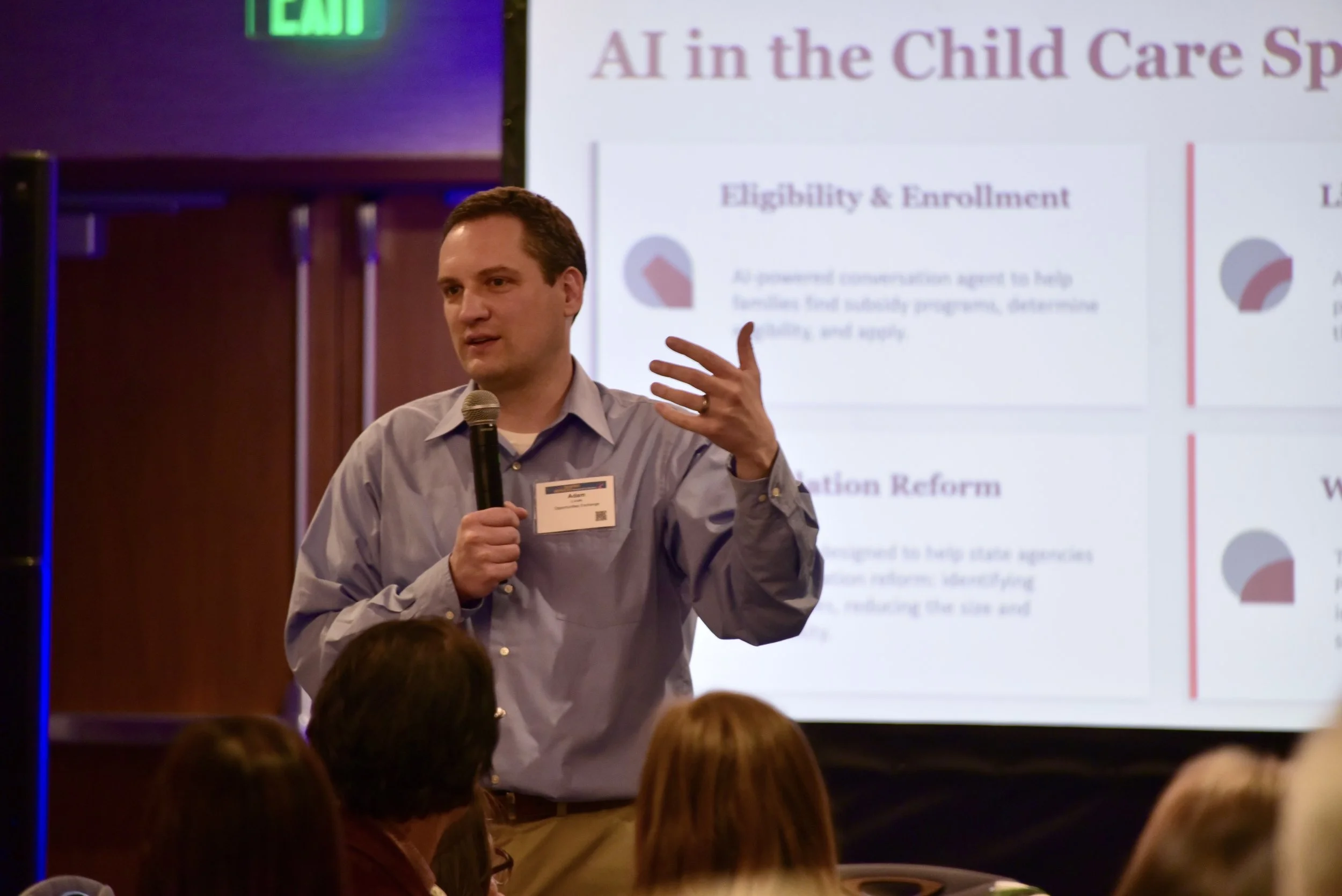
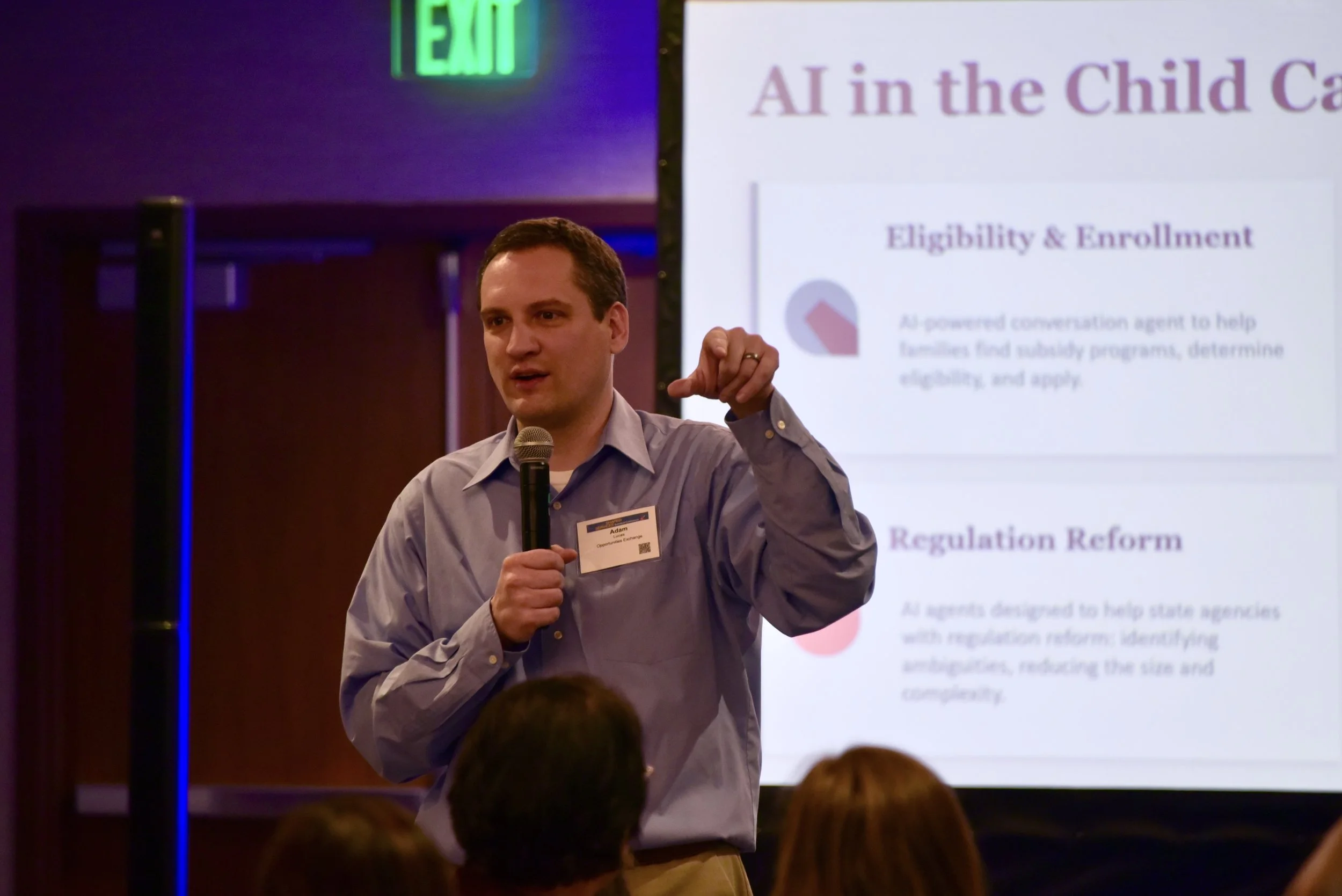
Demystifying AI for Child Care Systems
Artificial intelligence is increasingly present in early childhood systems, yet many leaders are unclear about its practical applications. This session provides a clear, plain-language overview of what AI is, where it is currently being used, and where it falls short. Participants will explore real-world examples across provider supports, regulatory systems, and fraud detection, and will leave with a practical framework for engaging with AI tools.
Adam Lucas, Opportunities Exchange; Shelley Summer, Palmetto Shared Services
Reimagining the Front Door: Coordinated Eligibility Systems in Practice
Throughout the country, states and regions are working to coordinate eligibility screening and enrollment across myriad early childhood programs. These efforts aim to simplify access for families, streamline administration, and maximize available resources. This session features a regional pilot in Minnesota focused on automating applications and verifying income and employment across multiple funding streams. Participants will learn how this regional coordinated eligibility pilot was designed, funded and launched.
Dr. Nicole Smerillo and Erica Maas, Think Small
Critical Conversation: Technology and Tools for Fraud Prevention
This session explores the current landscape of fraud prevention related to subsidy payments and CCDF funding. Participants will discuss how technology, including CCMS, can support compliance and reduce risk. The session will also provide space to share challenges, ideas, and emerging approaches.
Adam Lucas and Tony Cruse, Opportunities Exchange
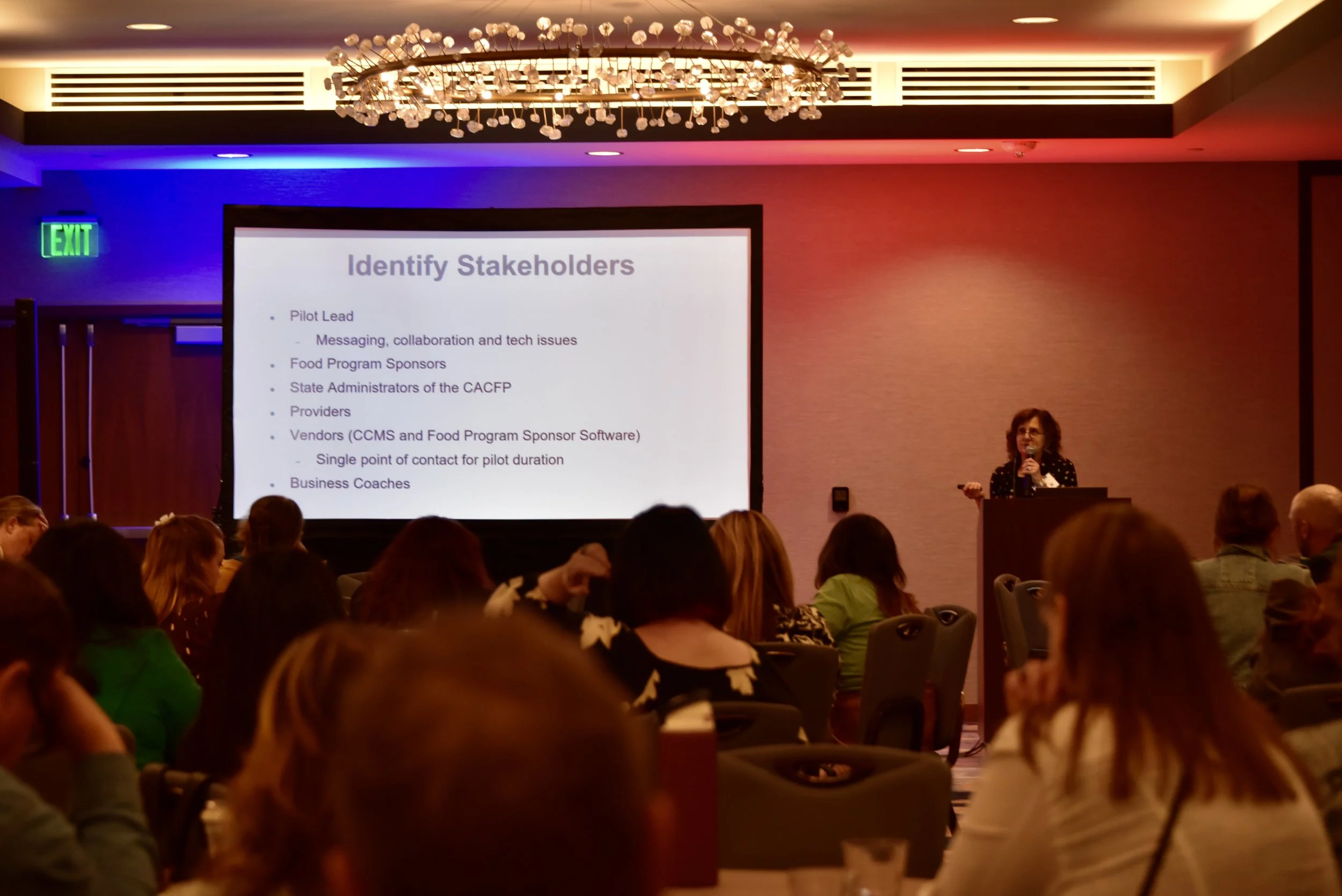
Innovation in Action: A Food Program Data Bridge for Home-Based Child Care Providers
CCMS data bridges can help child care program leaders save time, reduce paperwork and strengthen business operations. Home-based providers that participate in the Child and Adult Care Food Program (CACFP) face unique challenges as they must often use multiple technology systems. This session features a new data bridge, recently piloted in Iowa, that enables providers to record attendance and meals in their CCMS and transfer that data into technology used by their CACFP sponsor. Participants will learn how similar integrations can save time and streamline operations in their communities.
Adam Lucas and Amy Friedlander, Opportunities Exchange
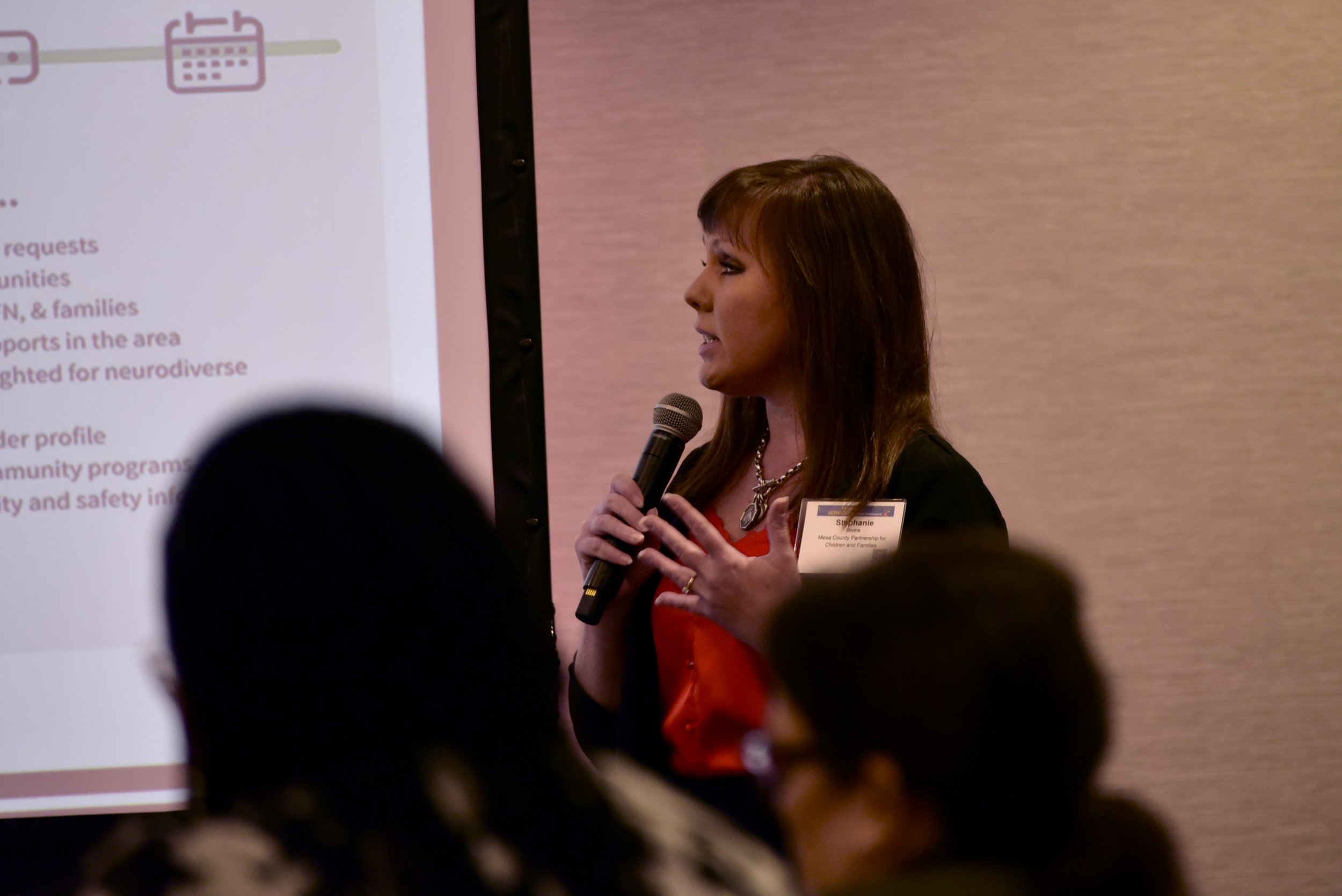
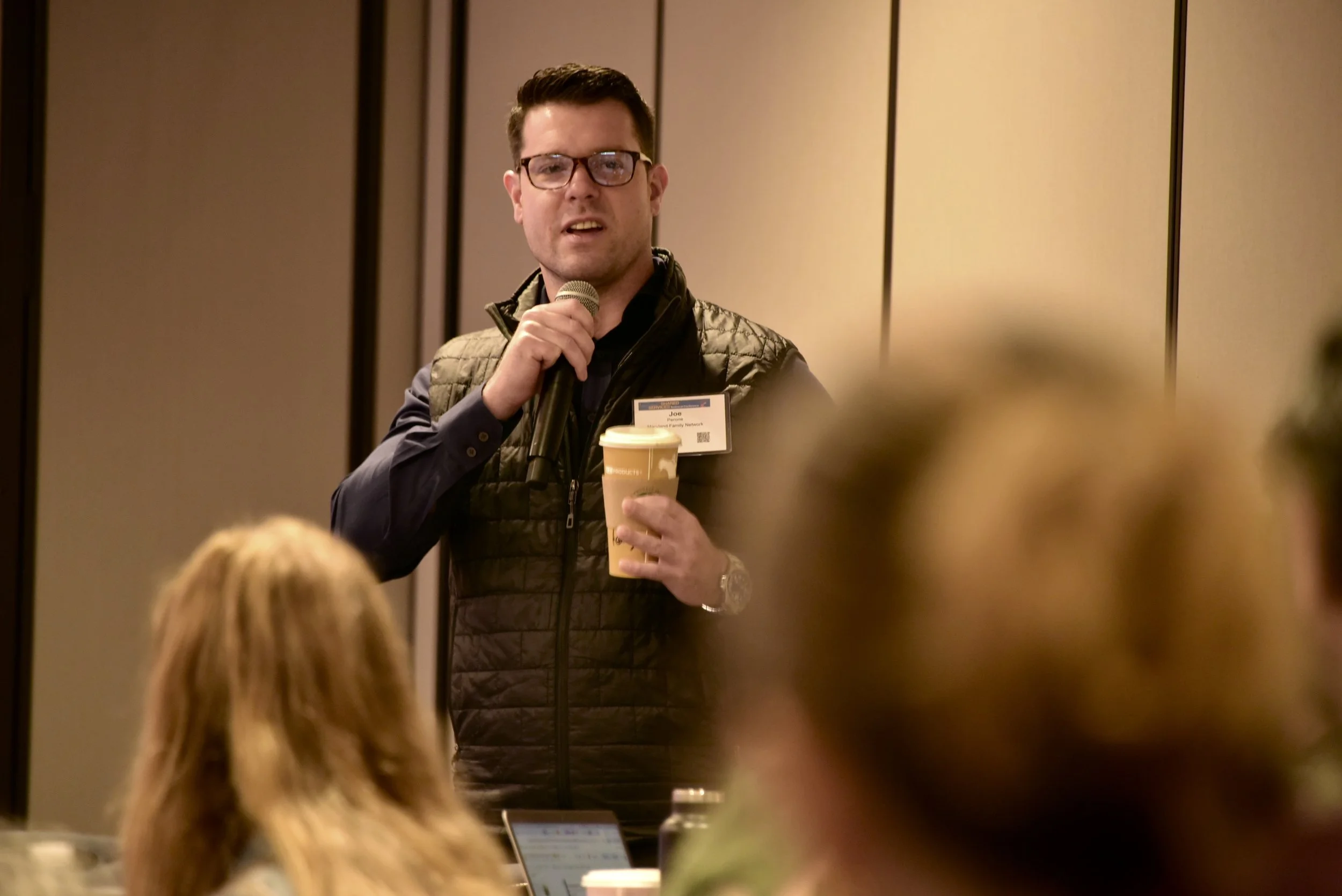
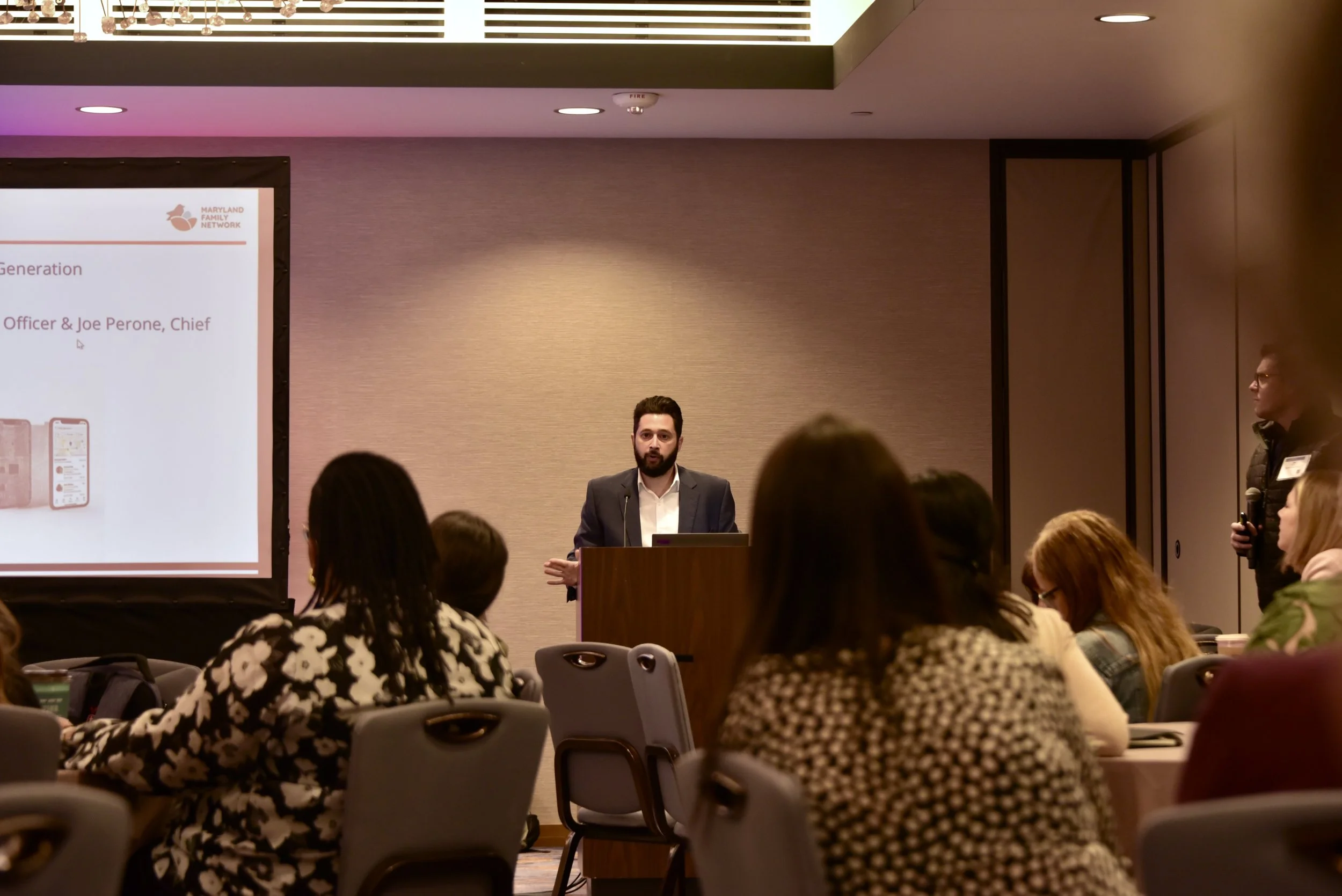
Rethinking CCR&R: From Manual Processes to Modern Systems
As families navigate increasingly complex pathways to find child care, CCR&R systems are being asked to do more with greater precision. Yet many organizations remain constrained by manual workflows, duplicated efforts, and limited access to actionable data. This session explores how modern technology can reduce administrative burden, improve data collection, and generate clearer insights into what is working and where gaps remain. Participants will consider how these shifts support more strategic planning, more effective implementation, and stronger system-level impact.
Mike Herschenfeld and Joe Perone, Maryland Family Network; Stephanie Bivins and Michelle Reeves, Mesa County Partnership for Children and Families
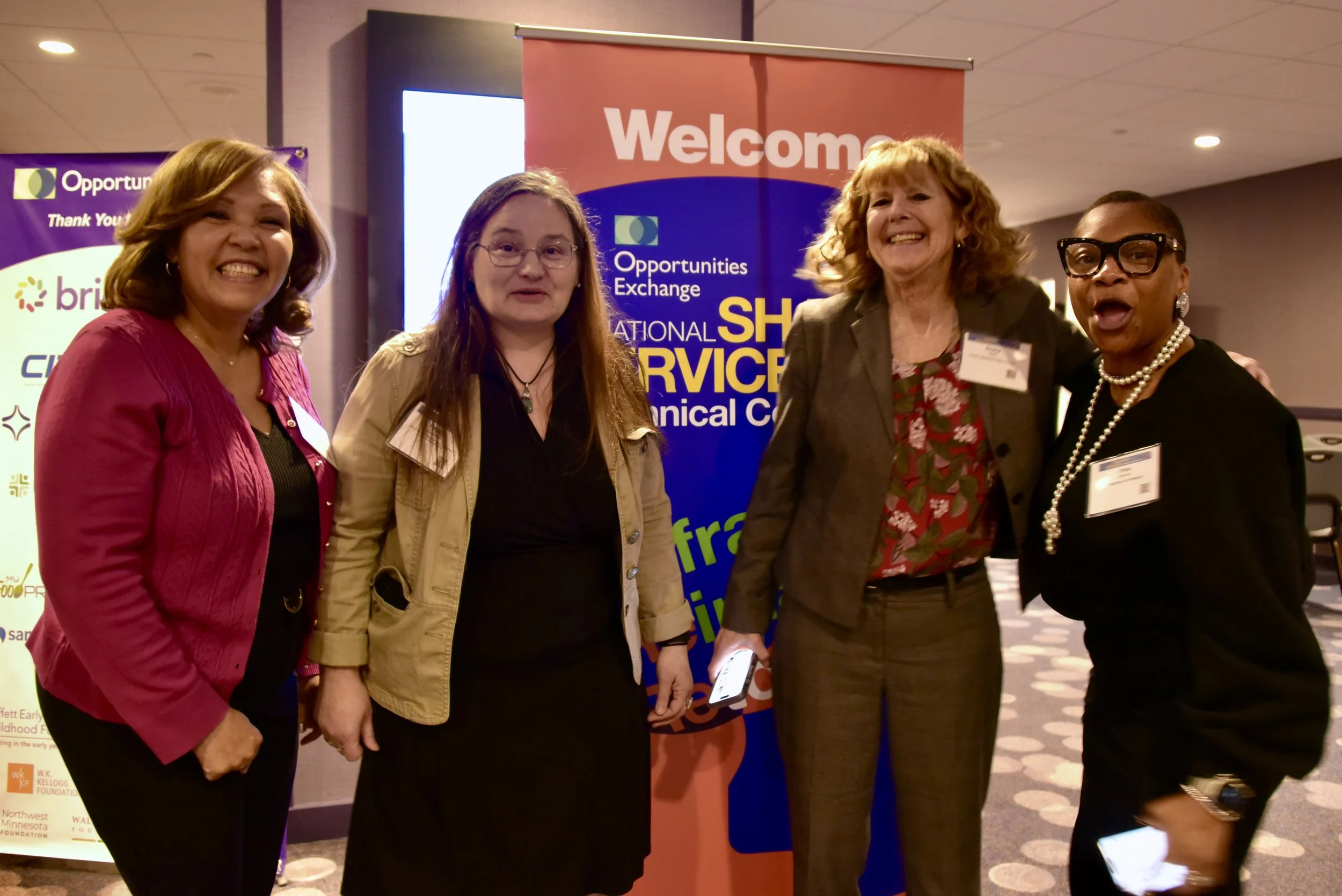
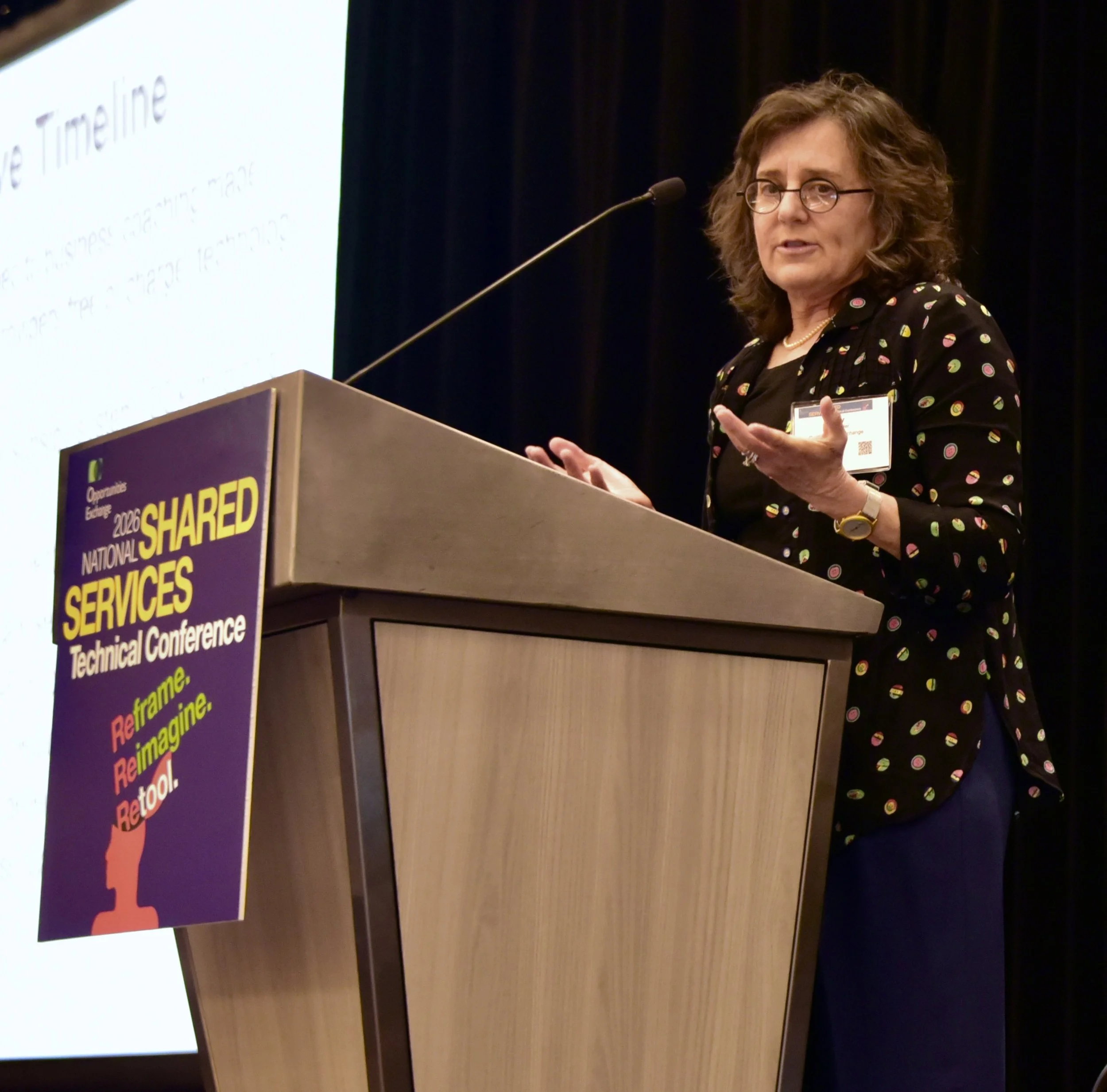
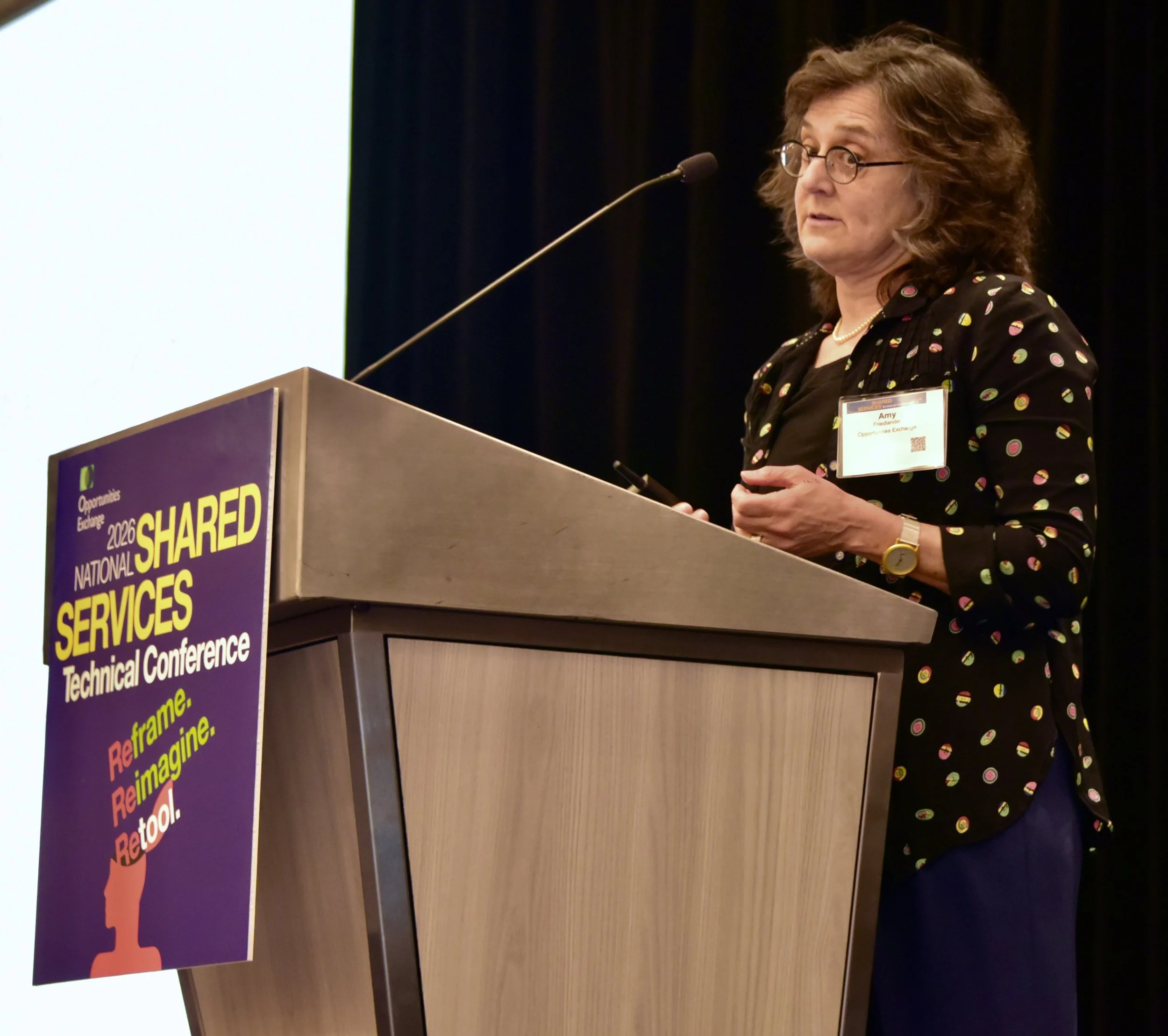
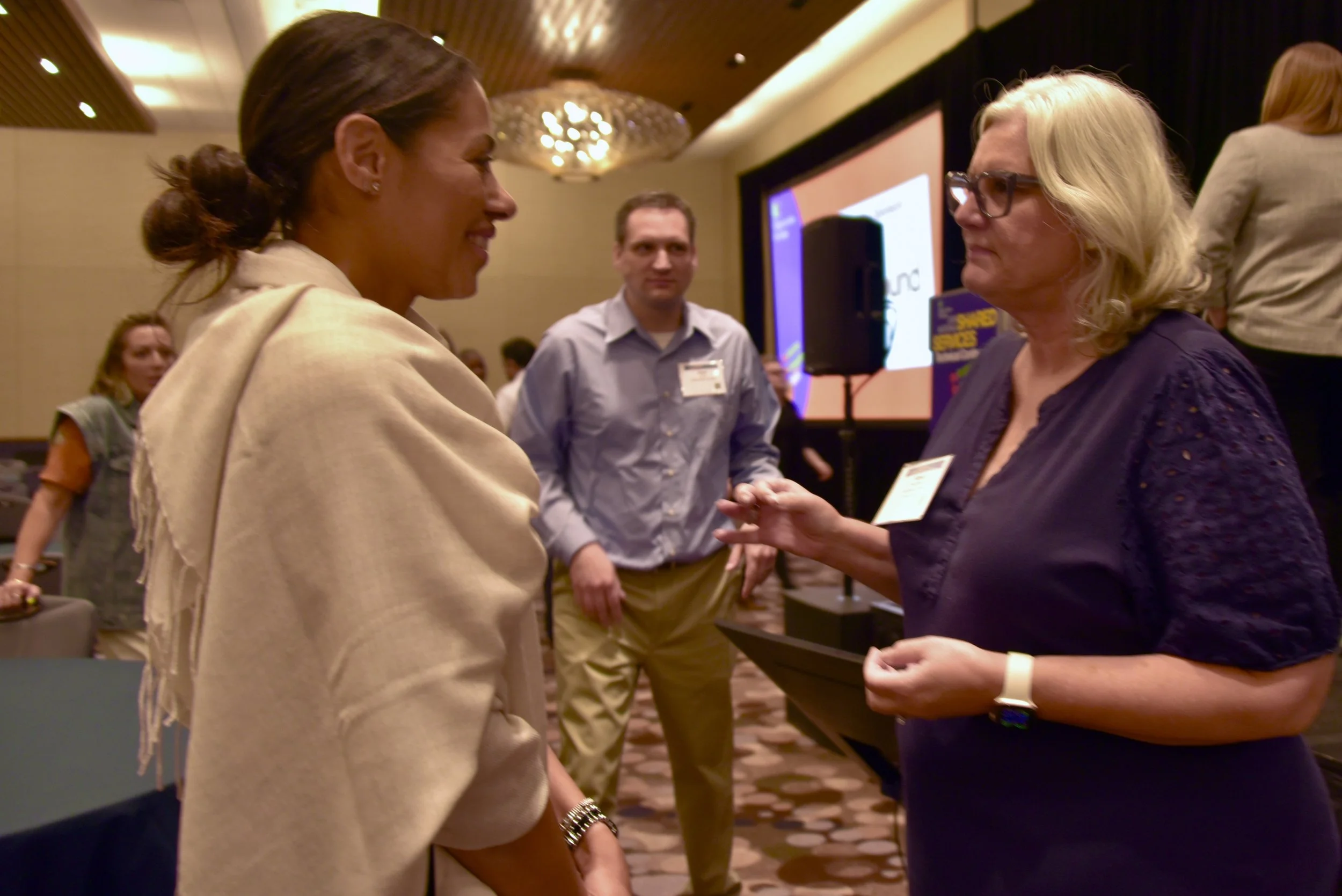
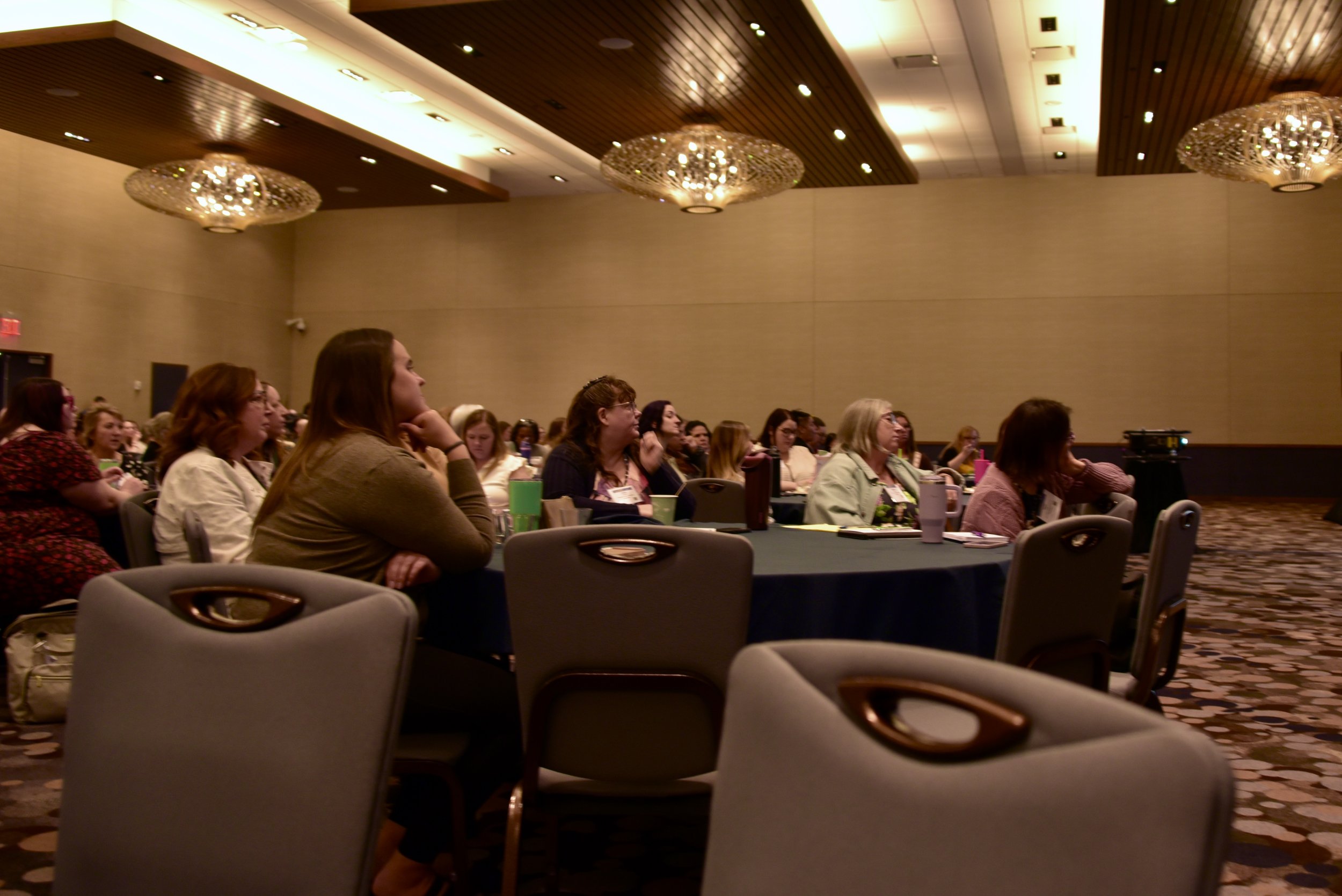
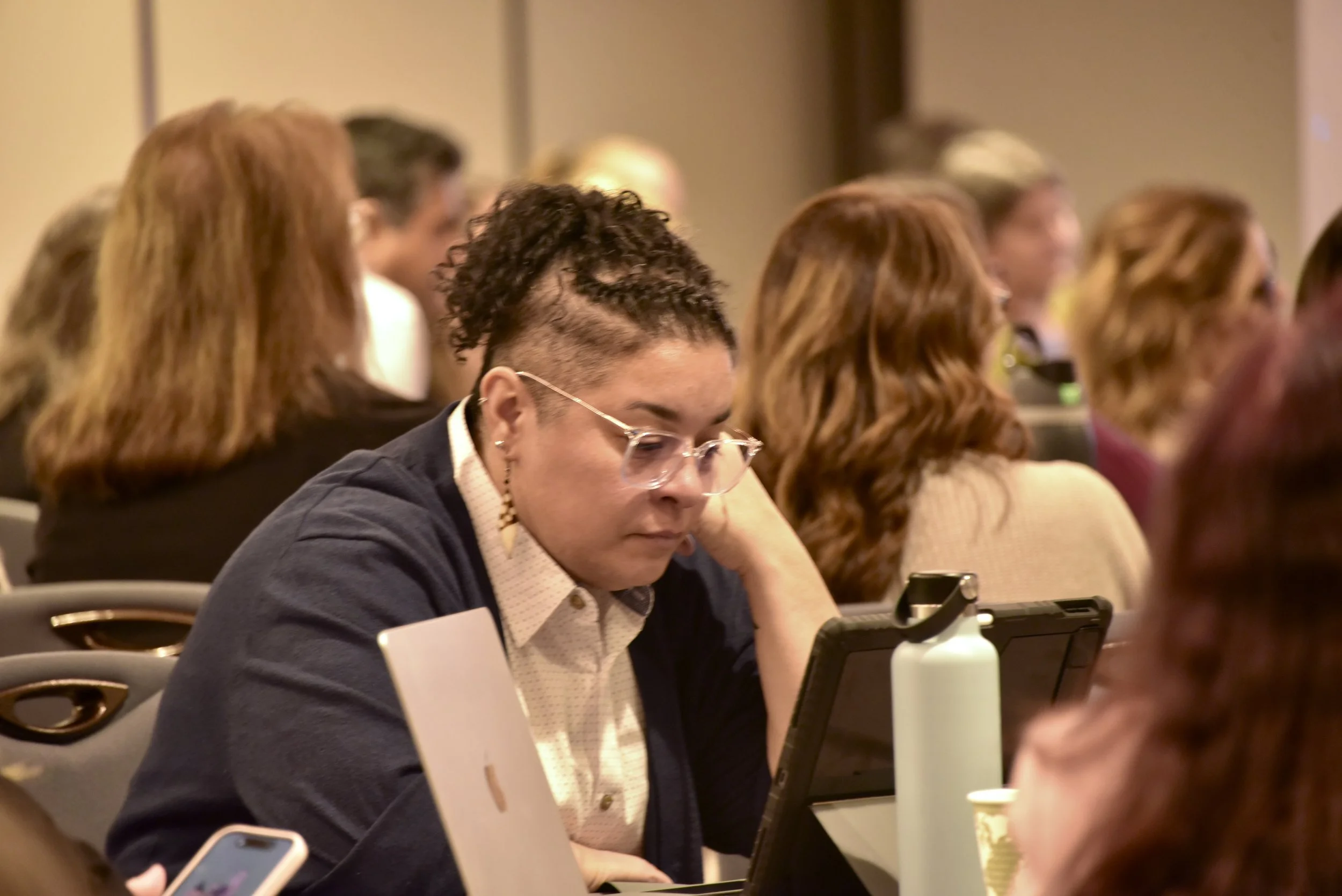
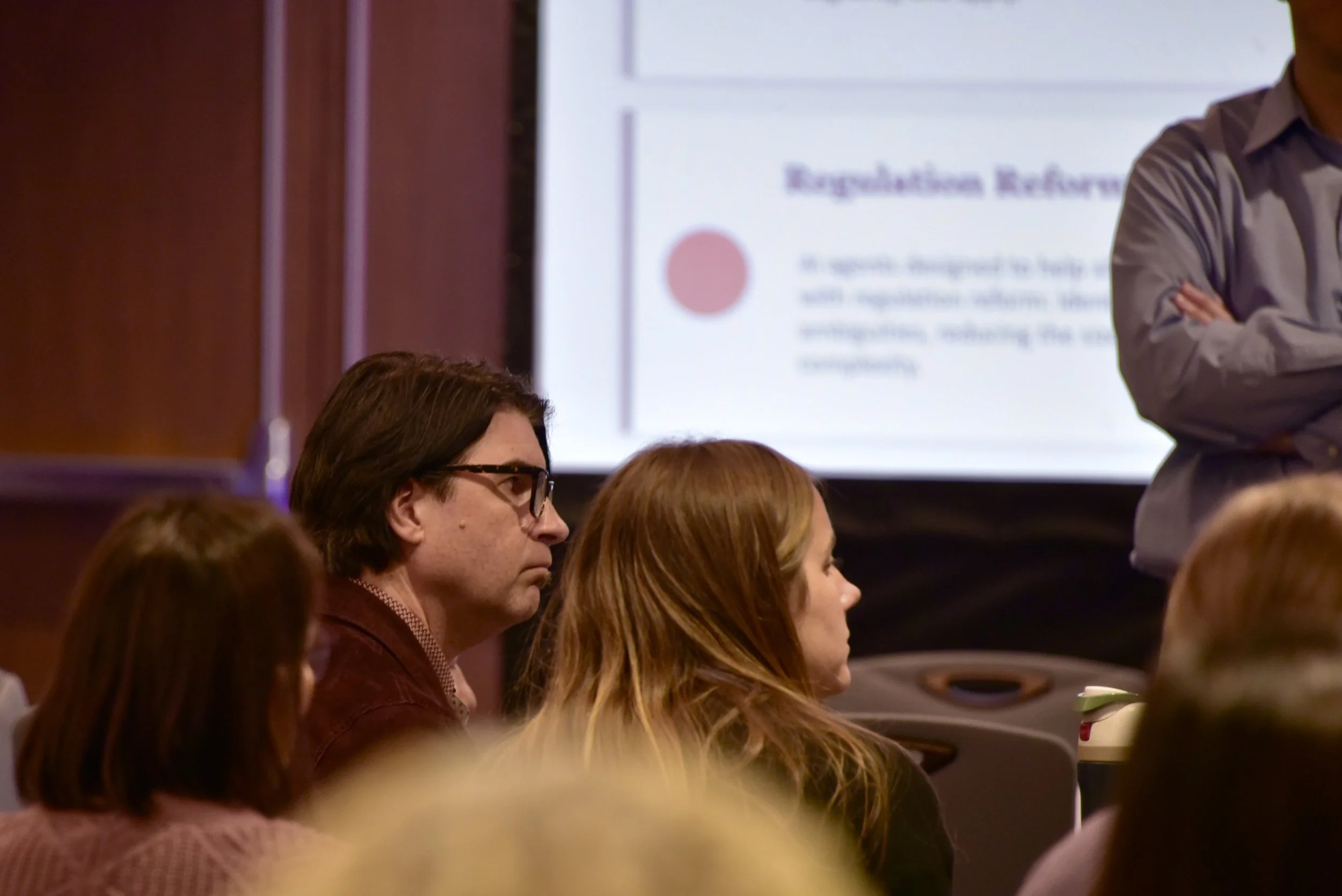
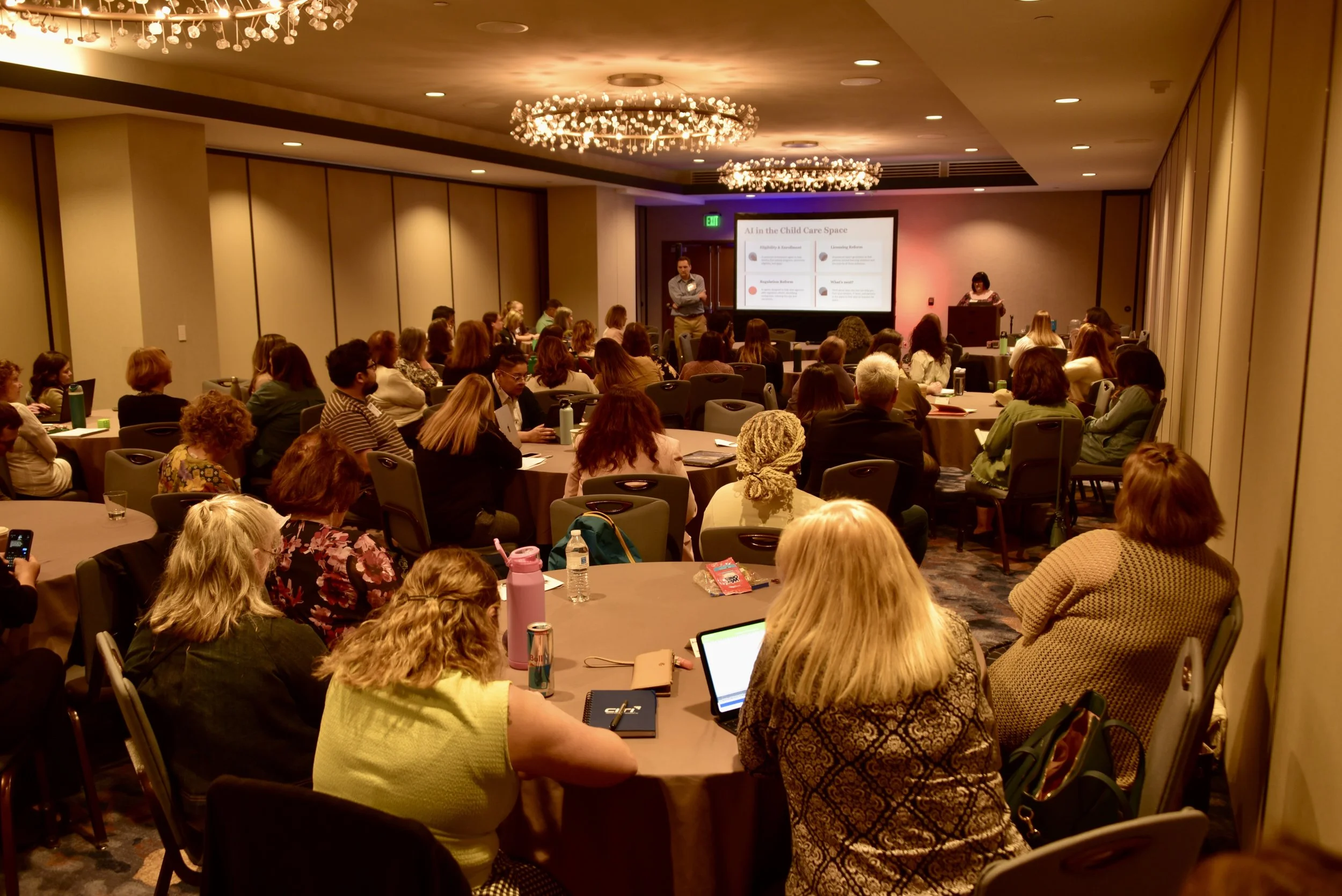
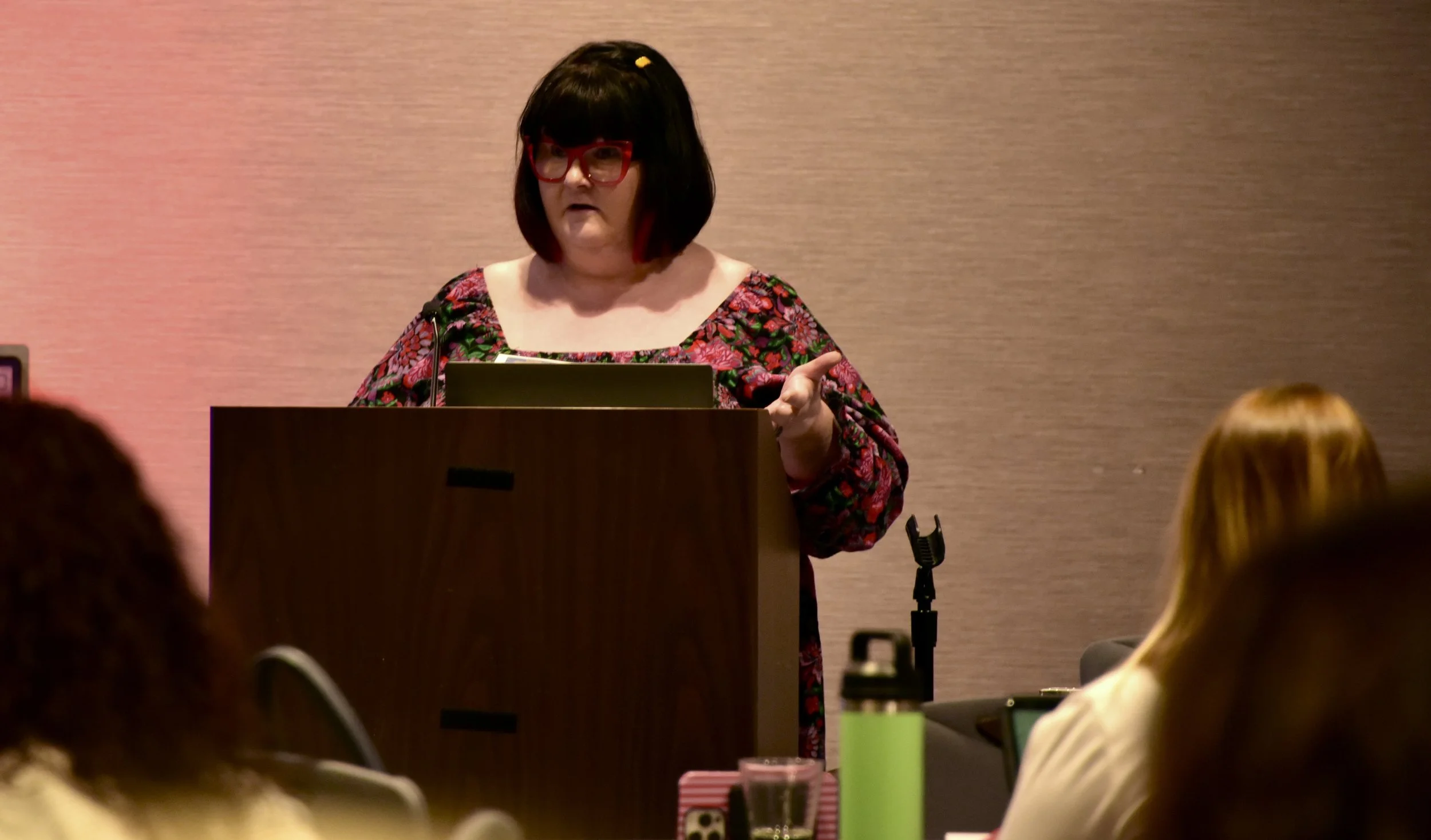
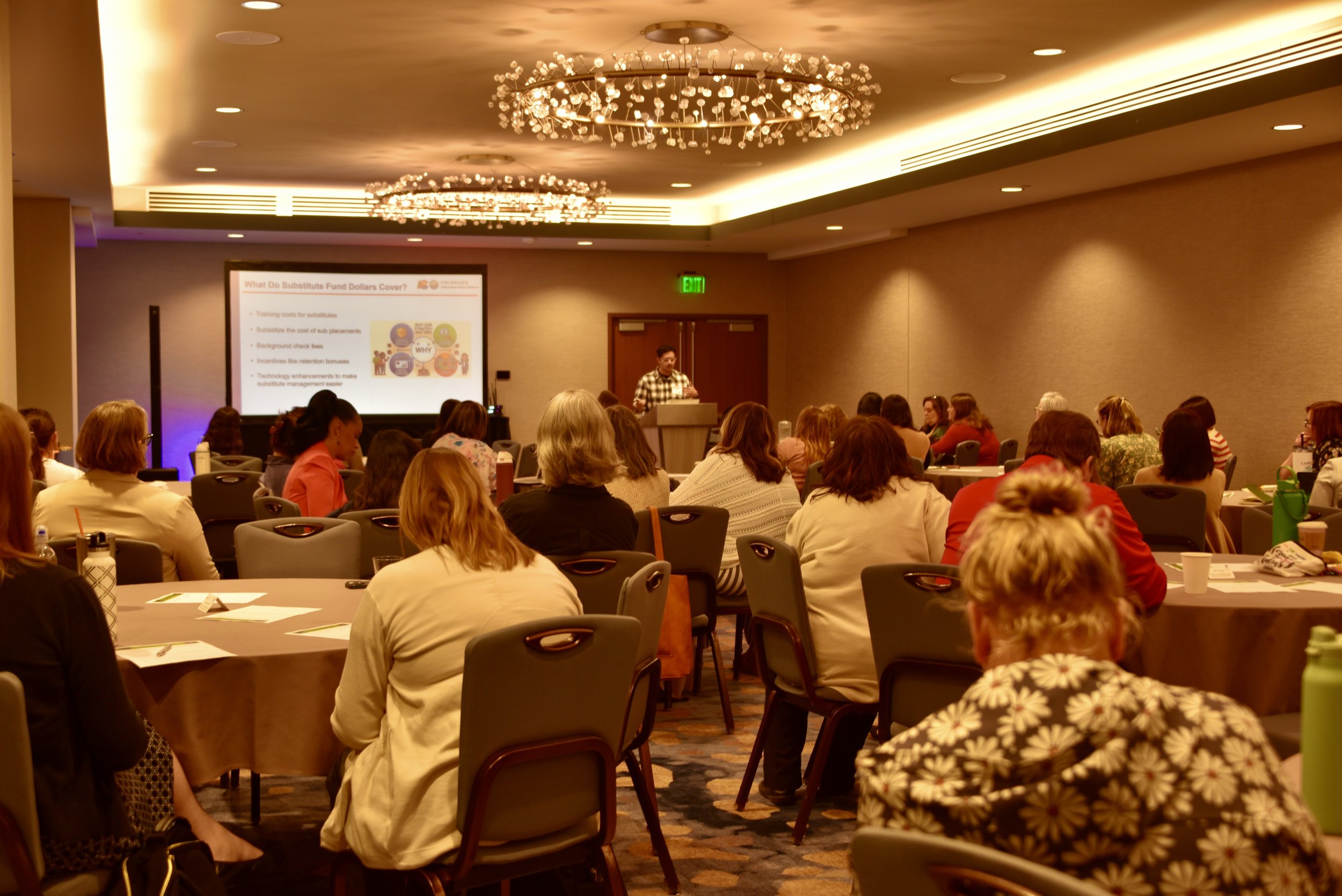
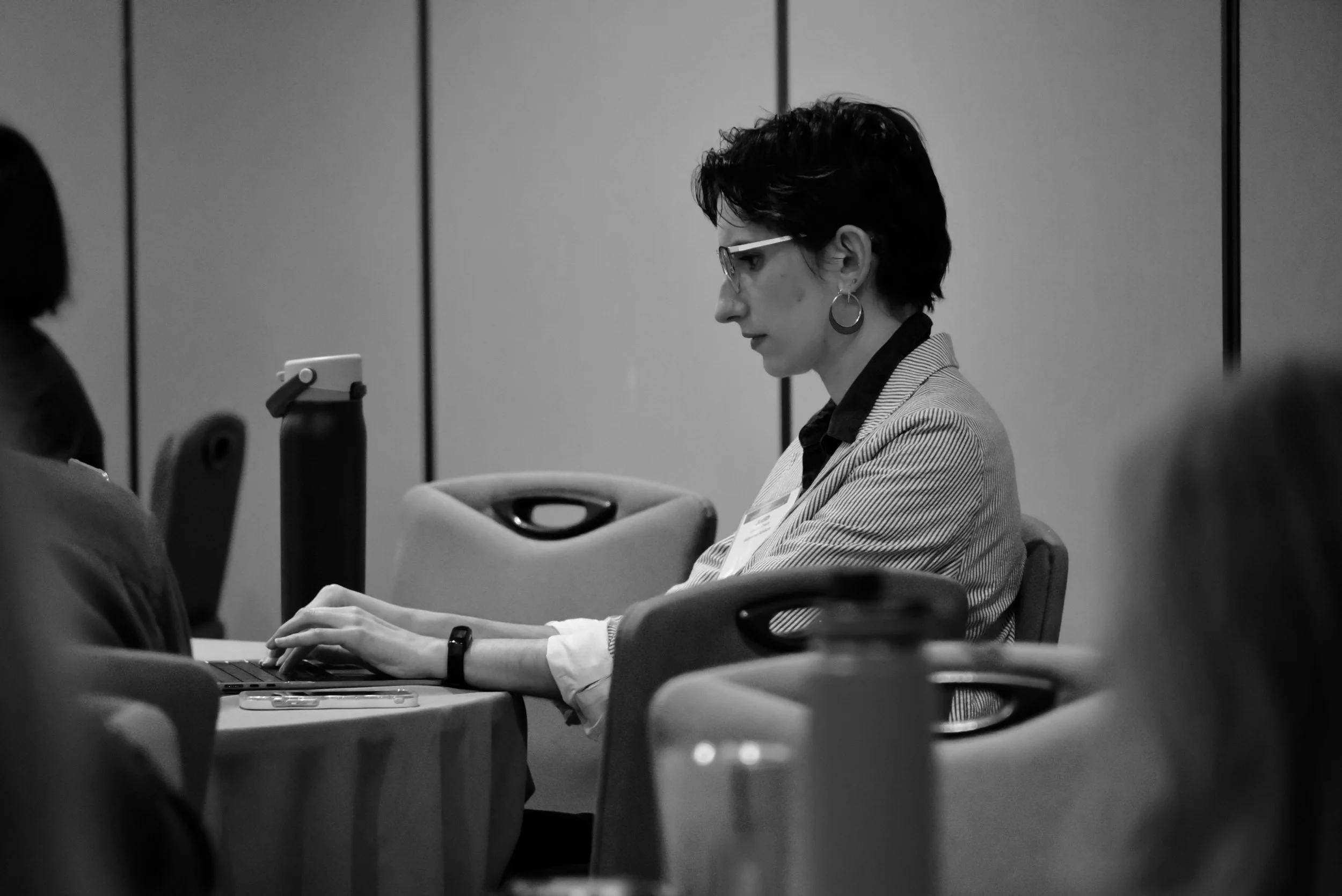

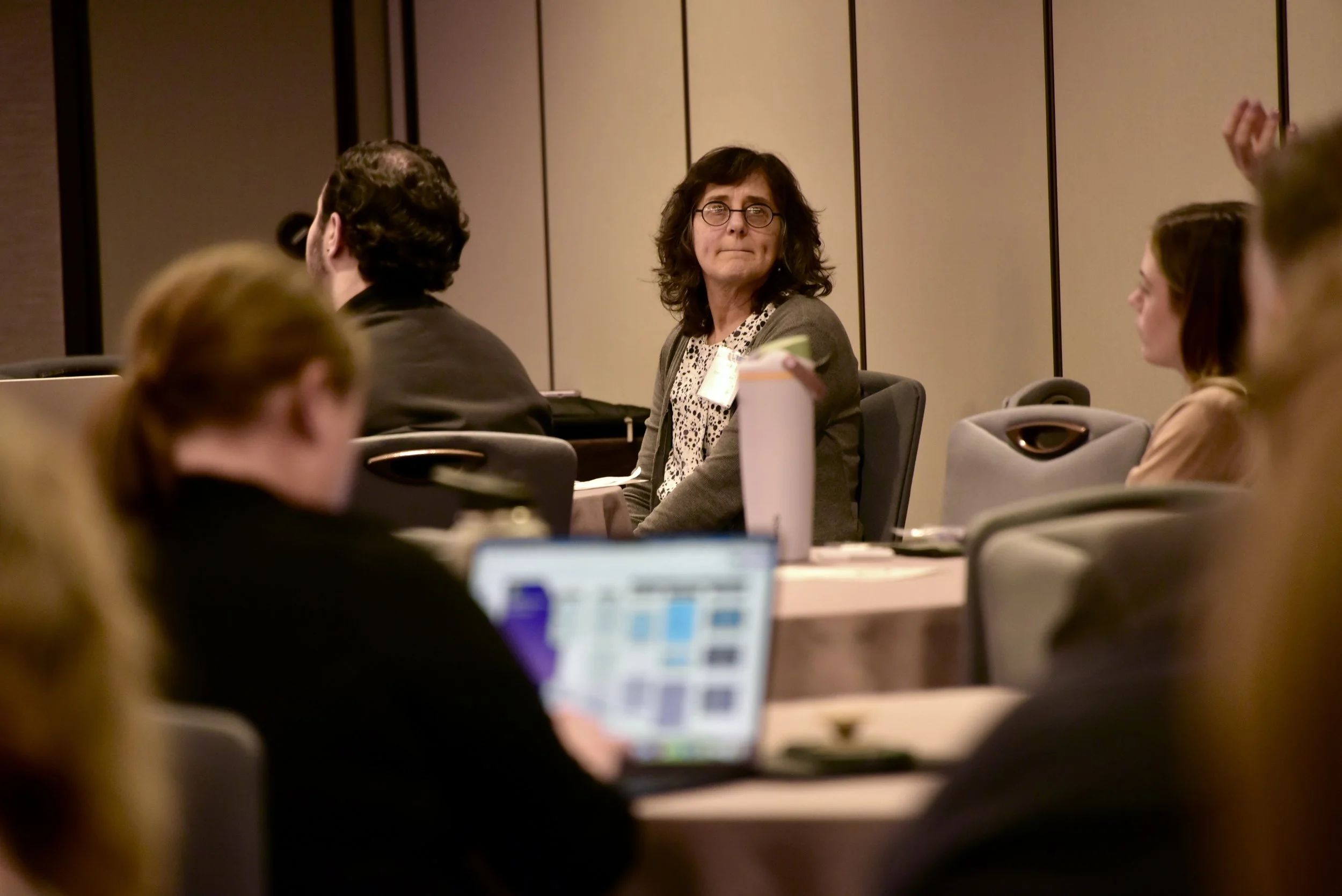
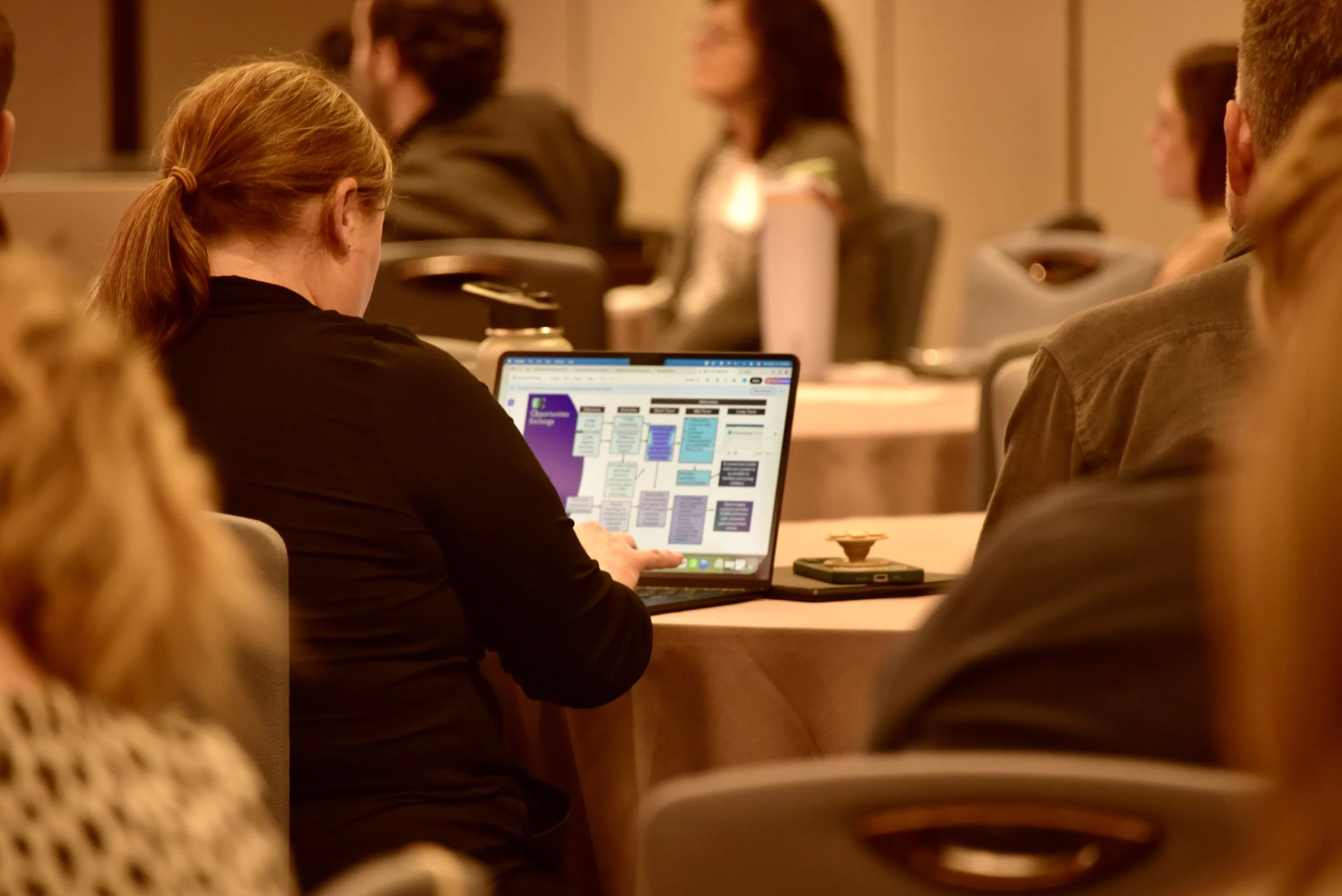
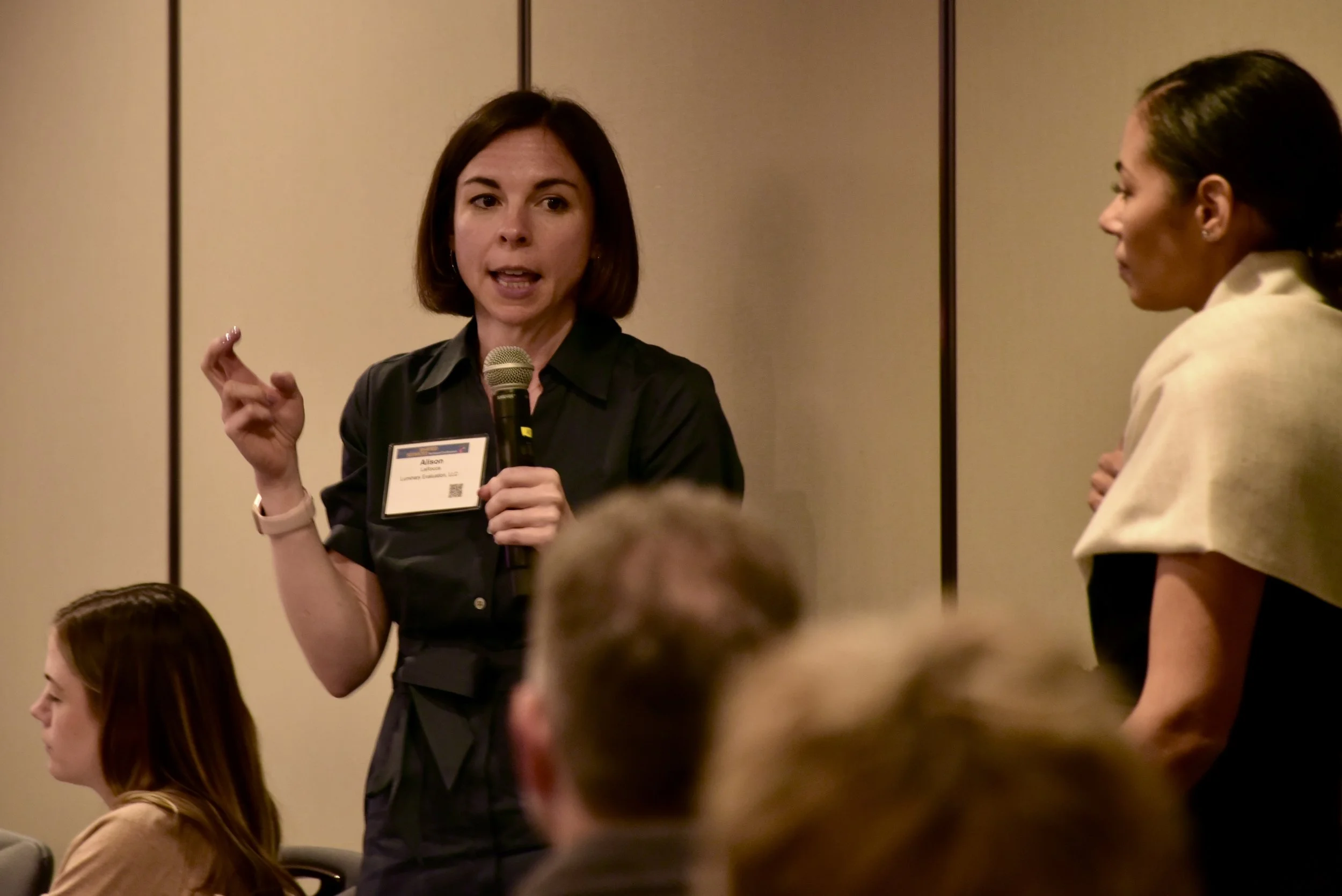
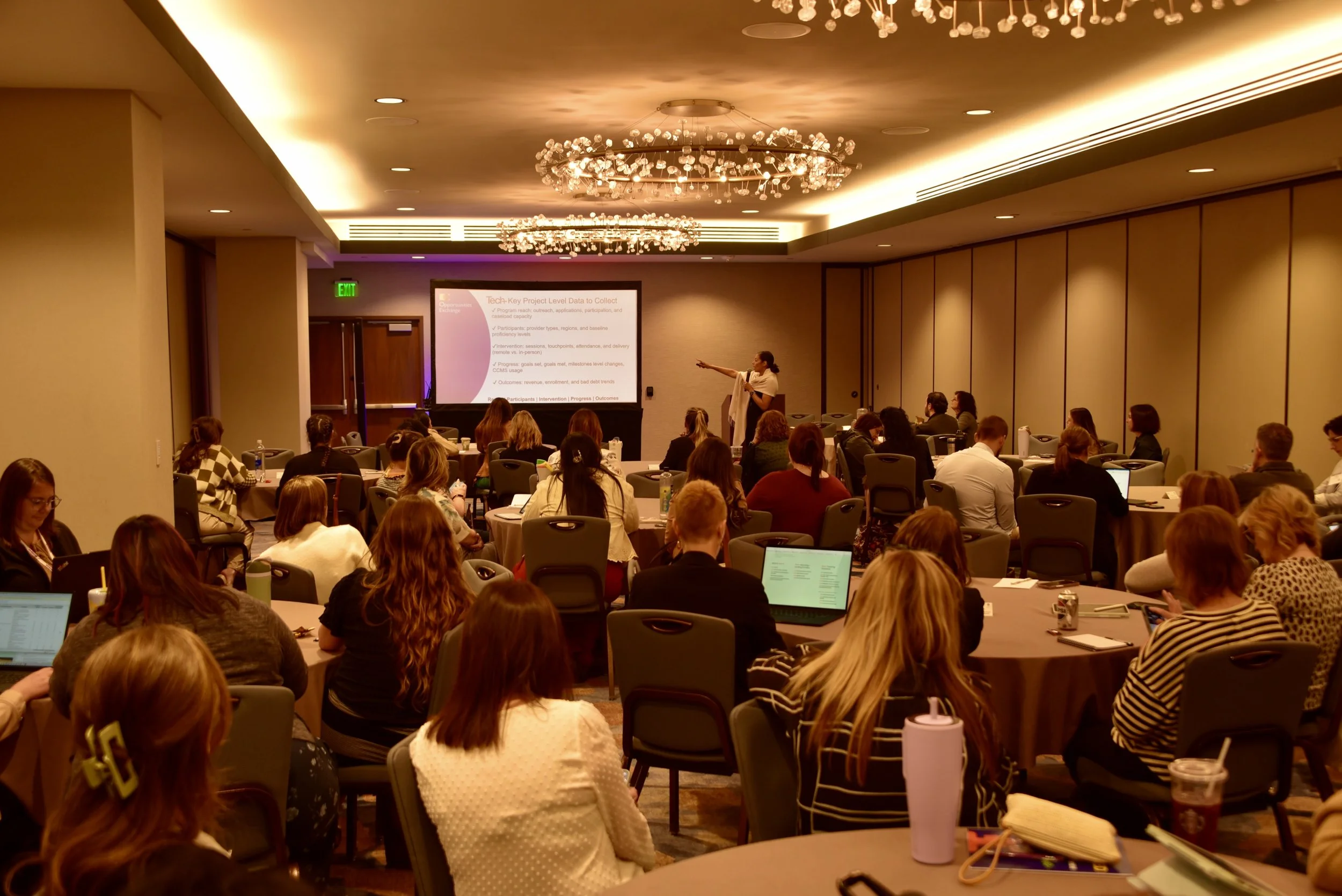
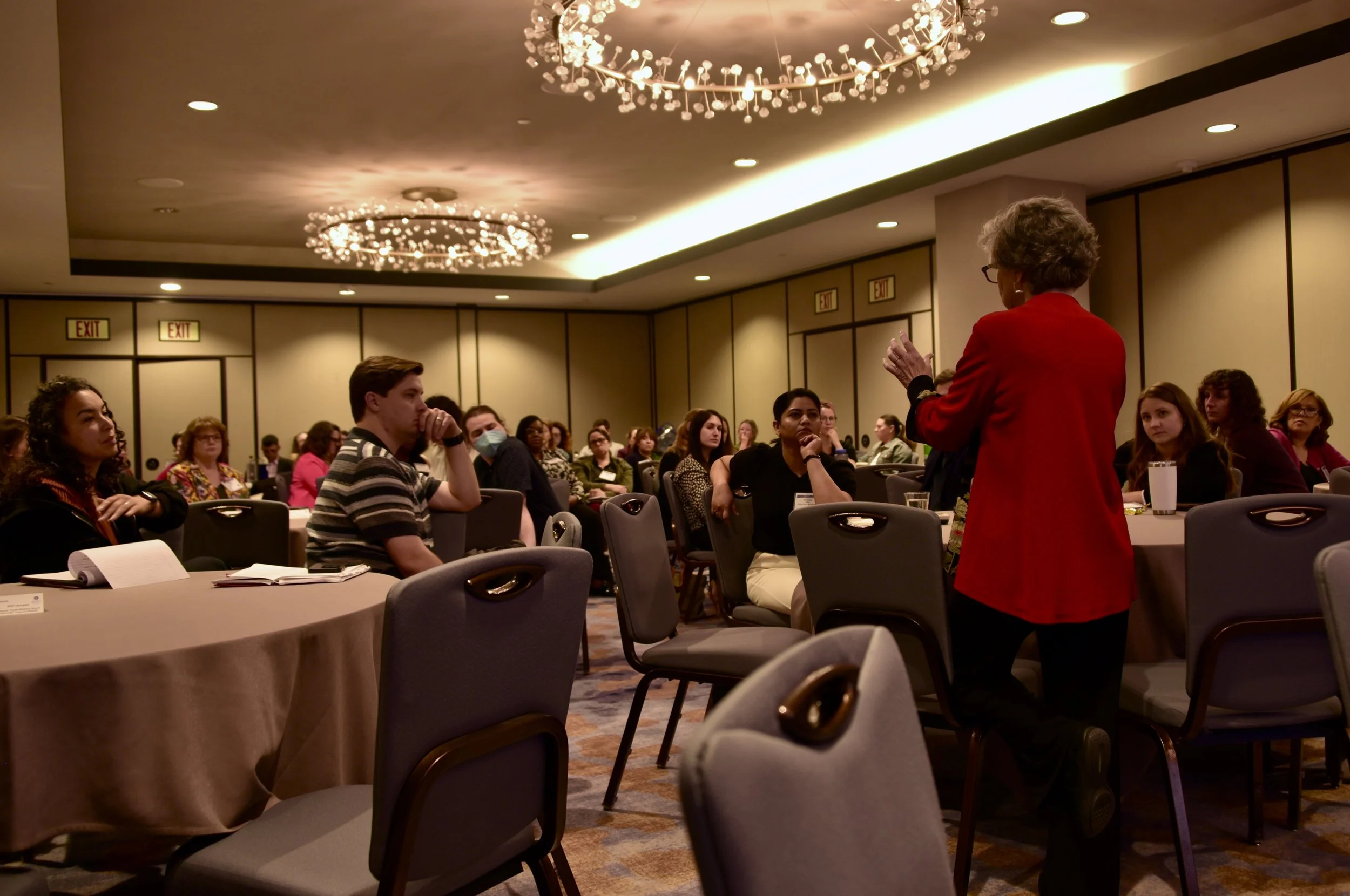
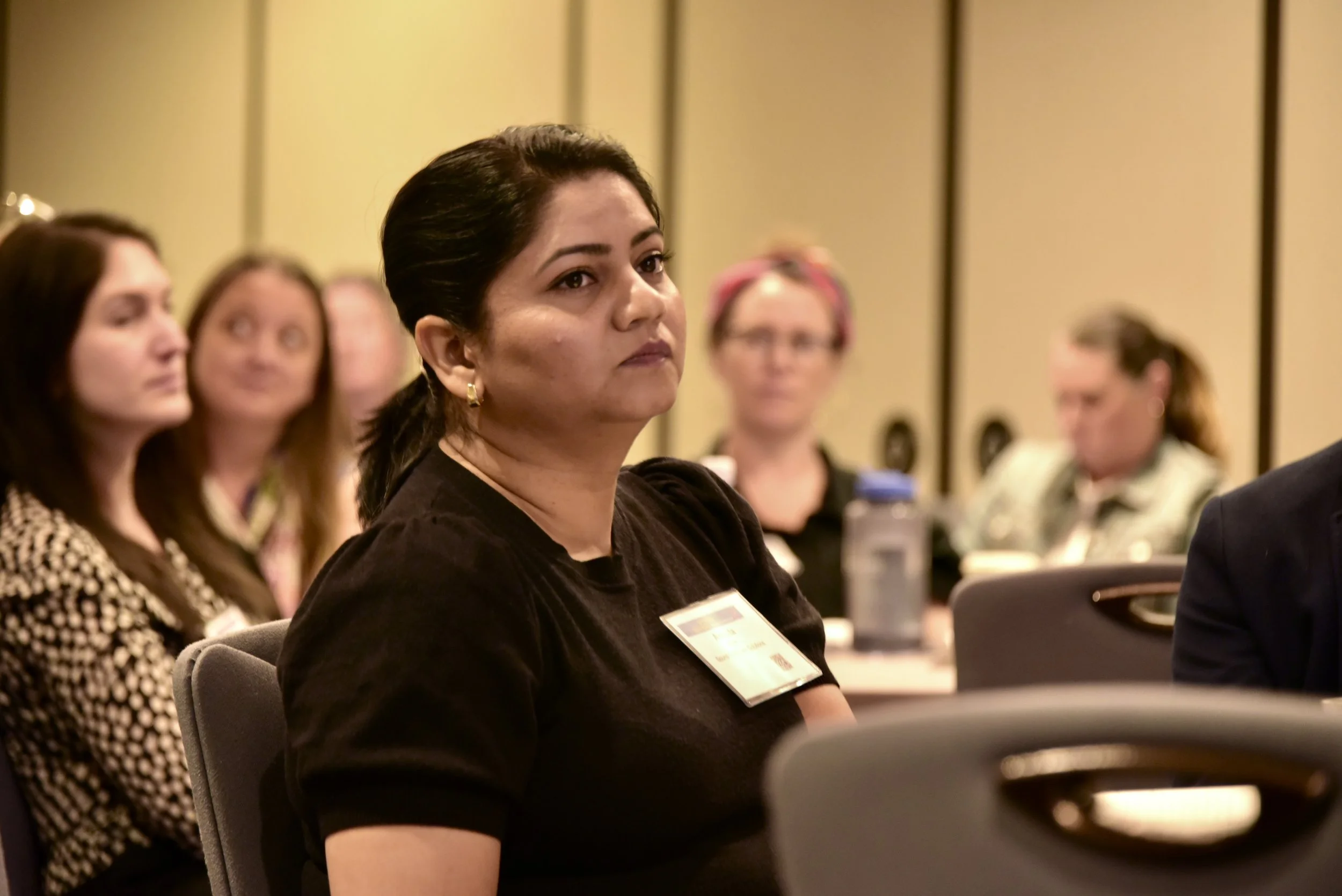
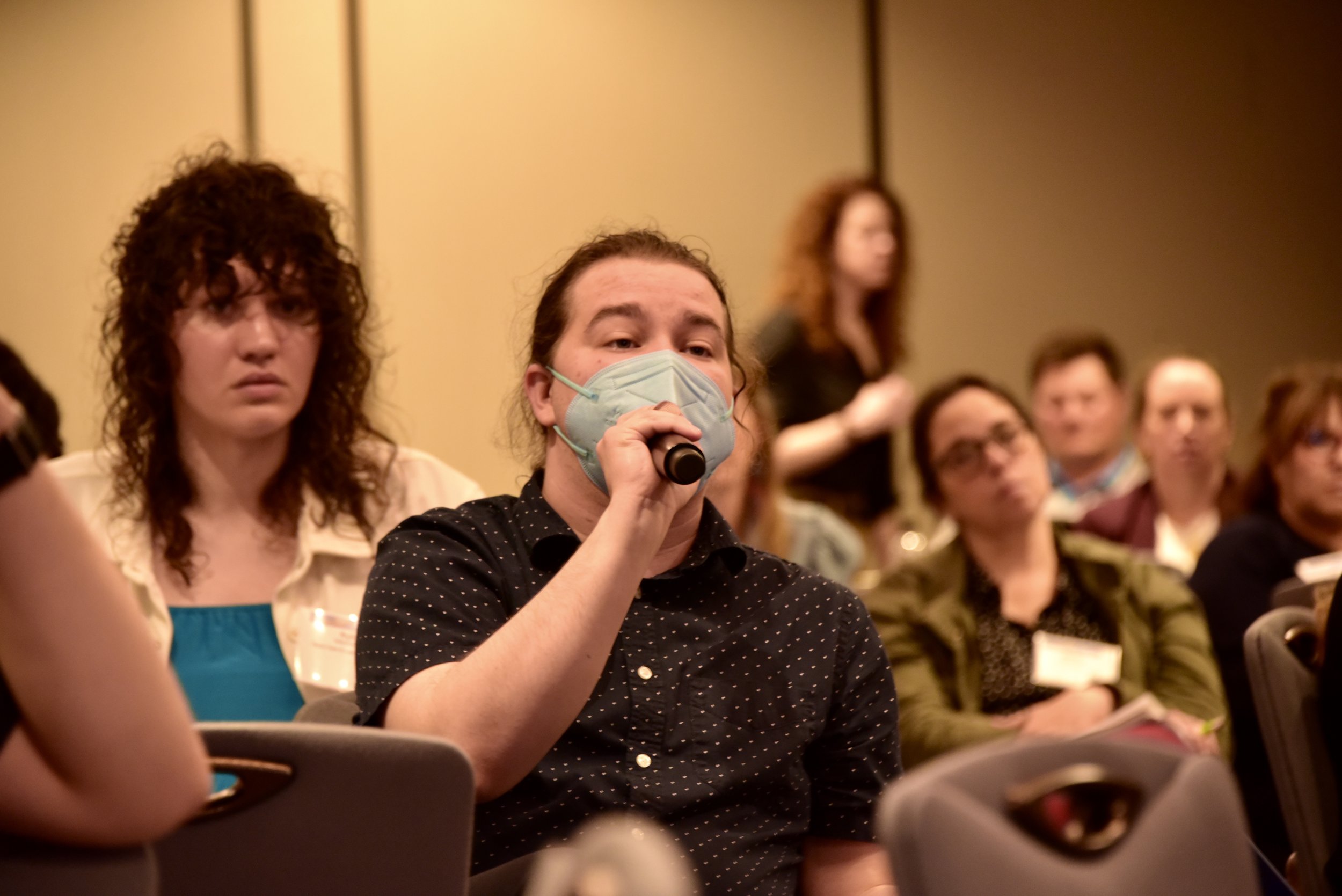
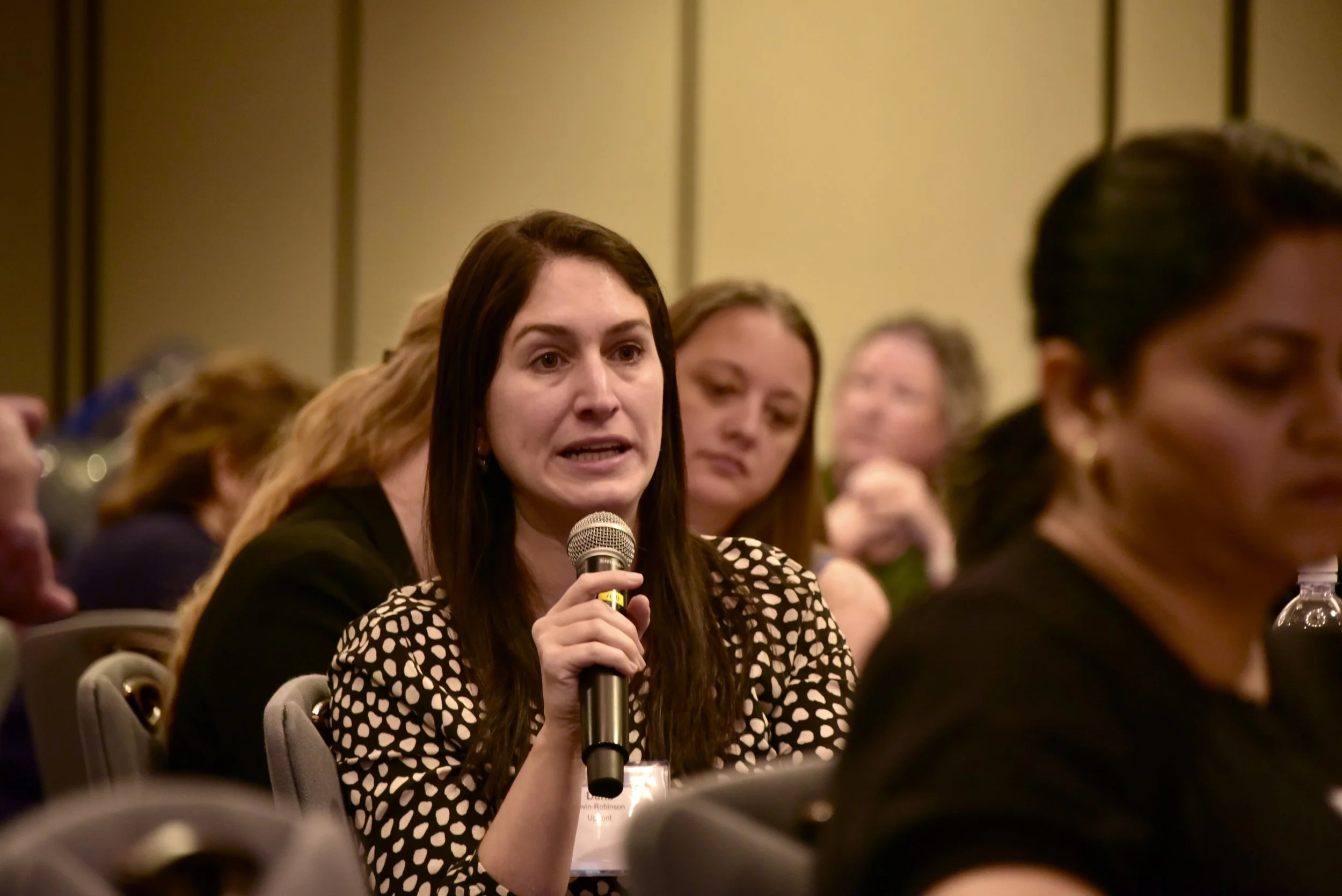
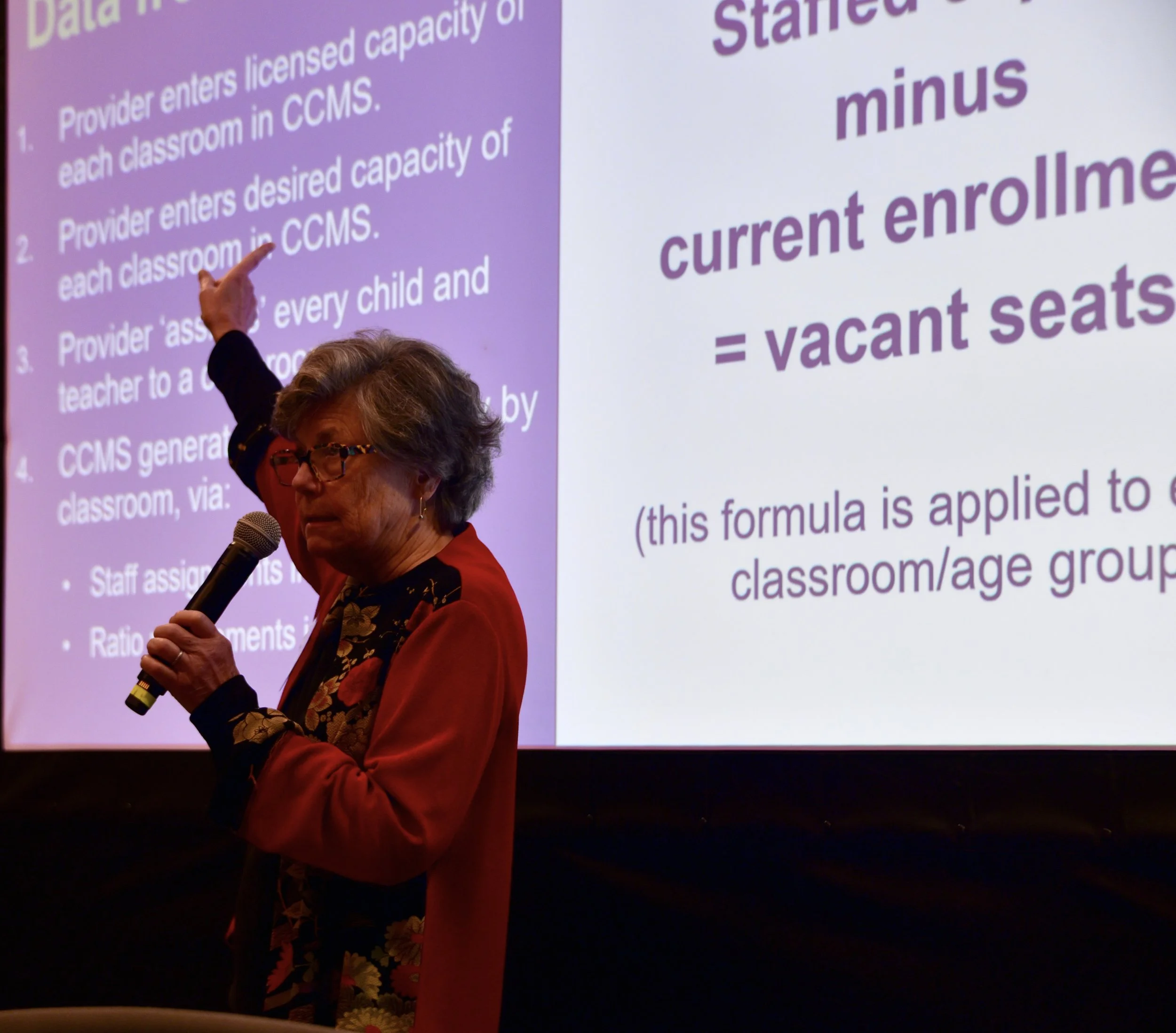
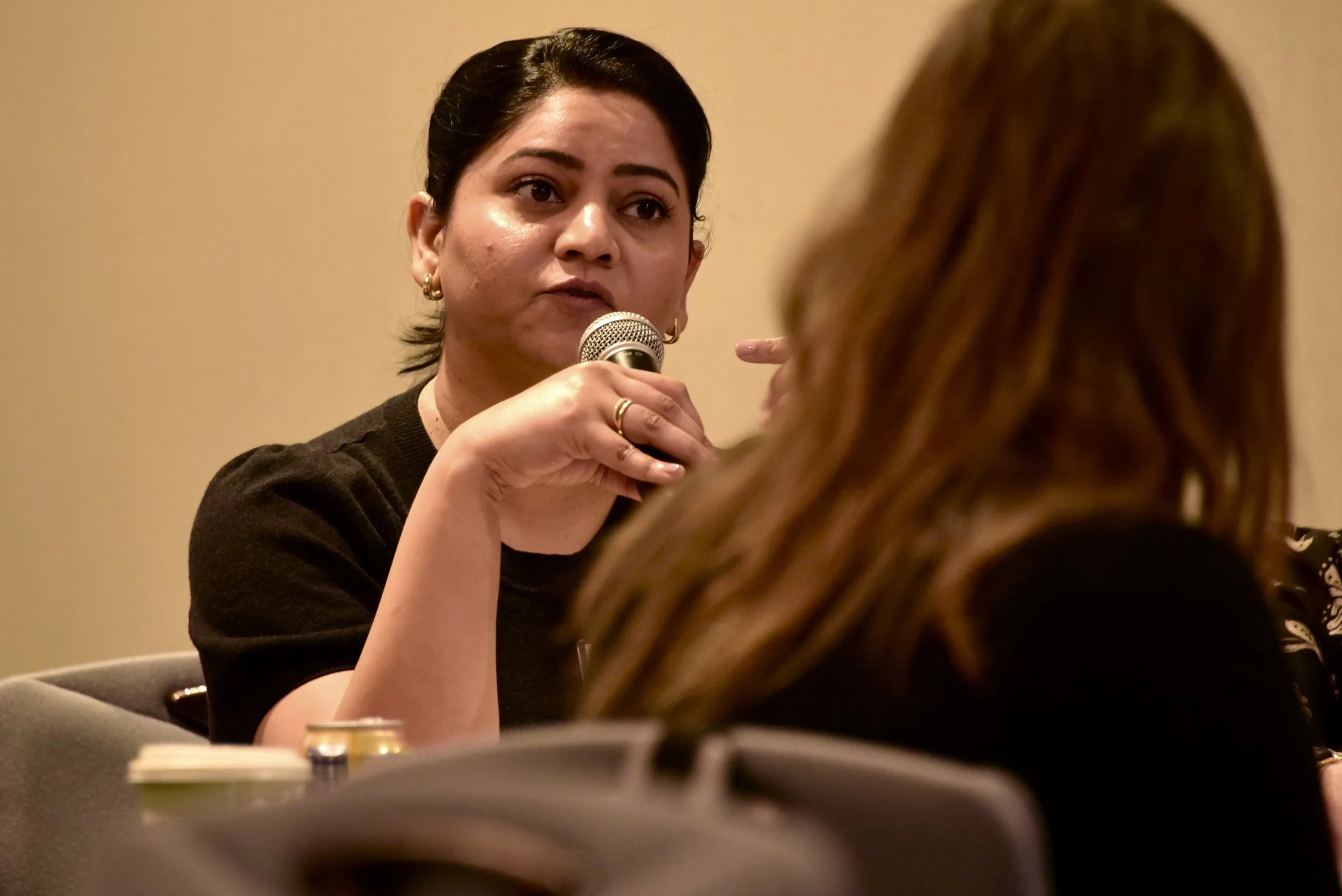
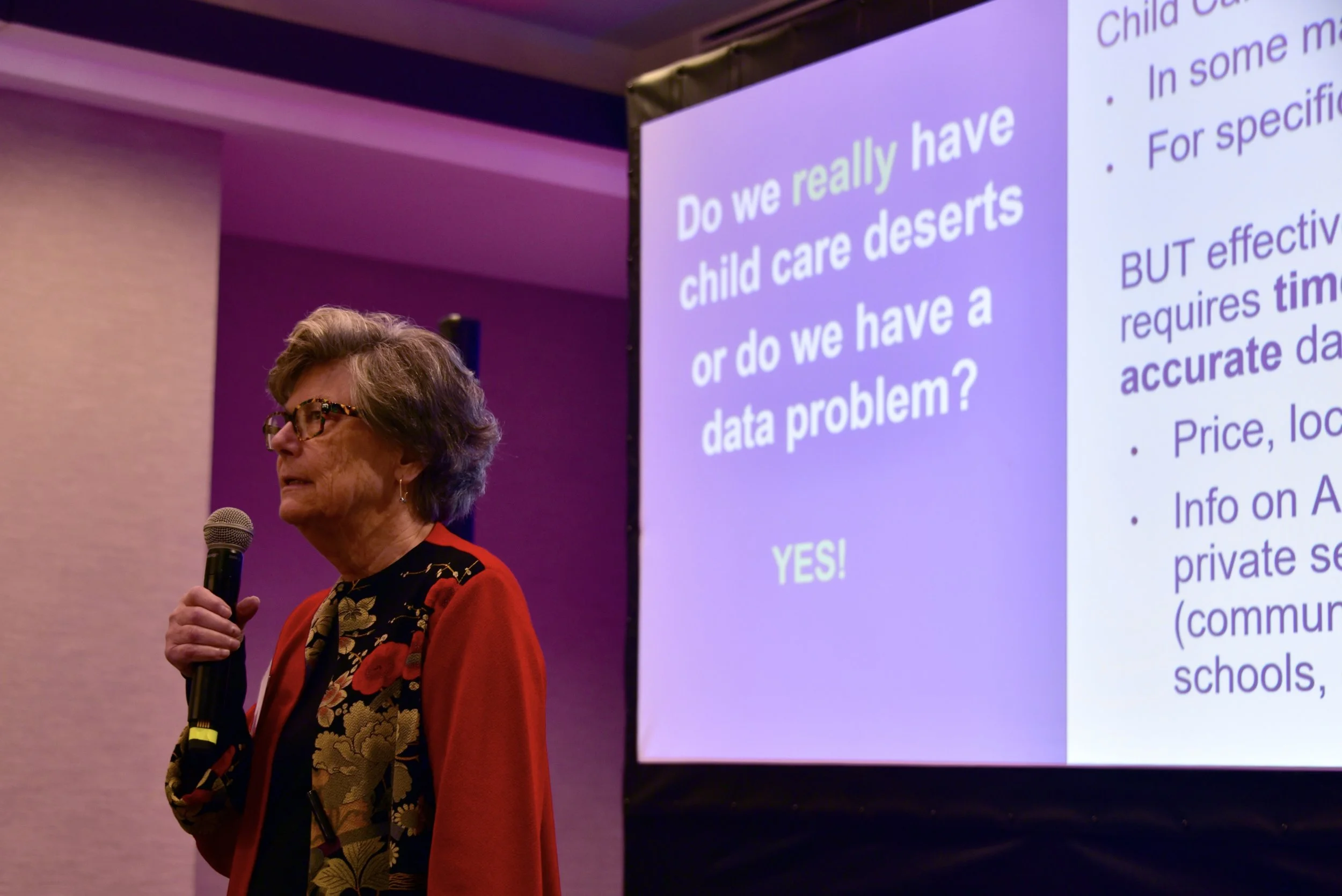
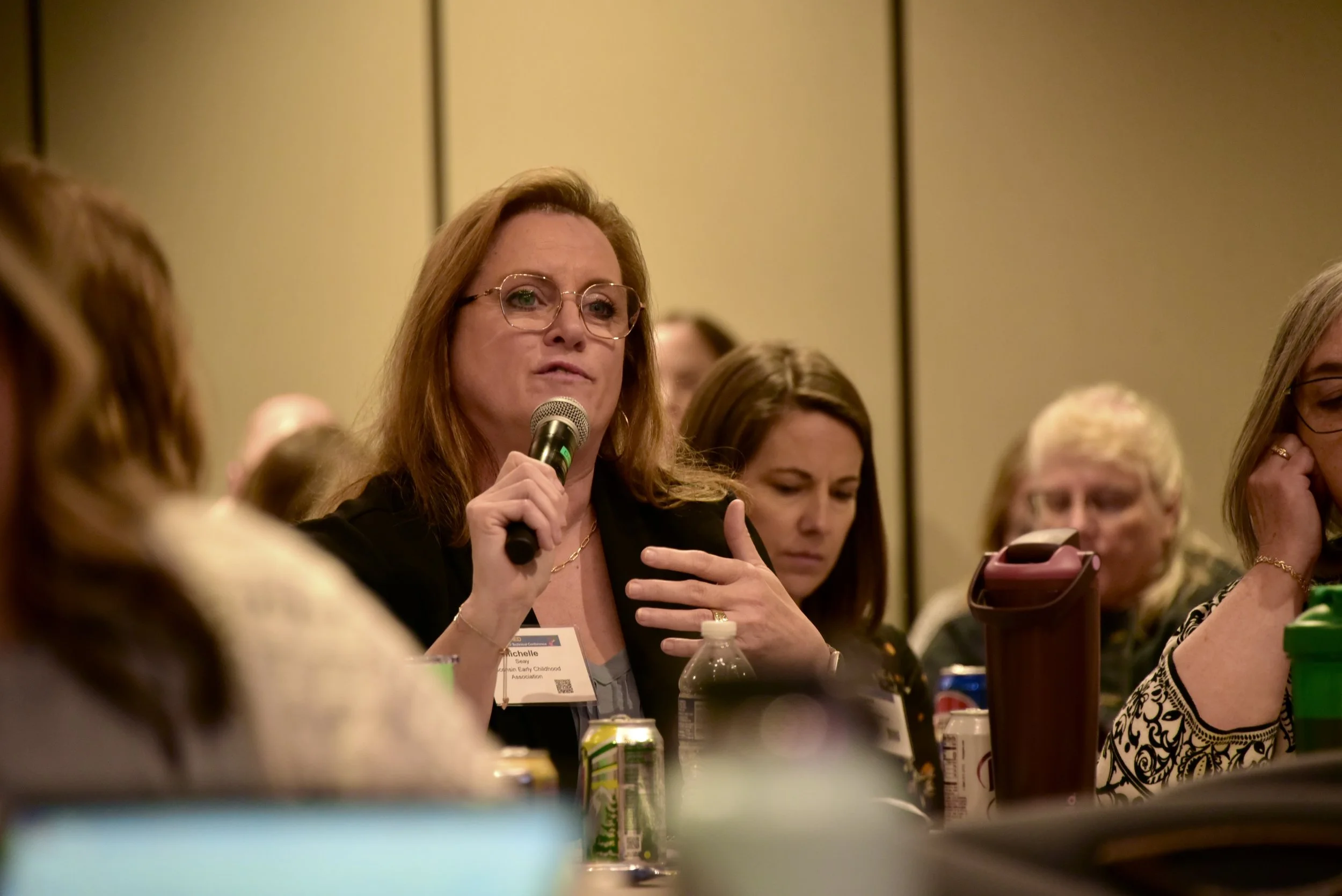
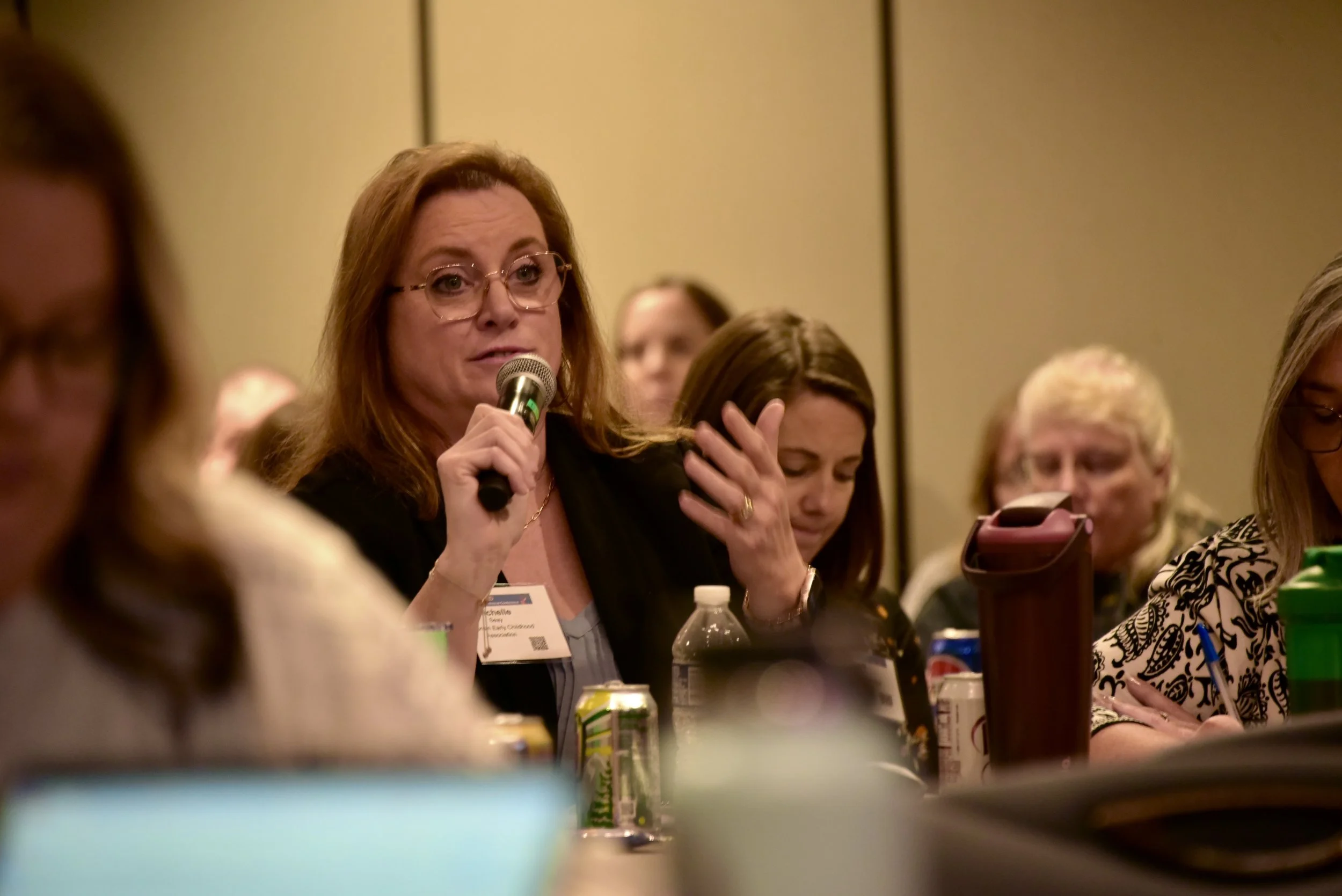
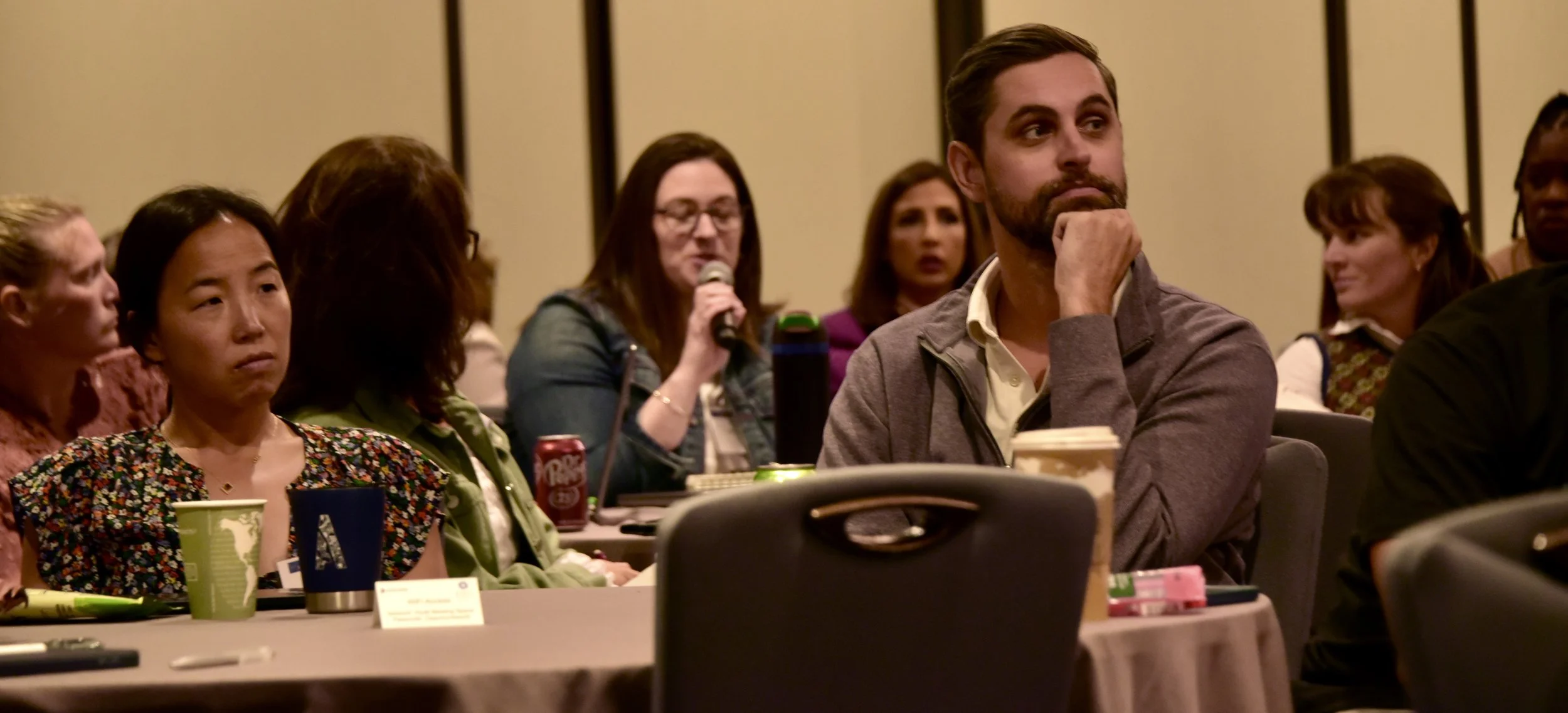
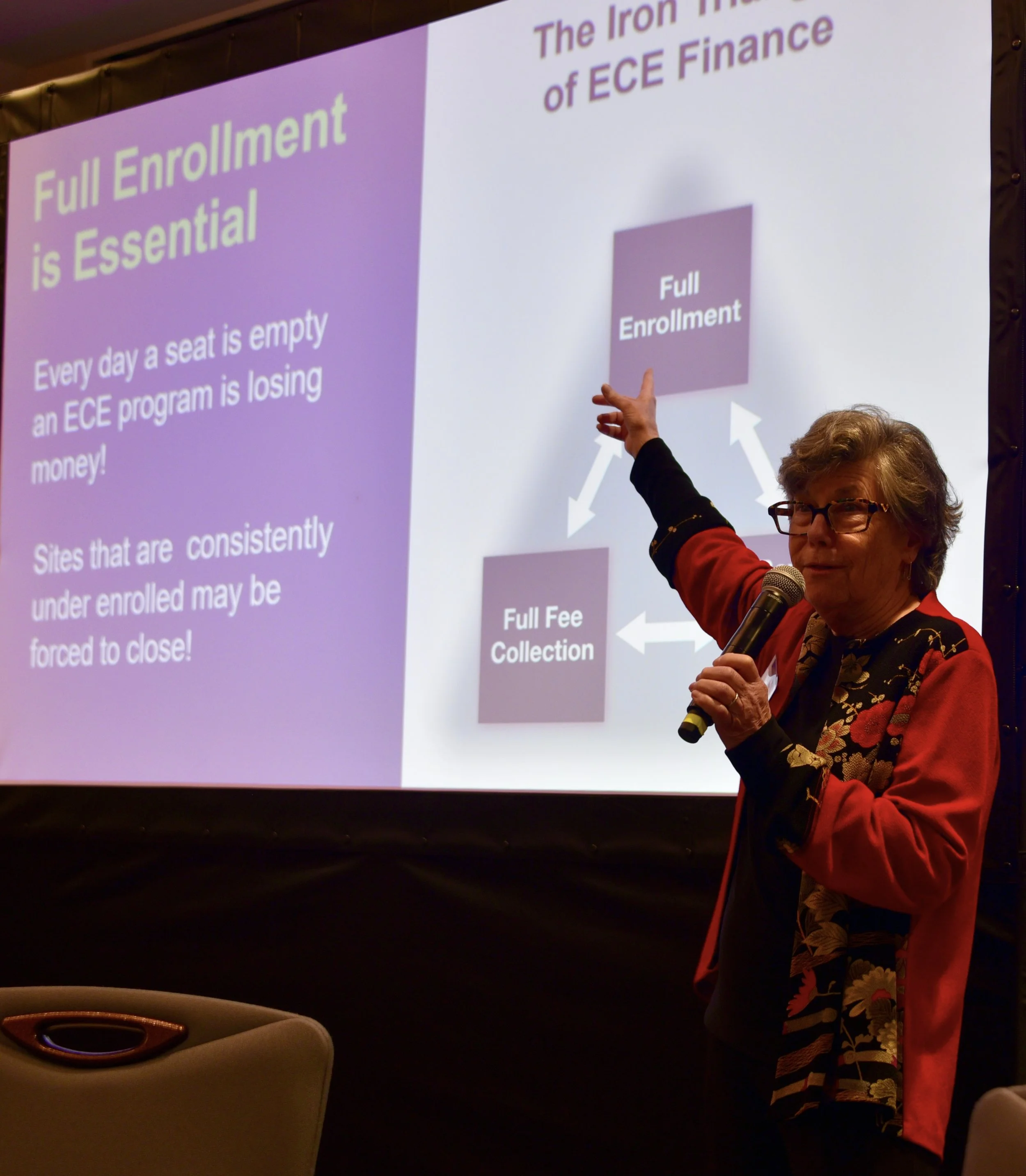

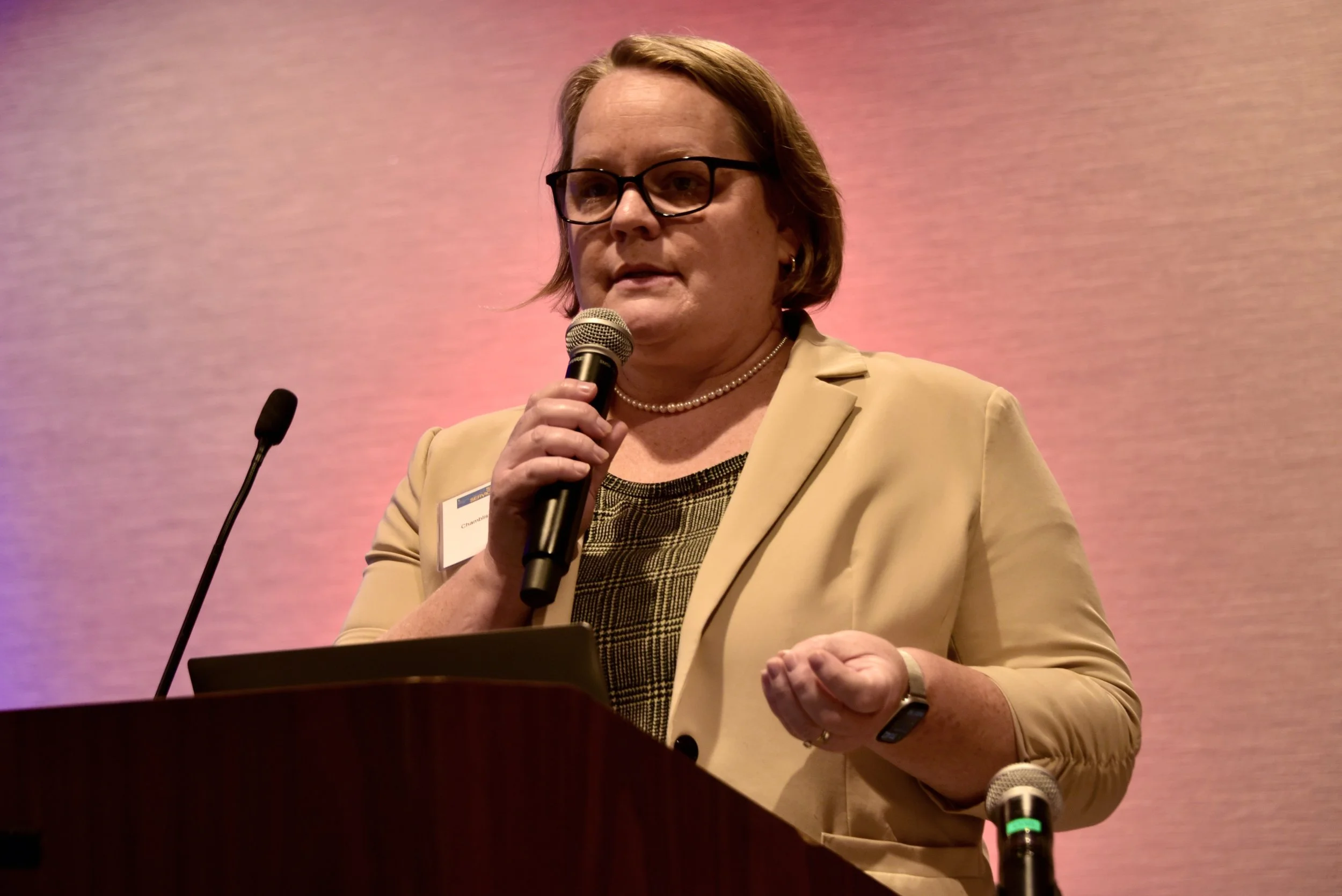
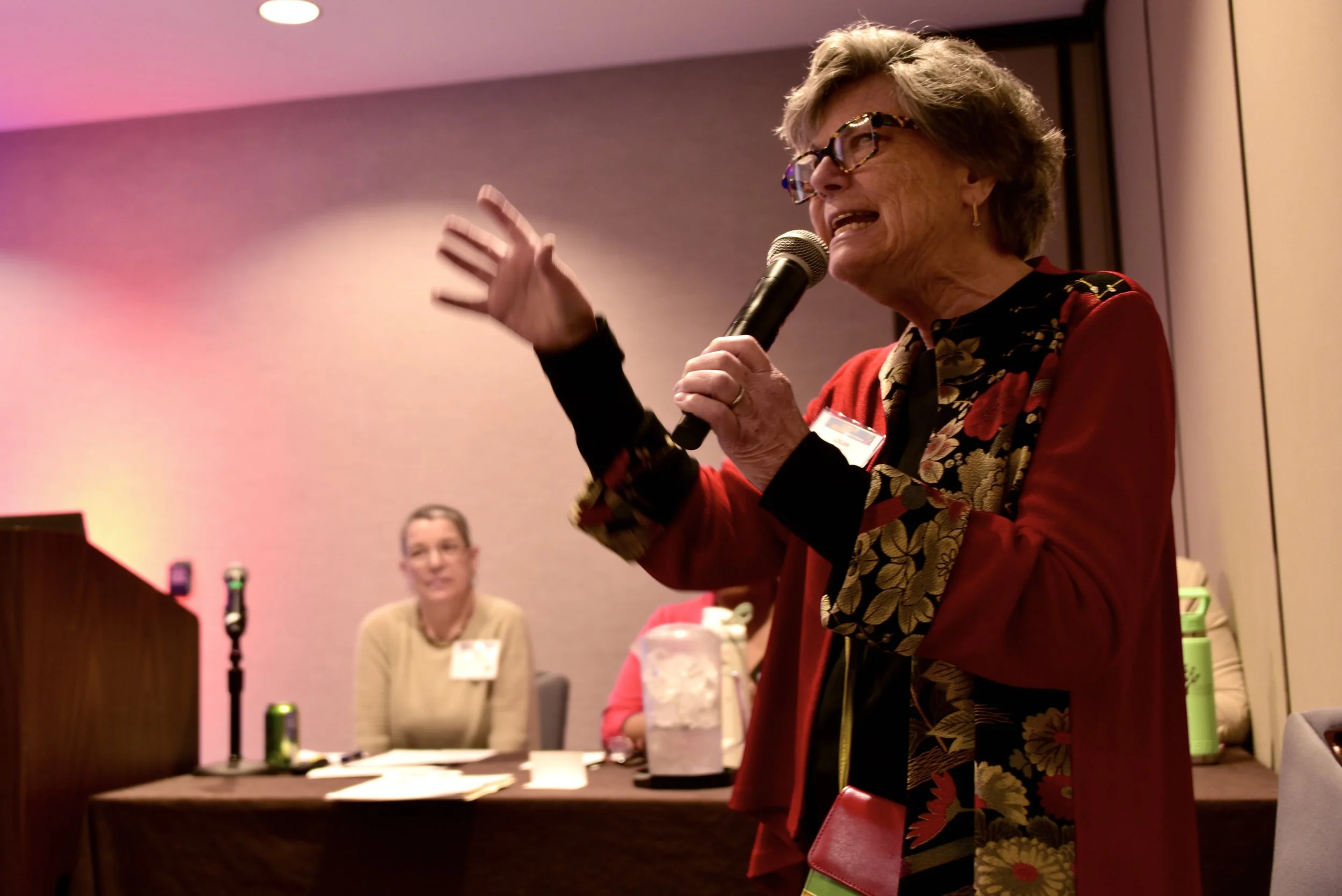
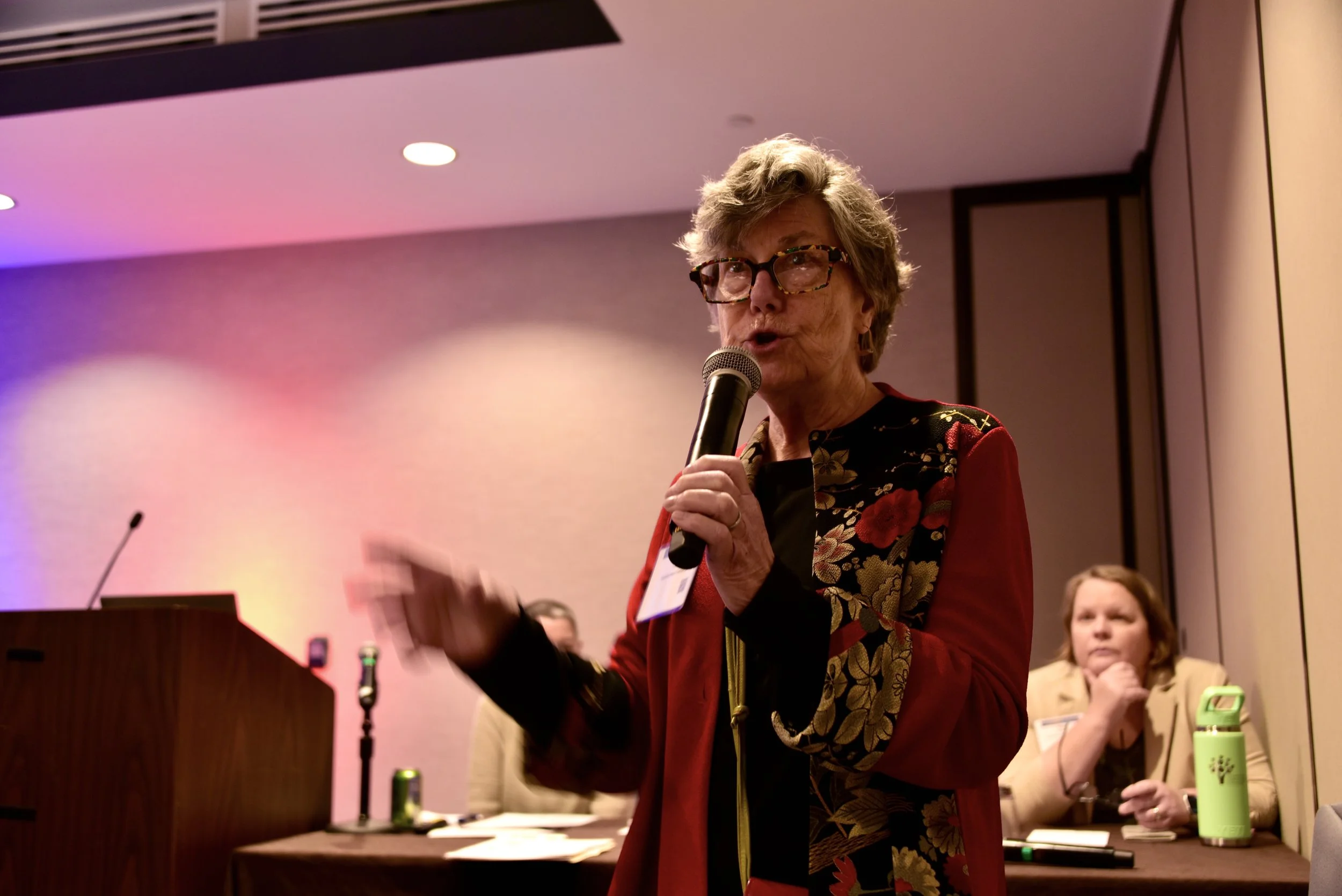
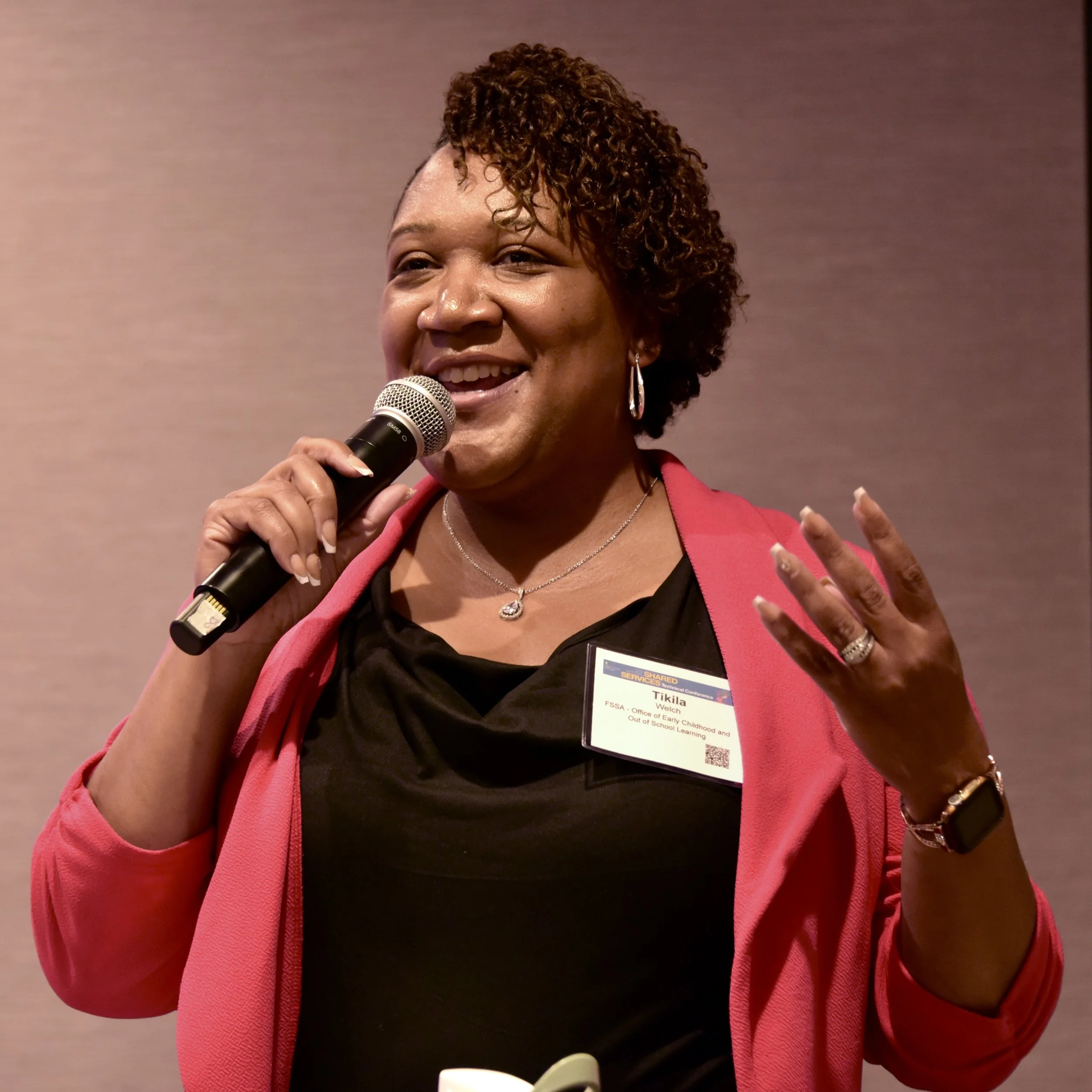
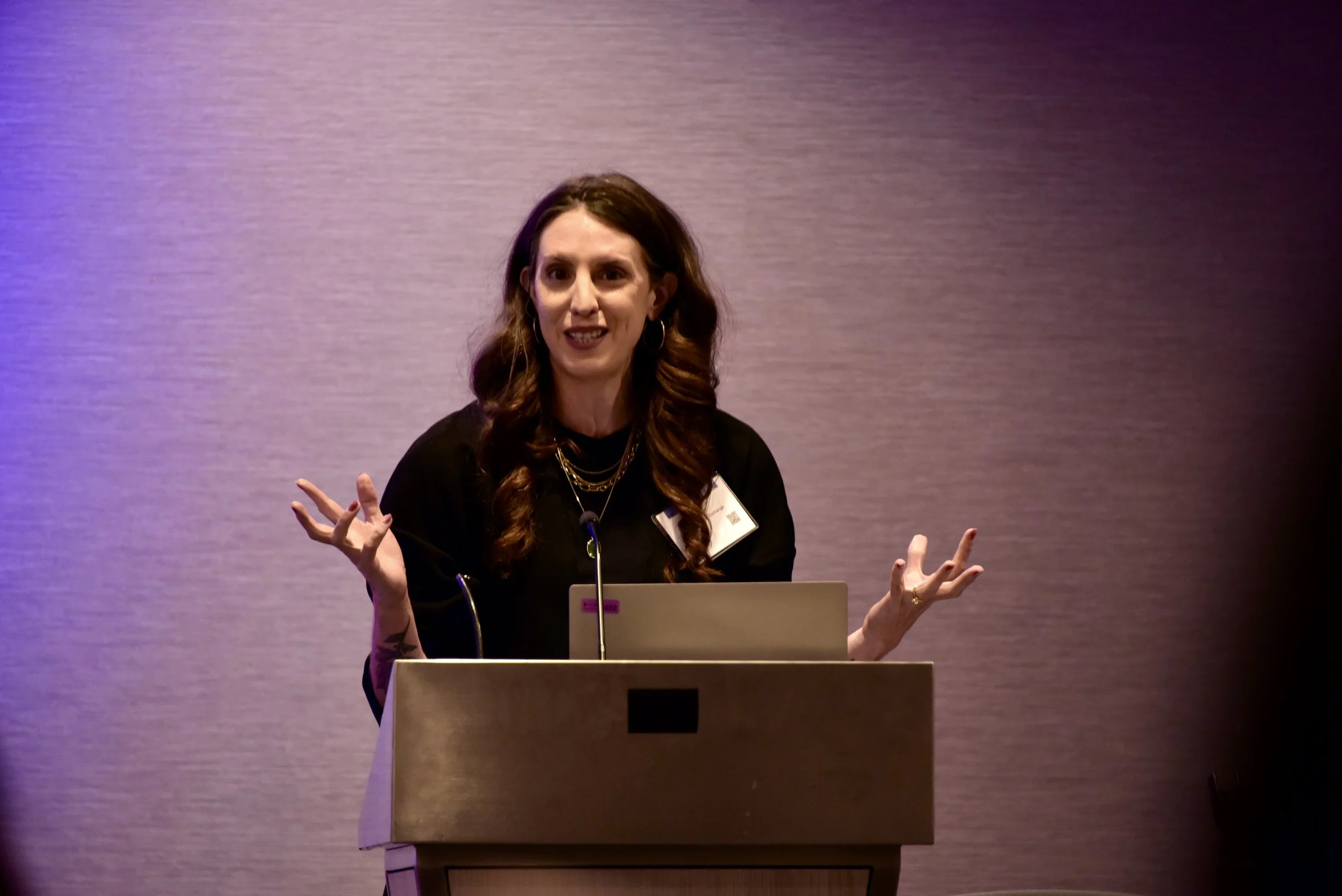
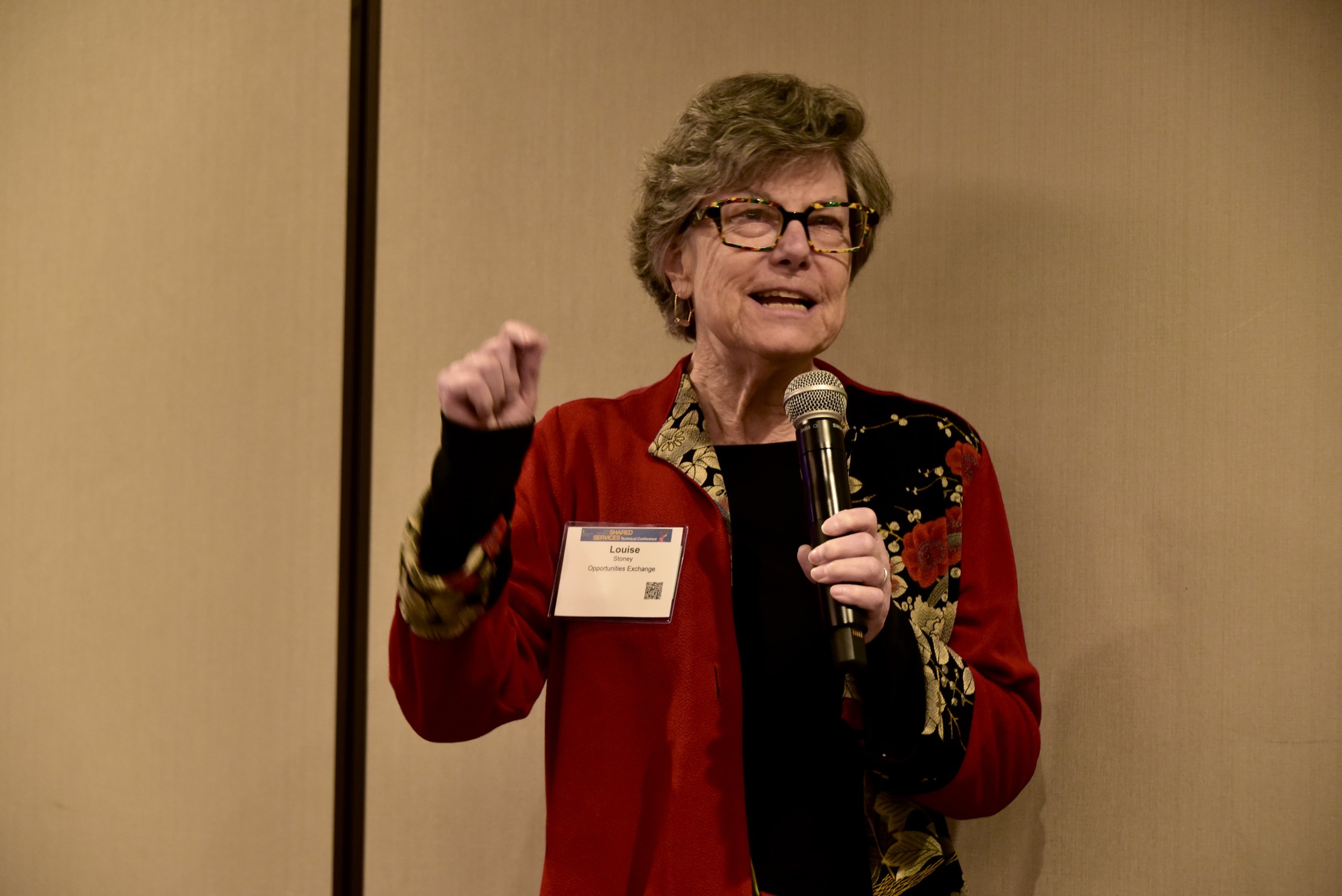
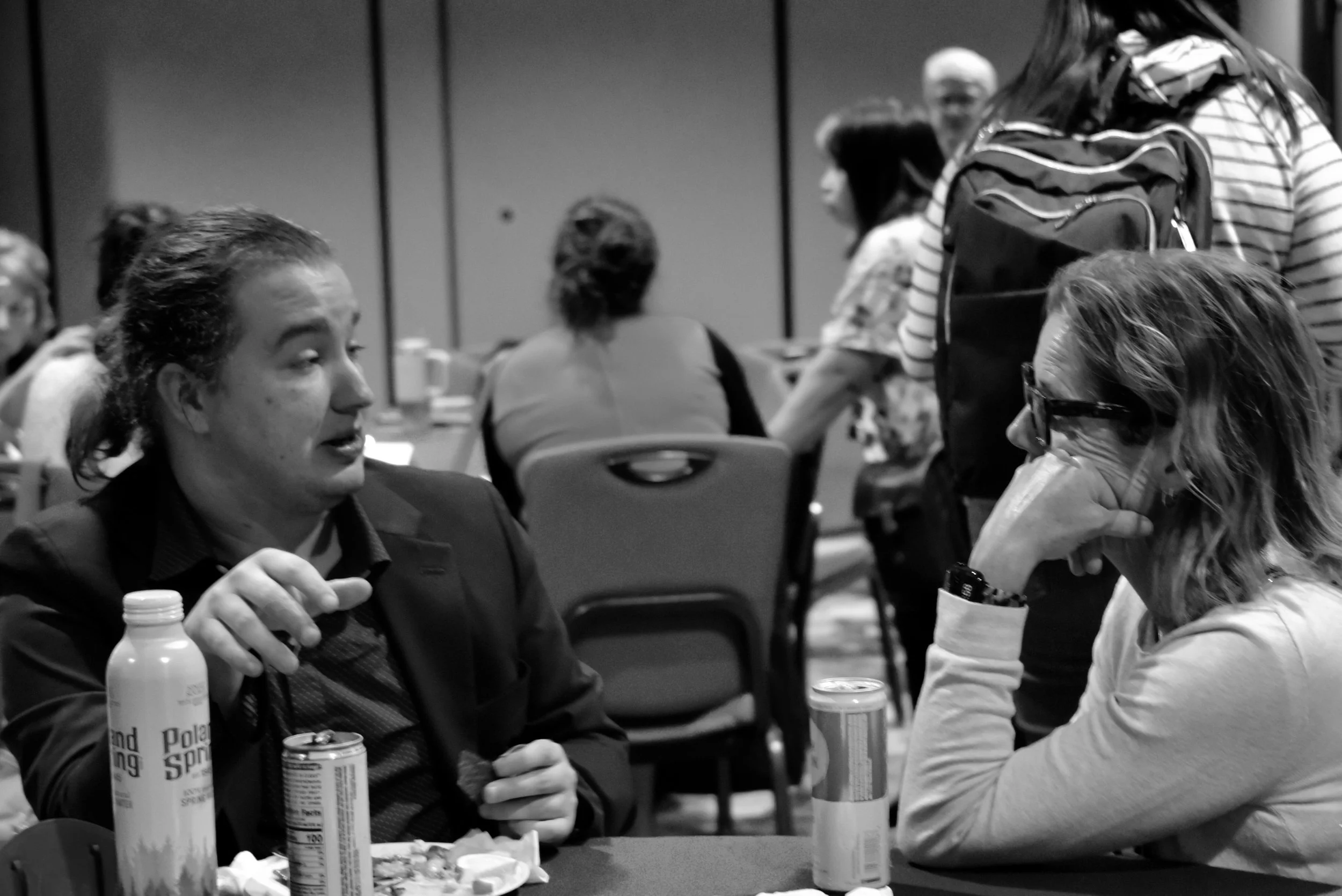
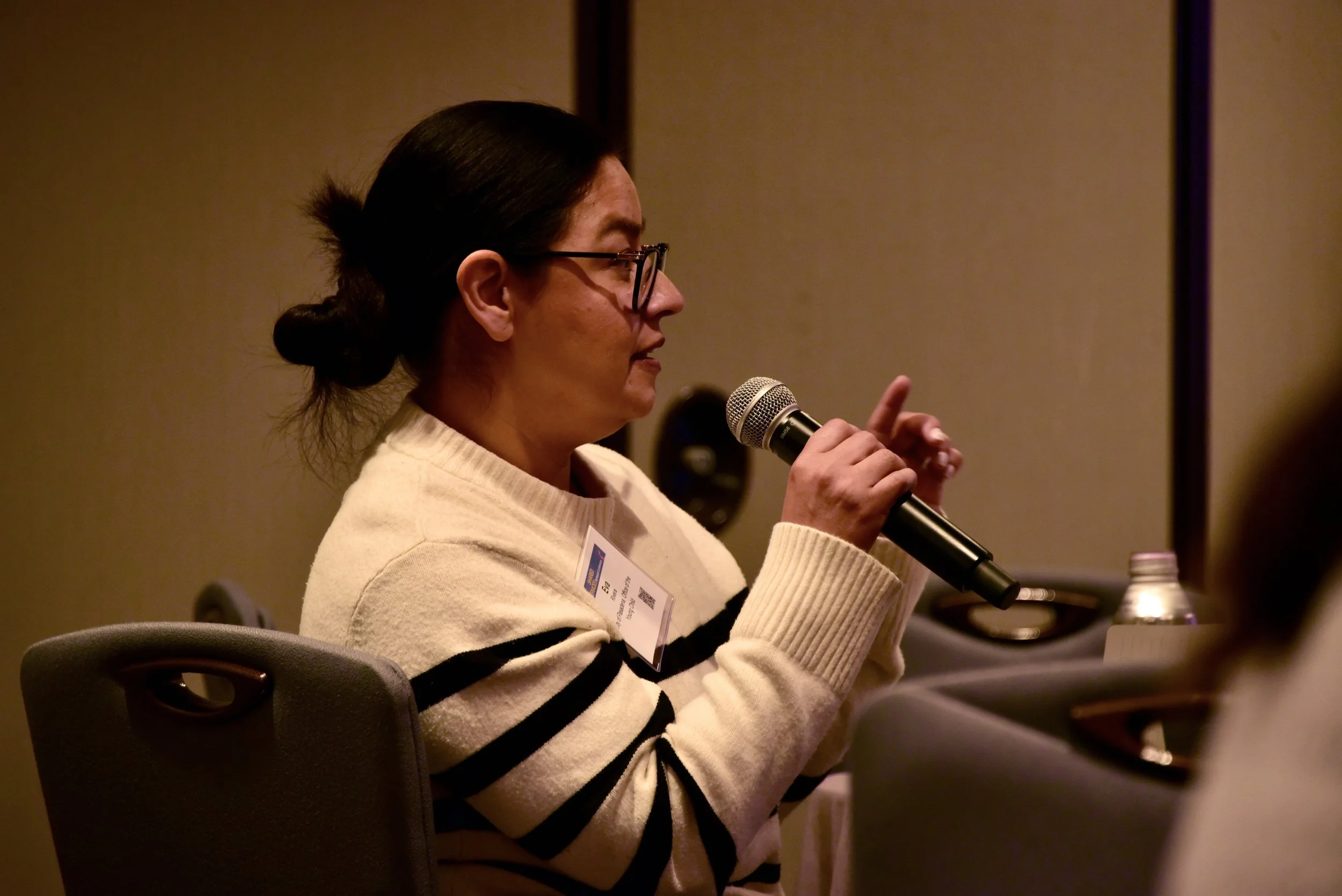
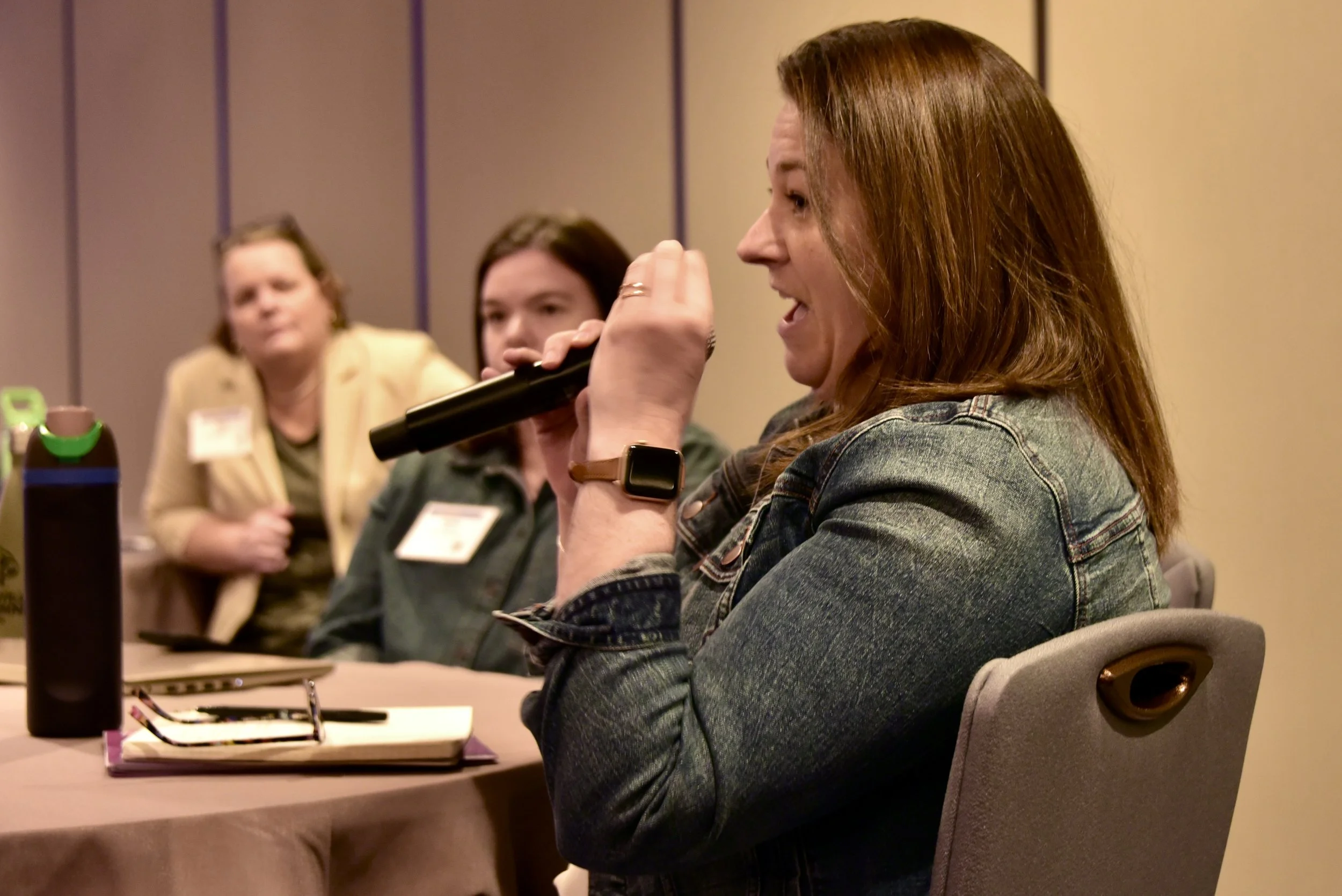
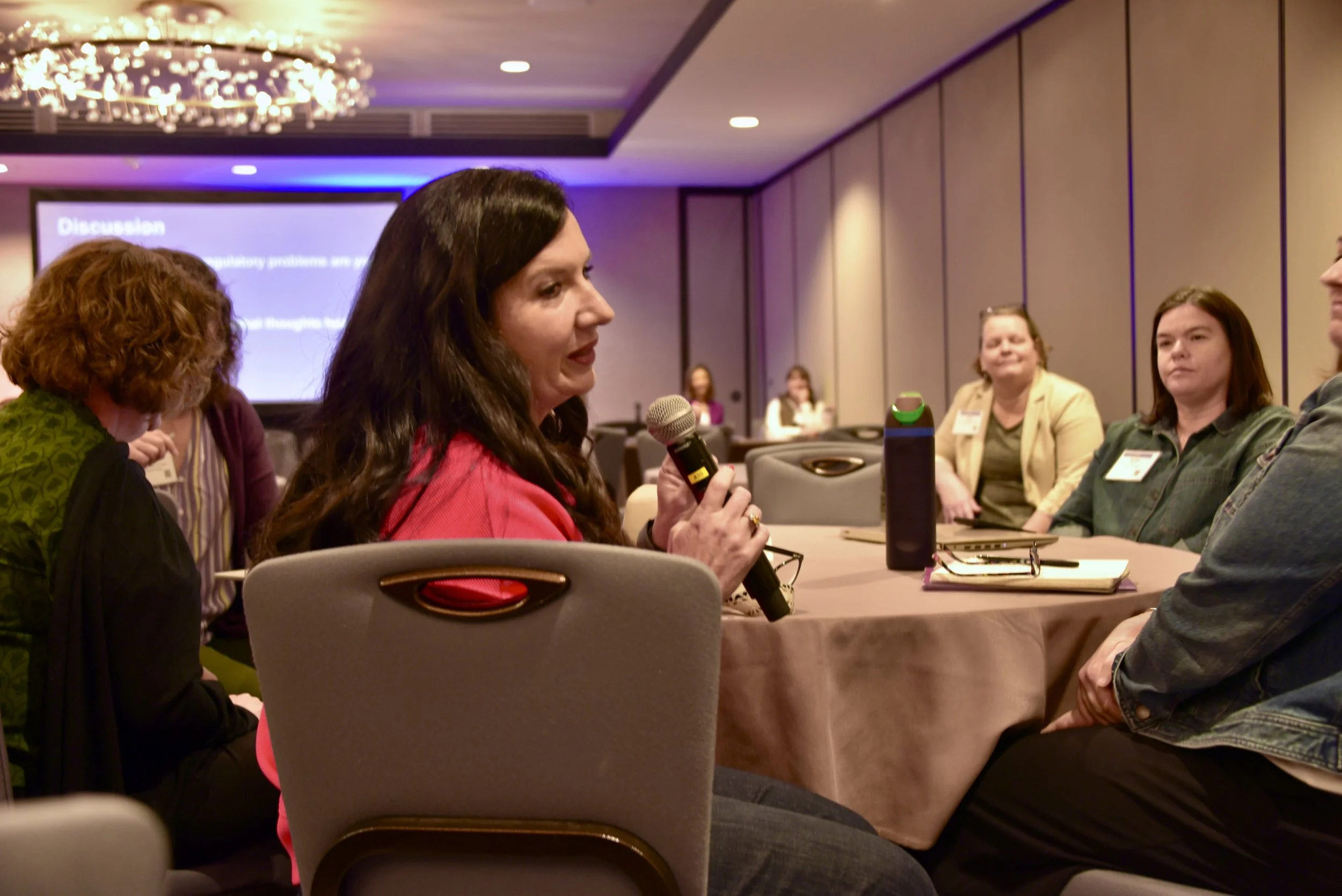
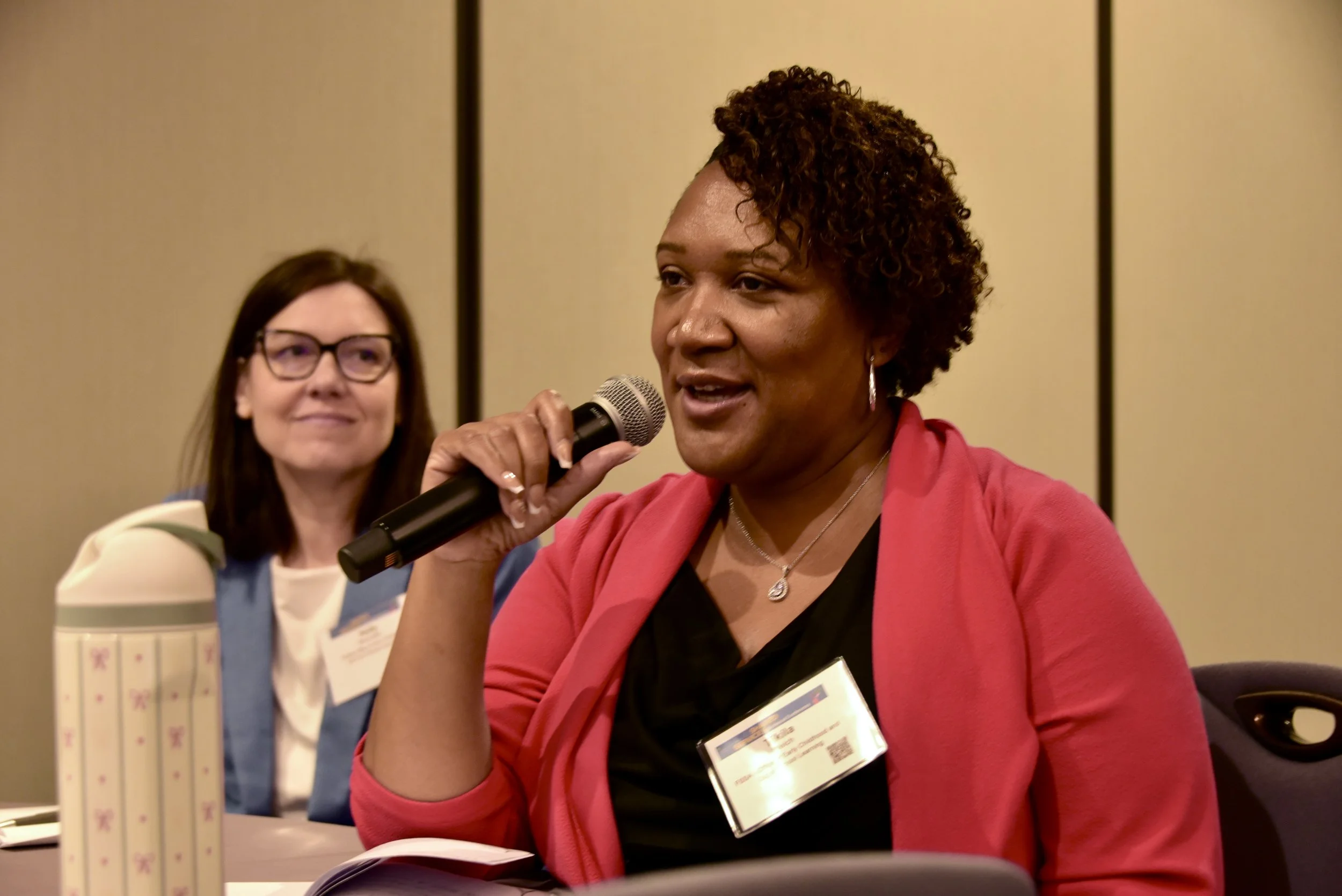
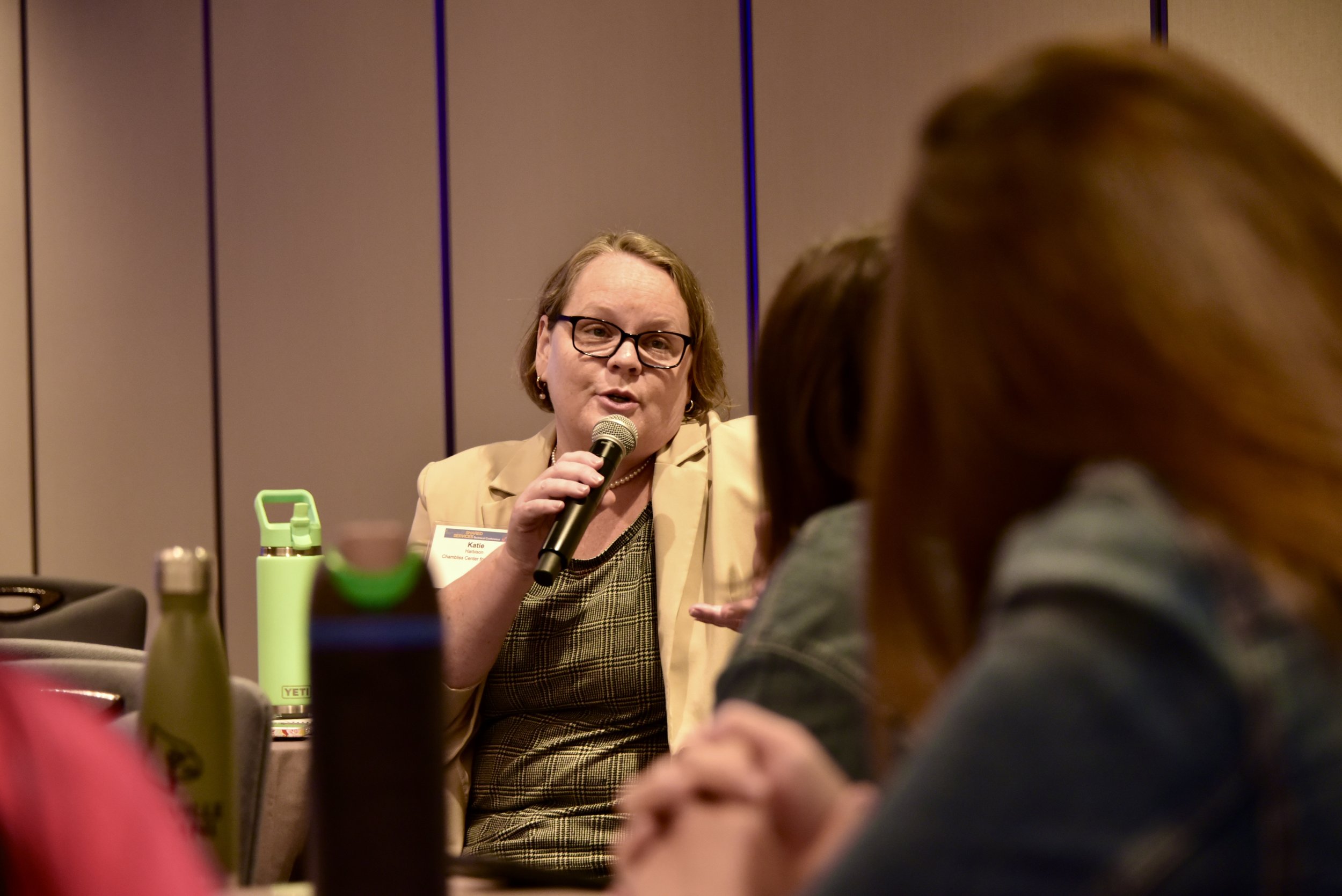
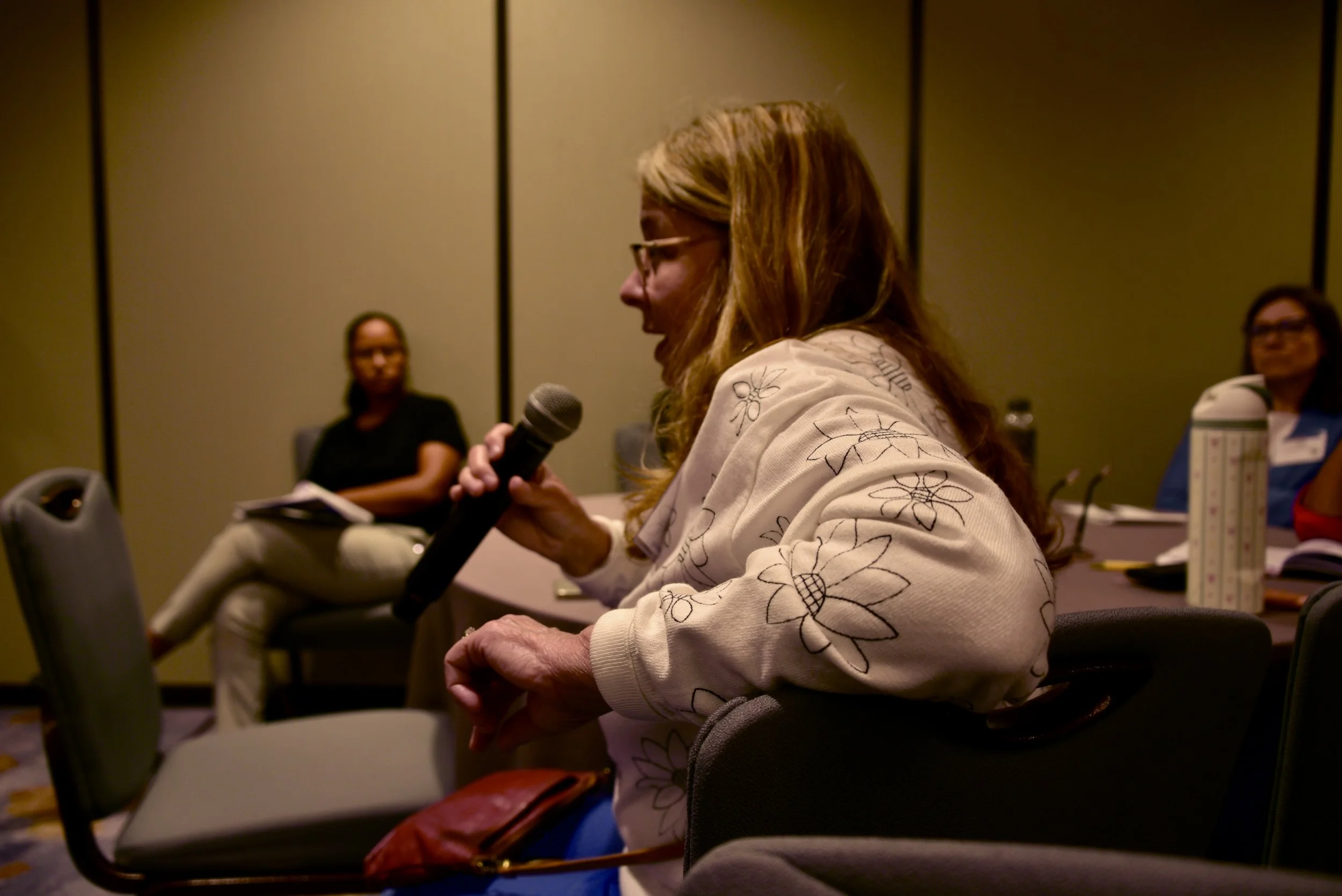
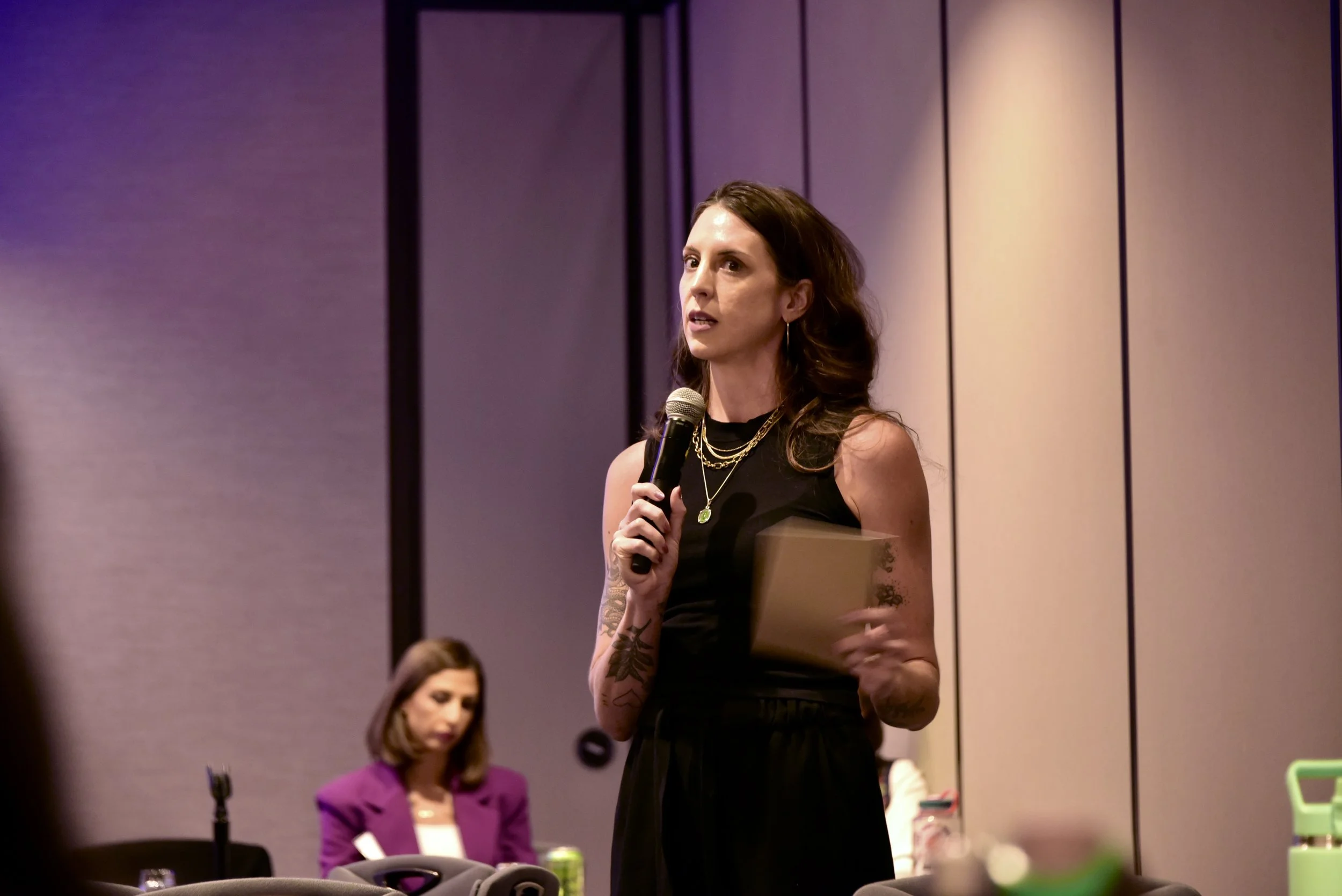
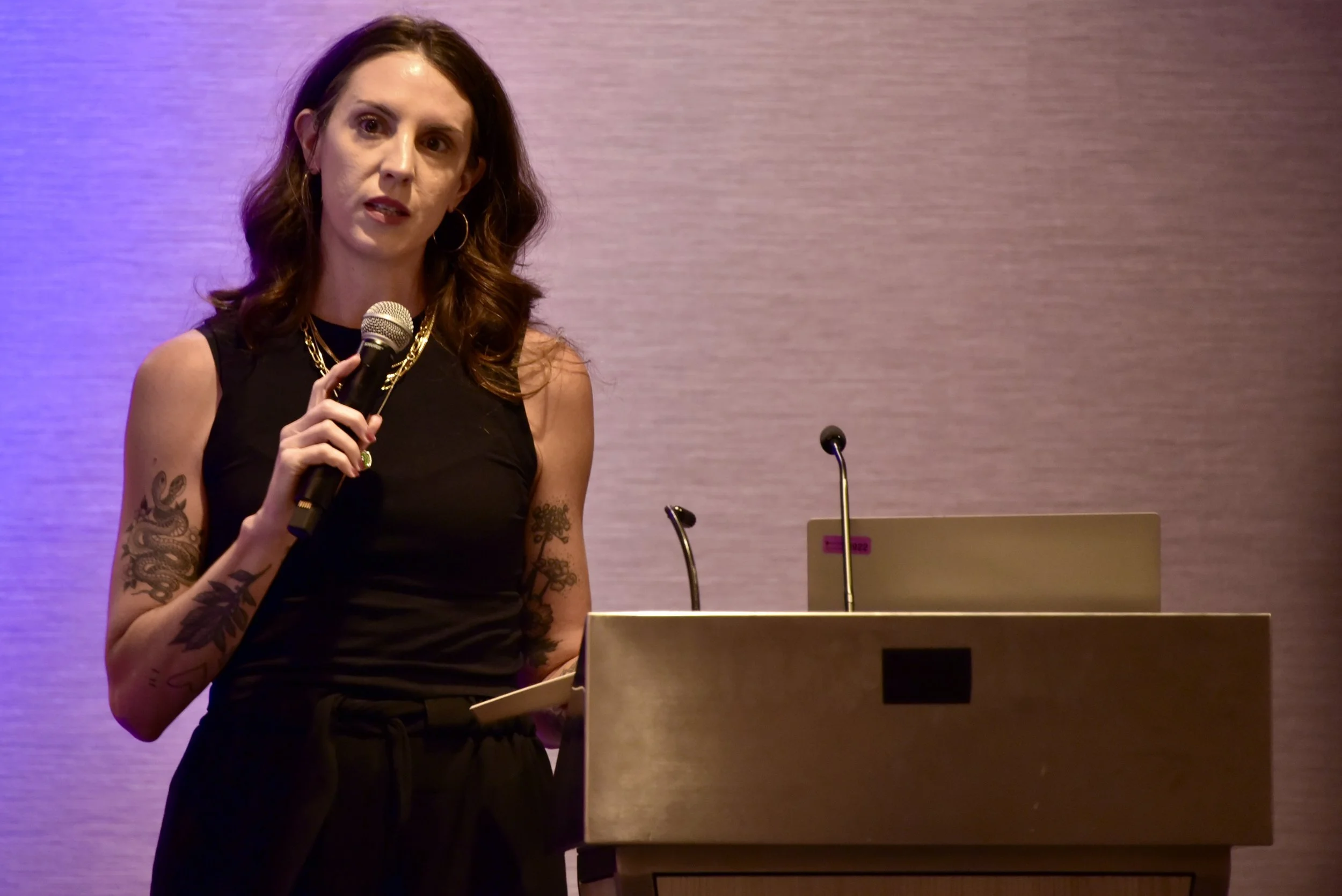
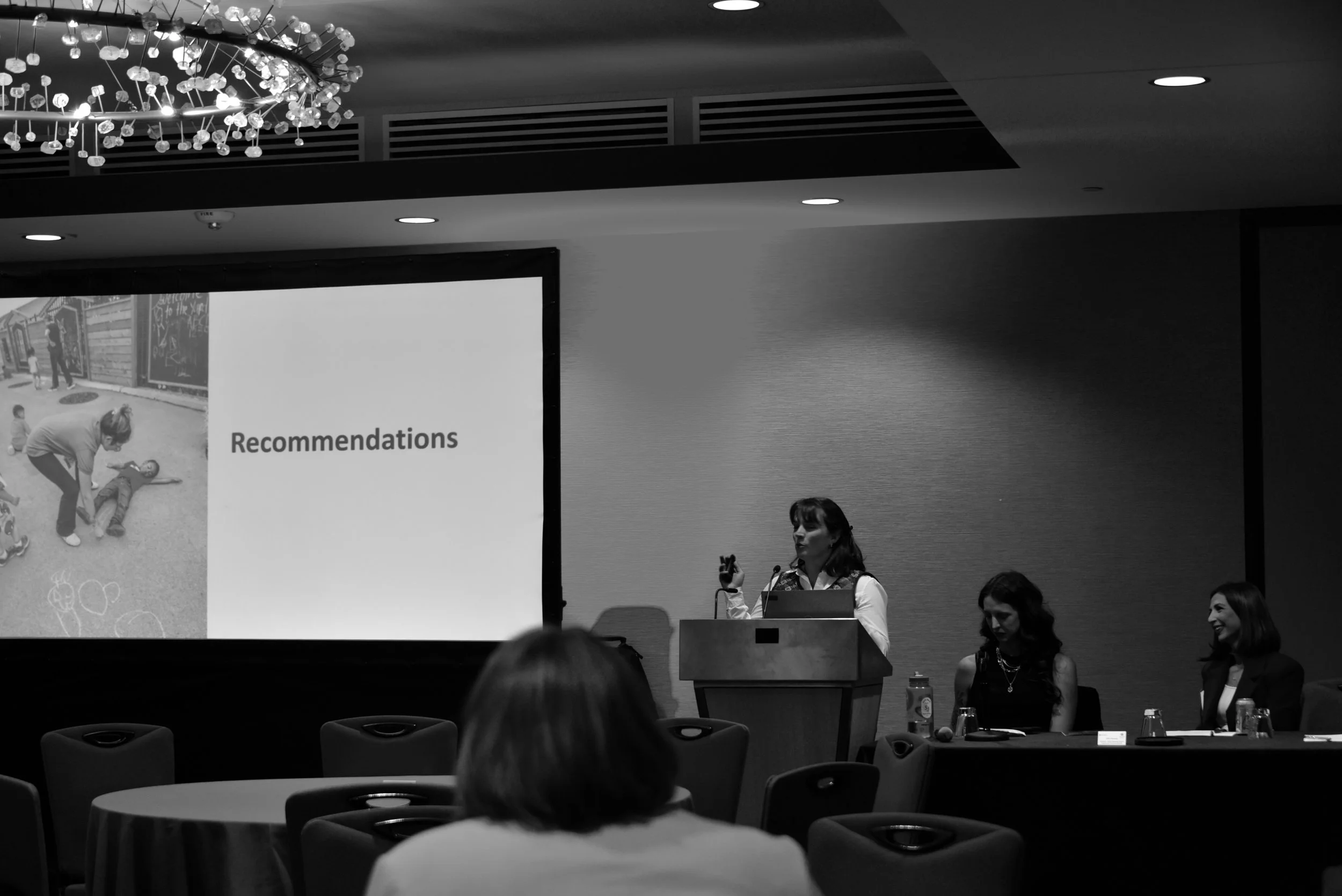
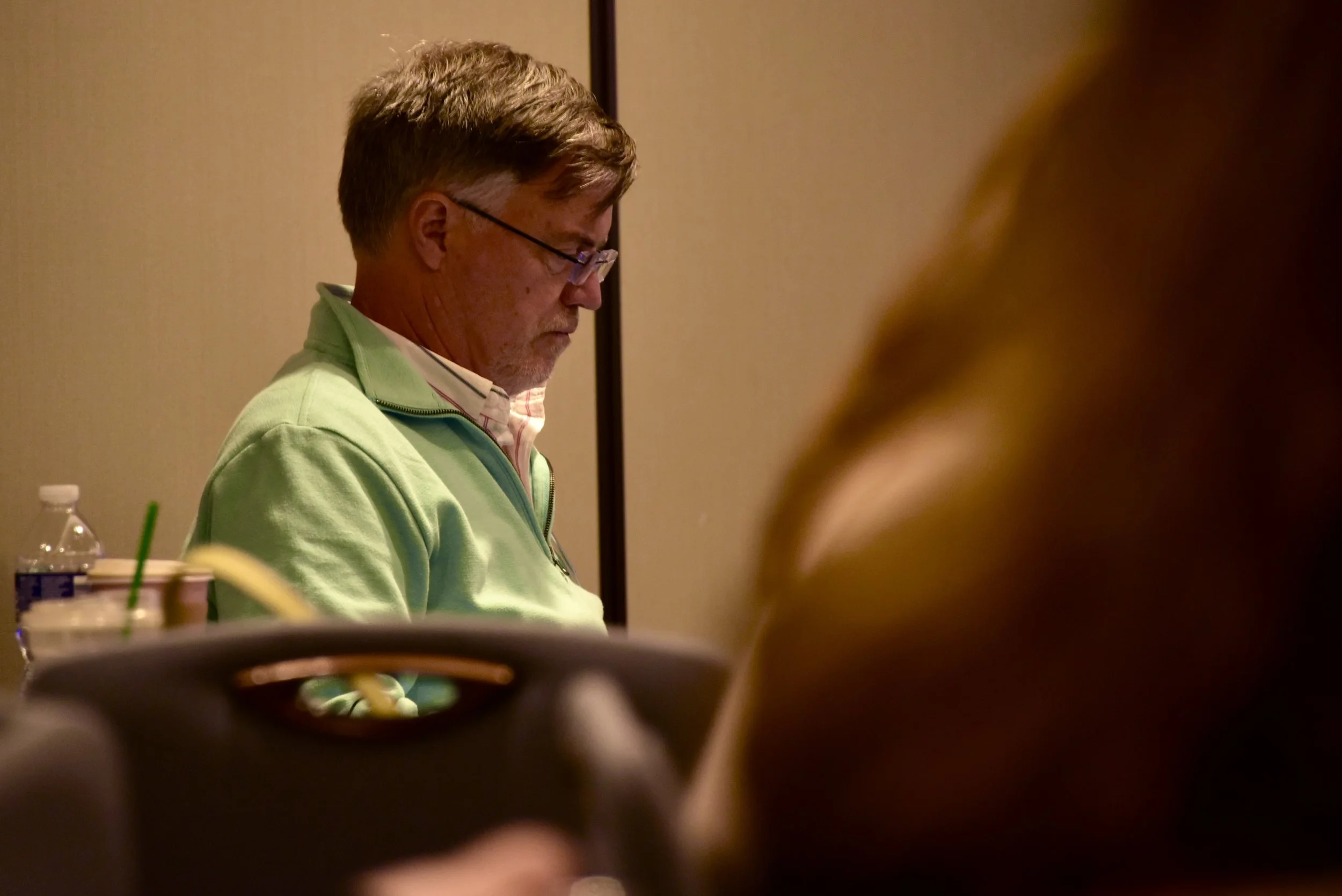
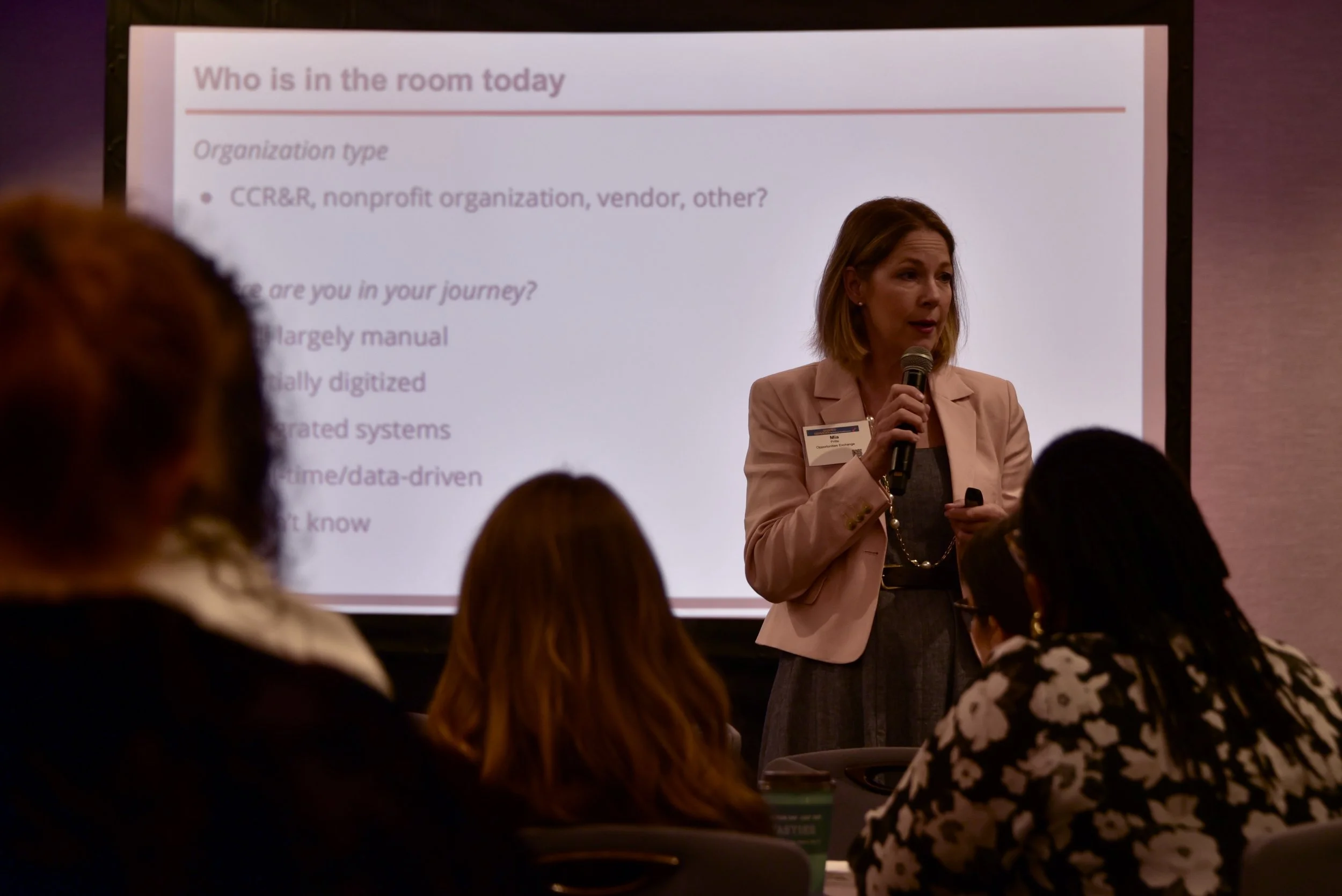
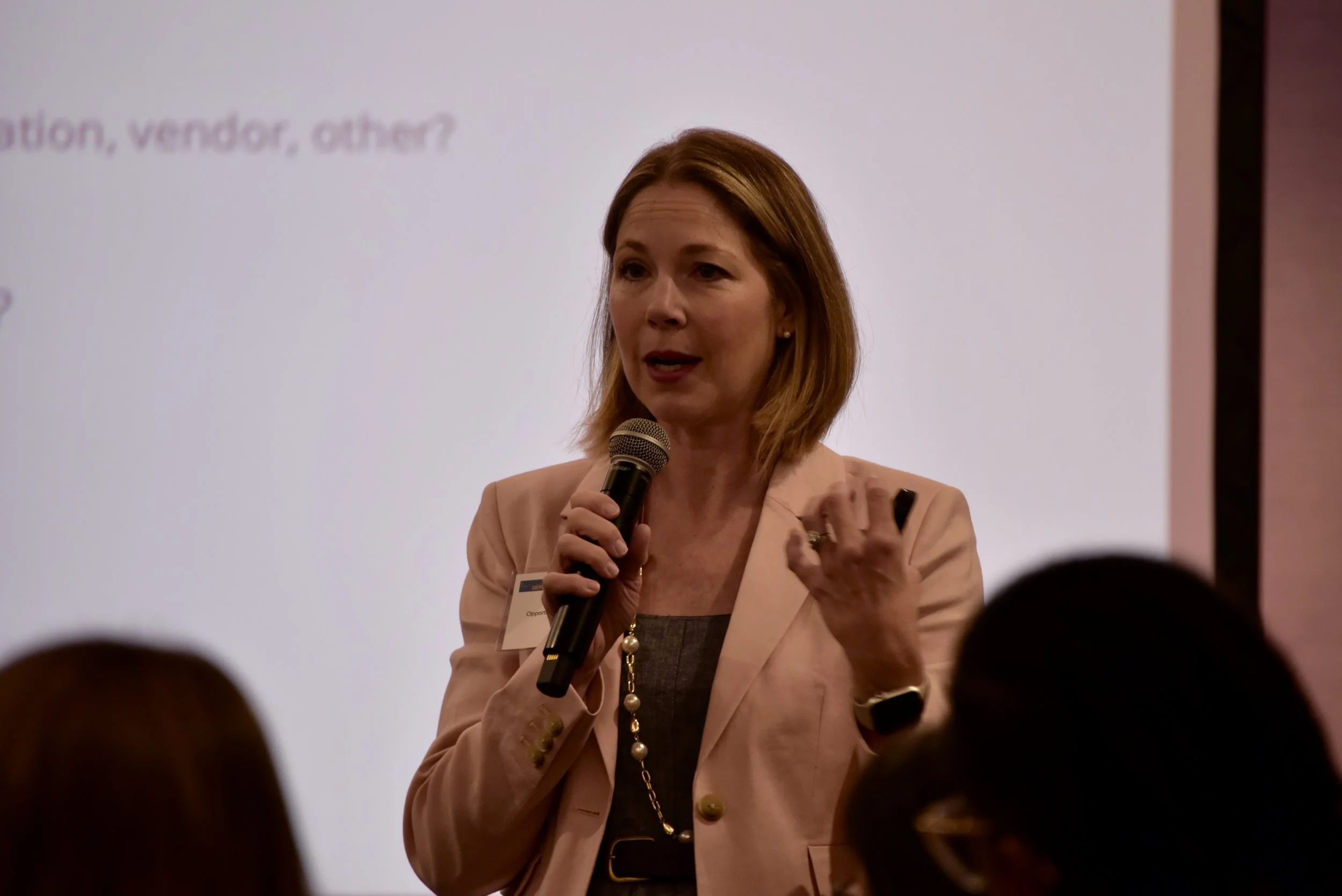
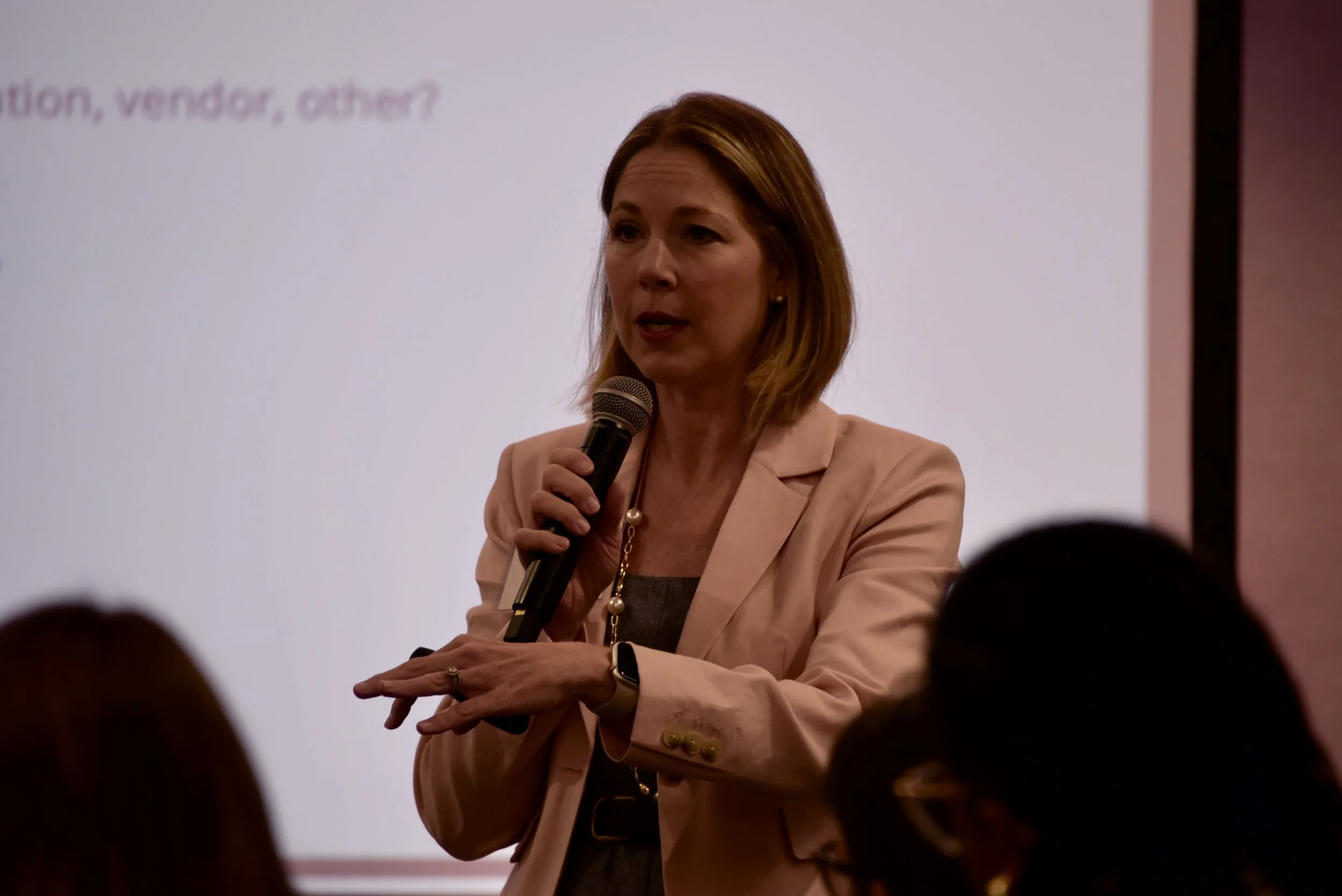
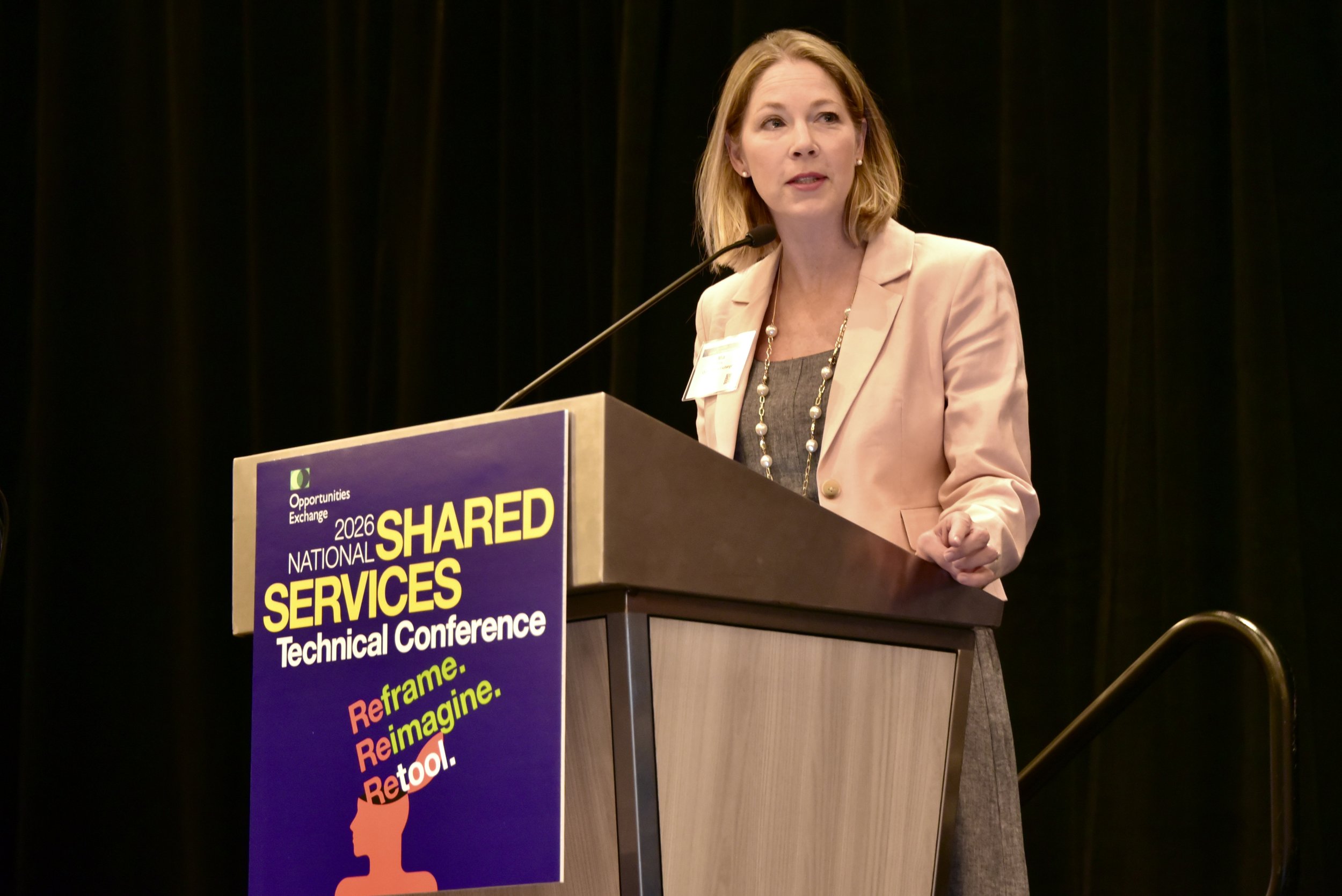
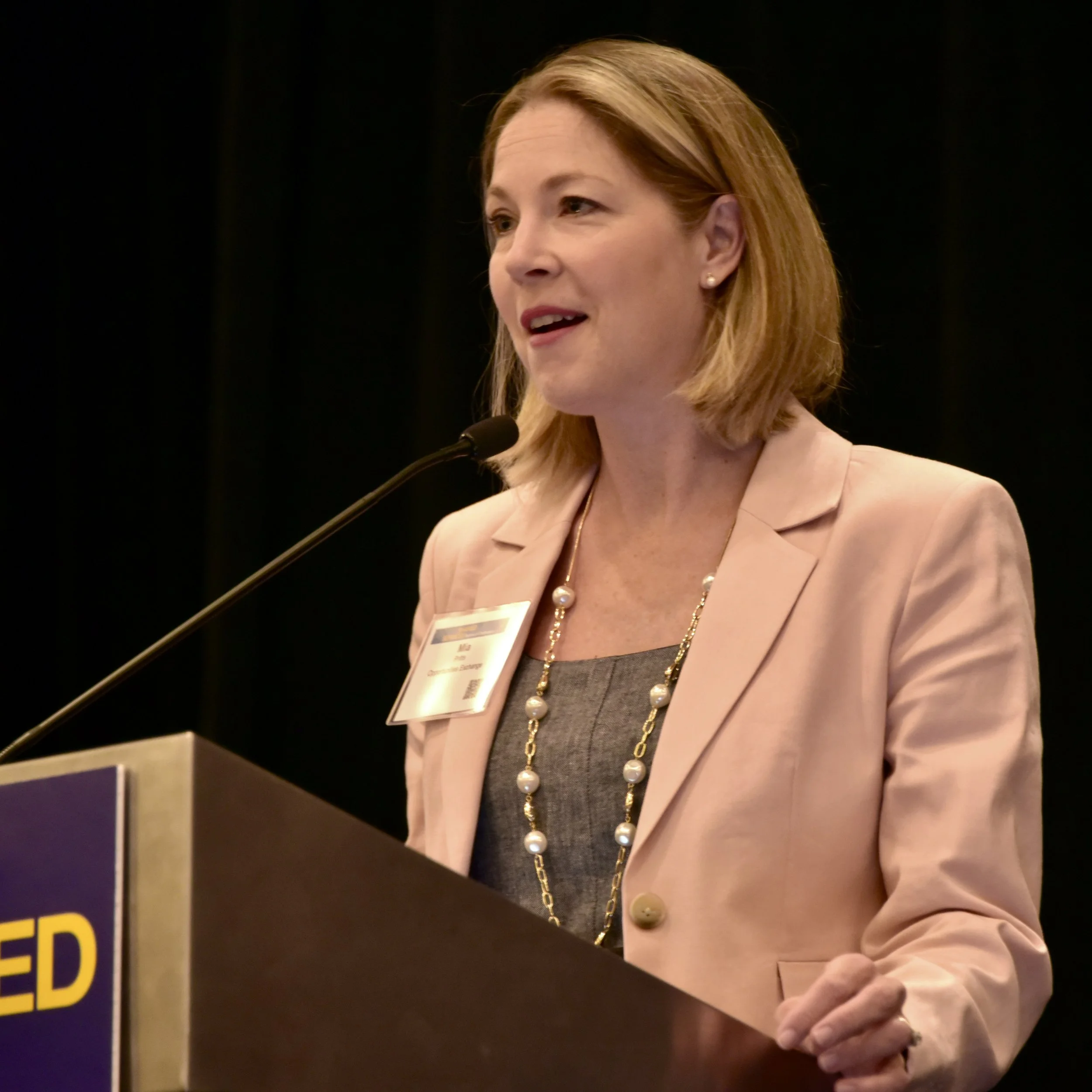
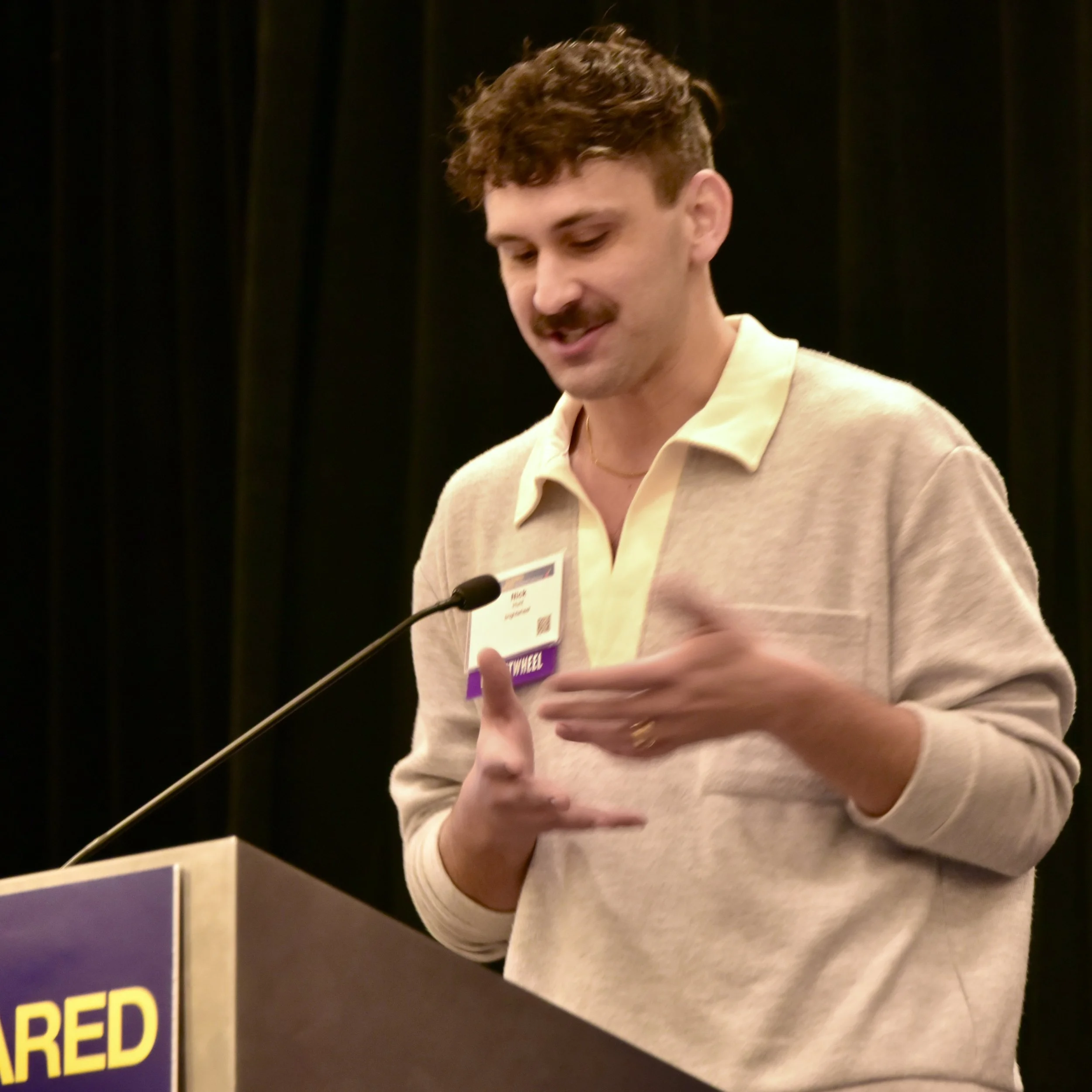
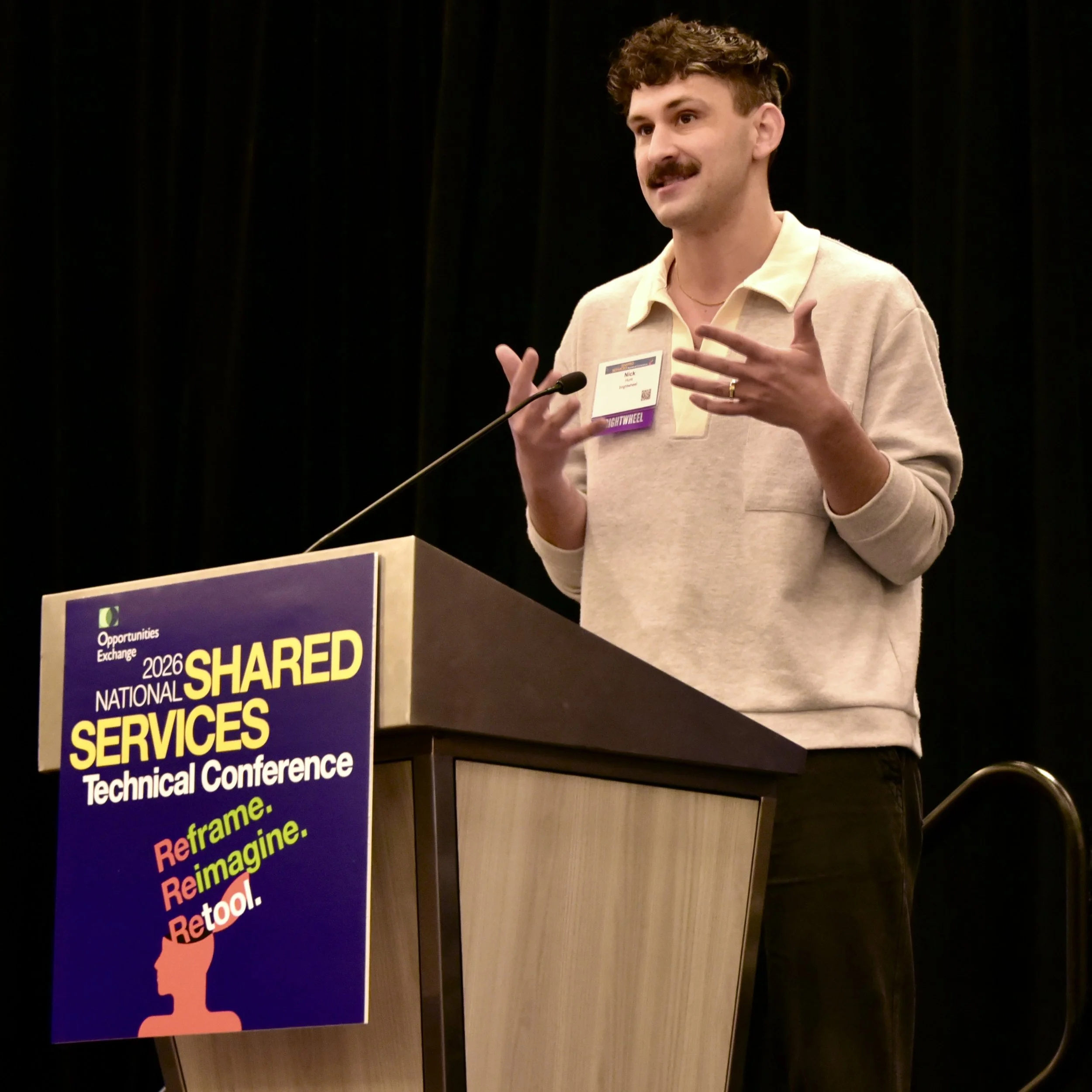
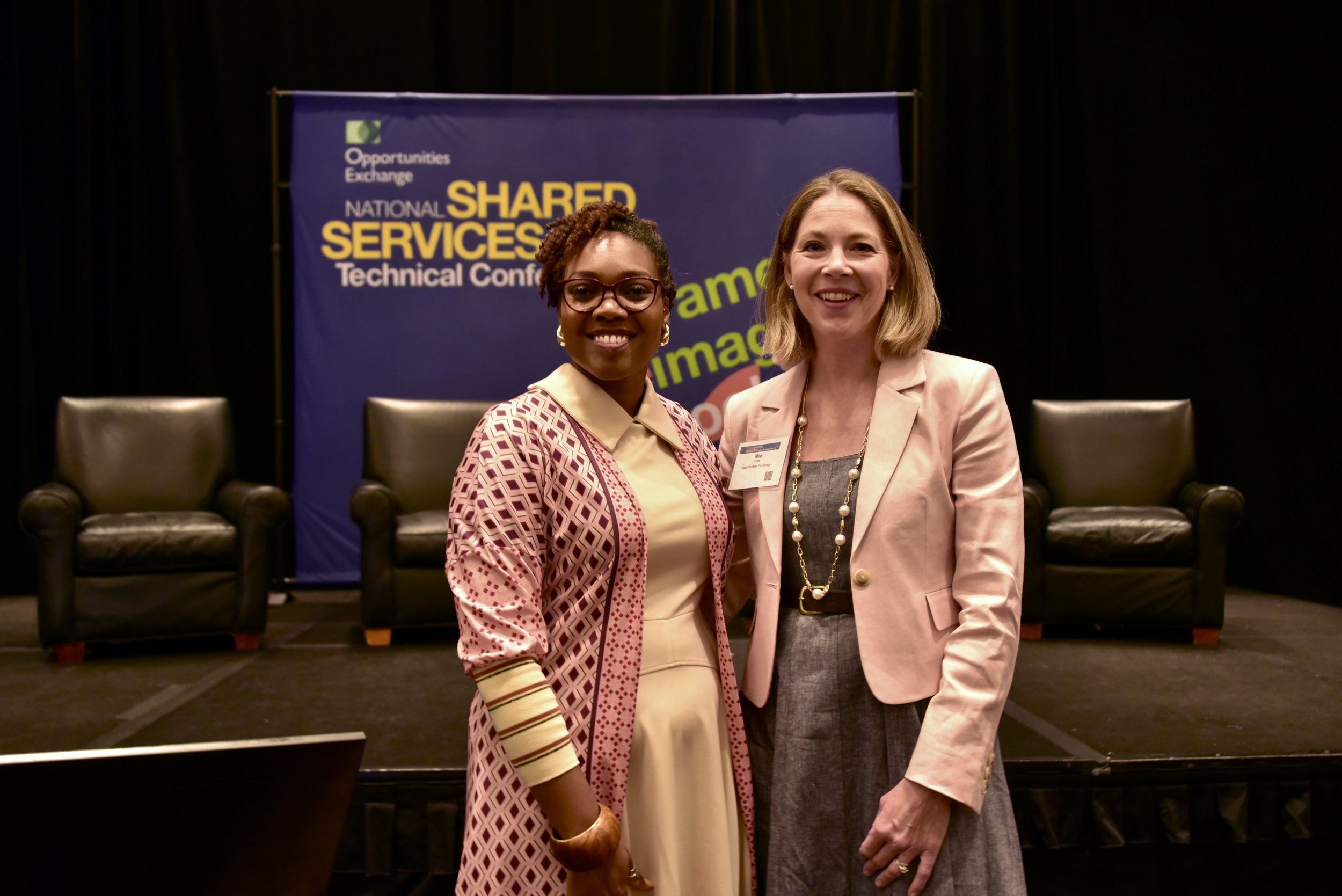
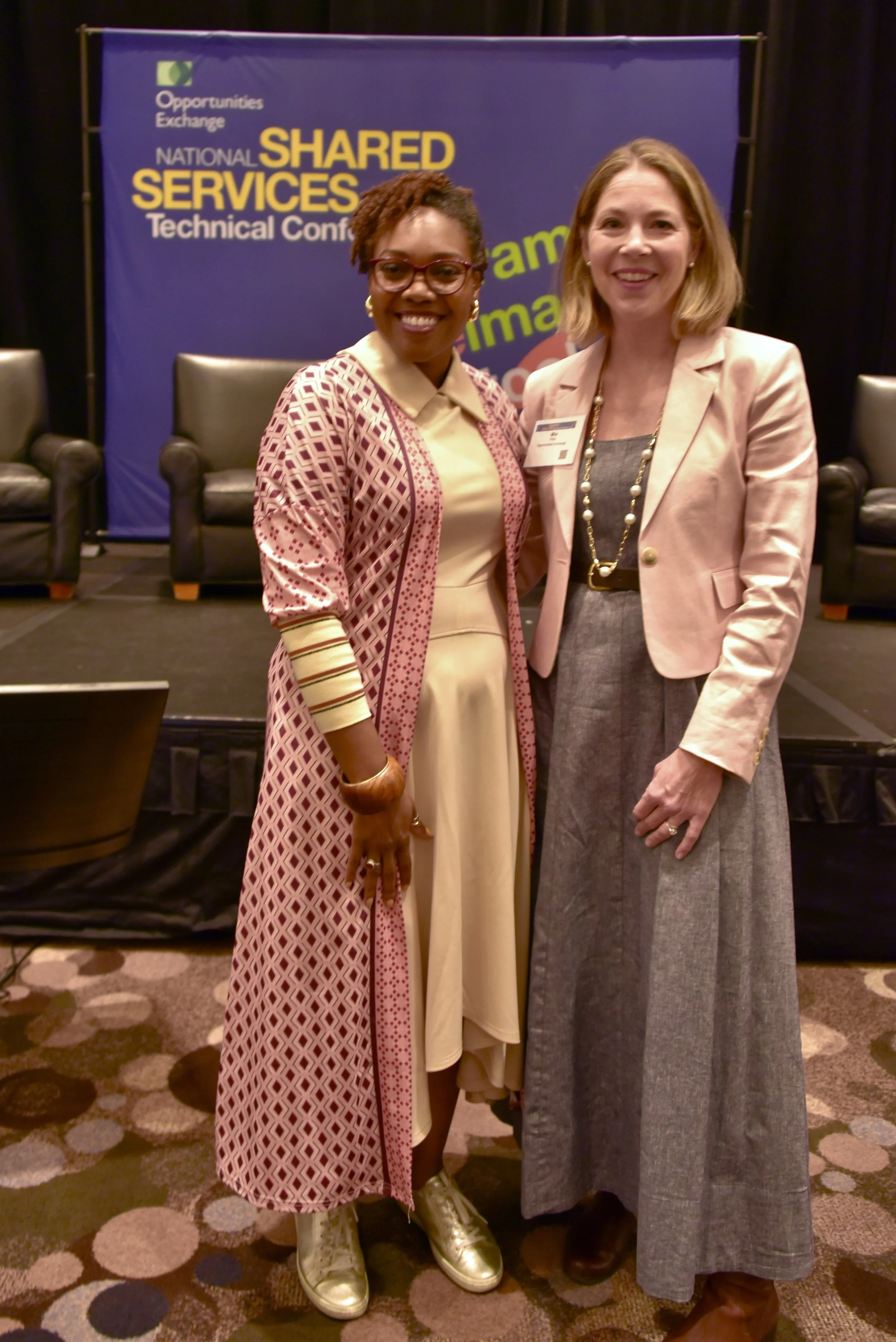
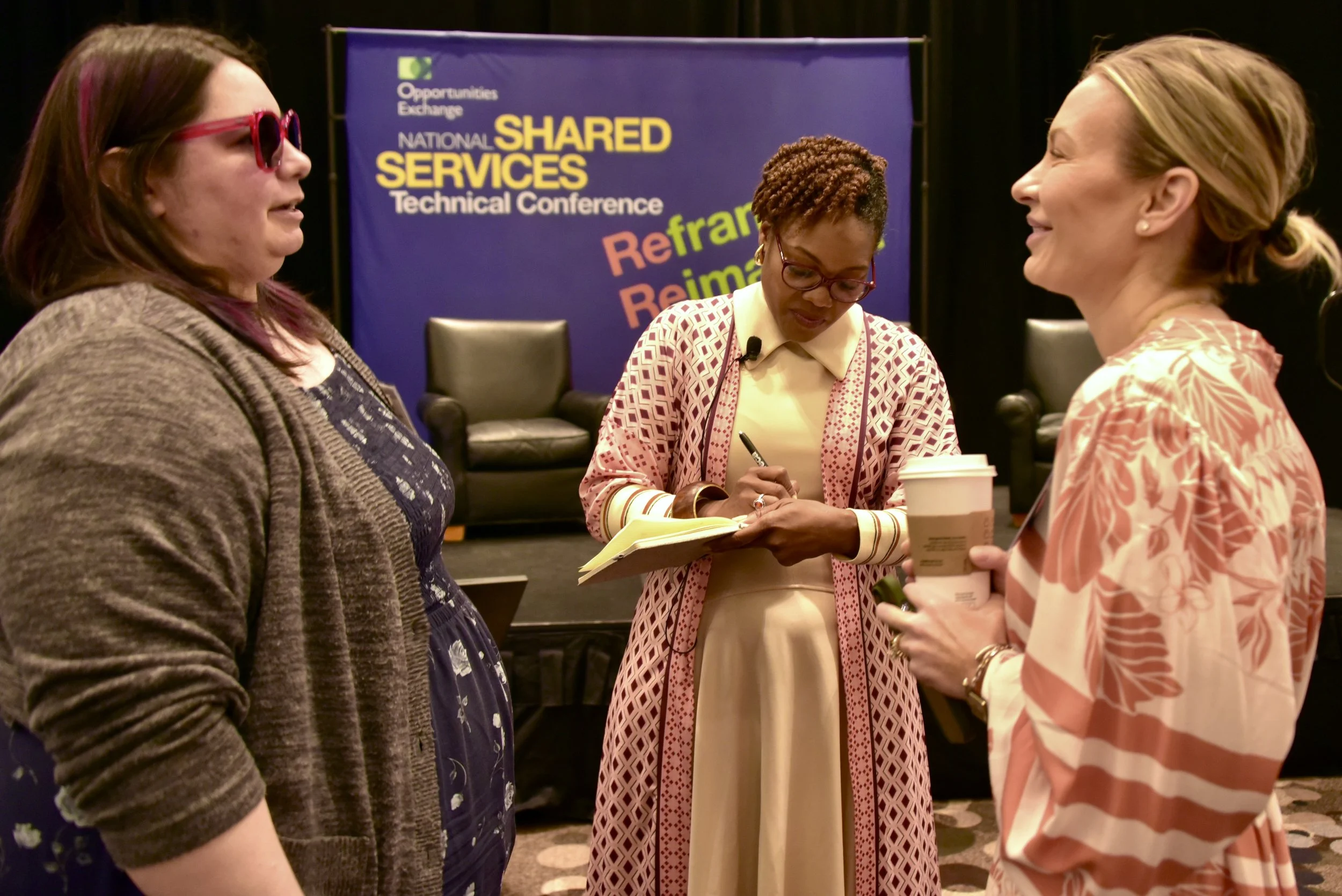
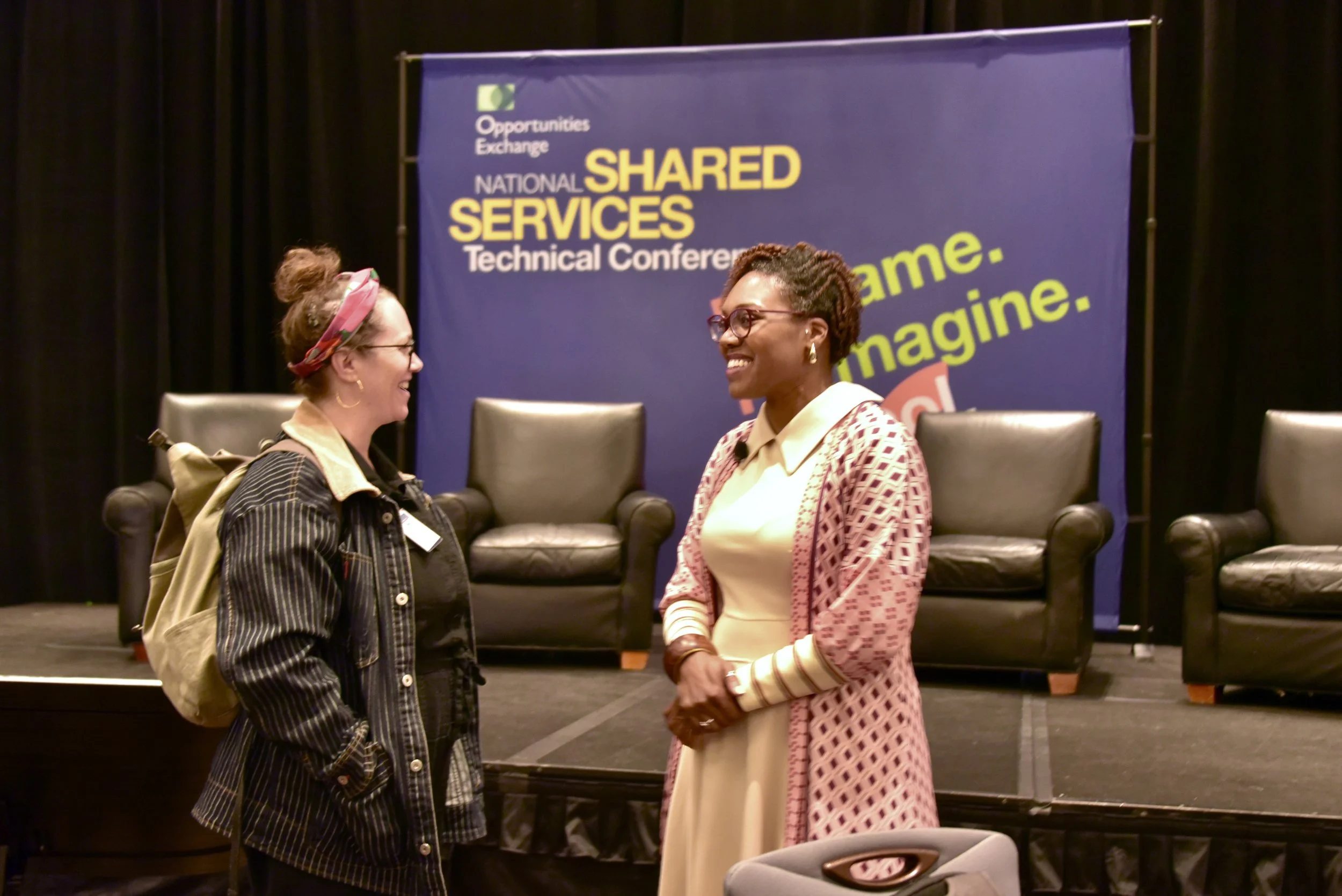
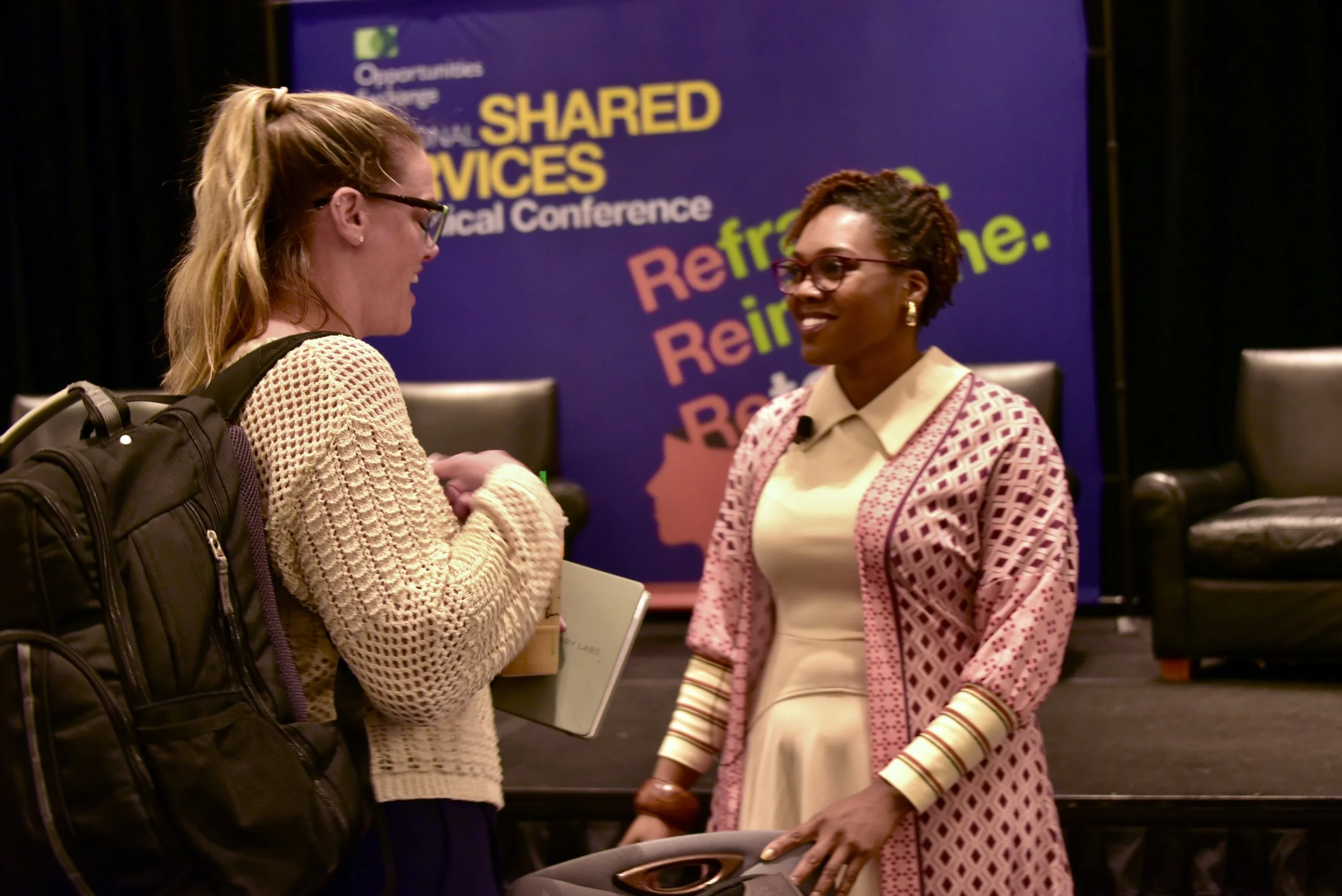
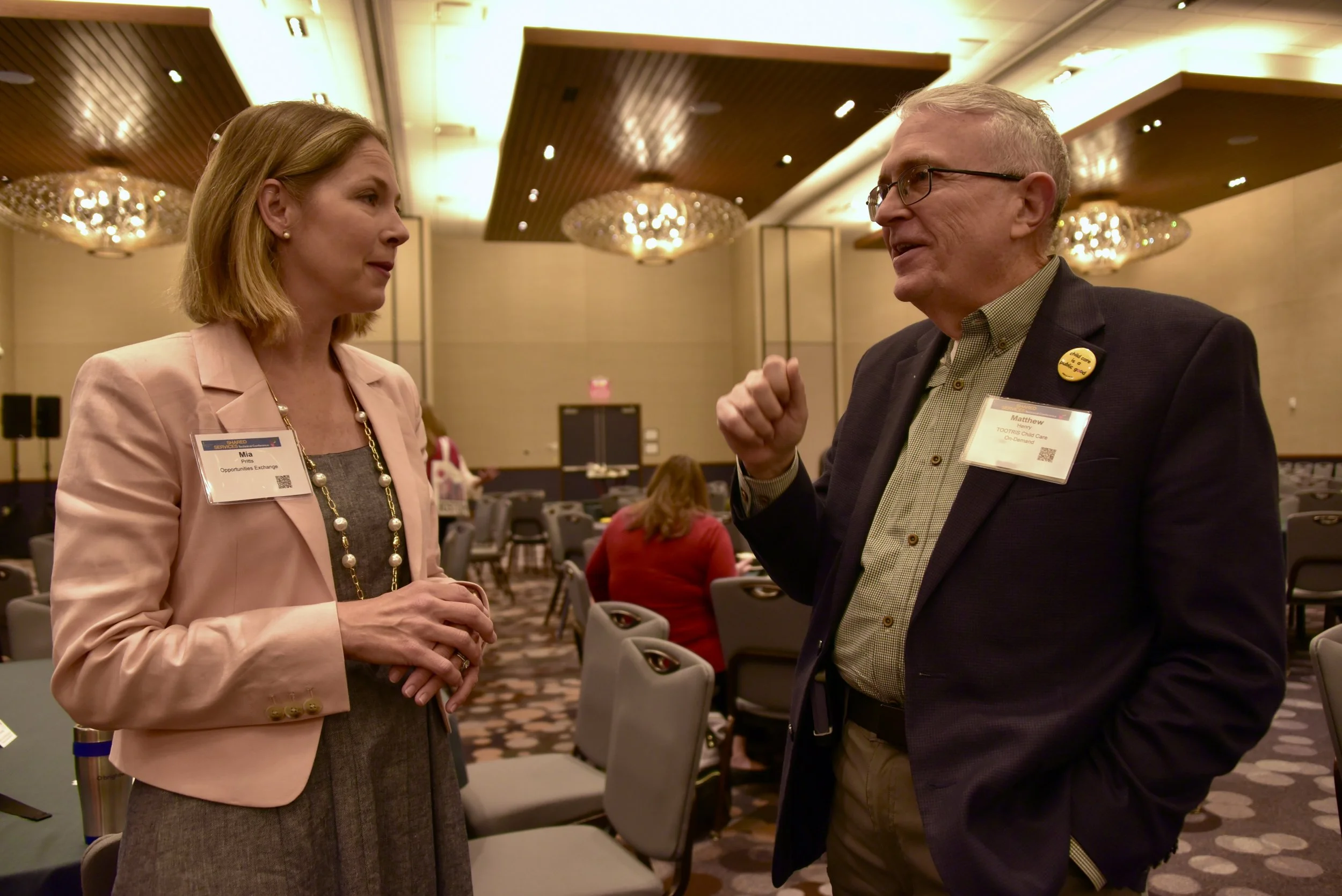
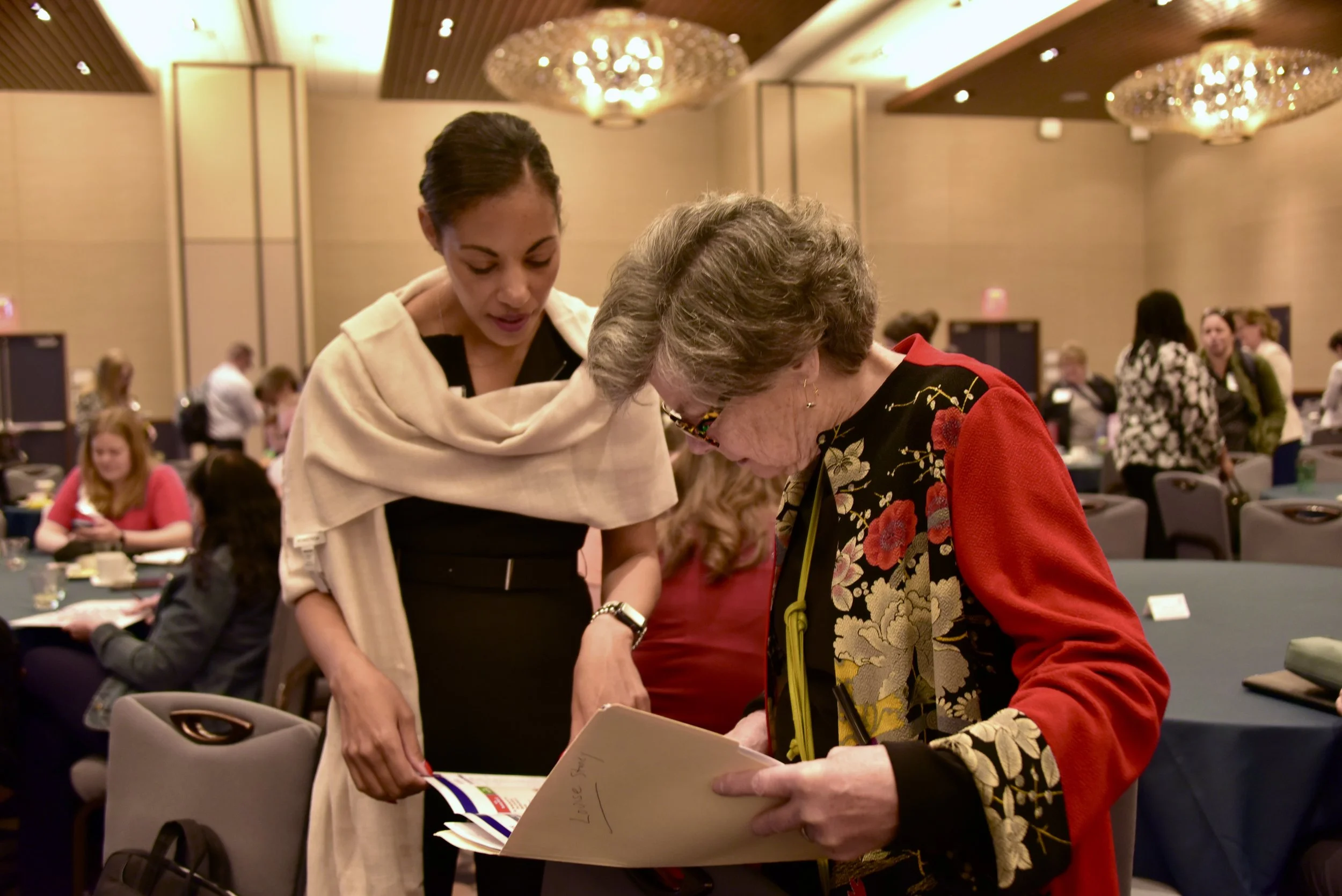
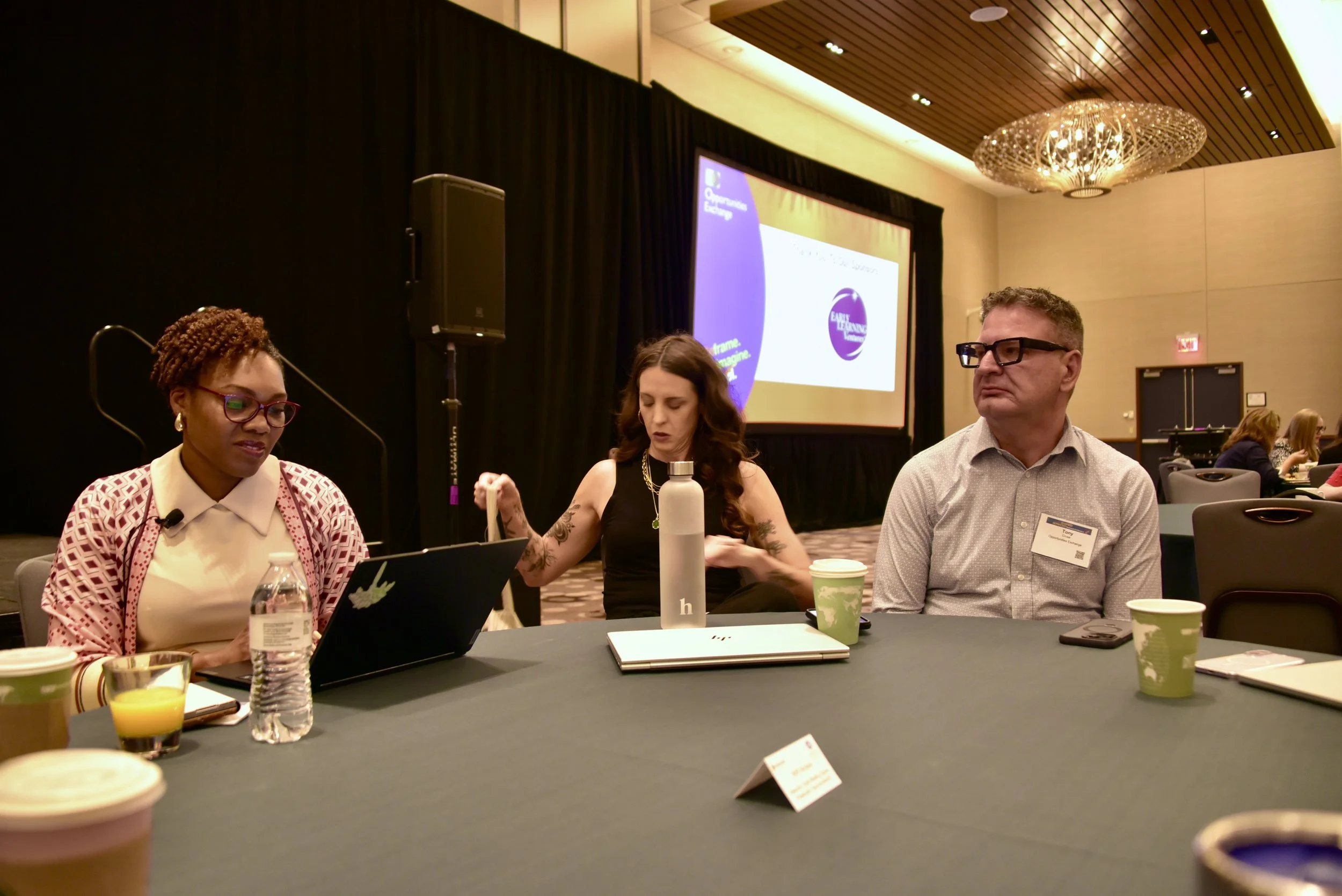

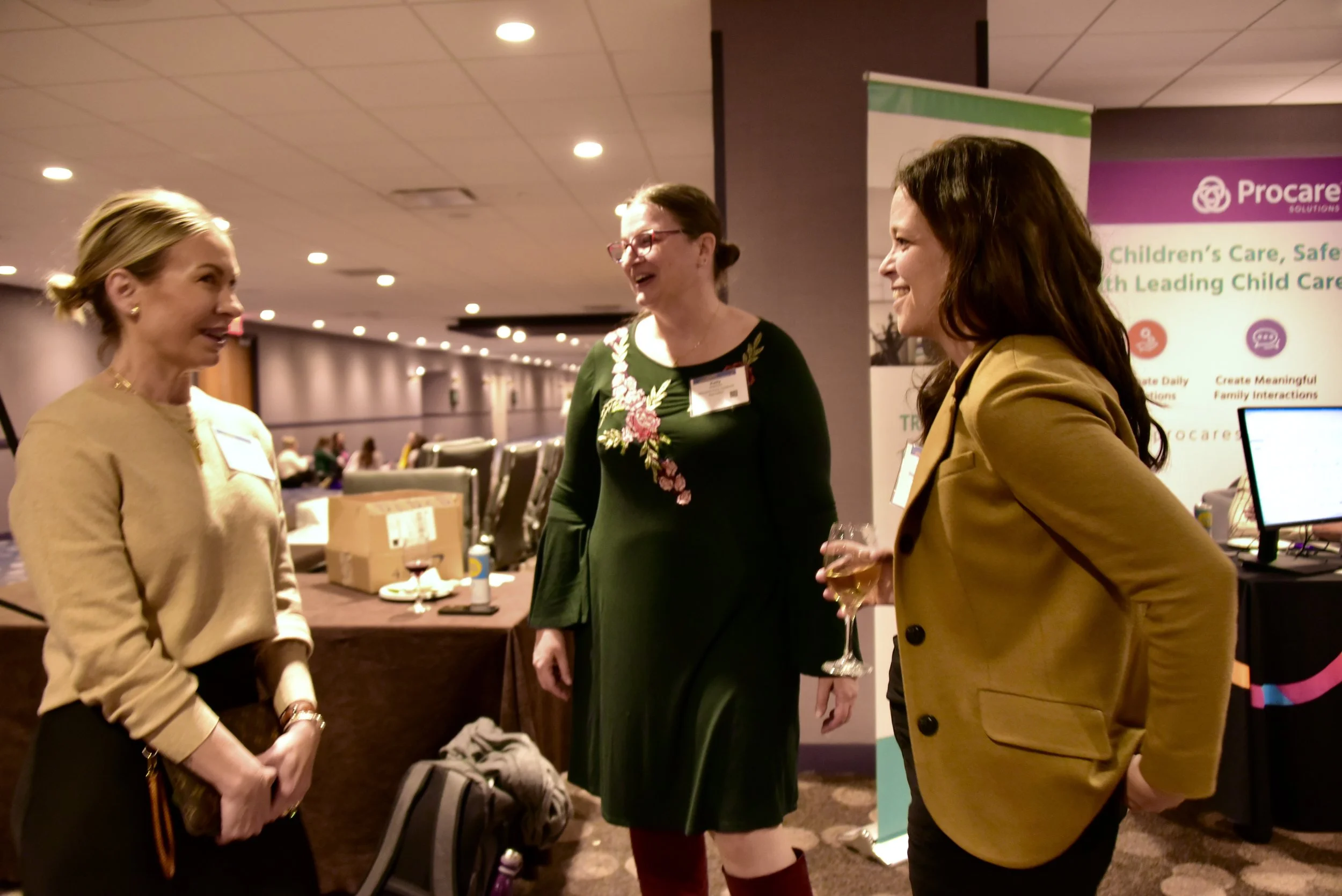
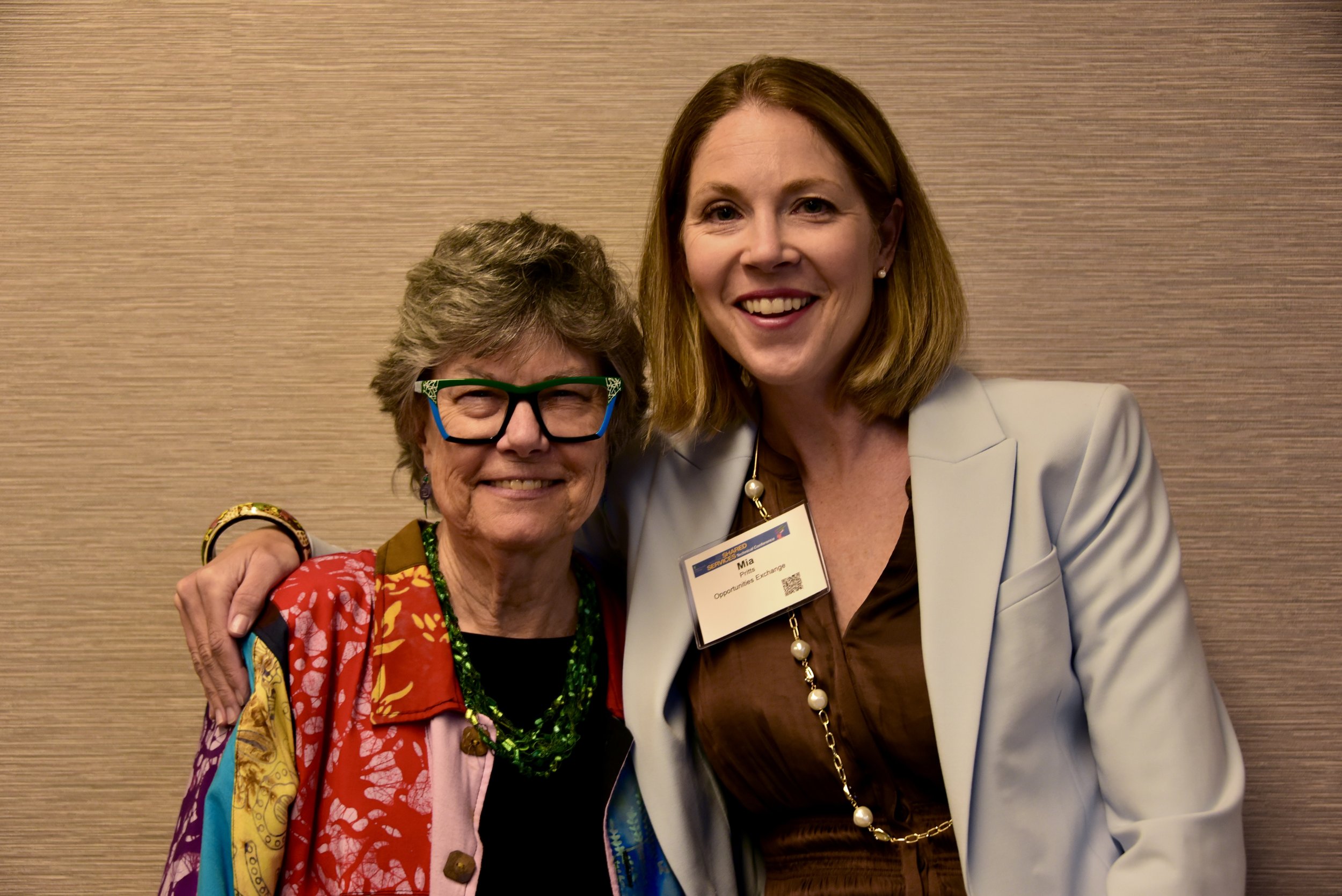
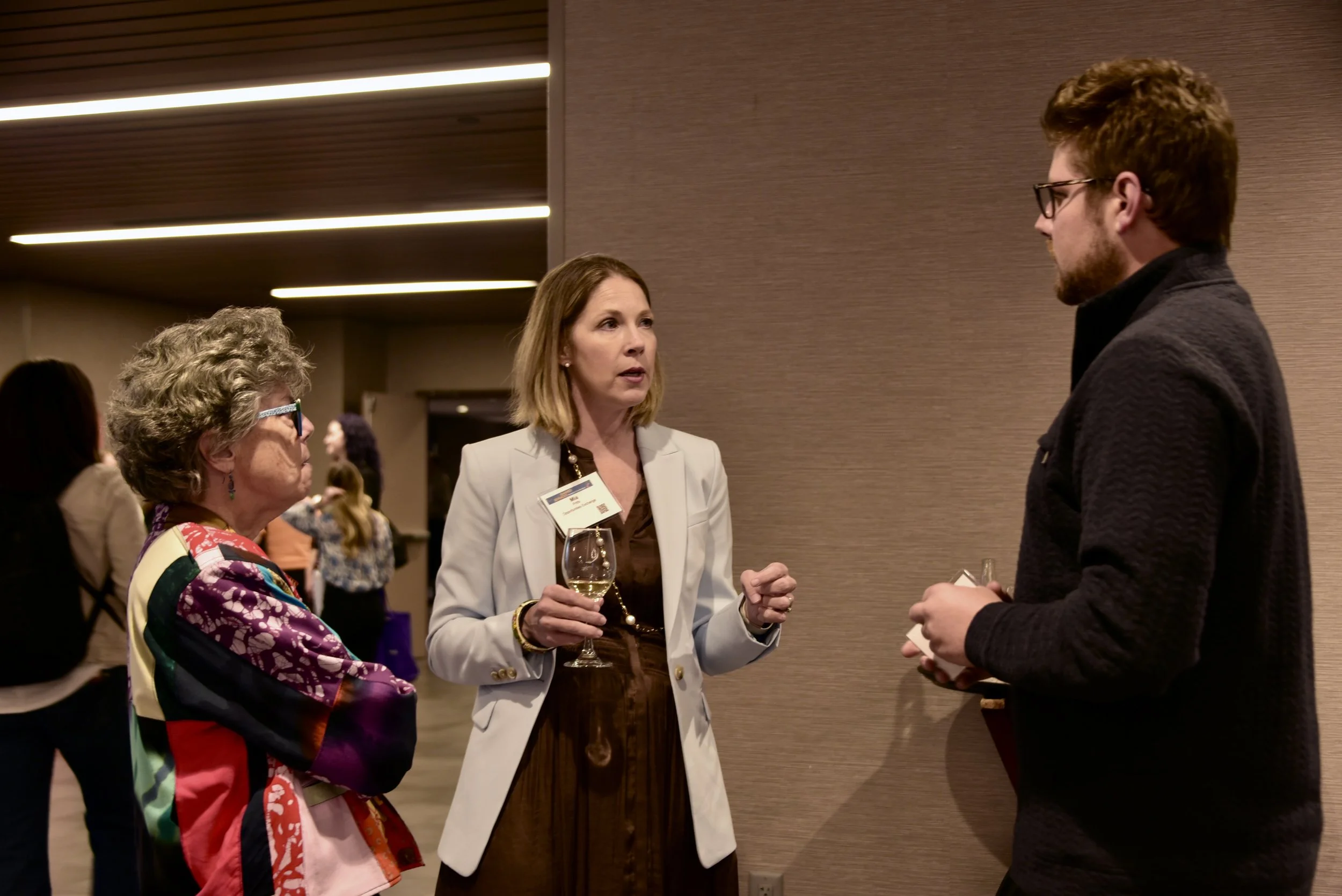
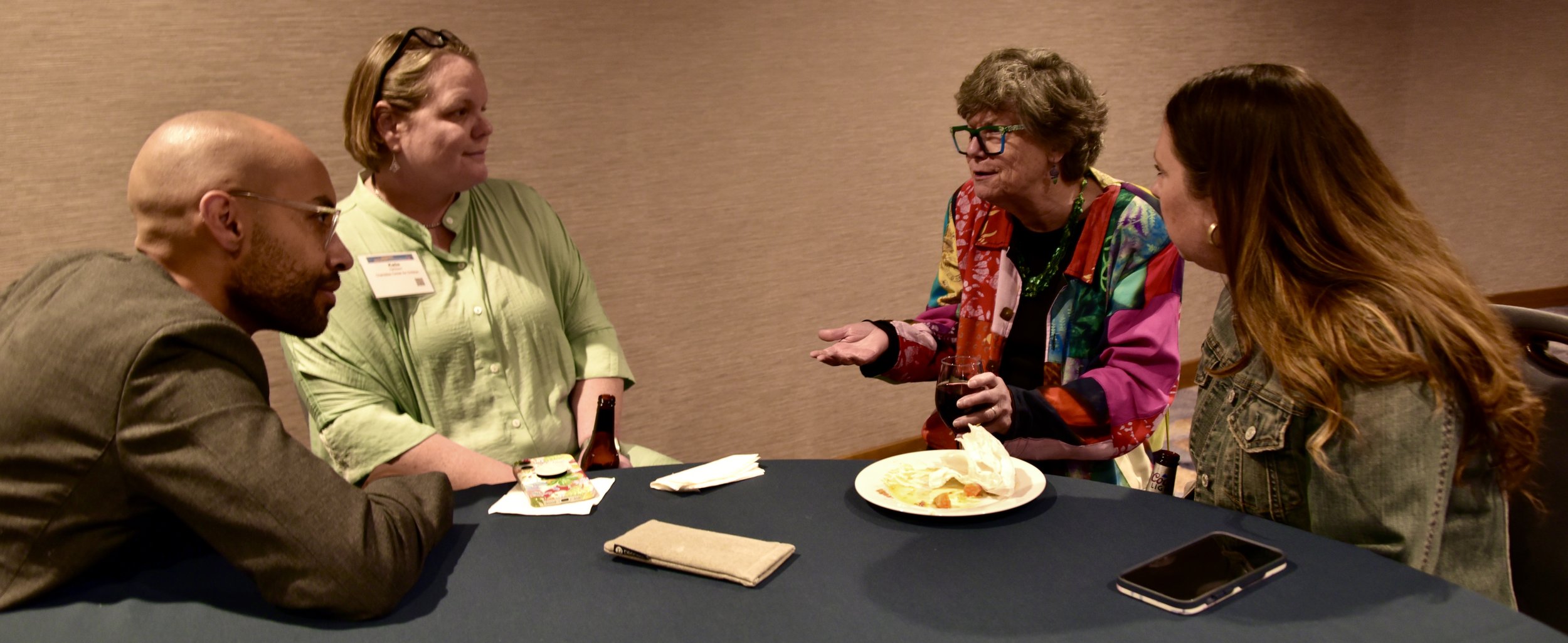
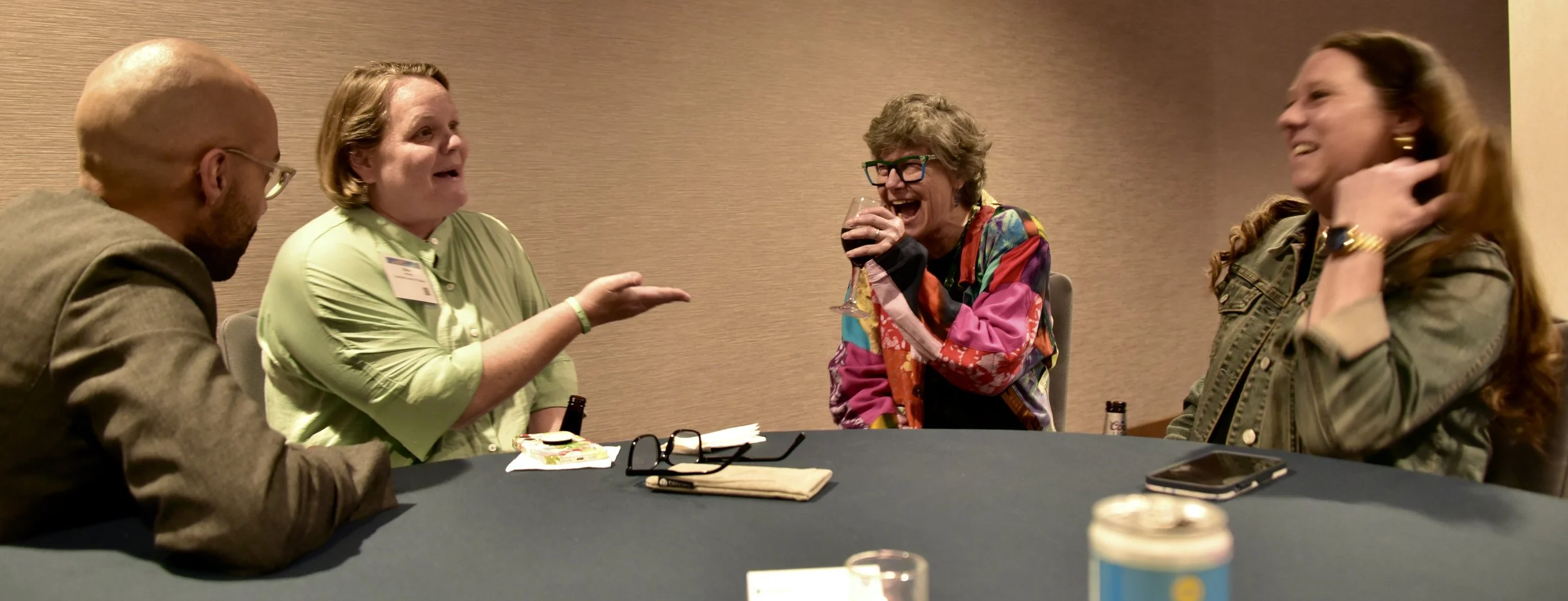
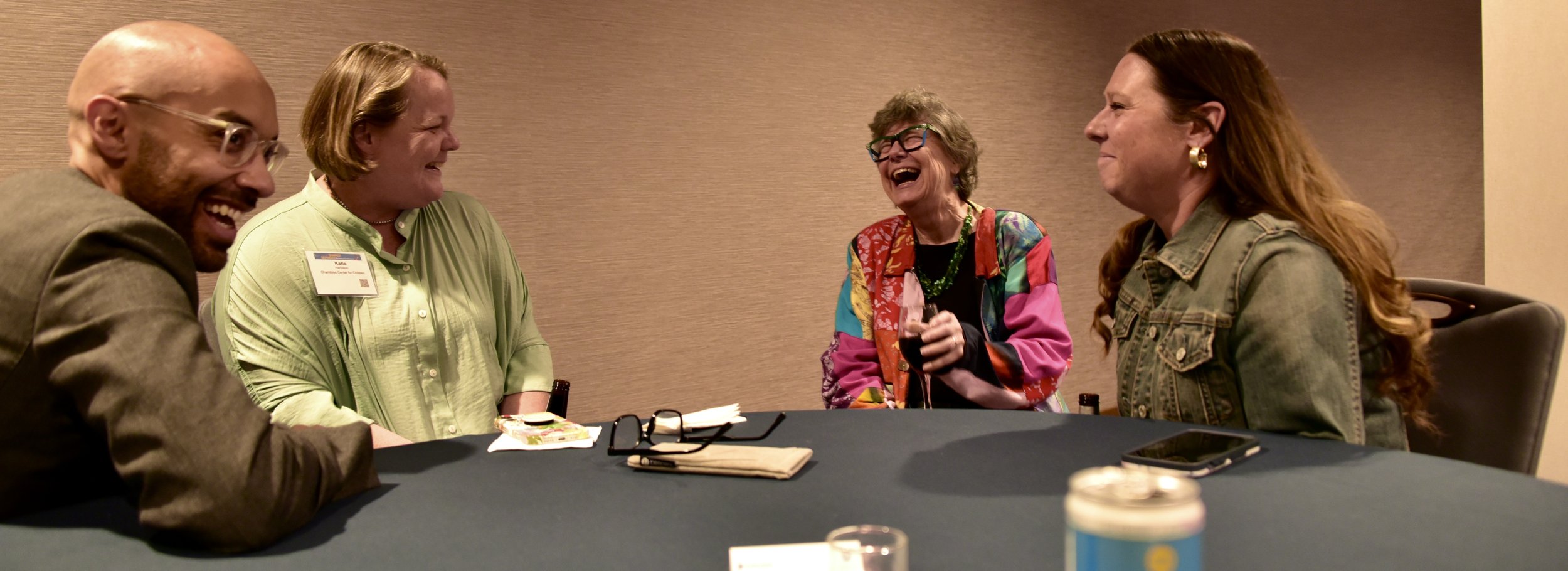
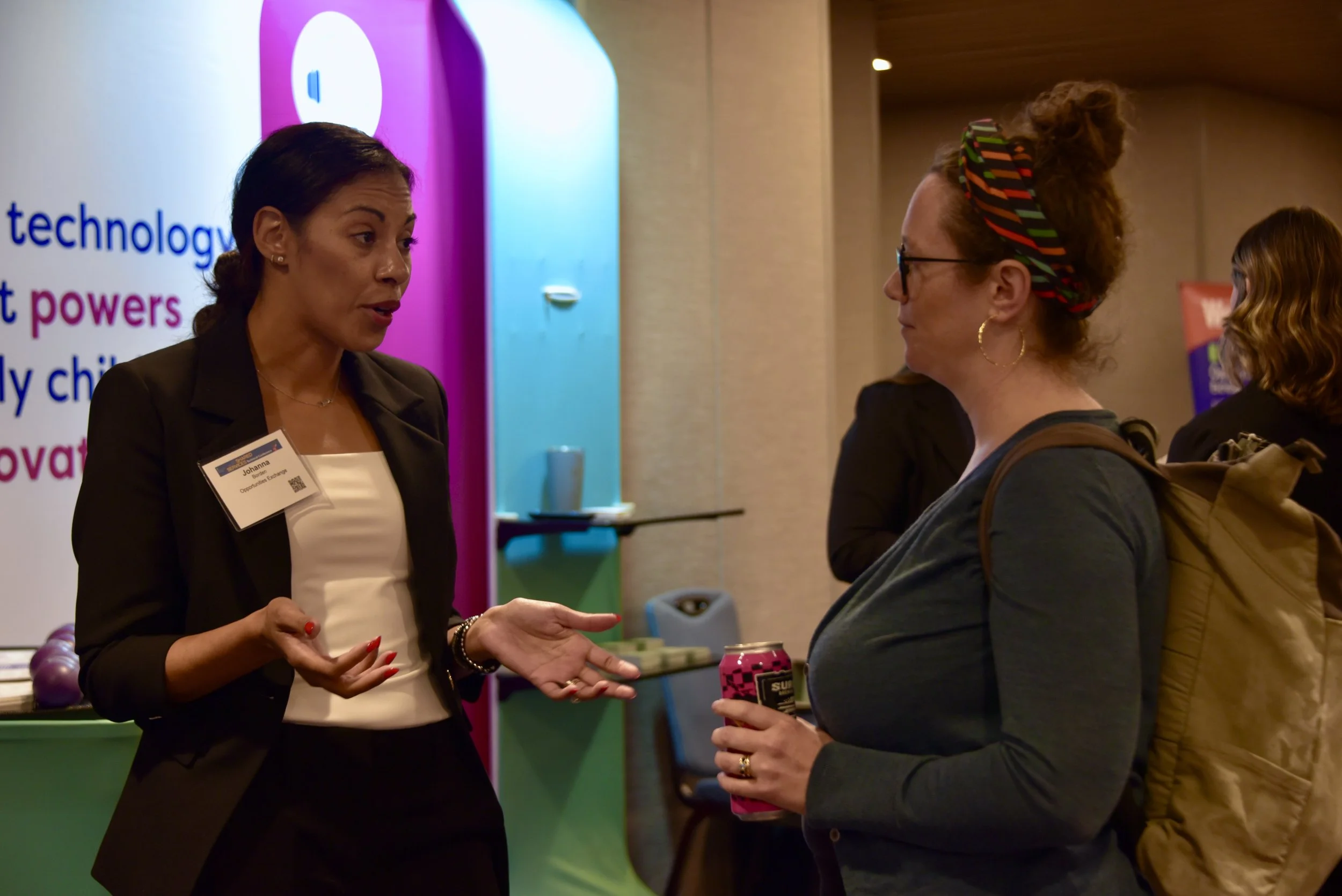
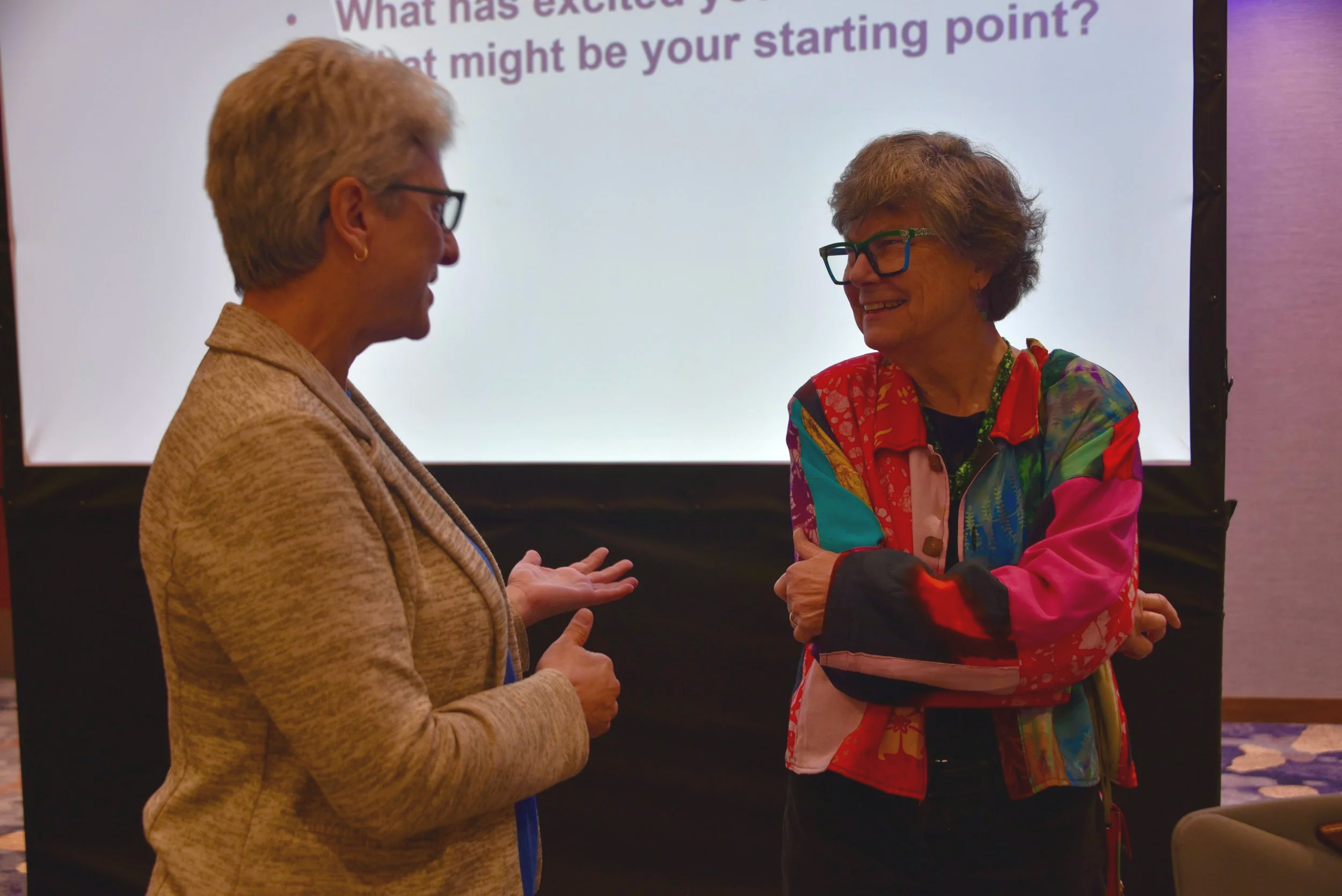
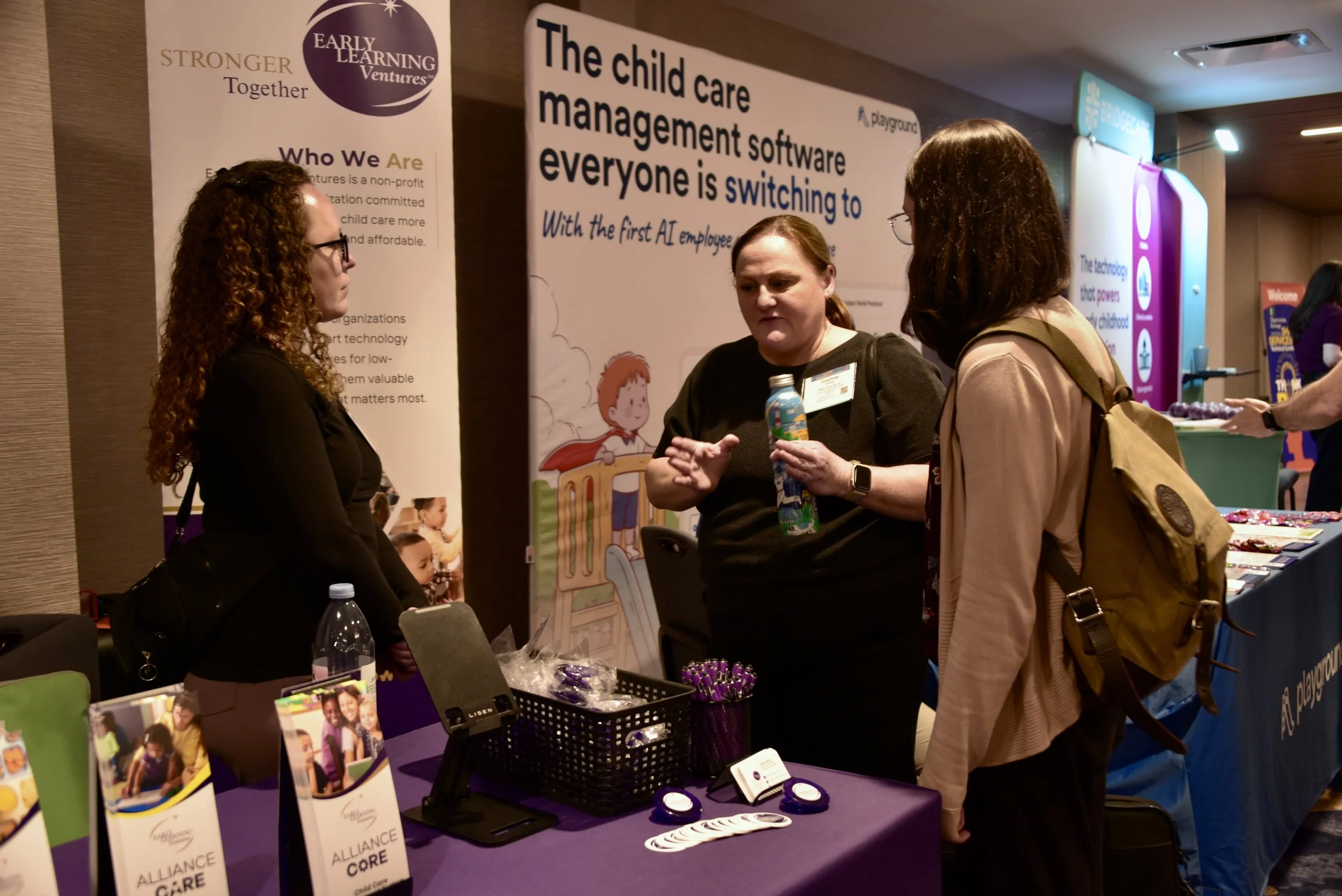
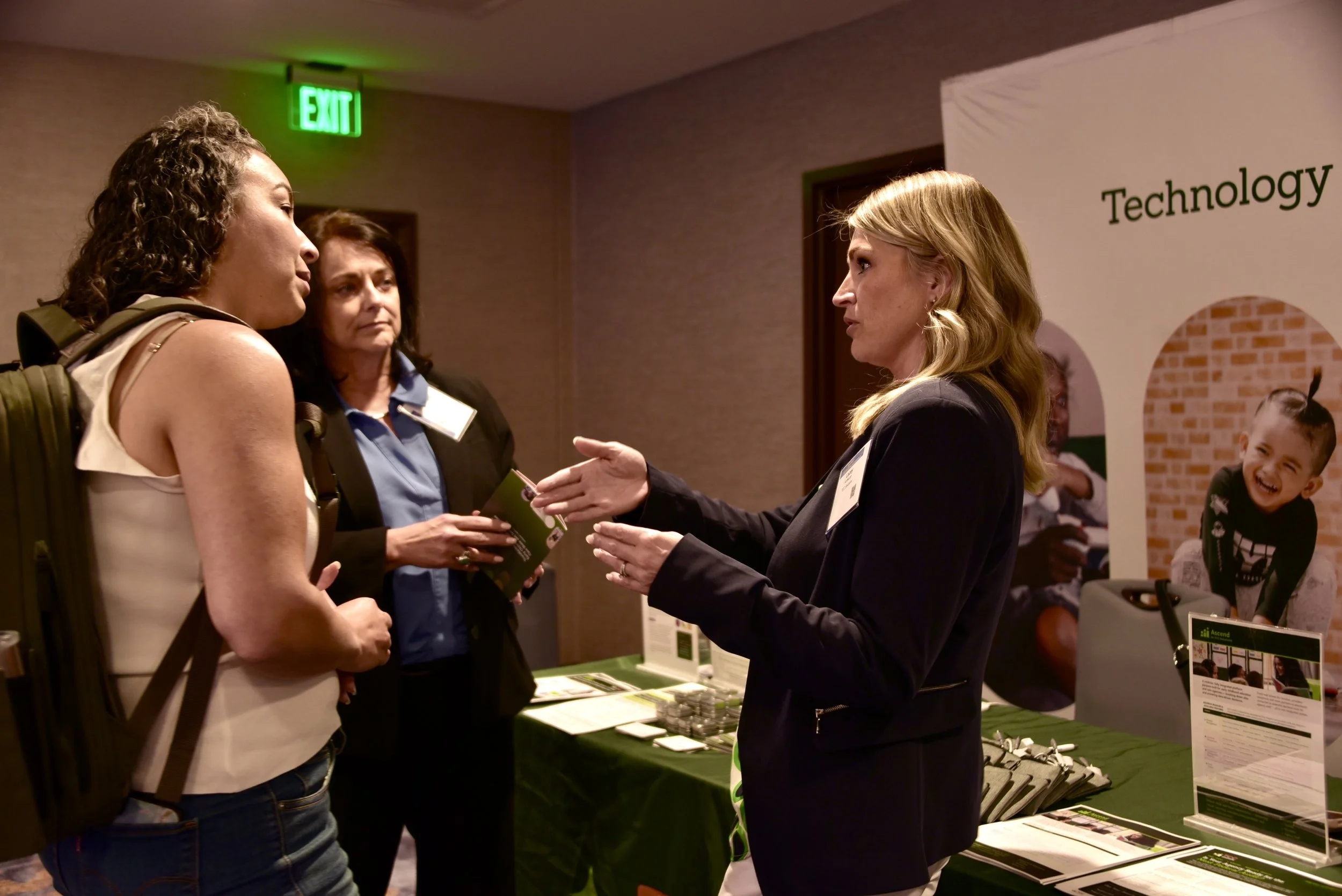

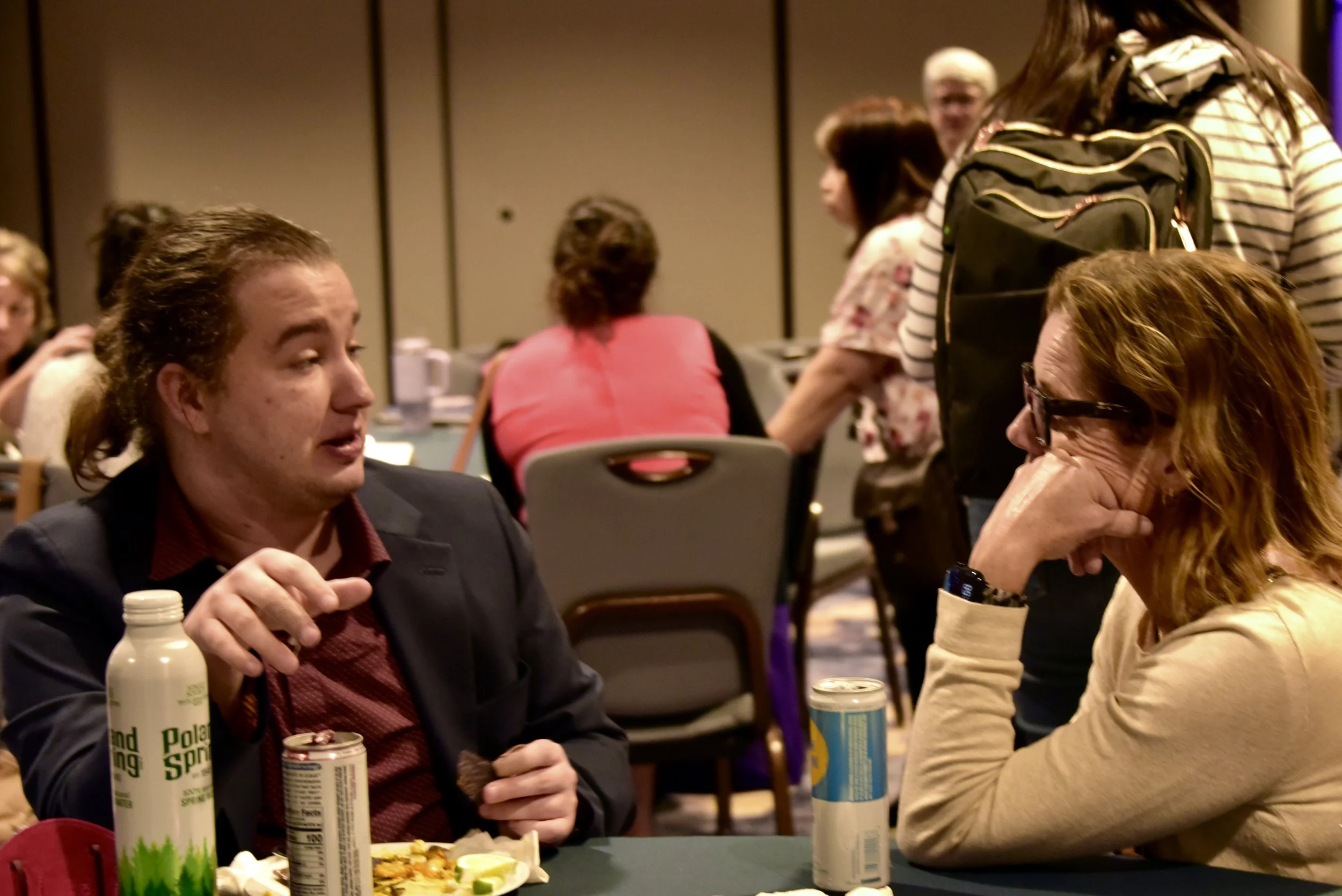
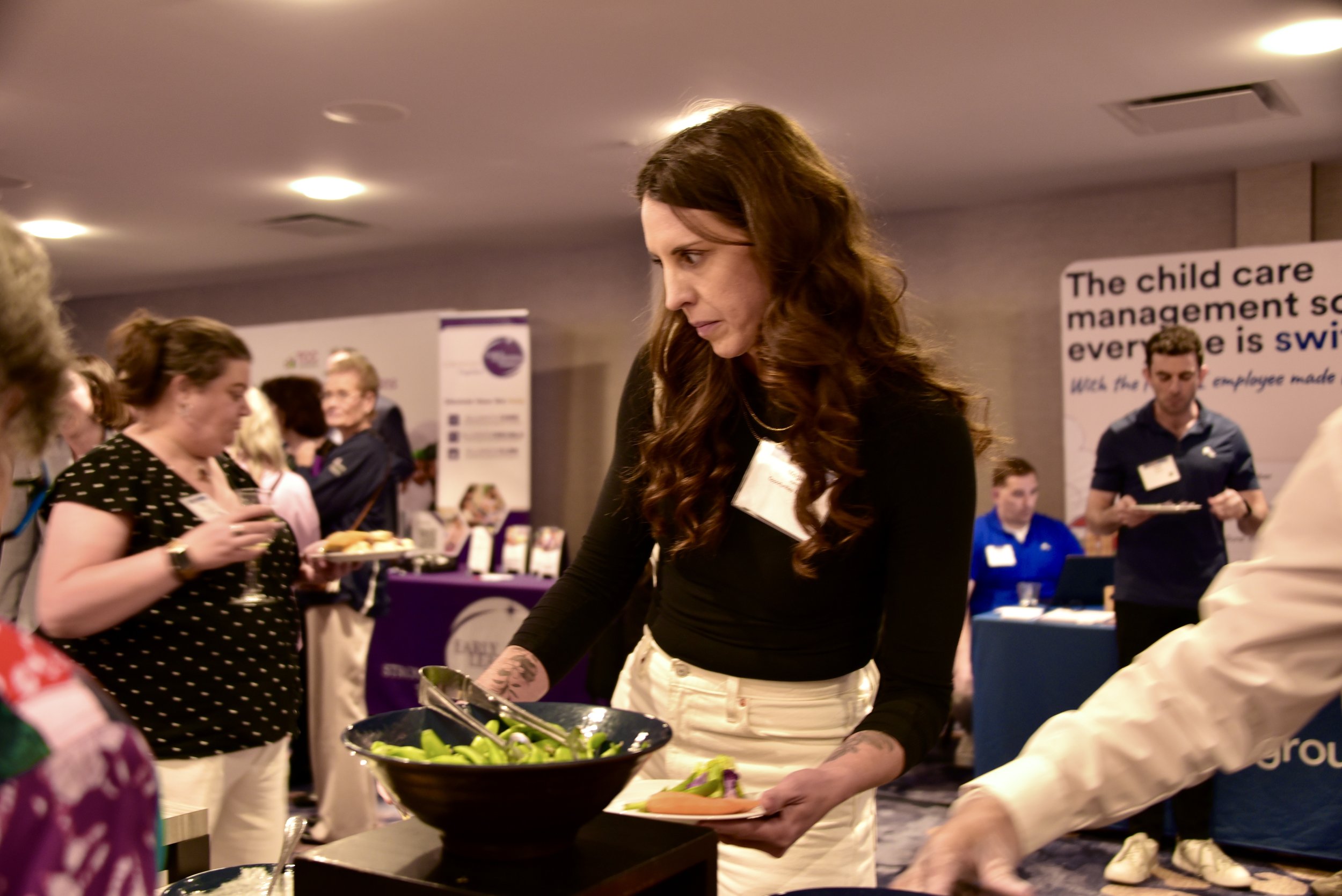

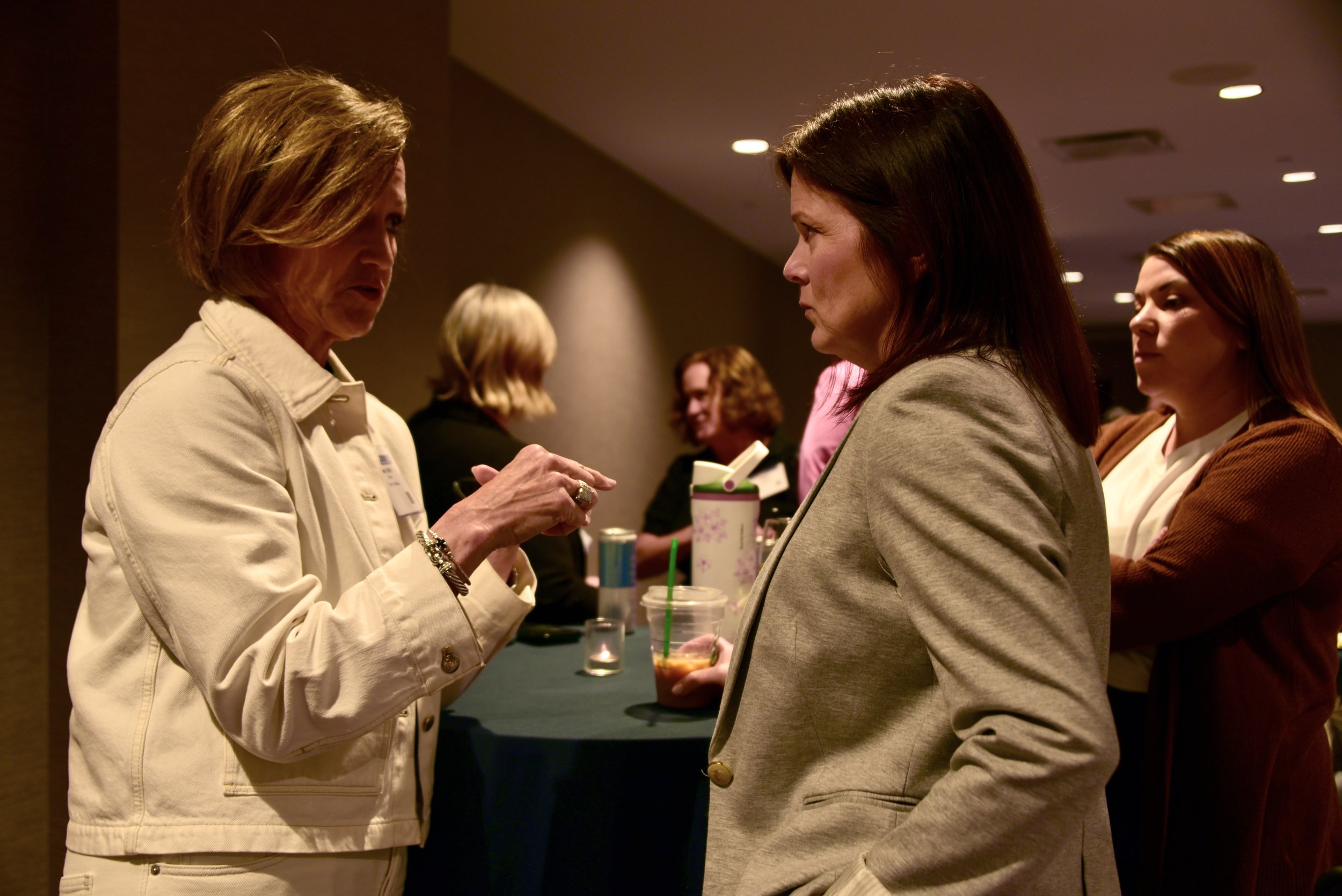
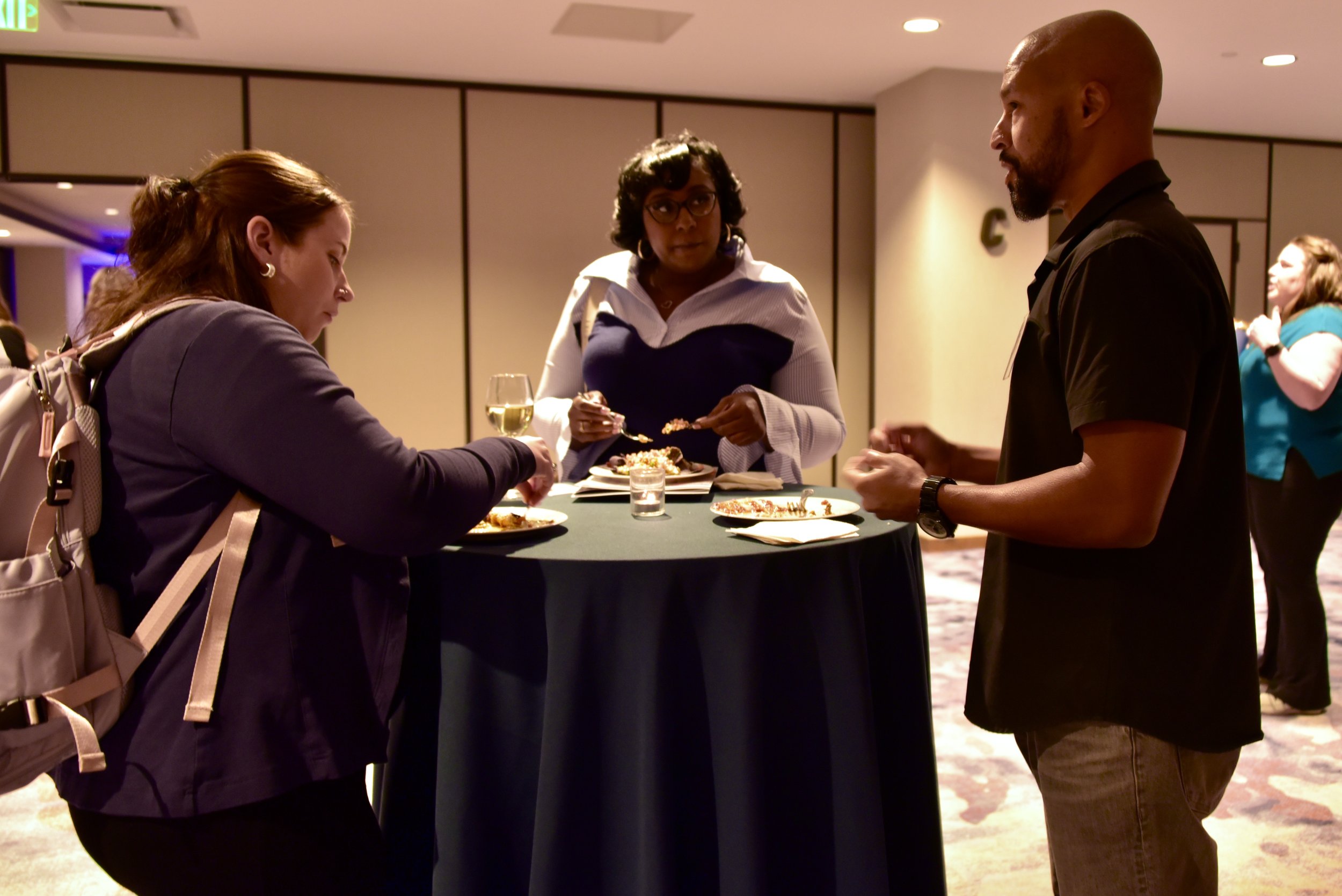
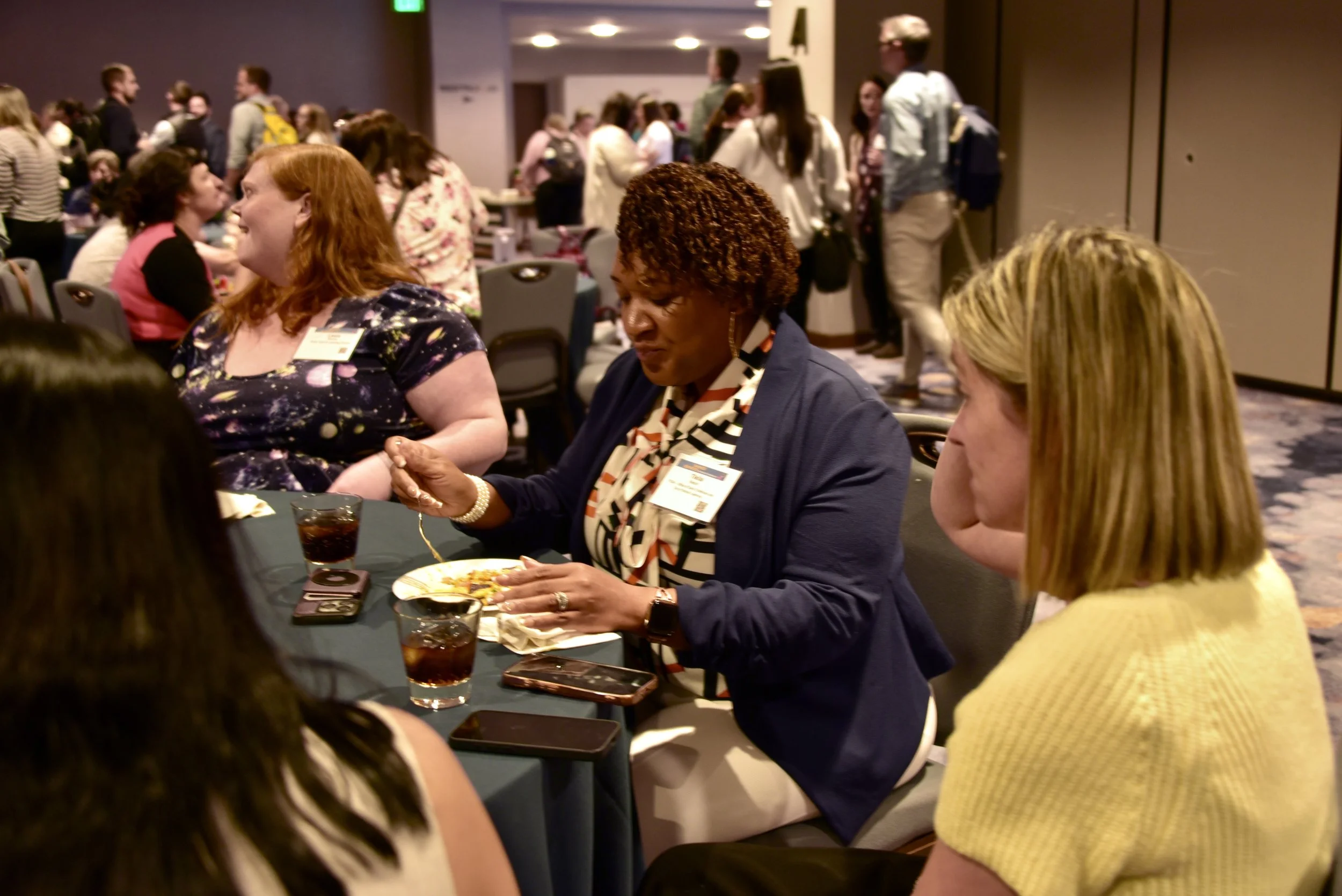
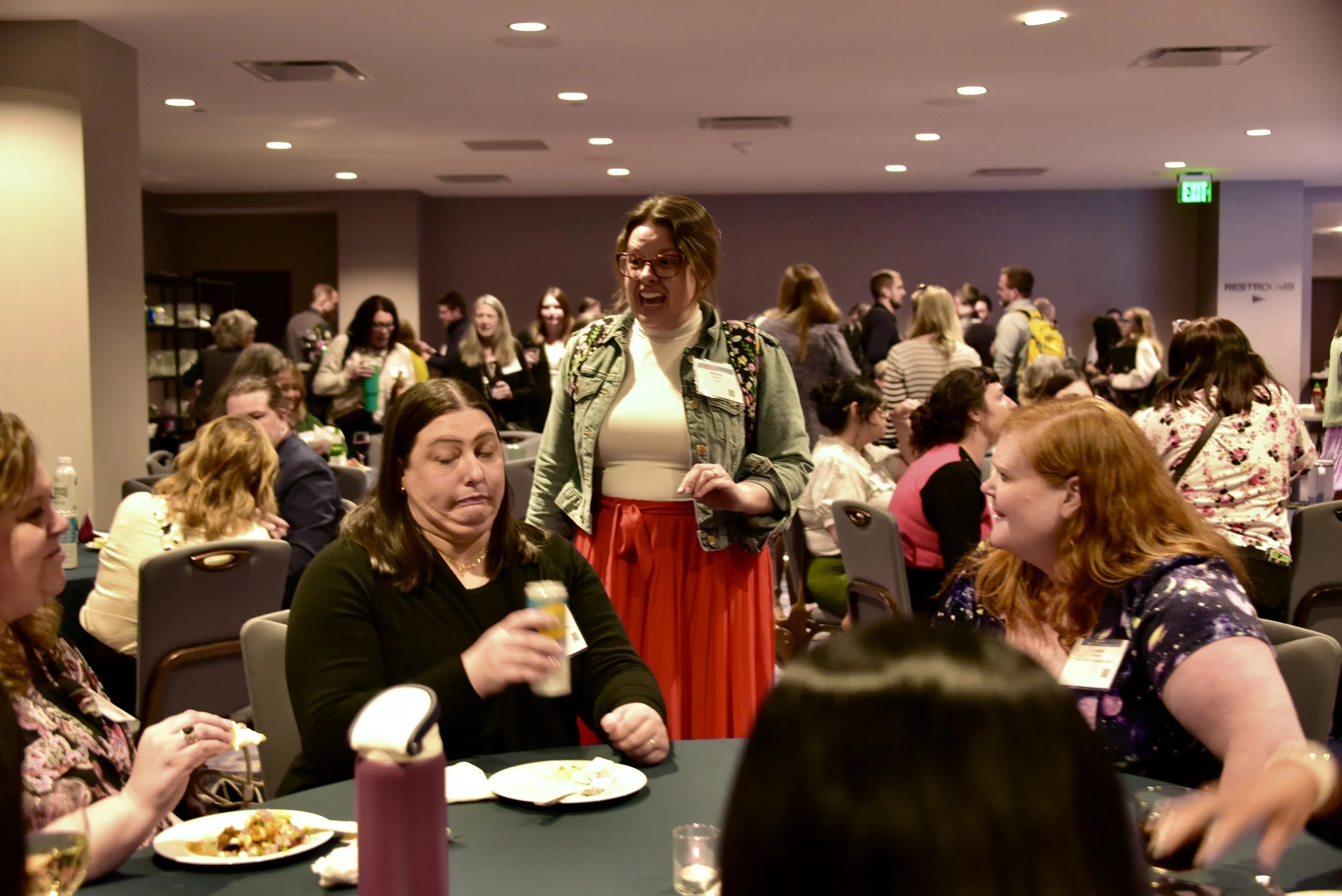
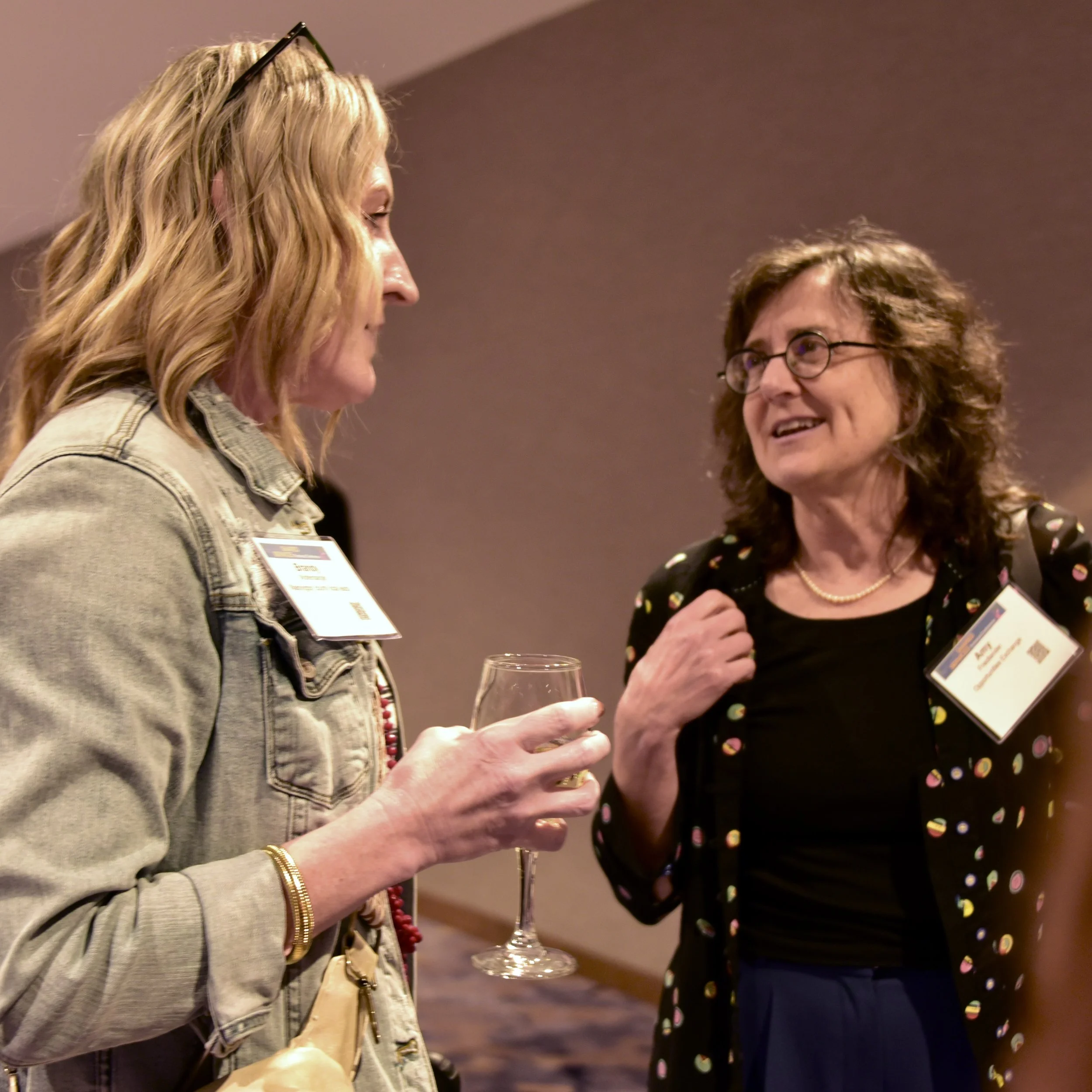
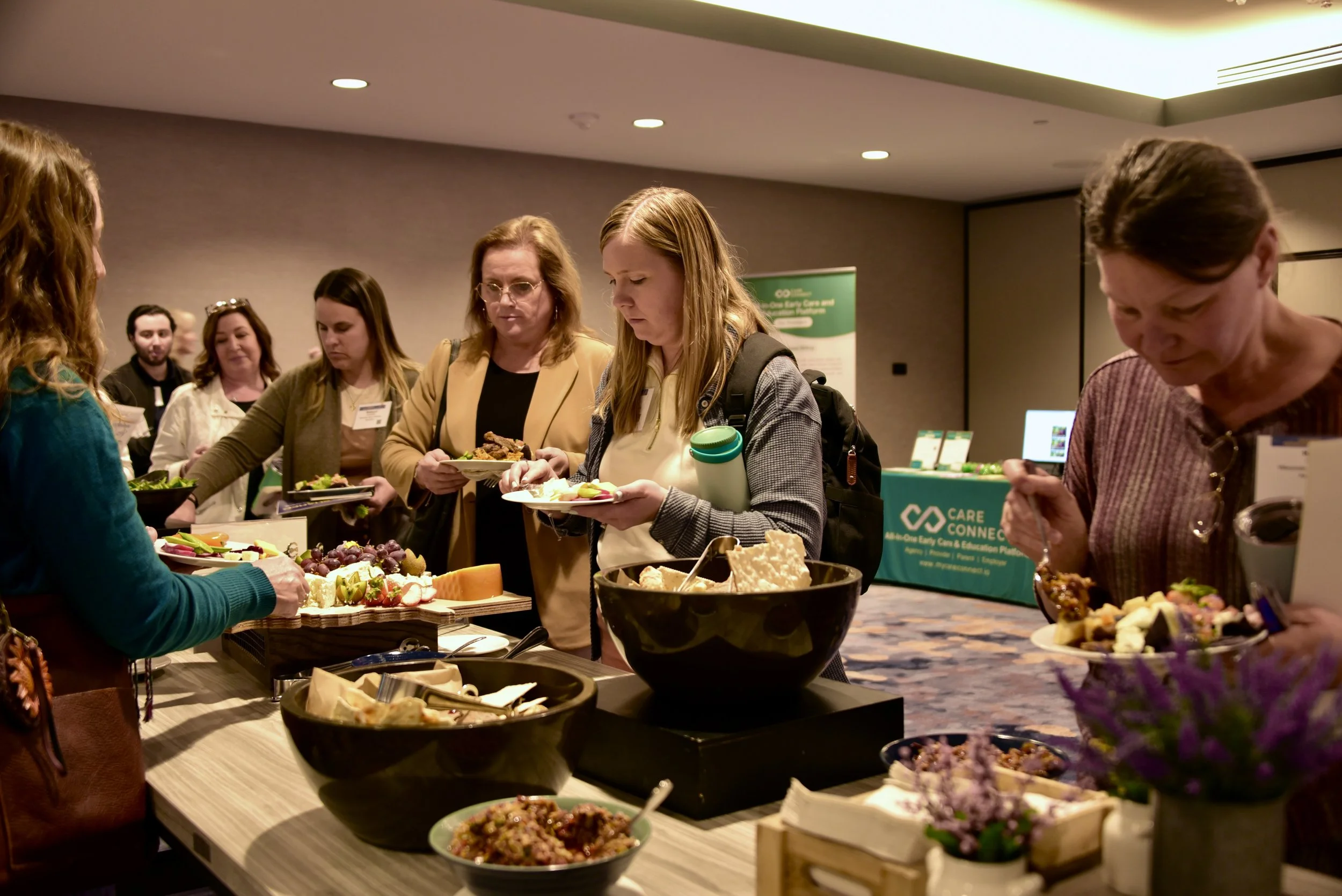
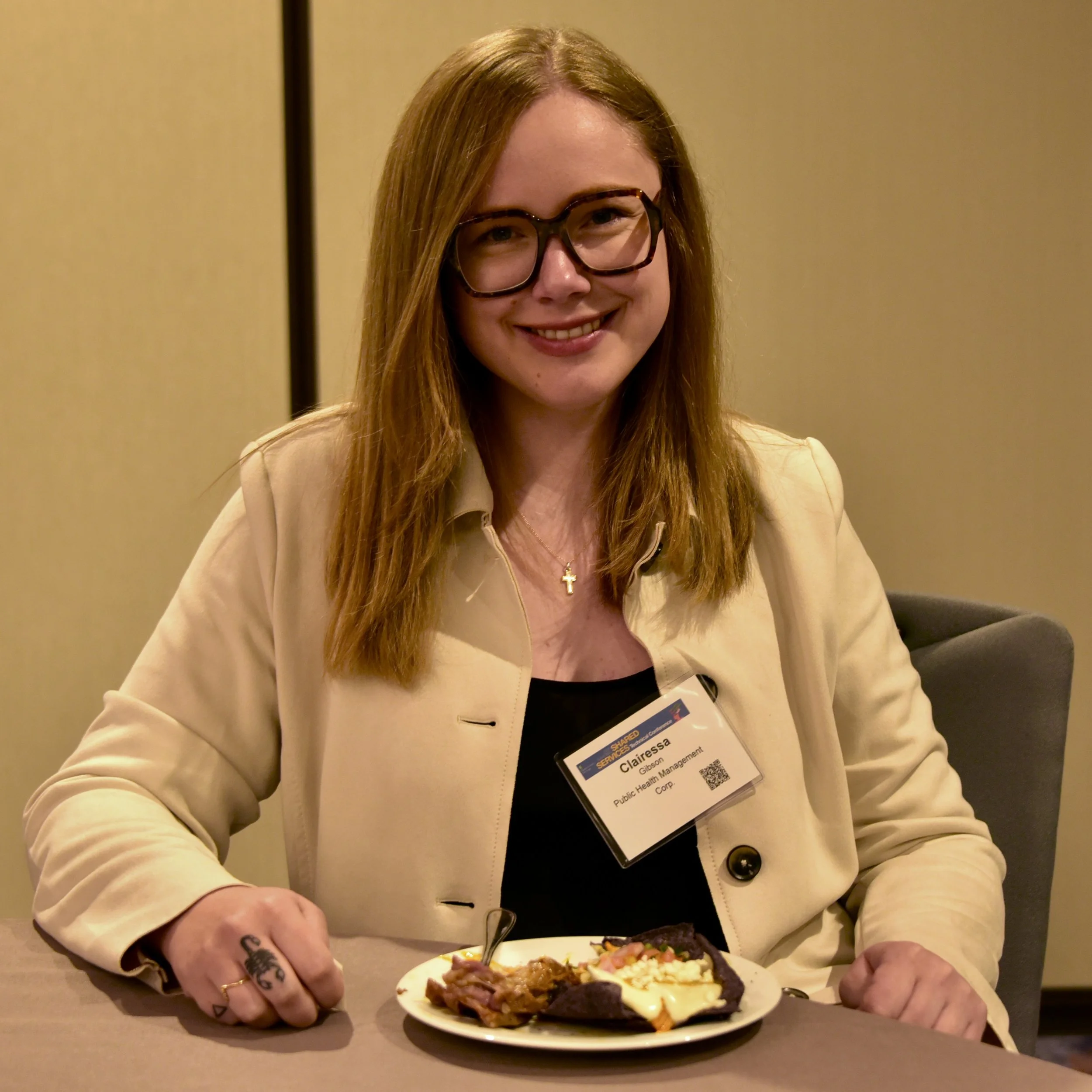
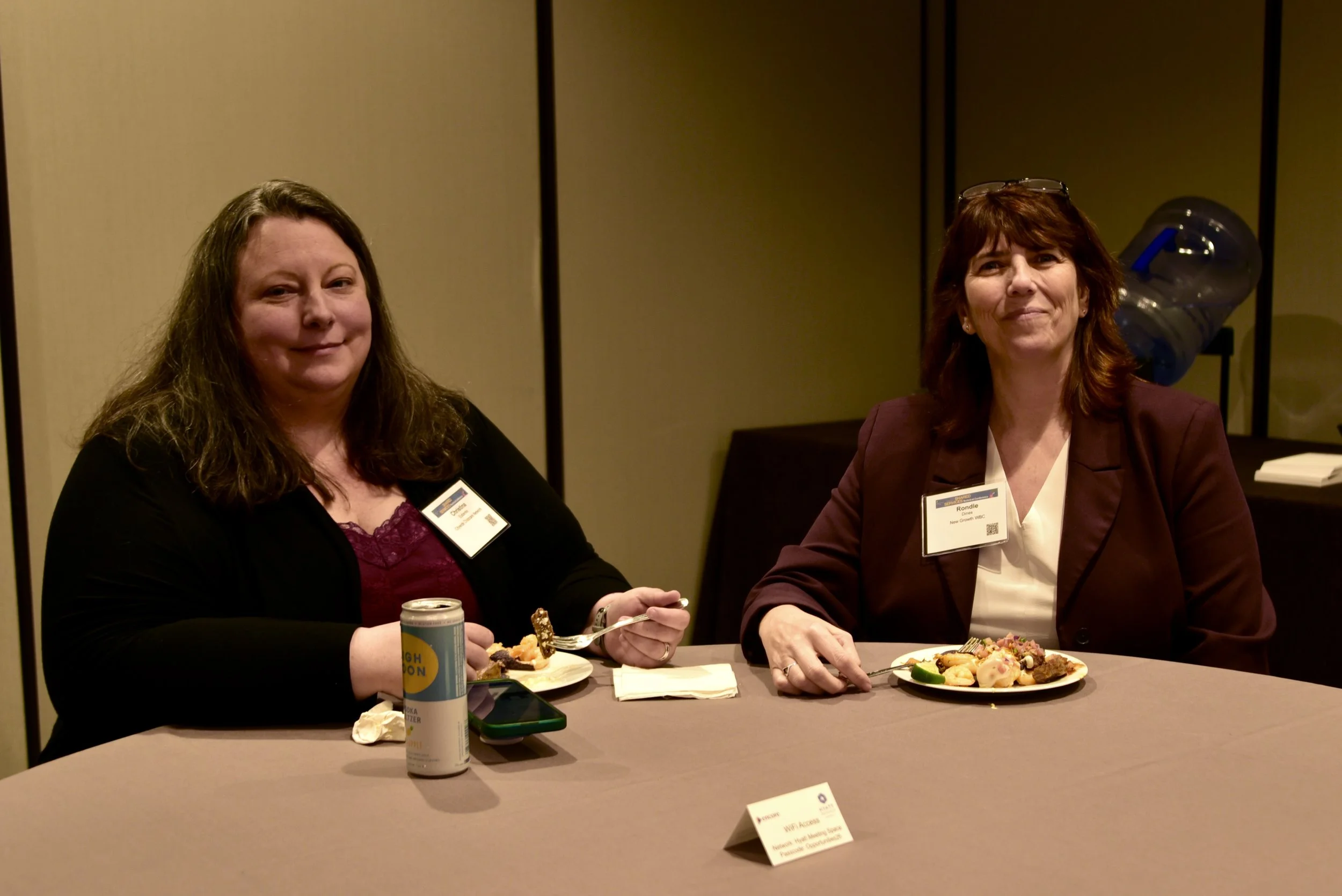
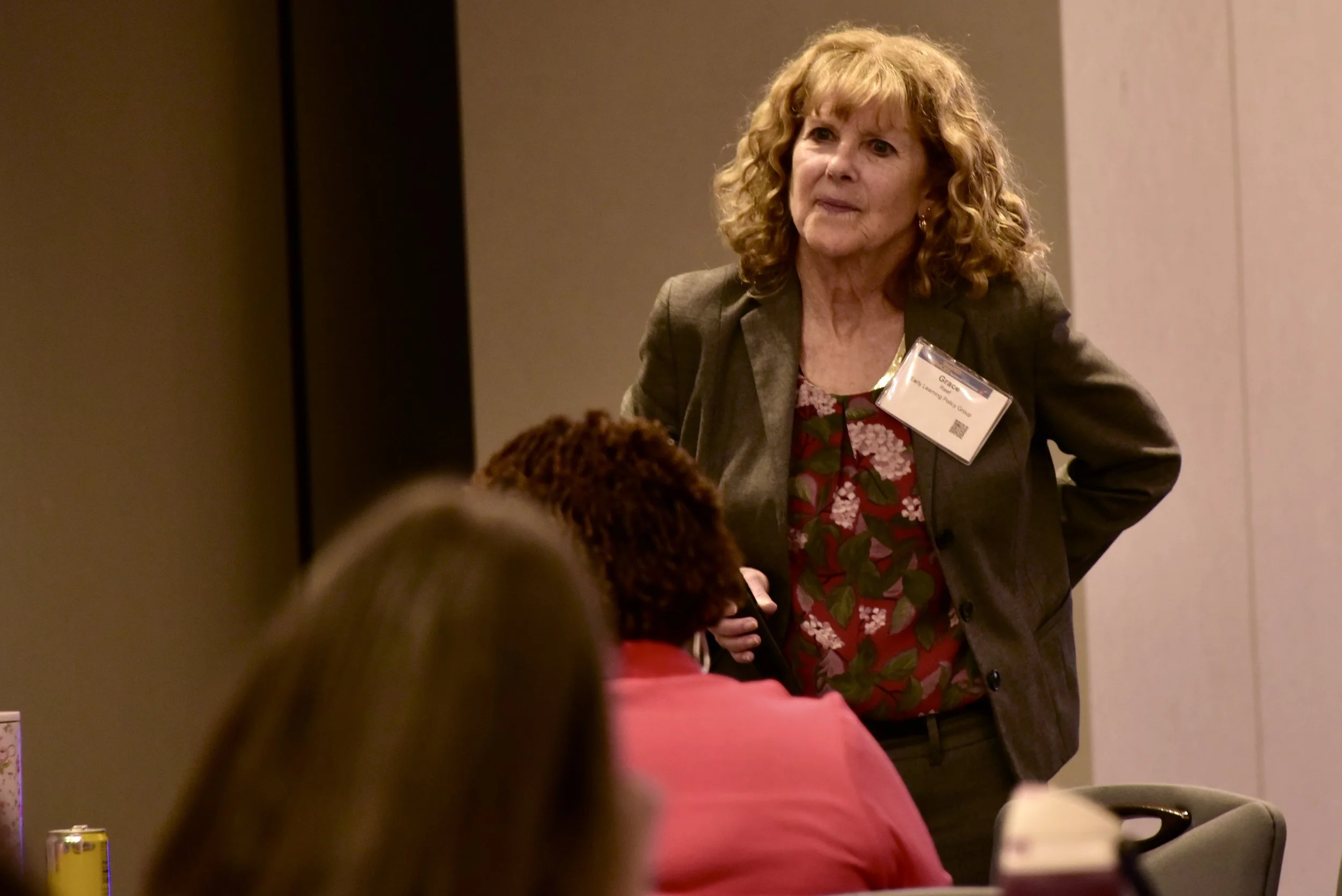
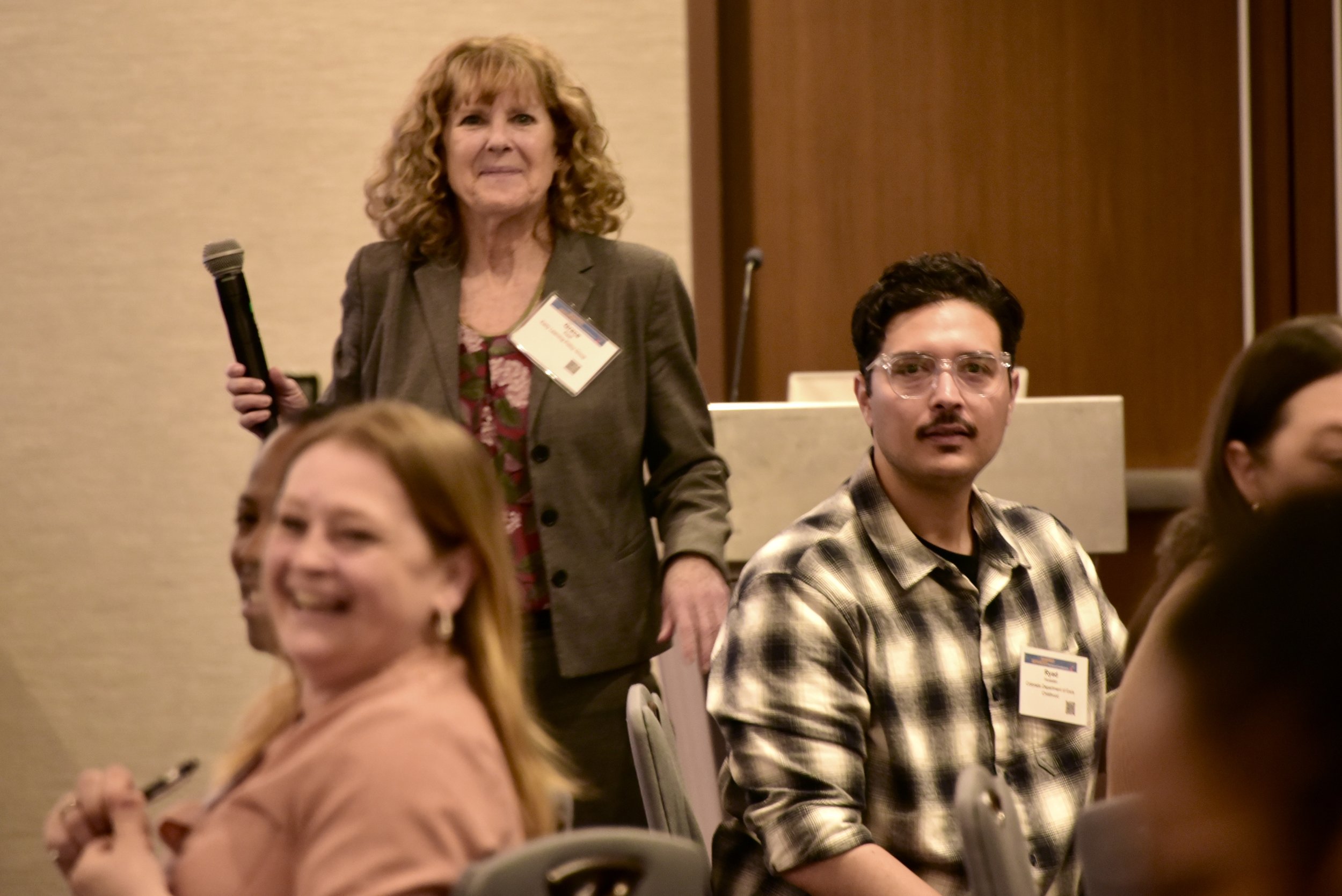
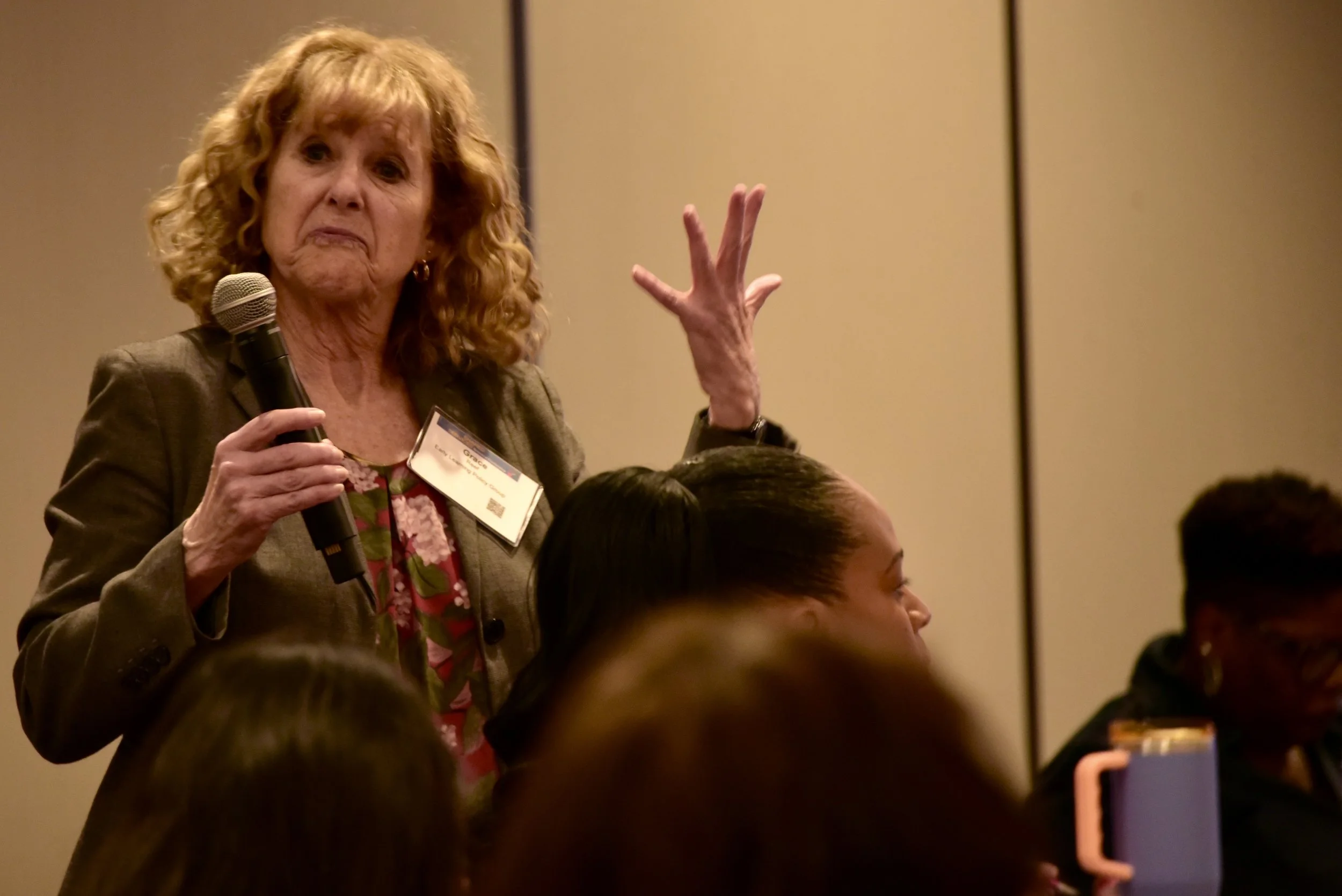
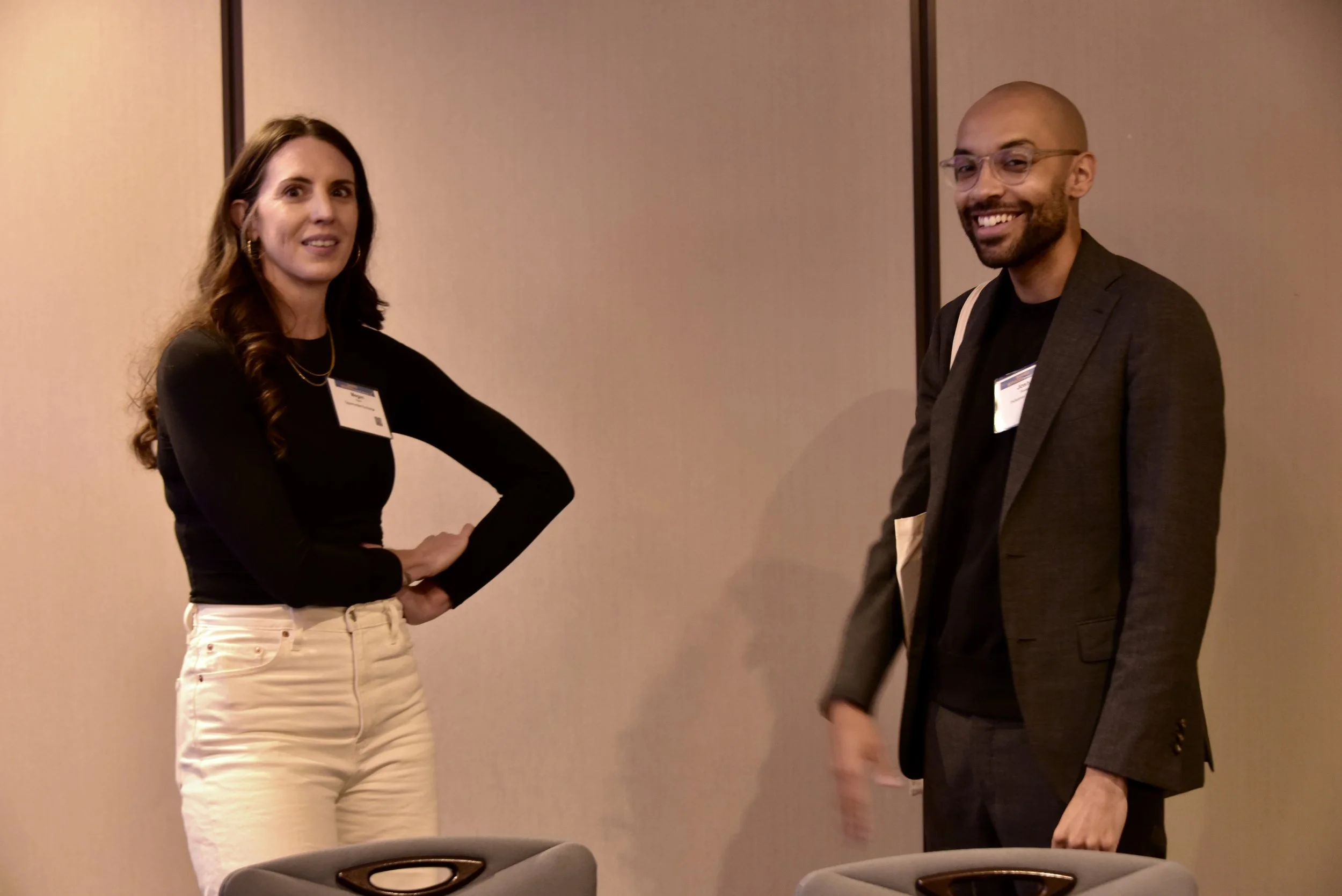
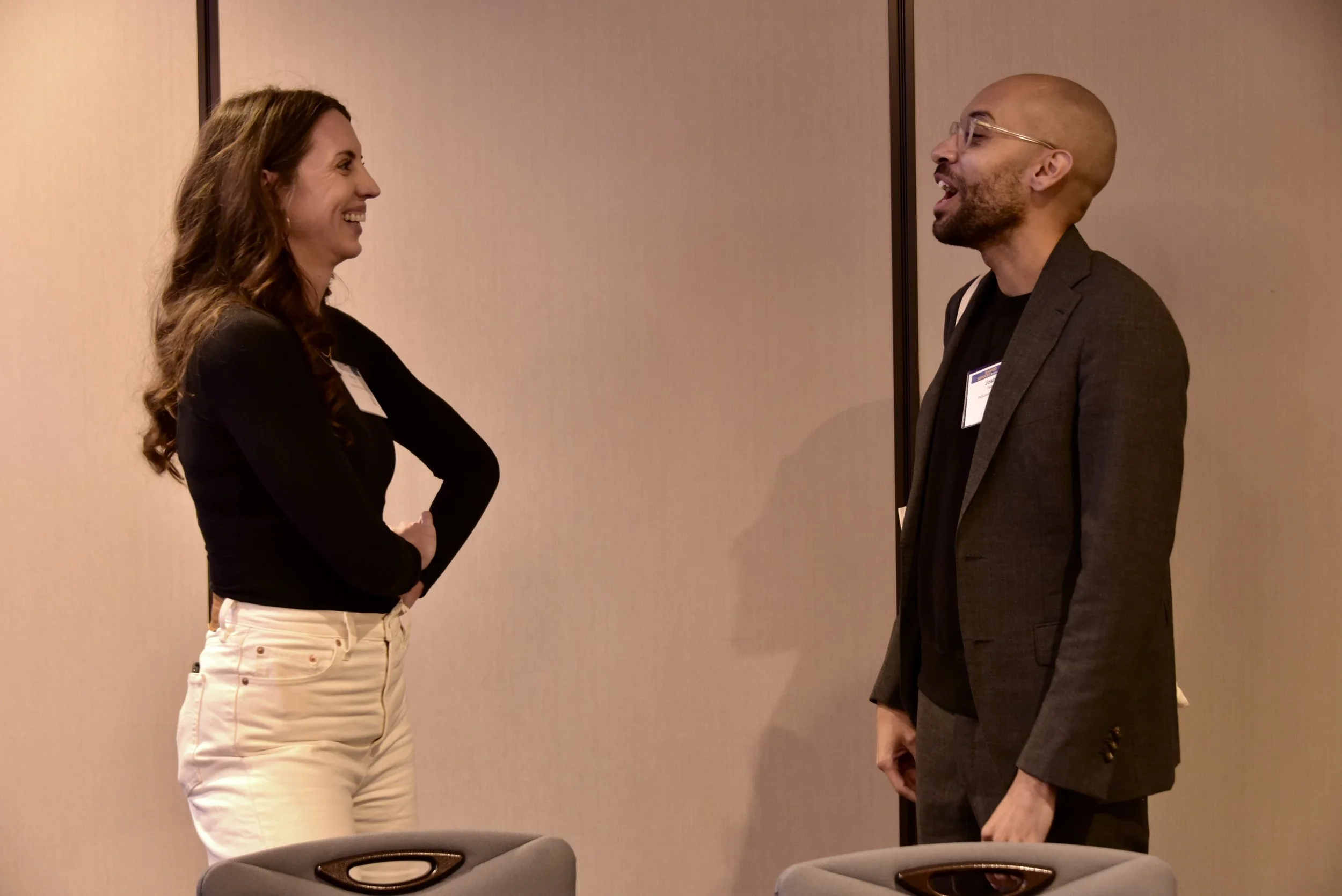
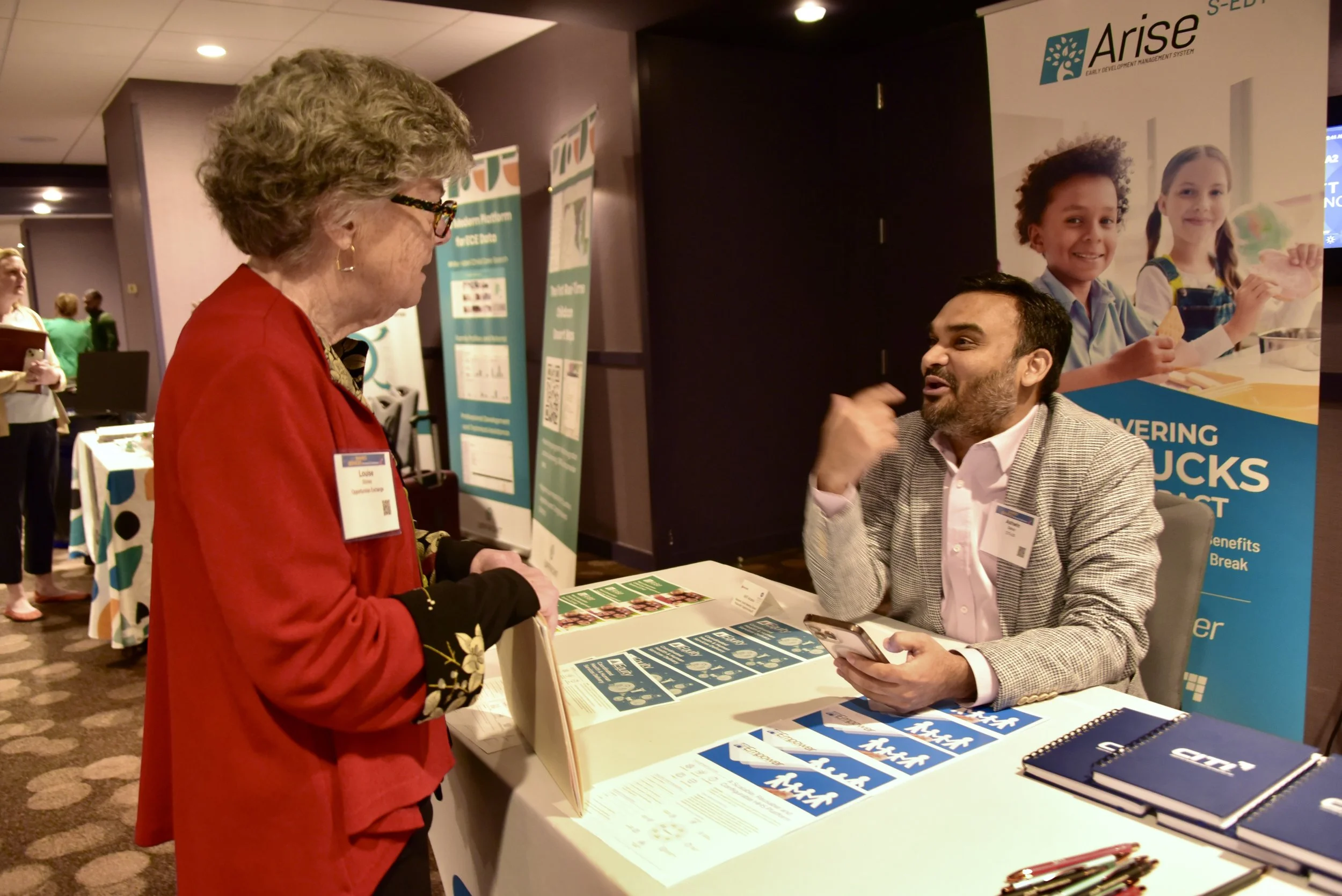
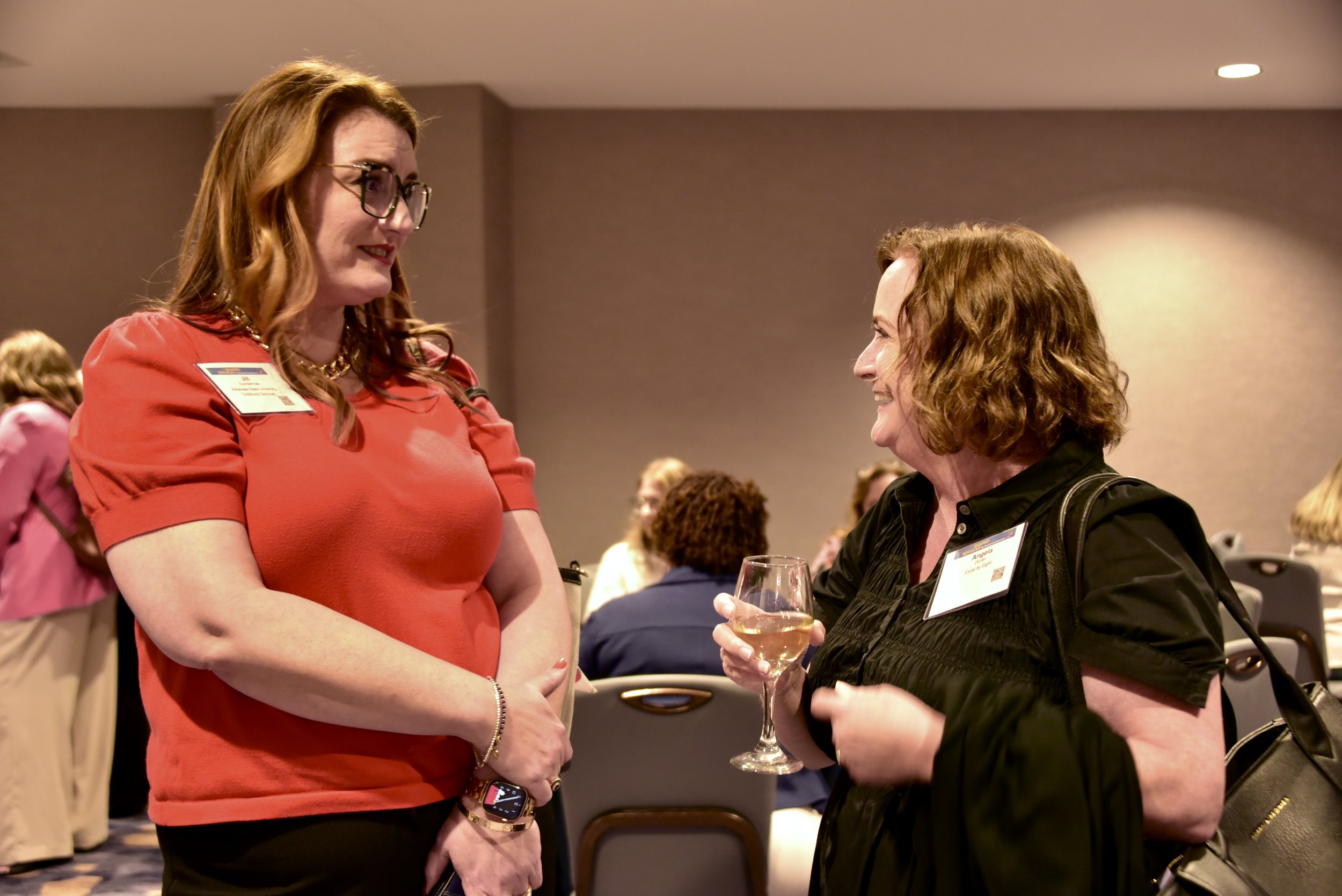
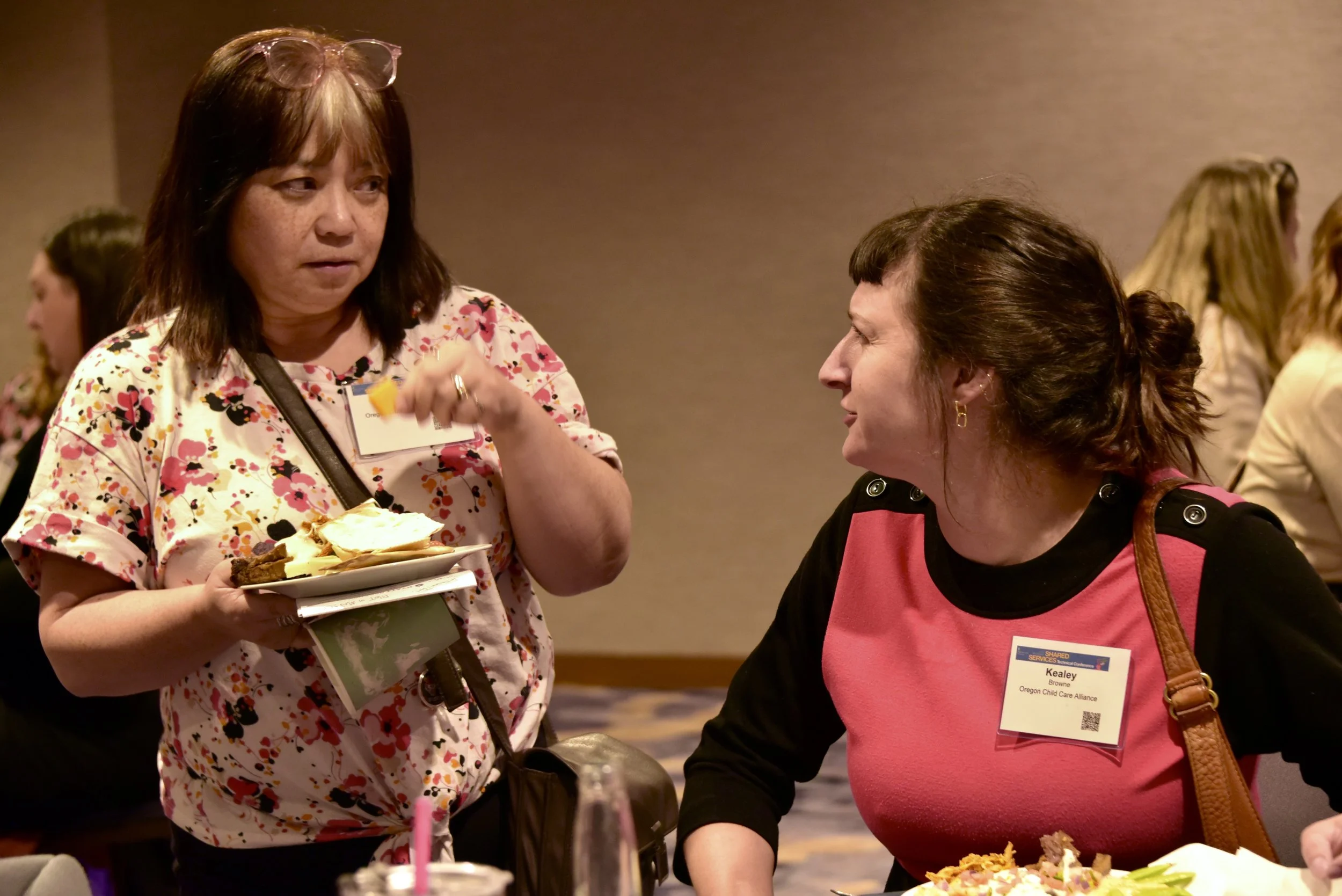
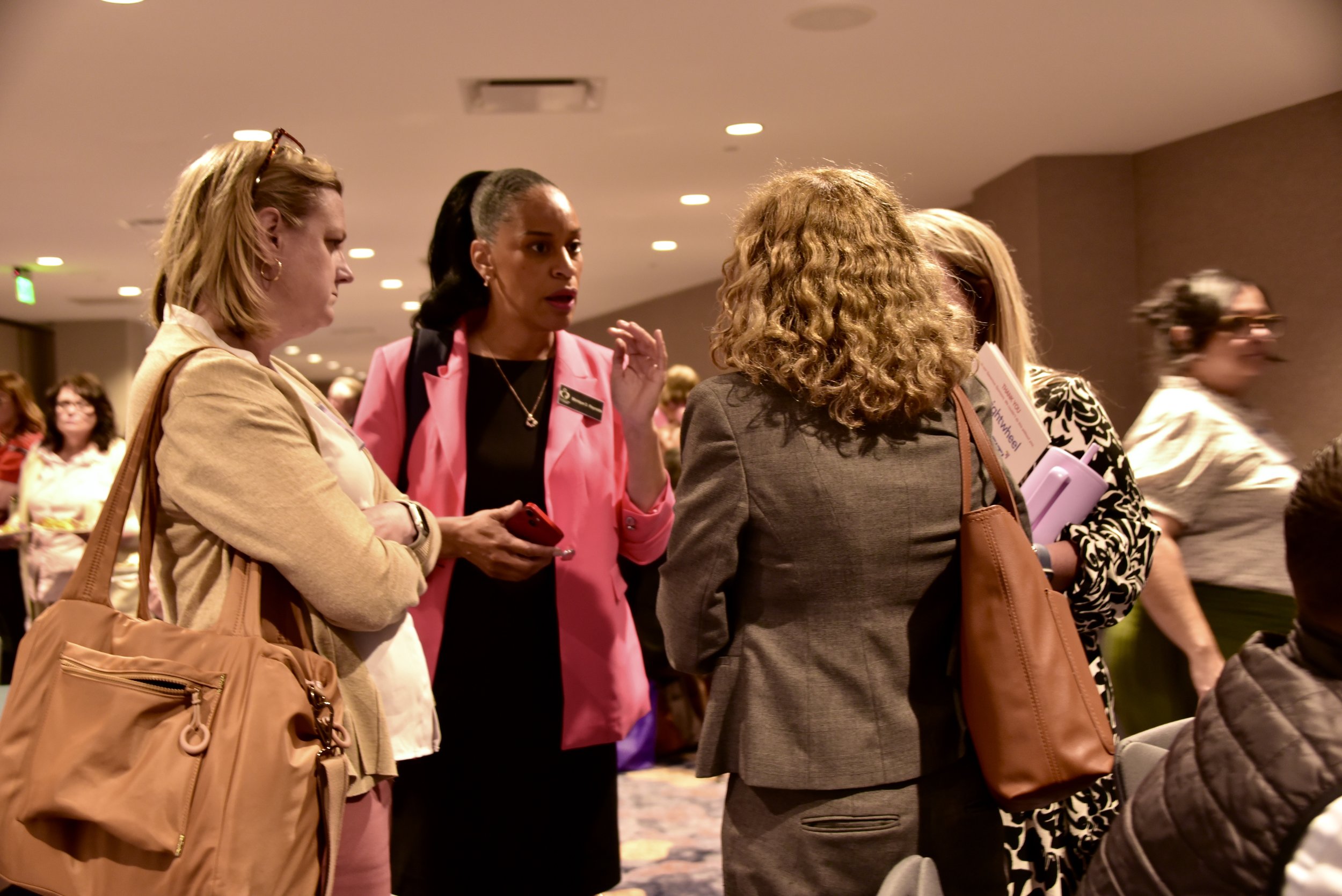
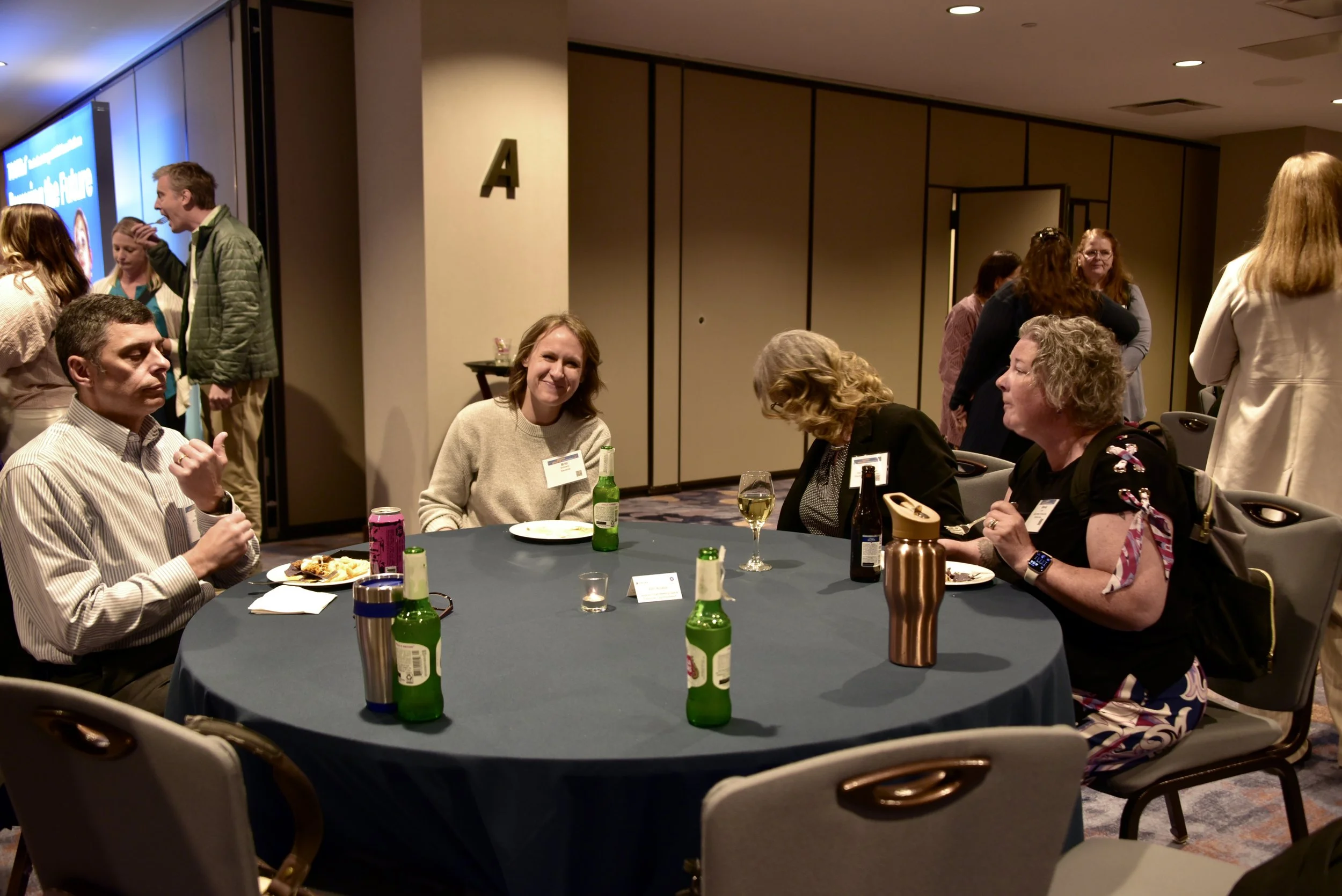
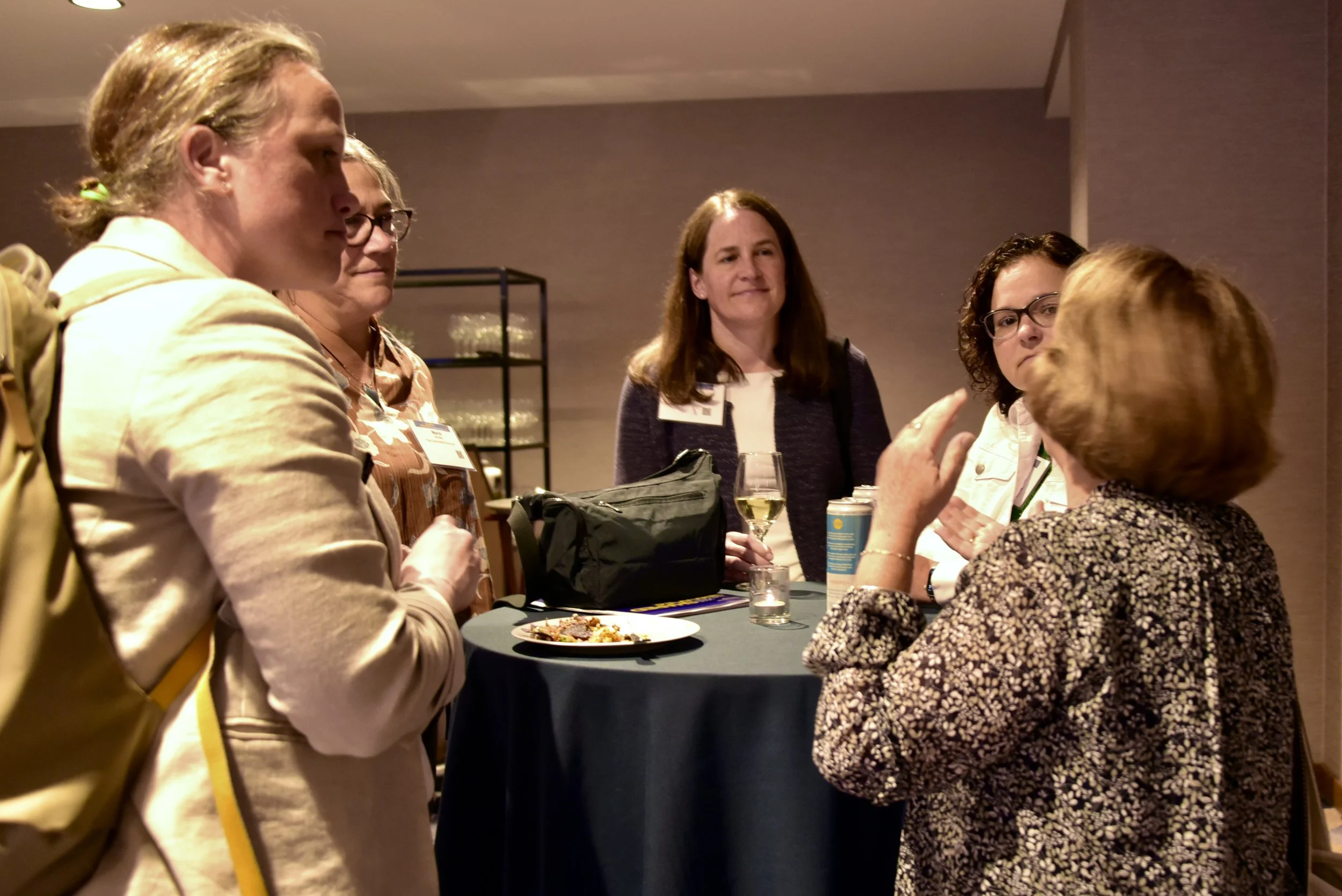
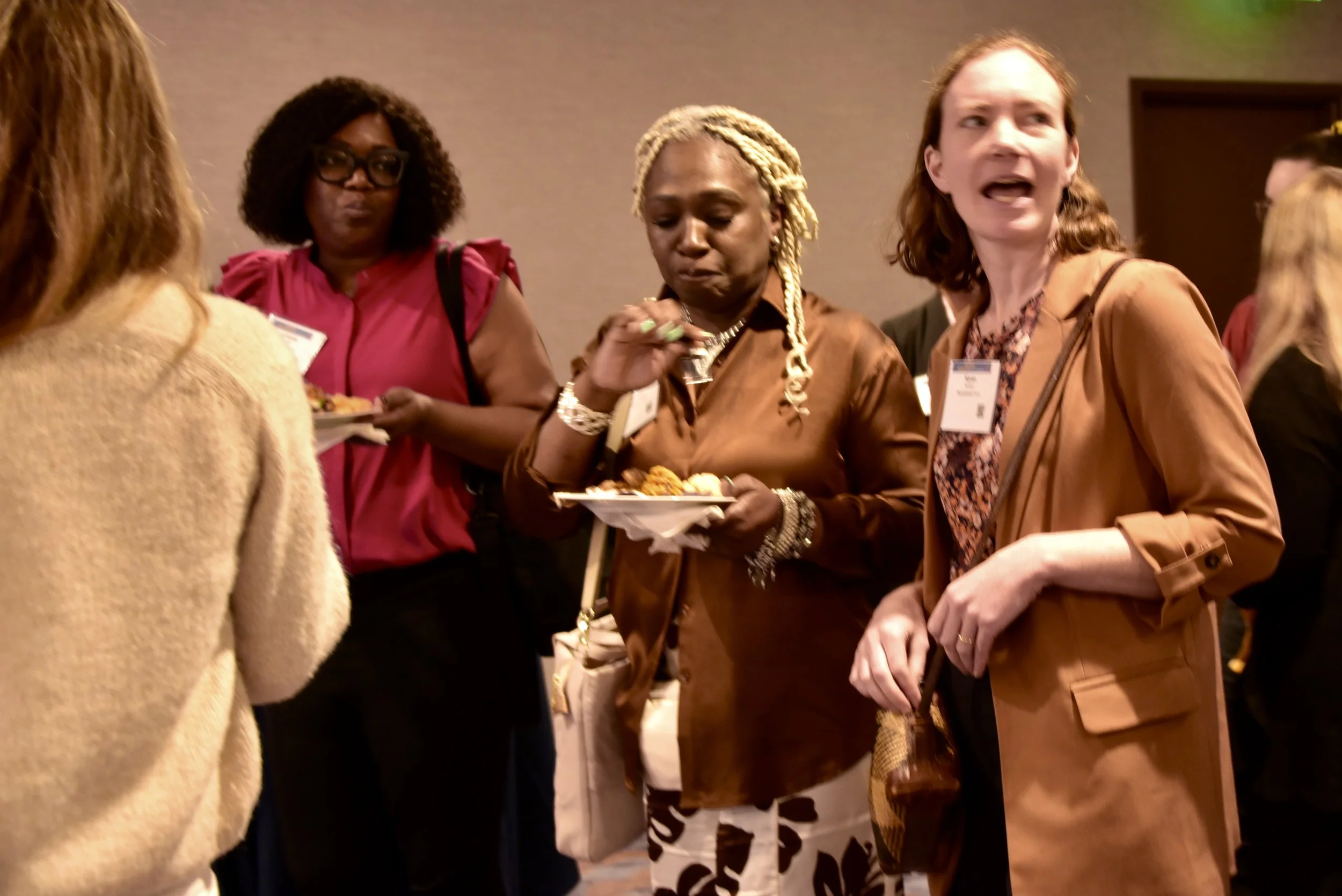
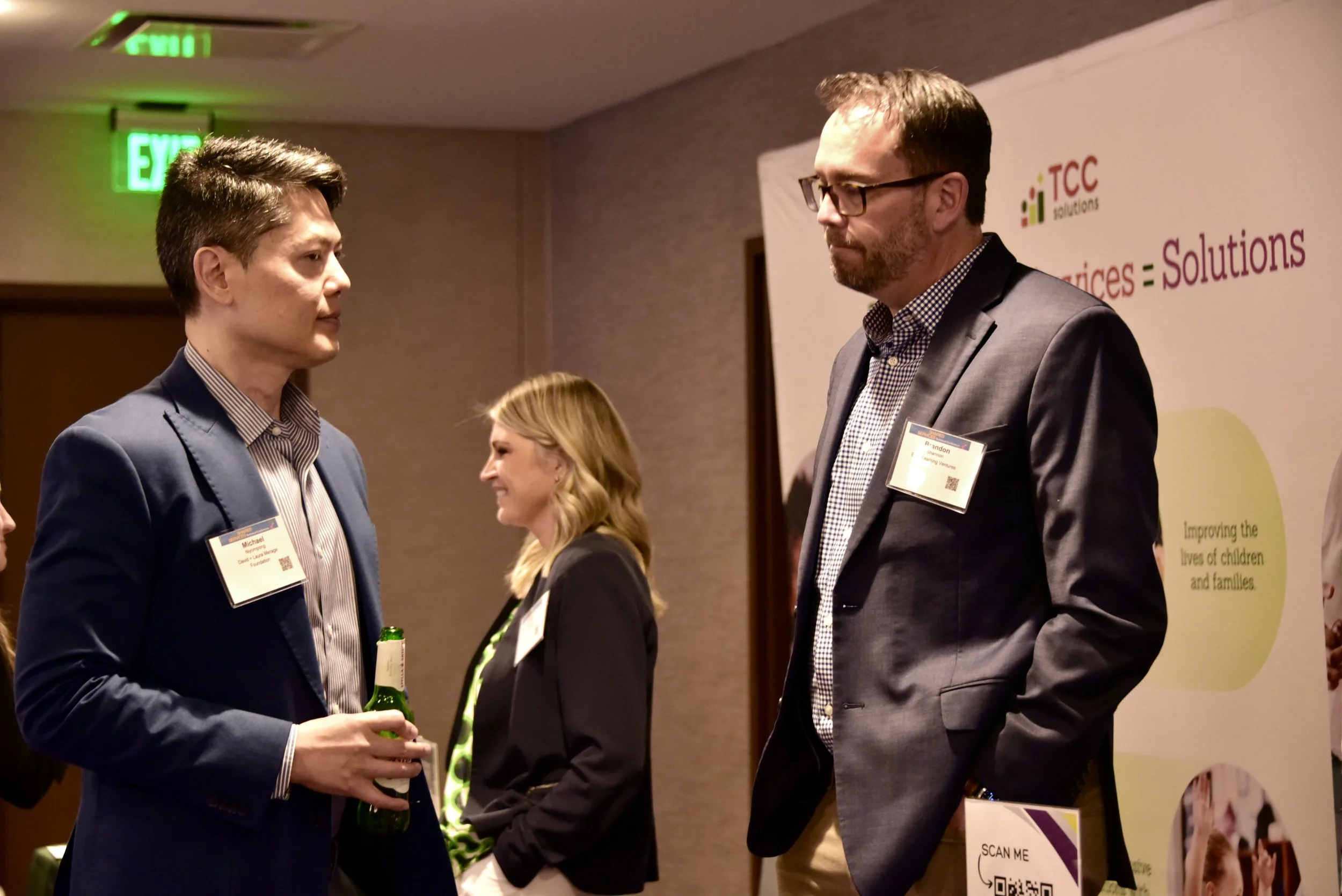
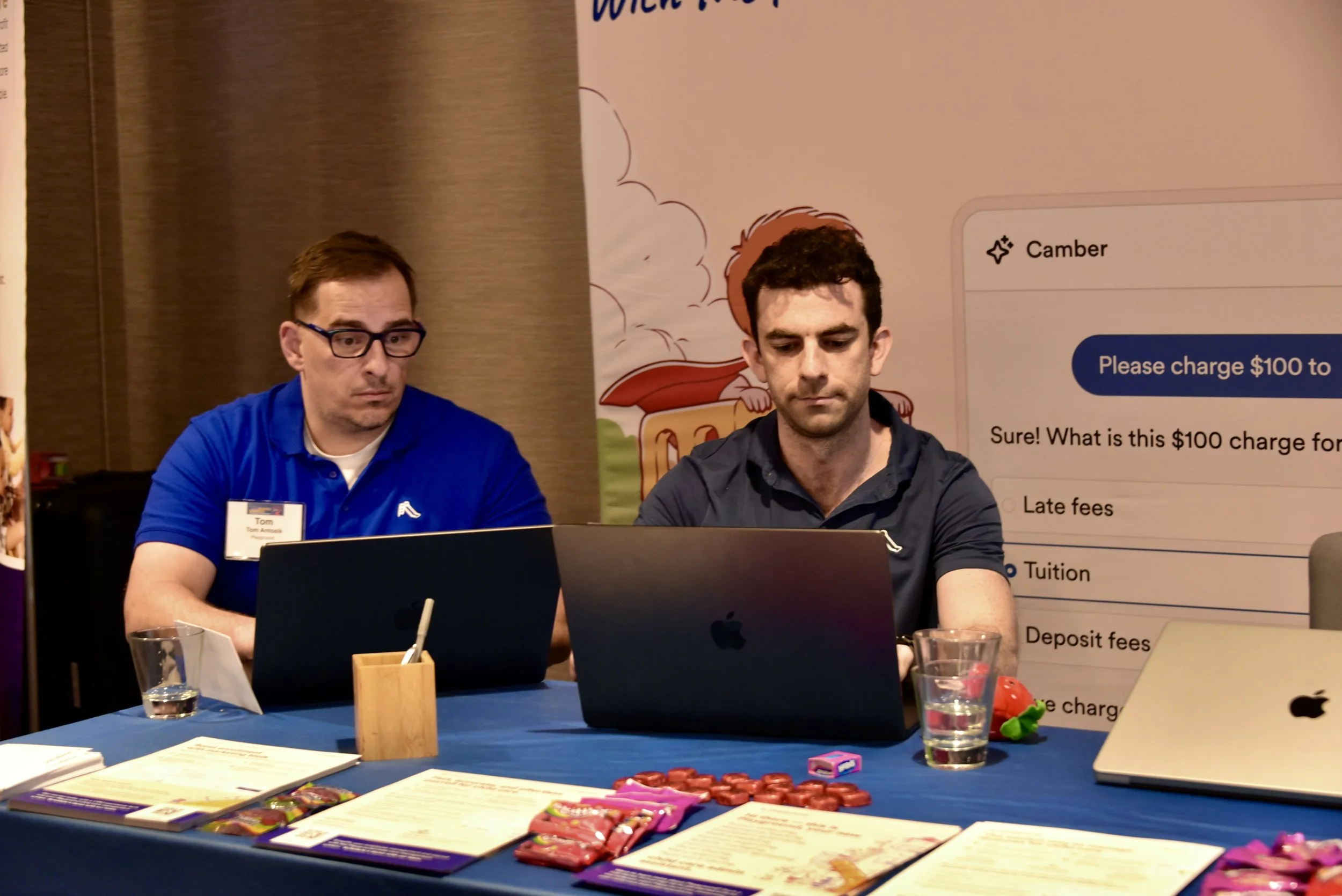
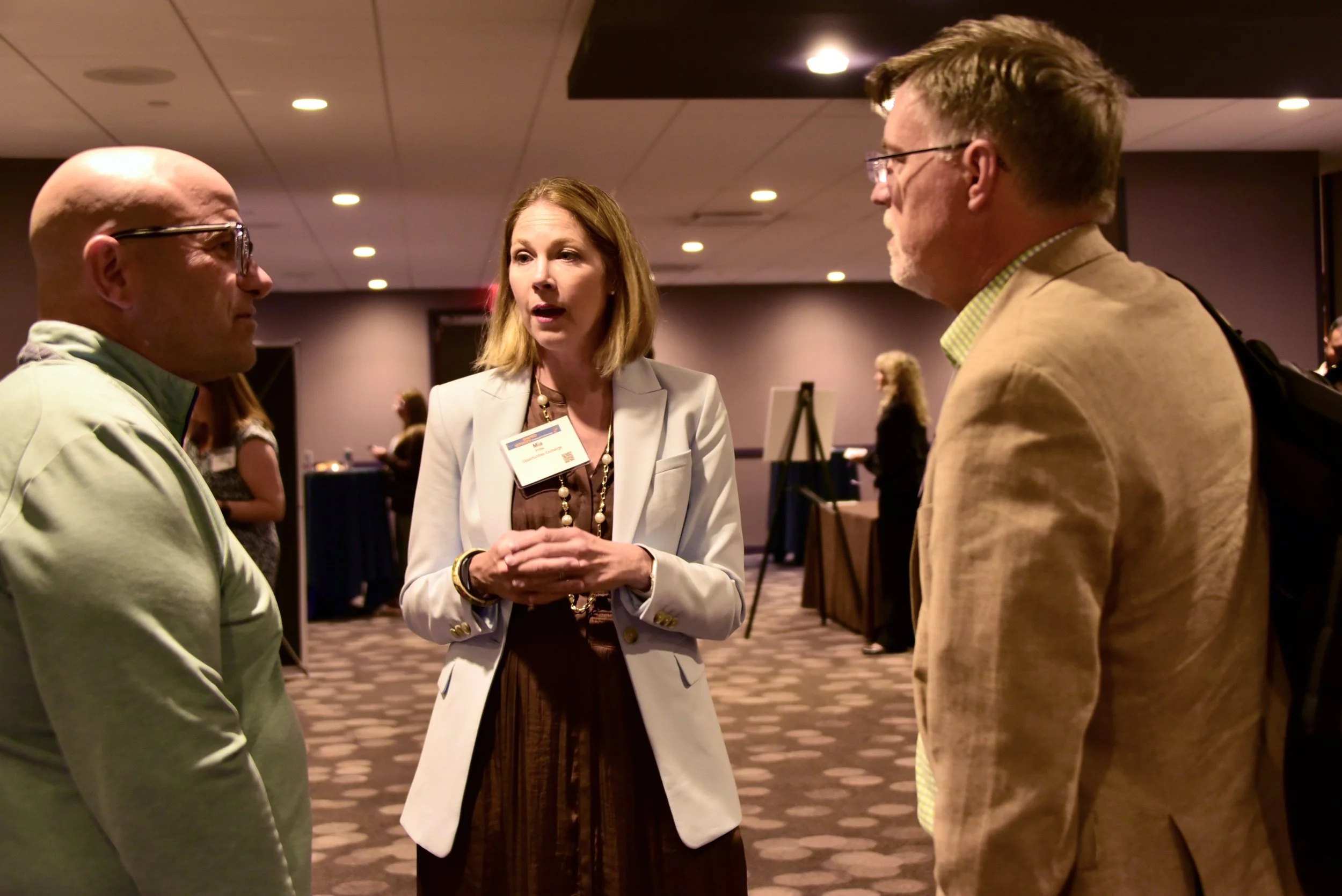
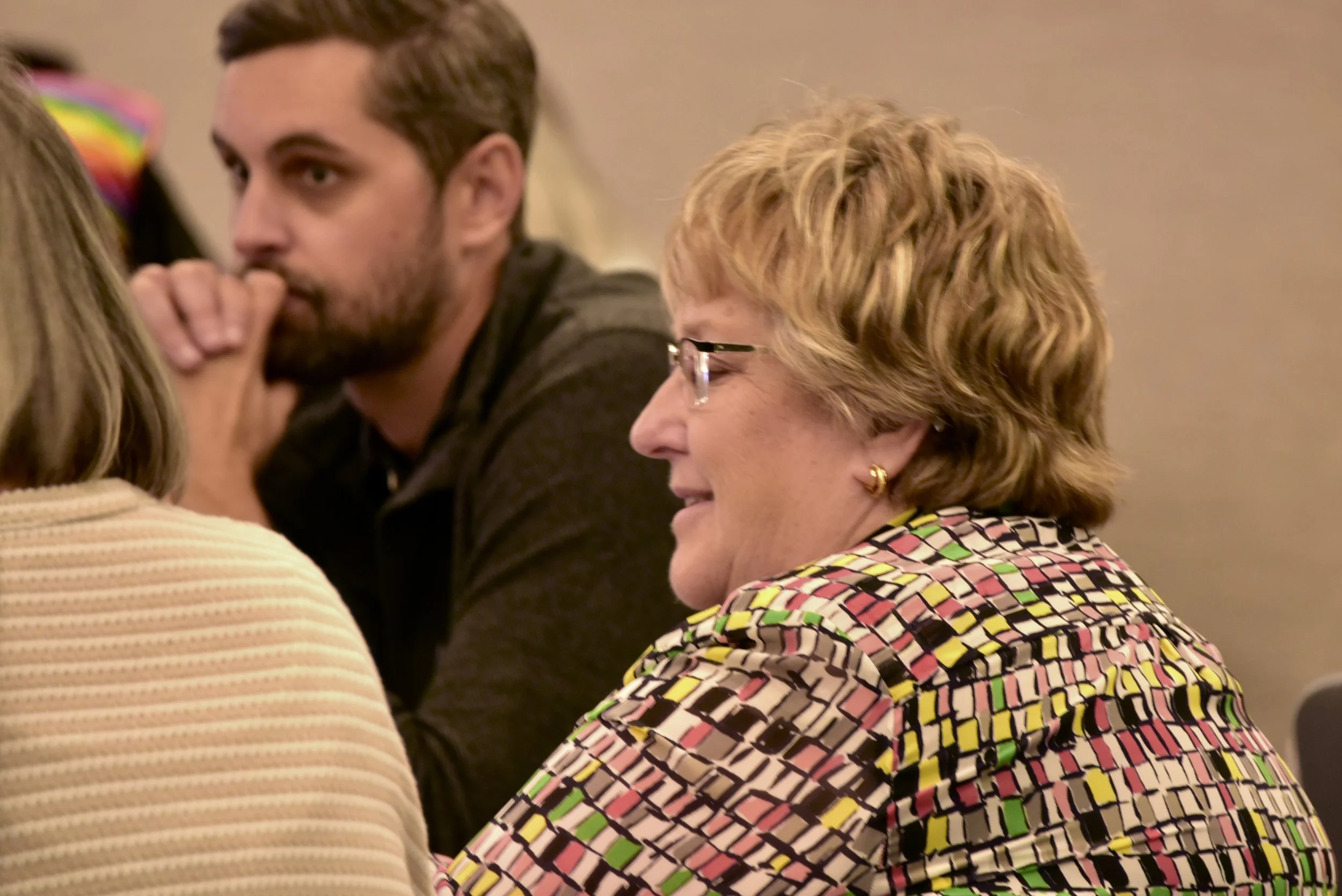
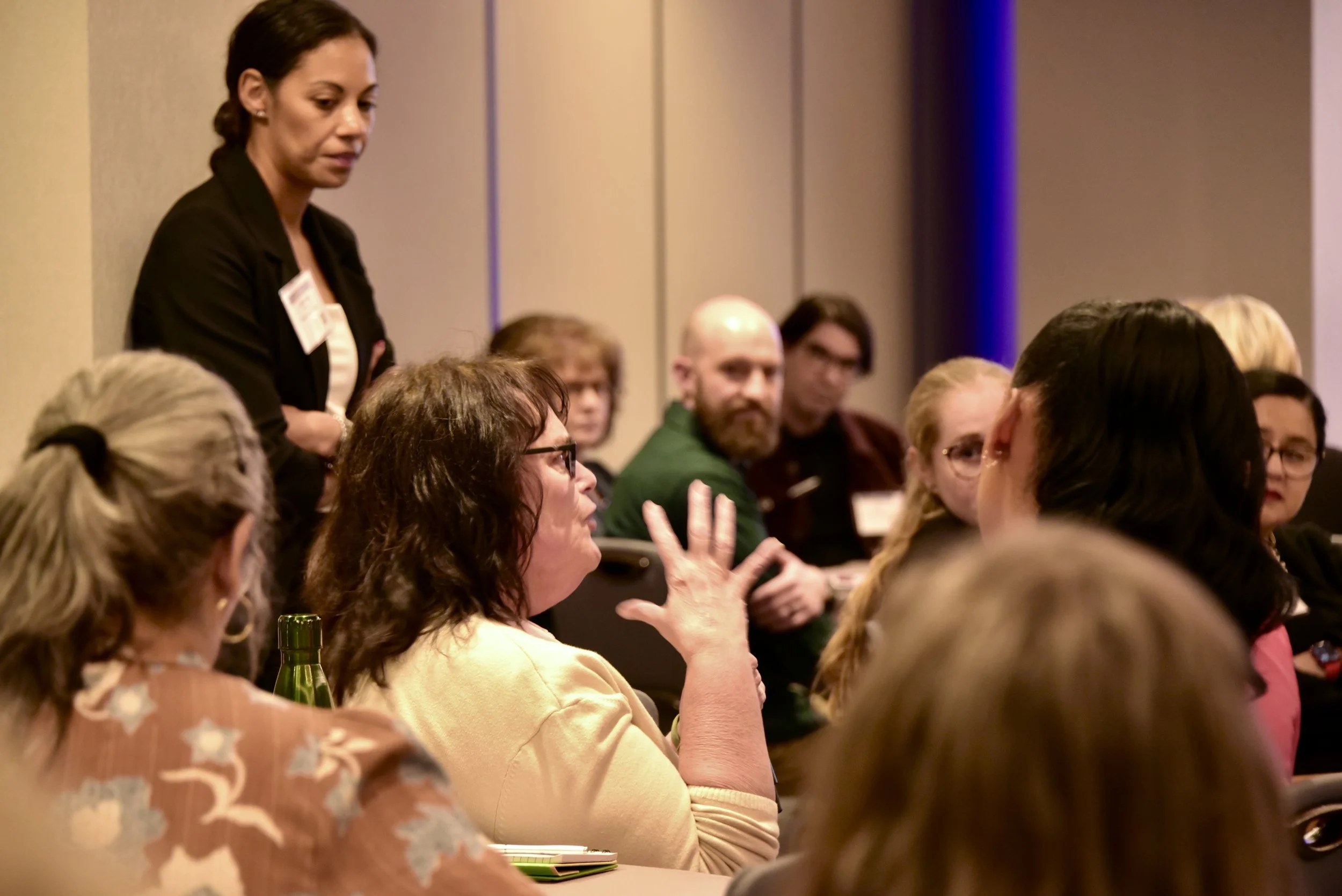
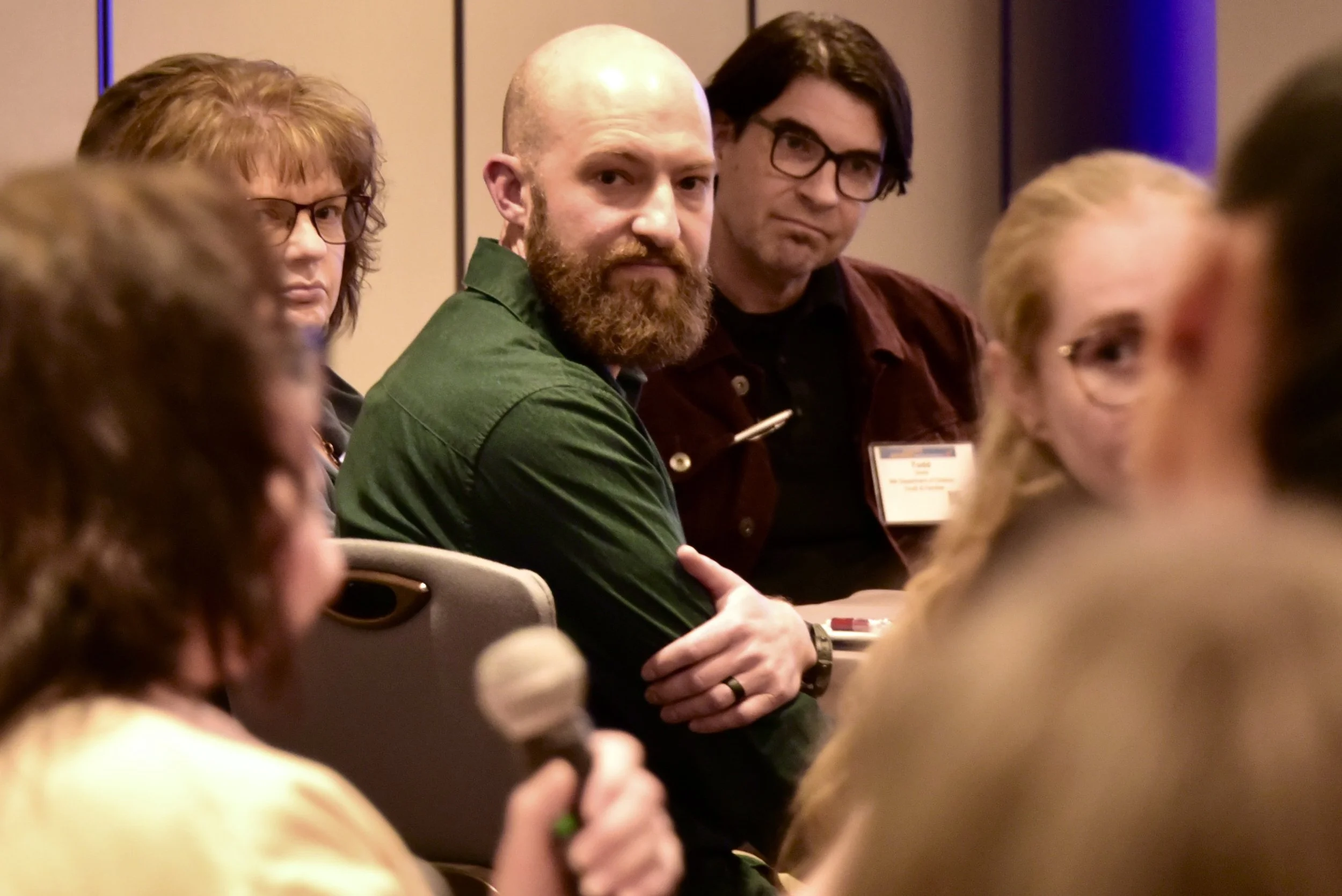
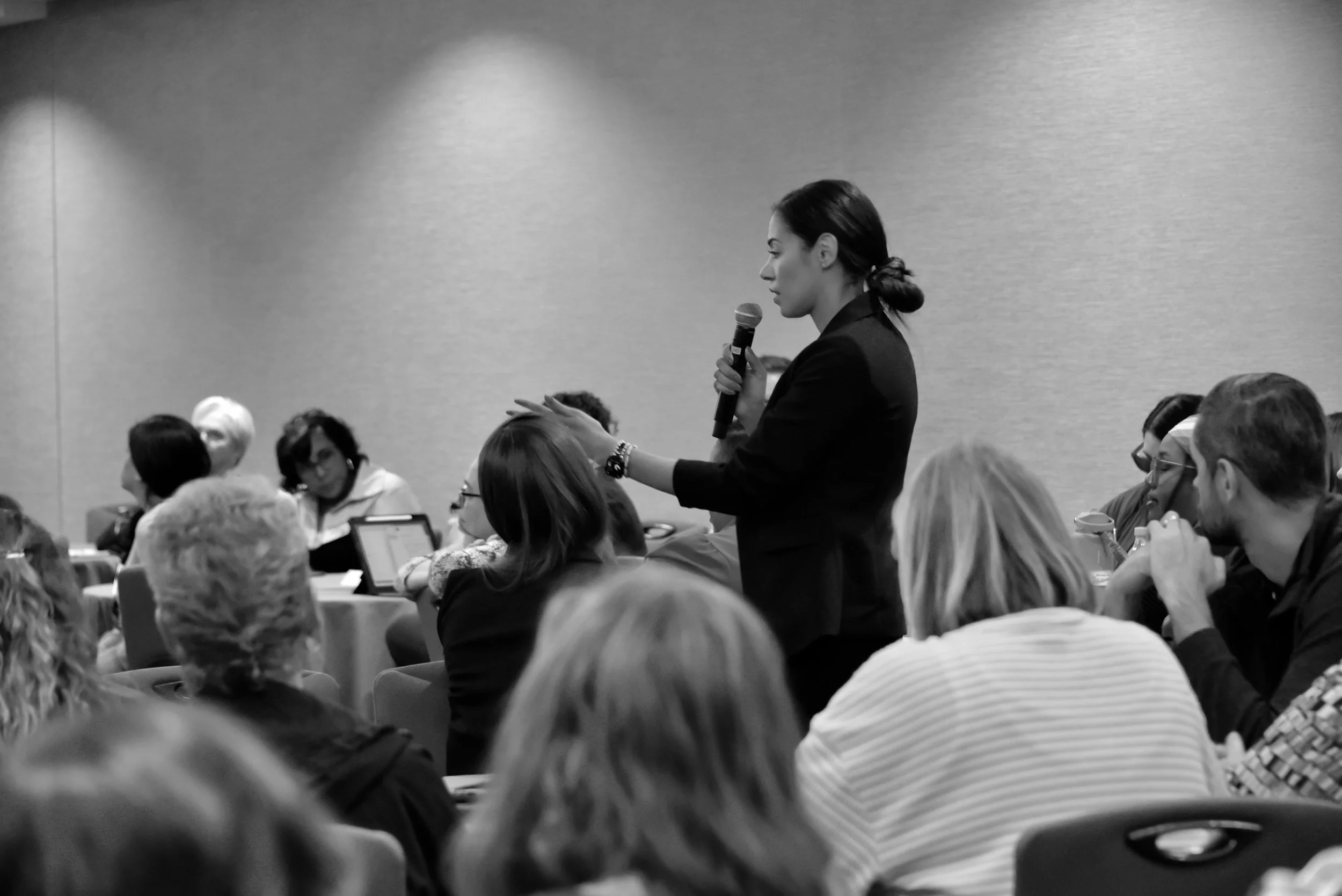
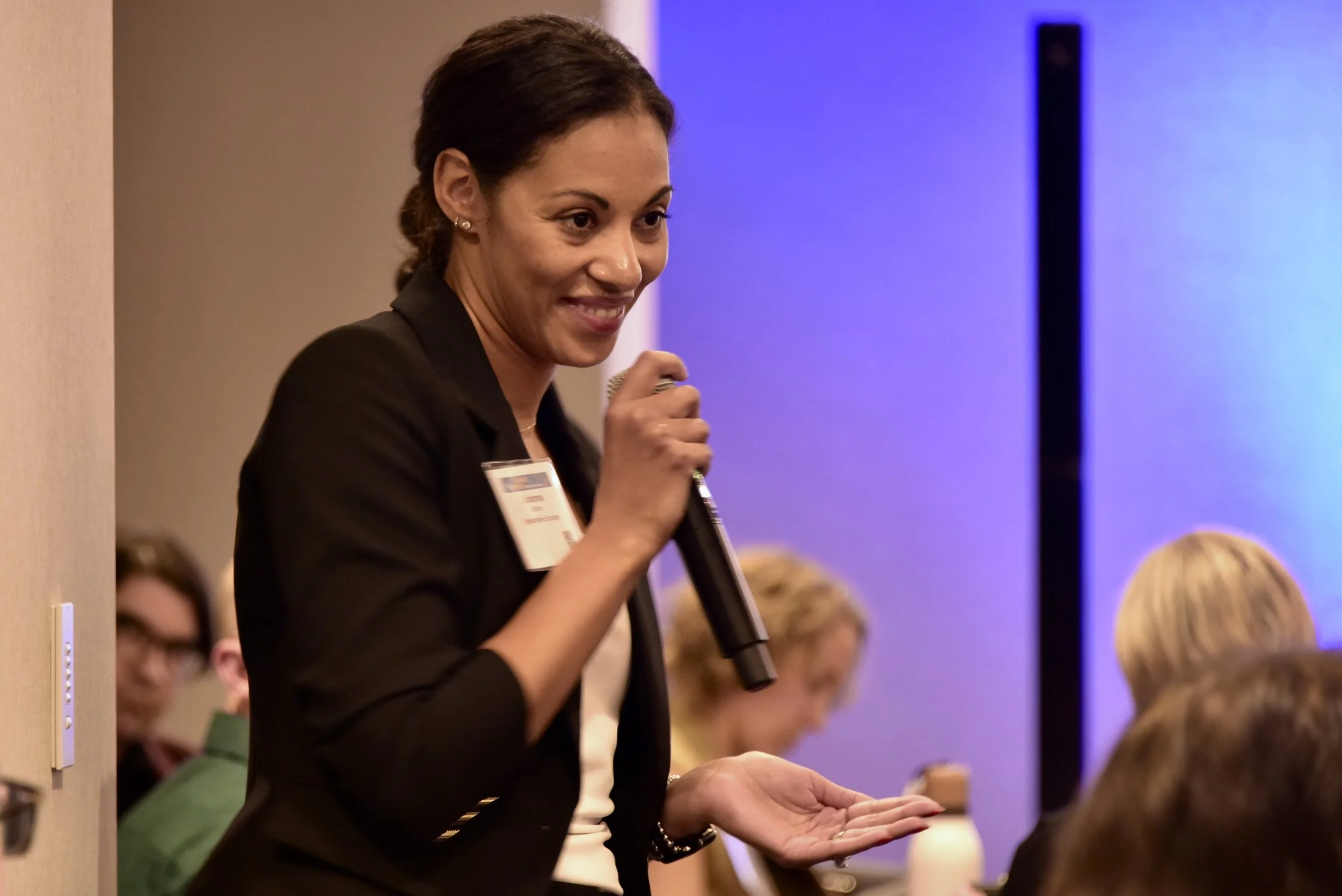
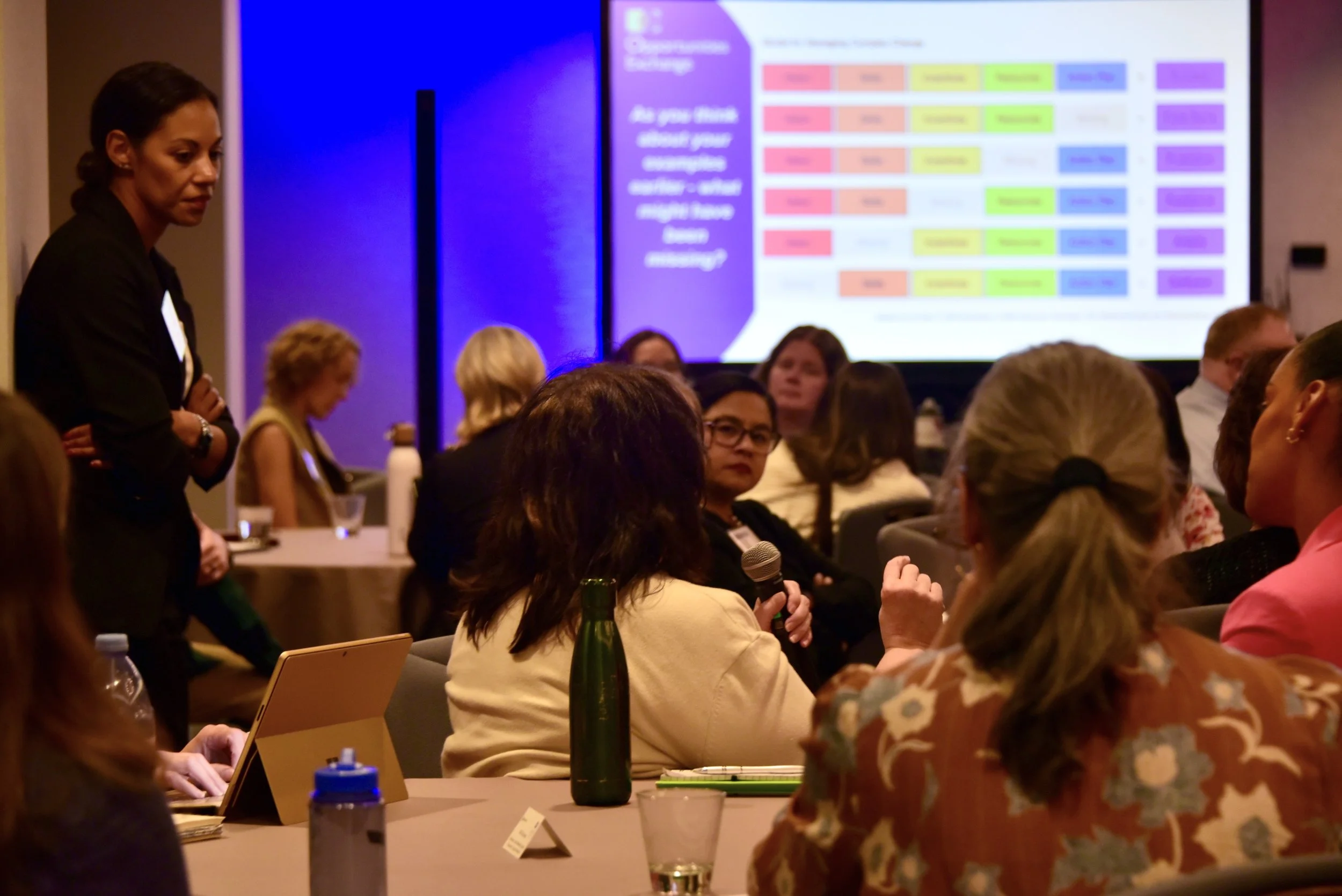
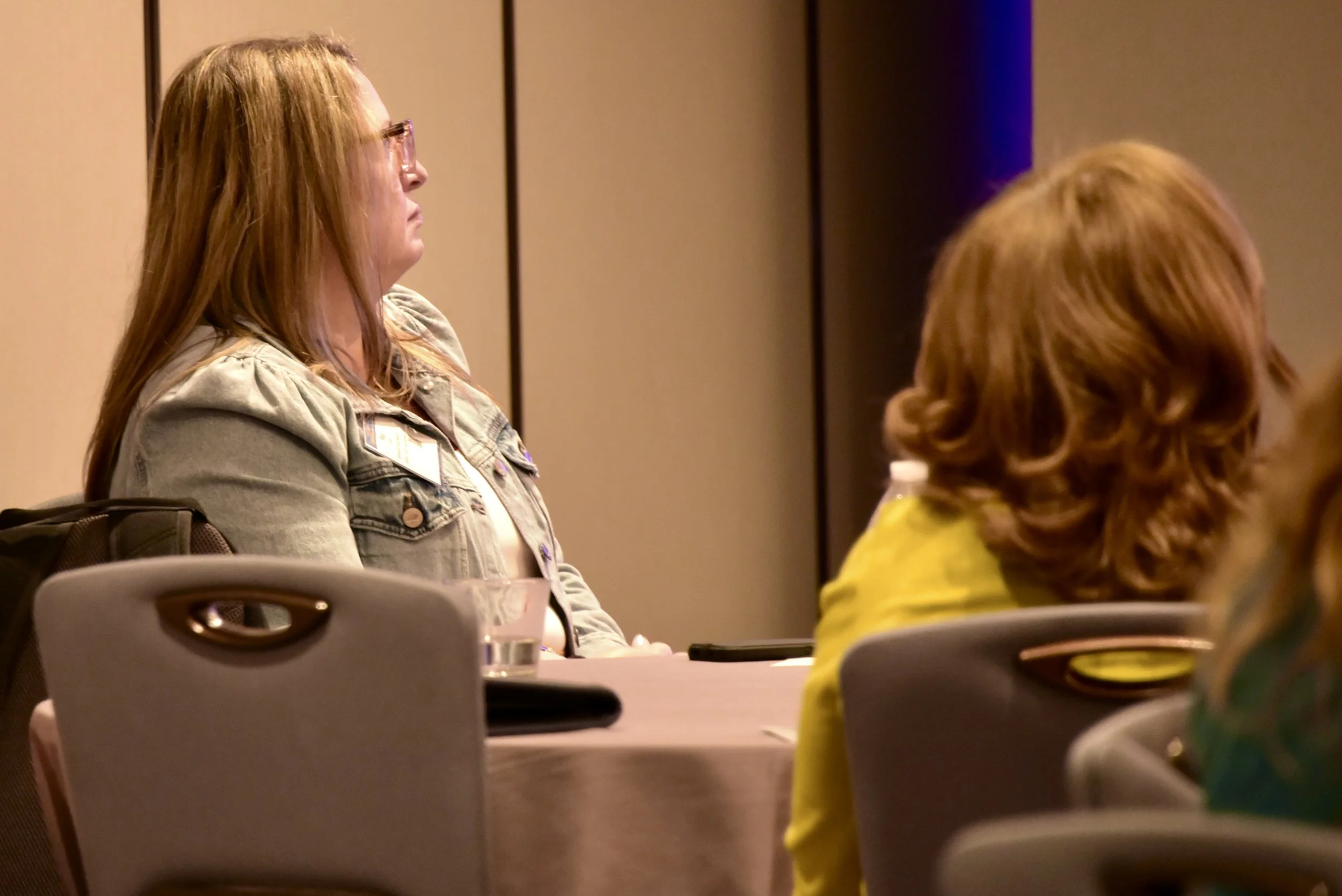
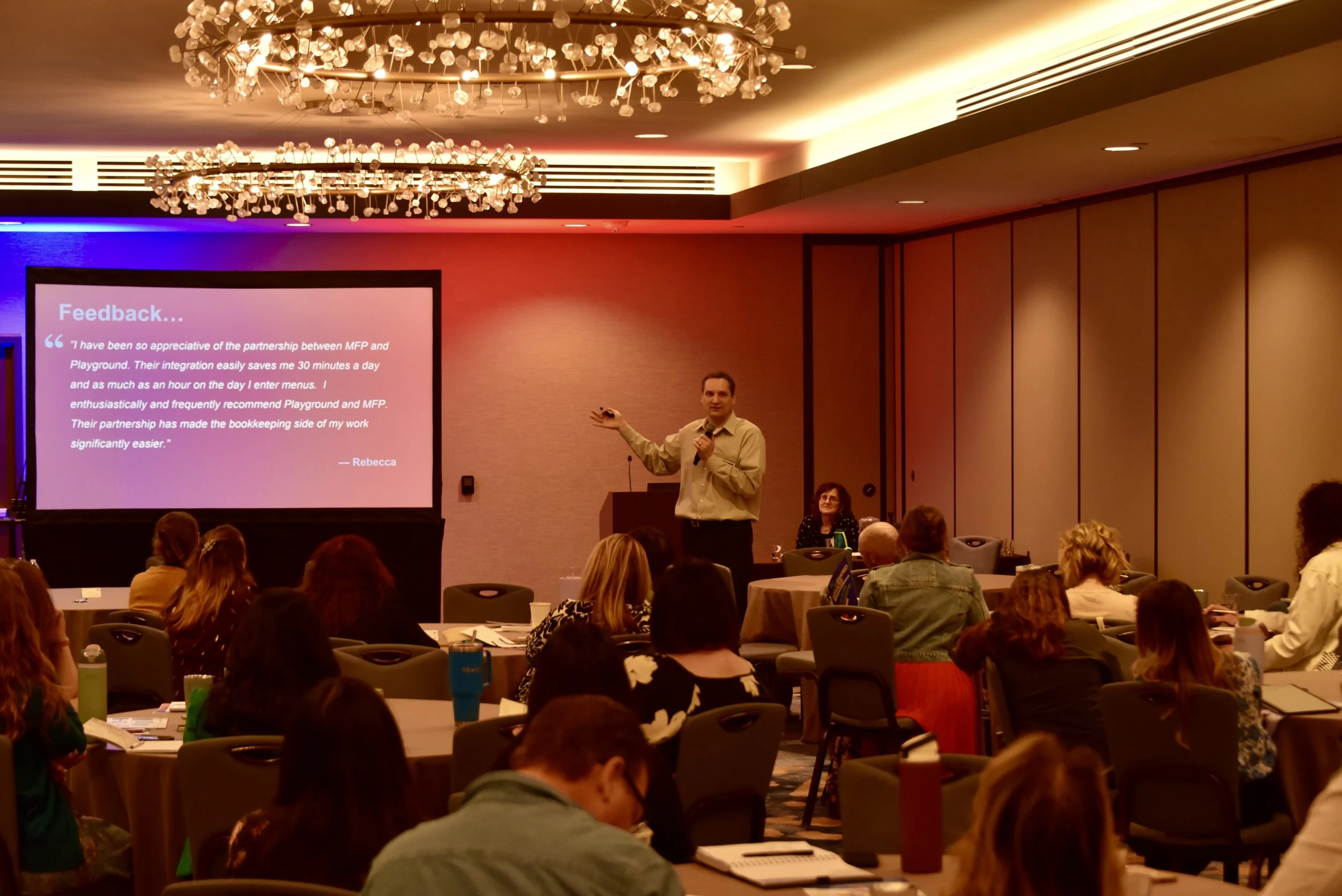
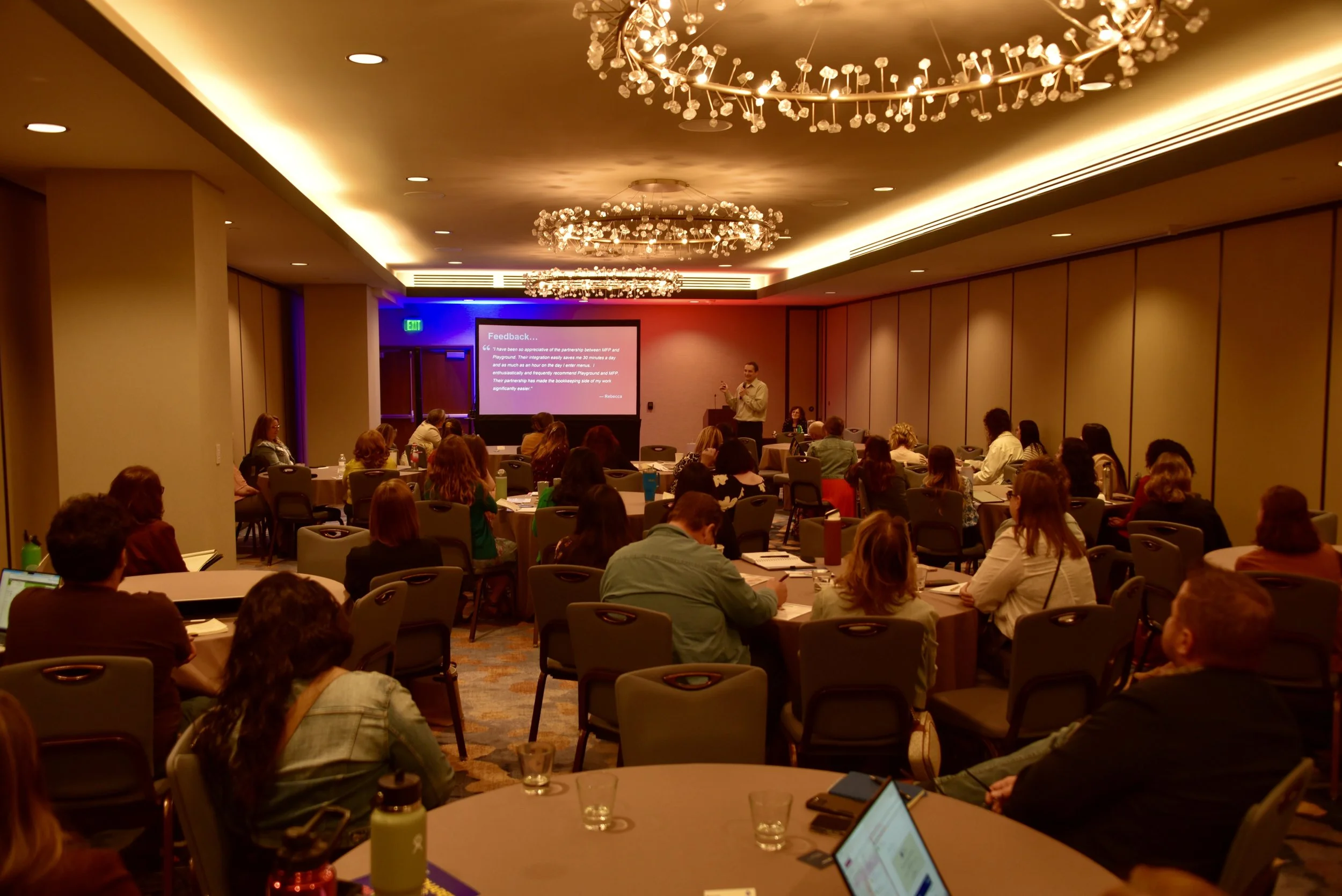
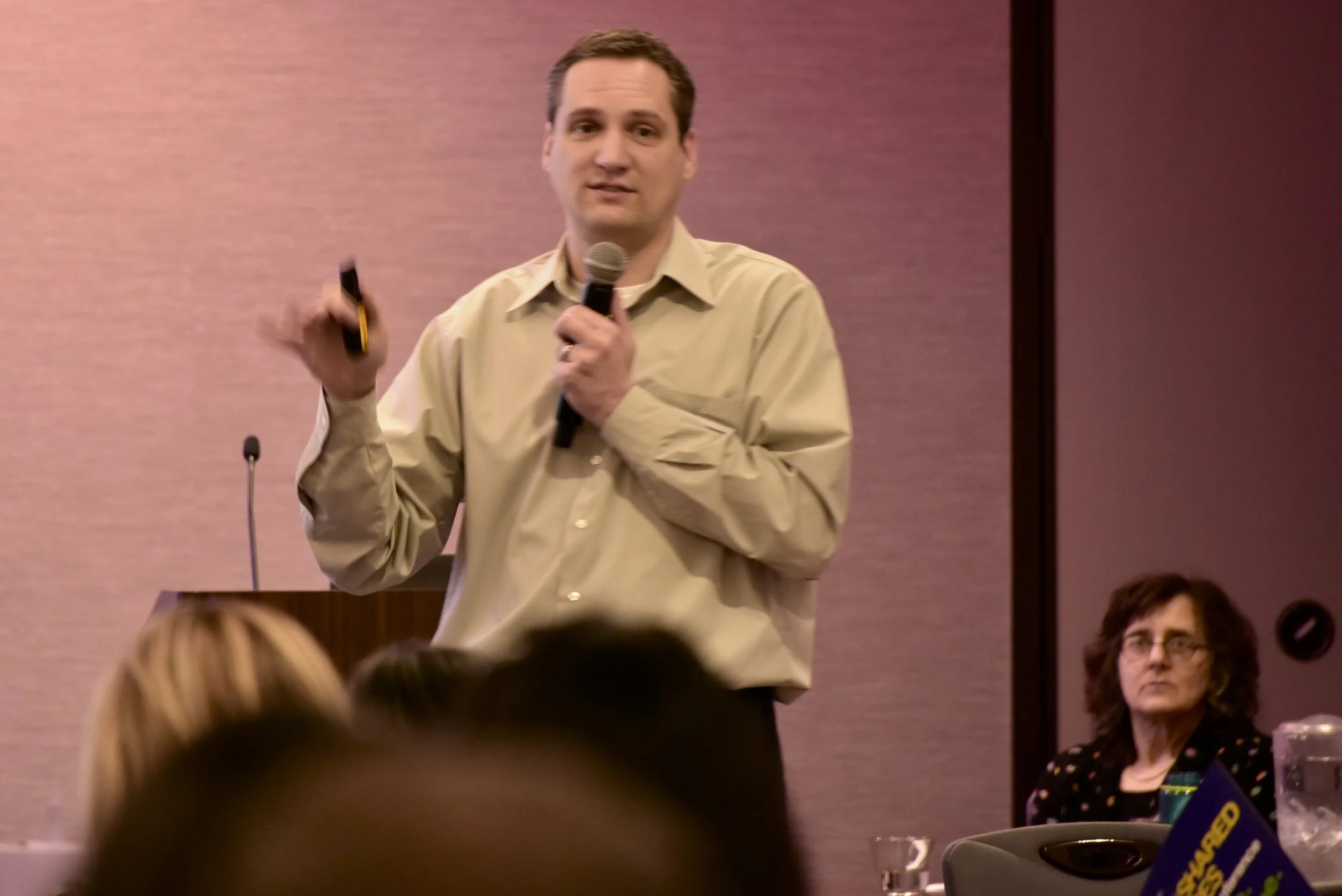
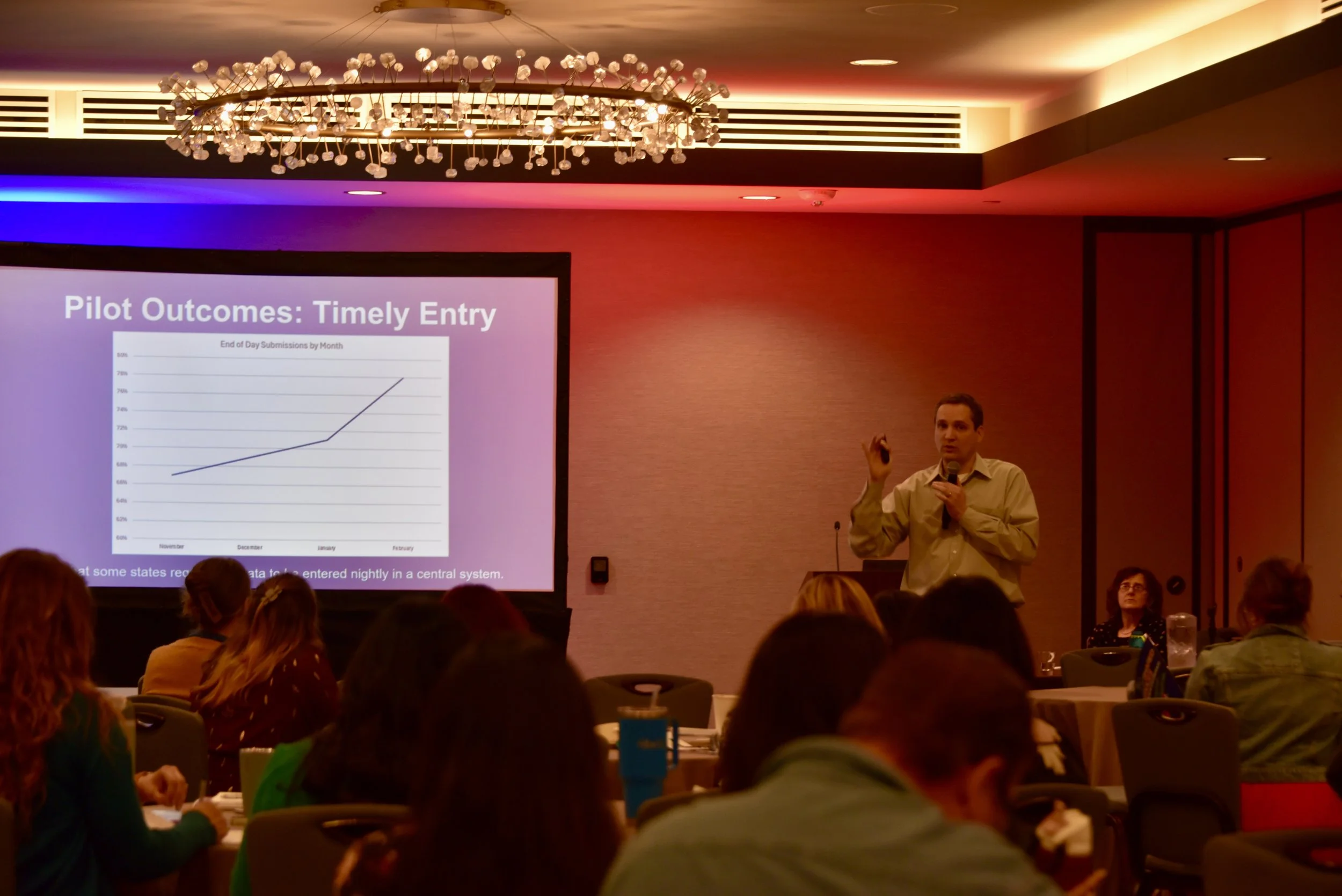
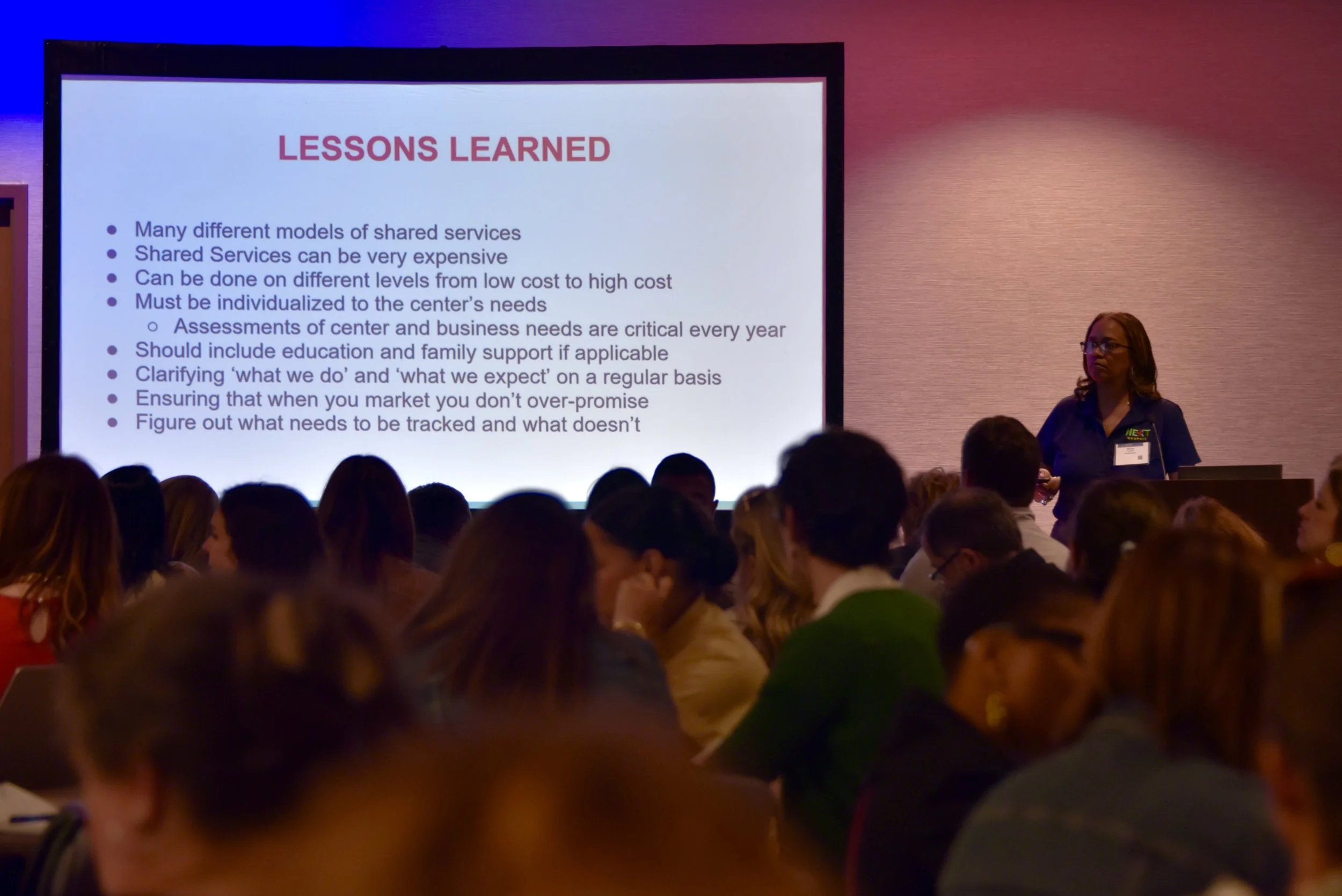

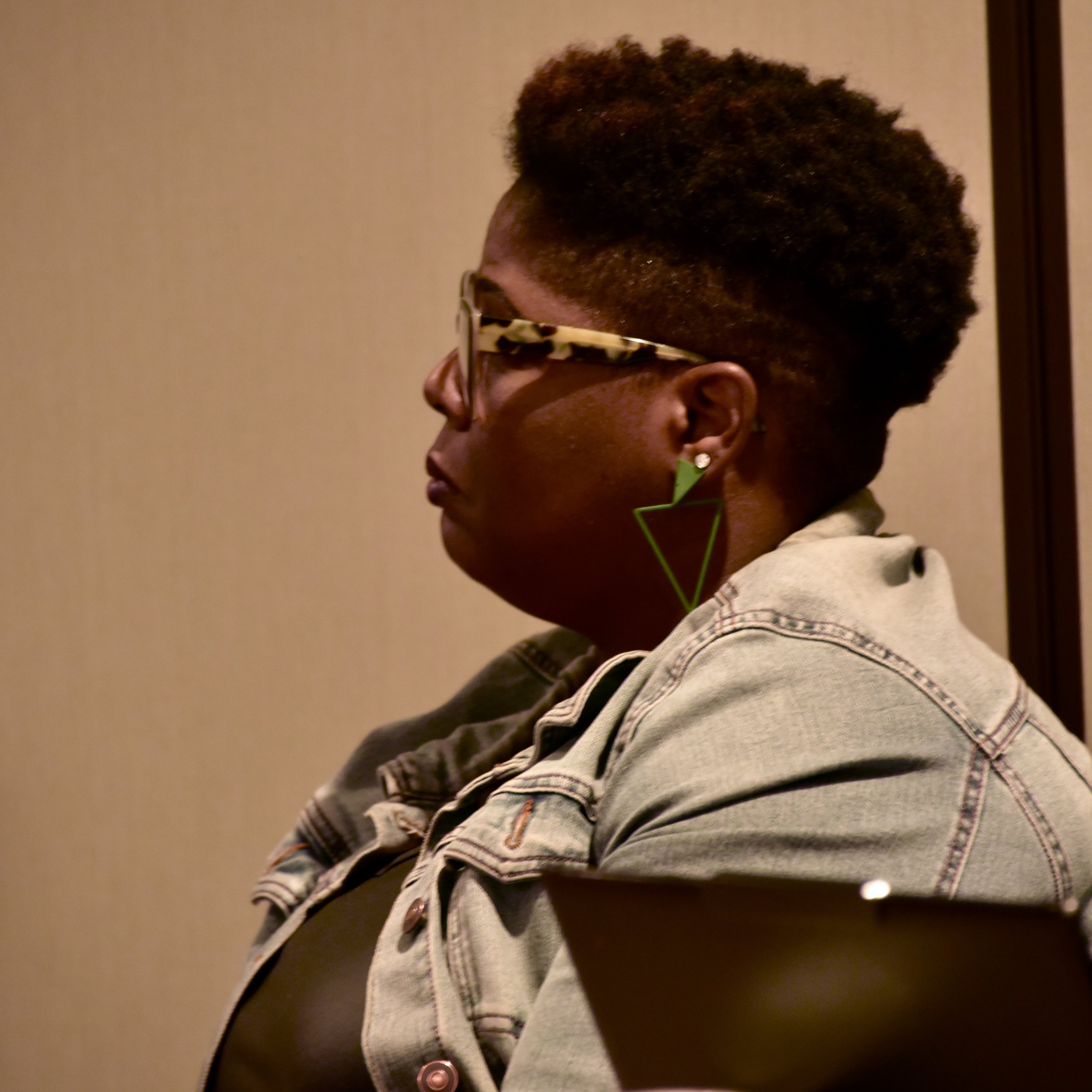
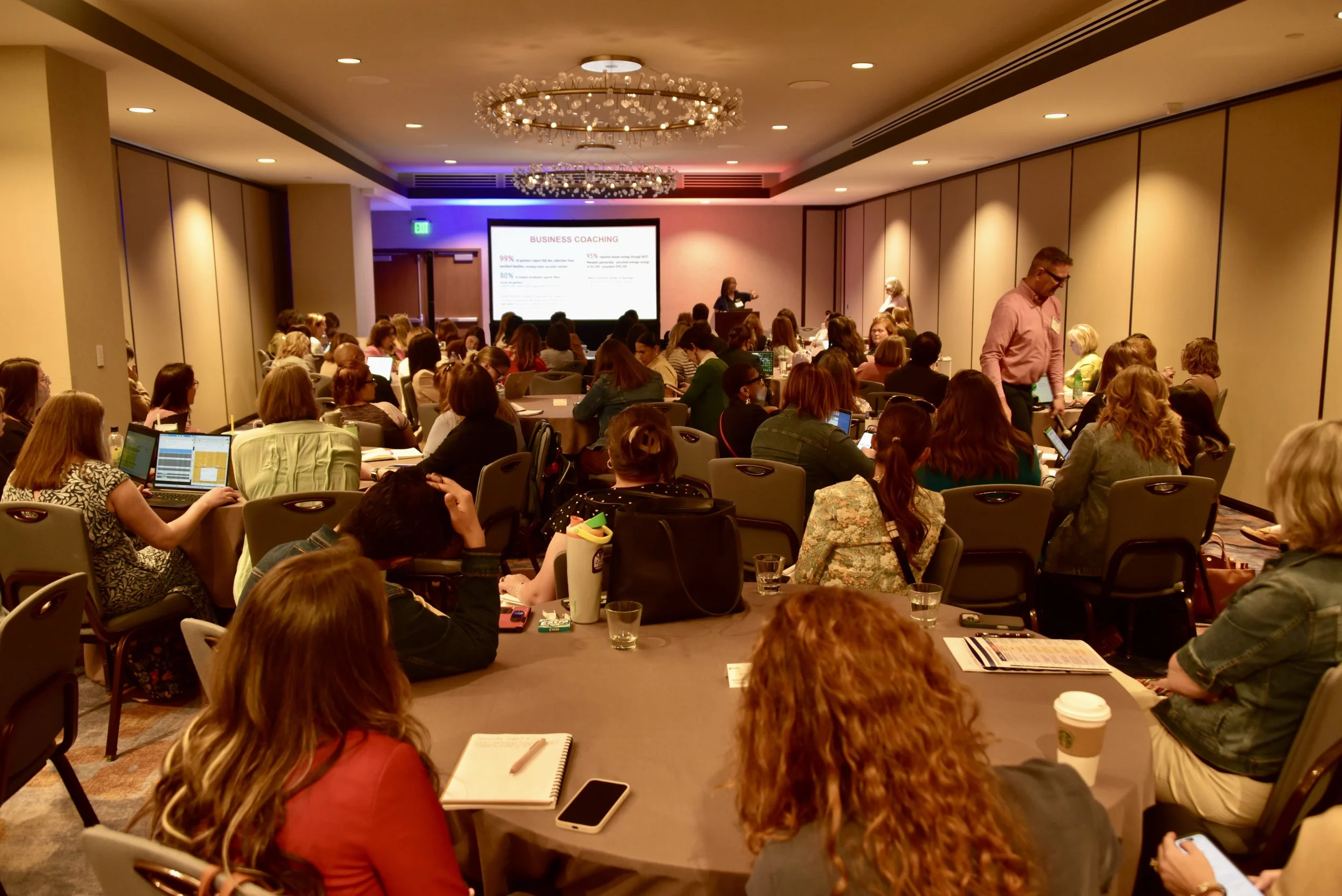
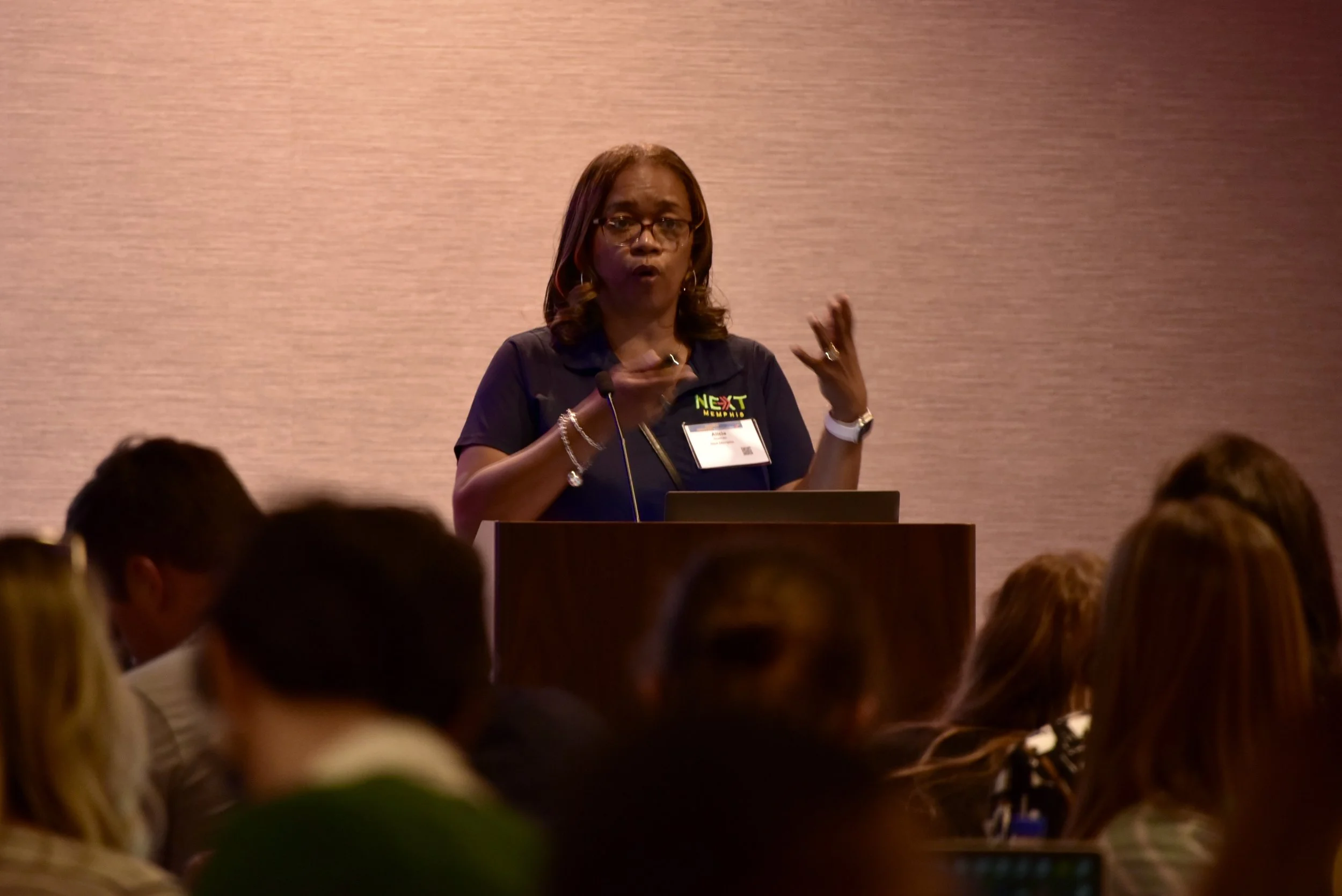
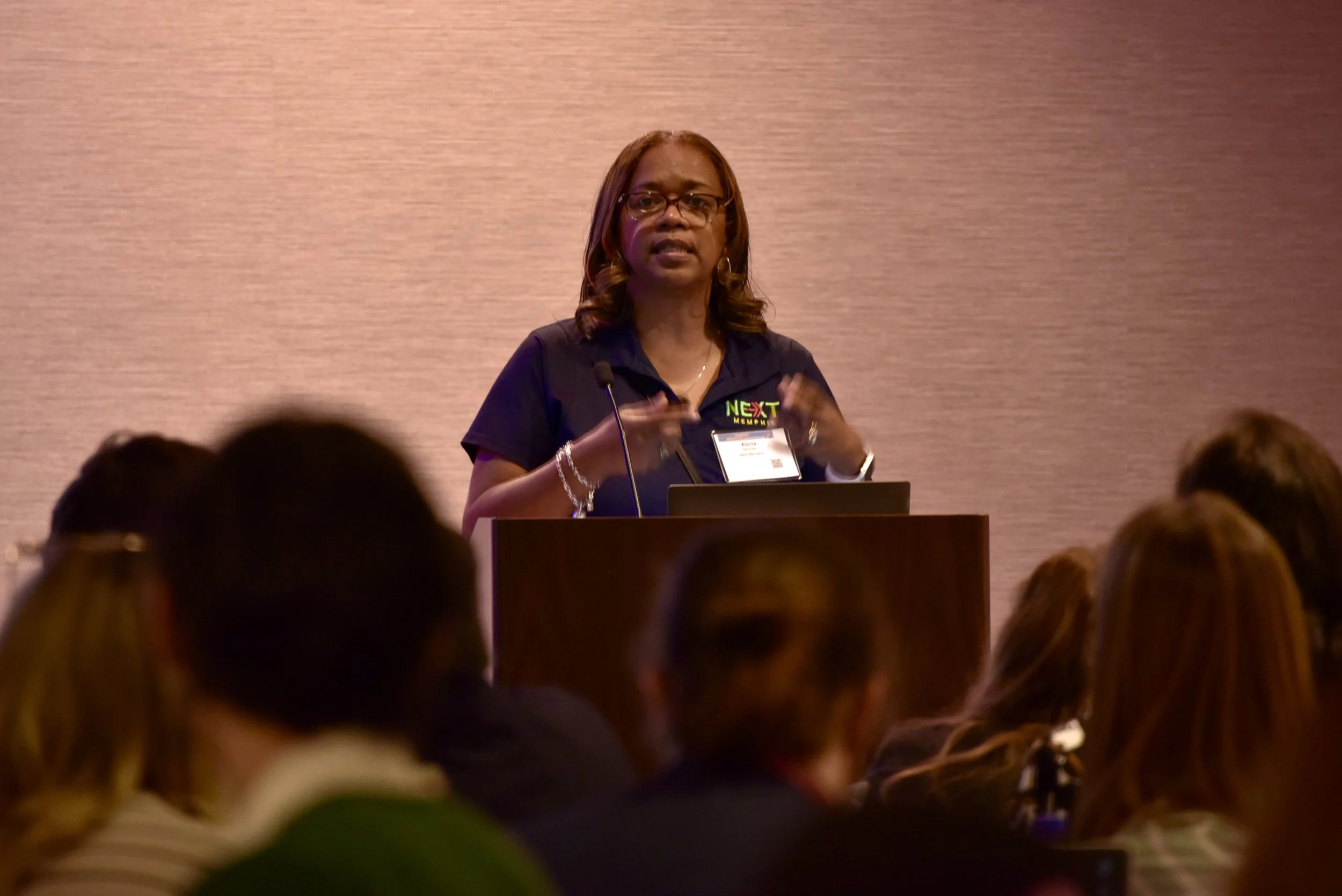

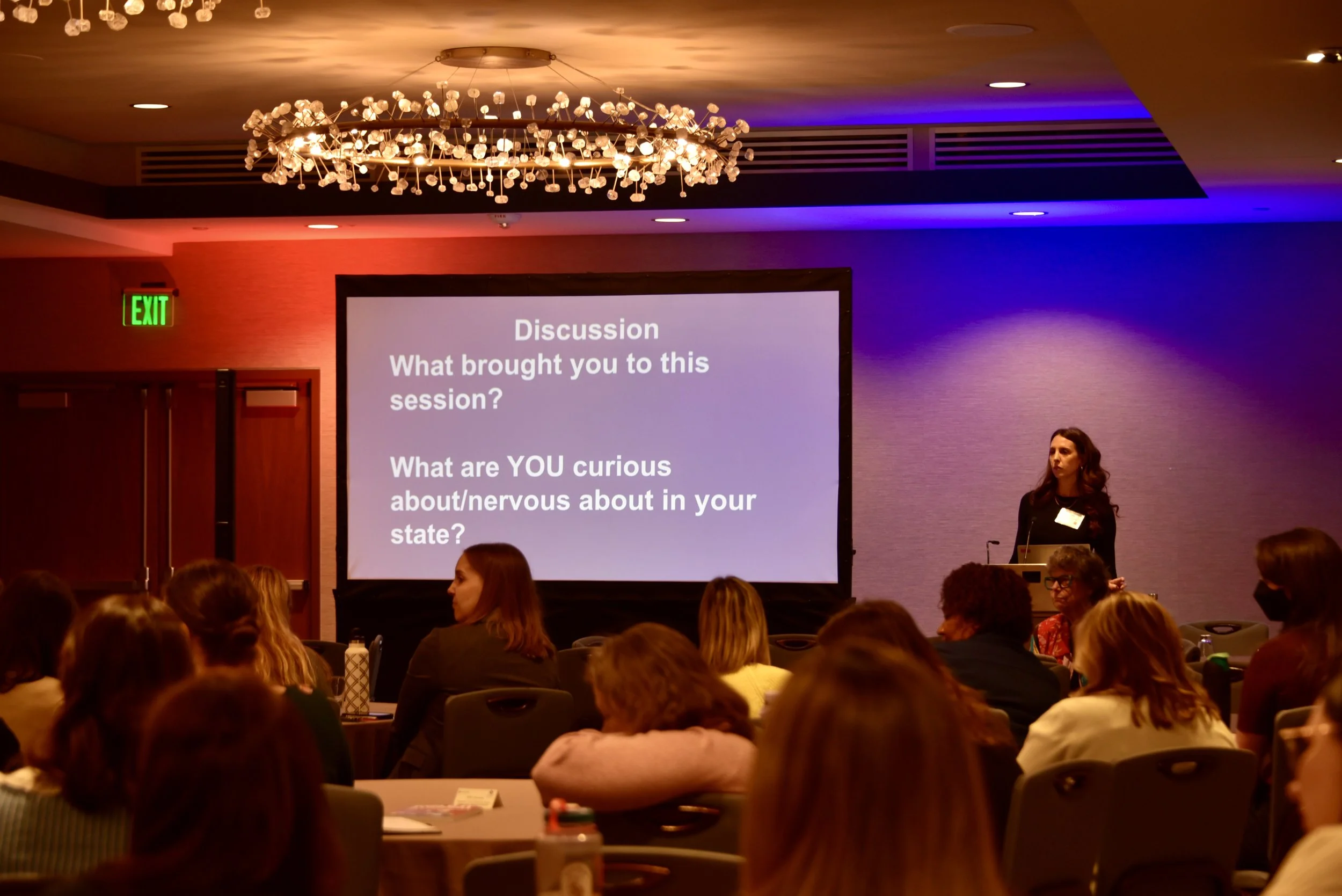
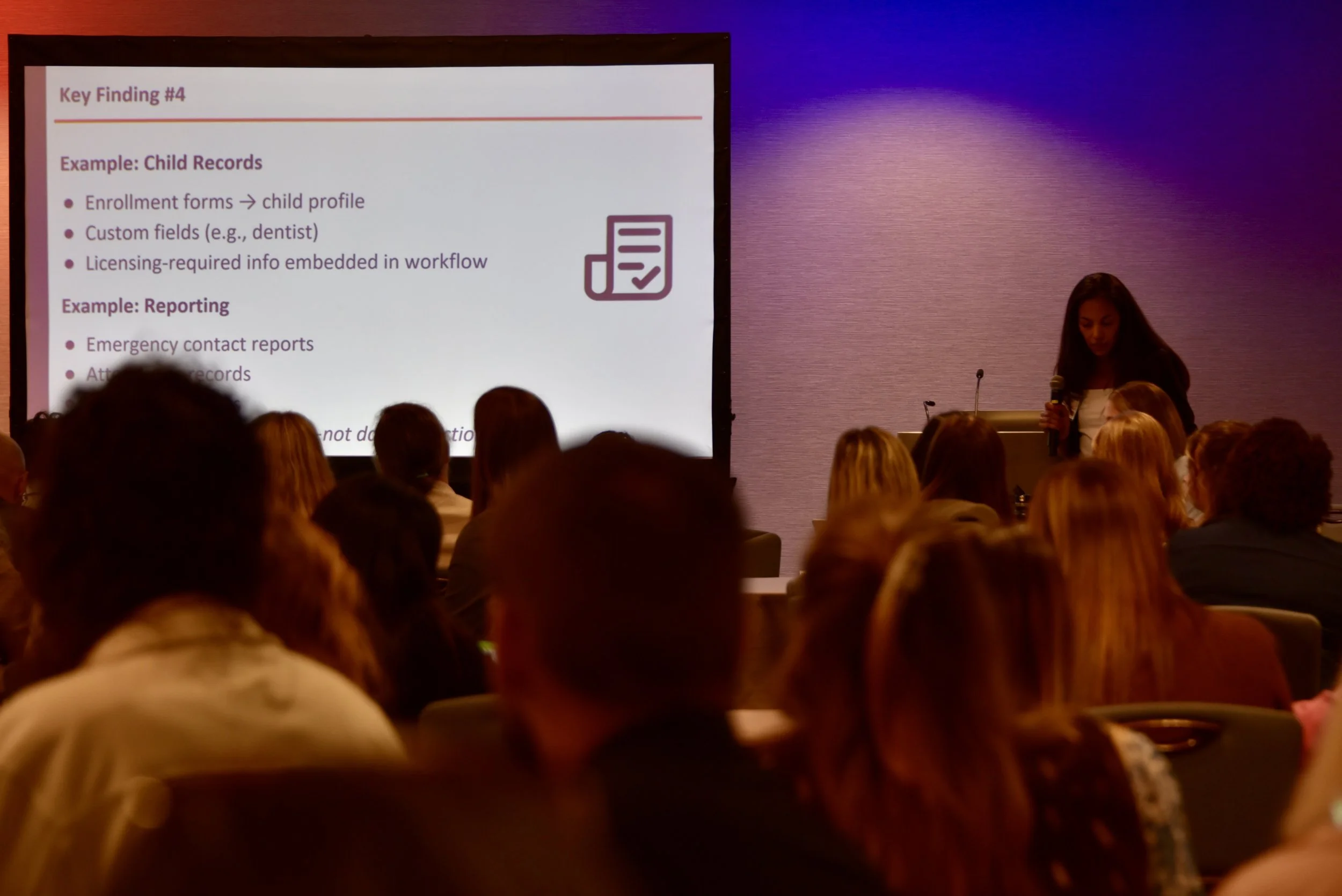
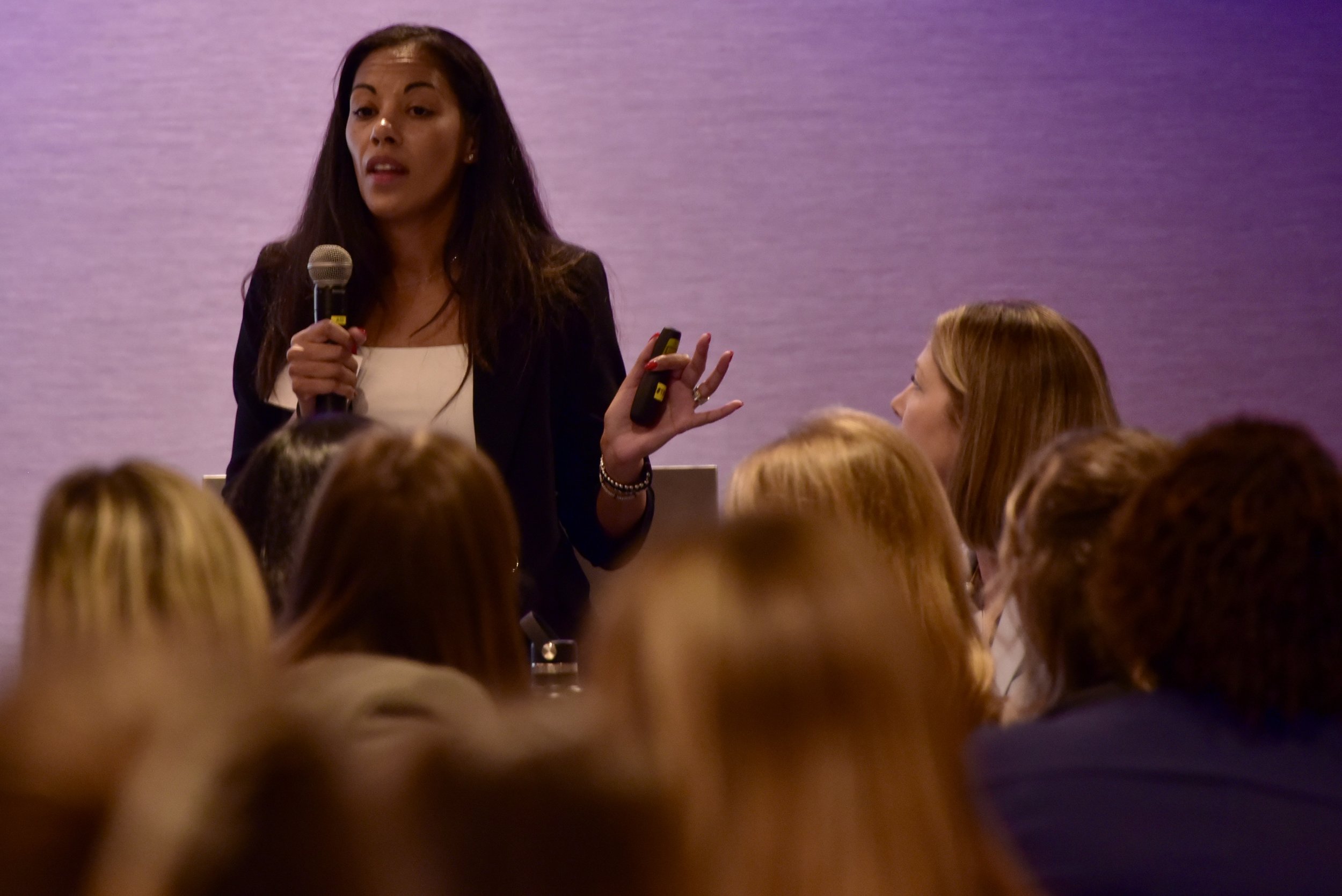
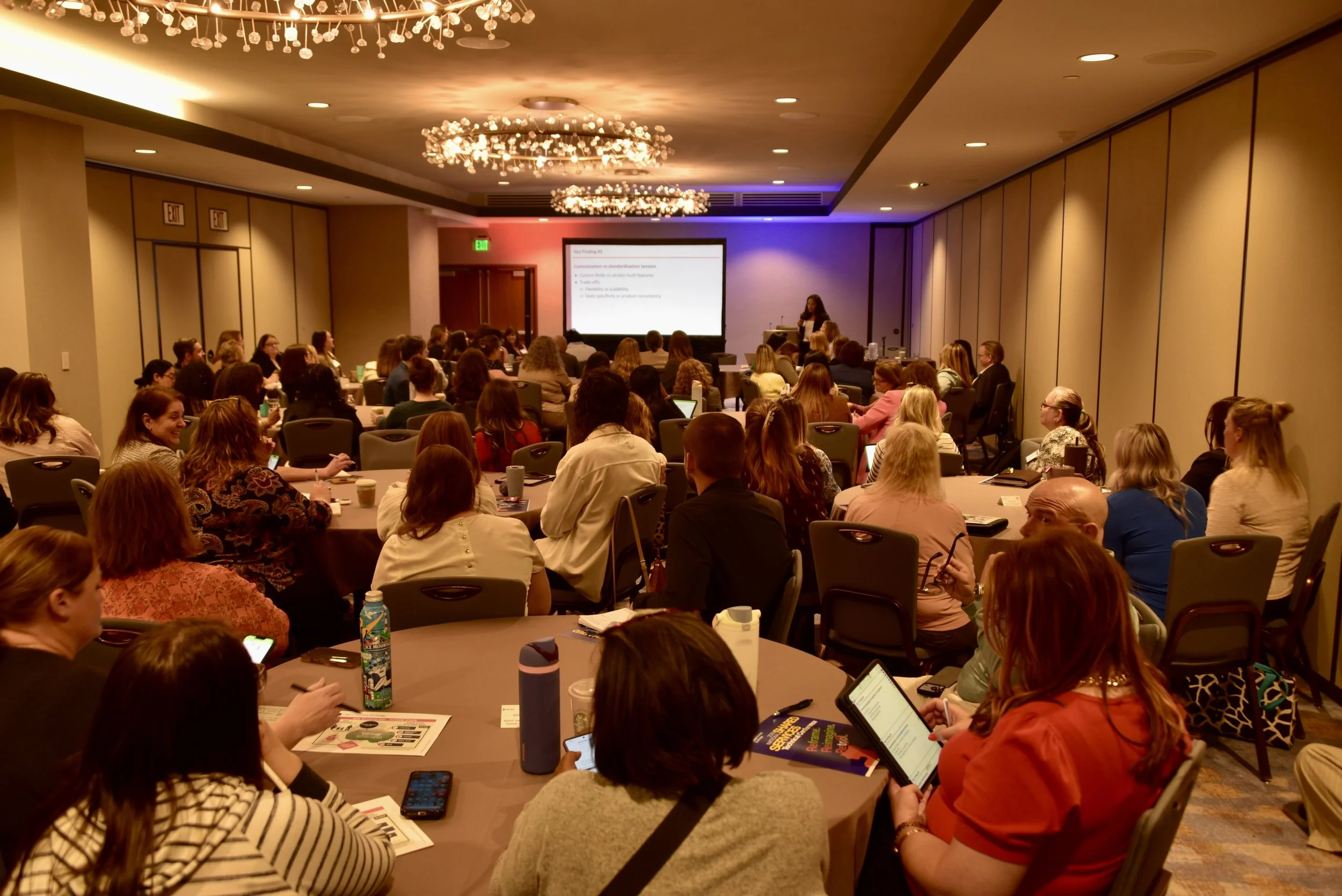
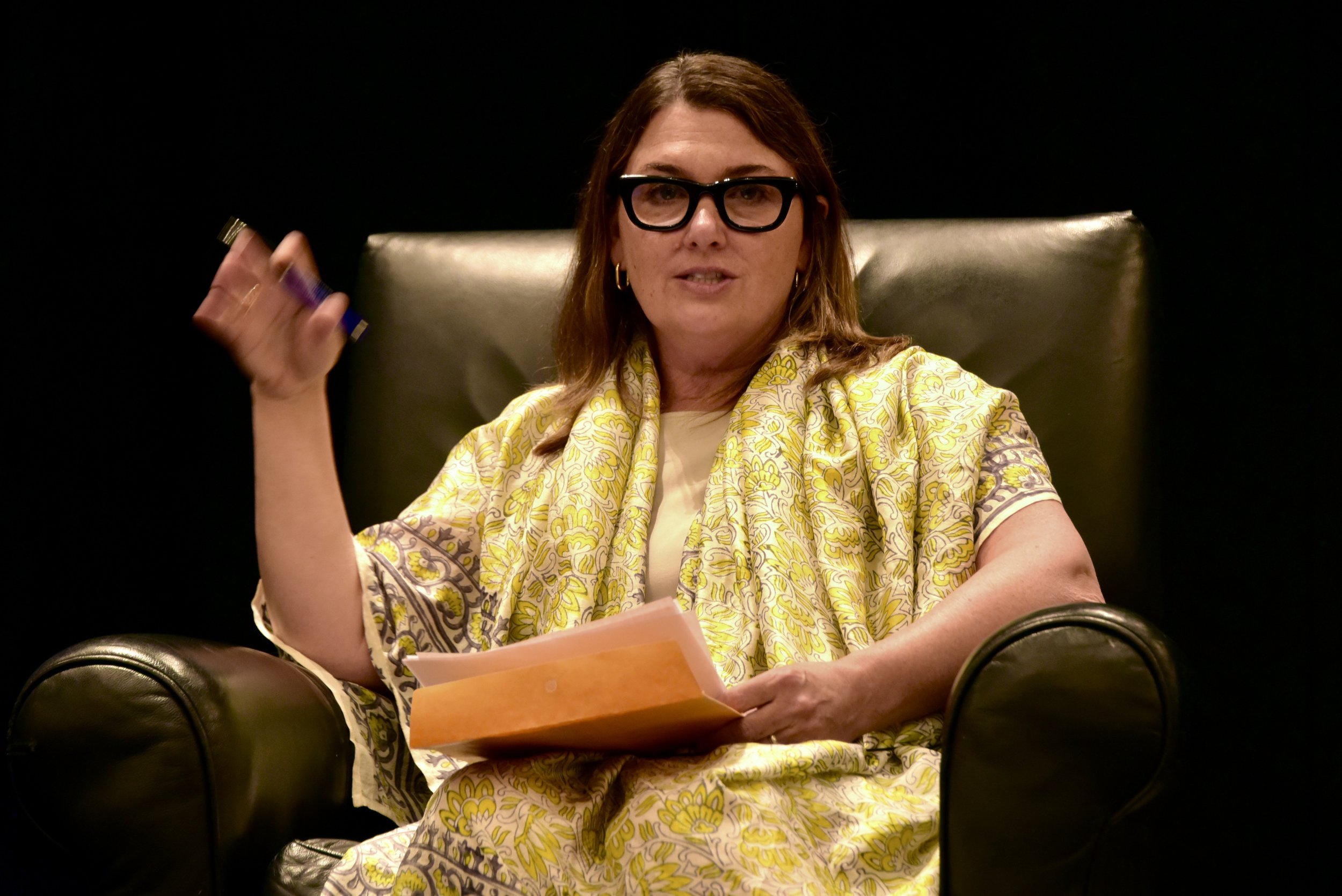
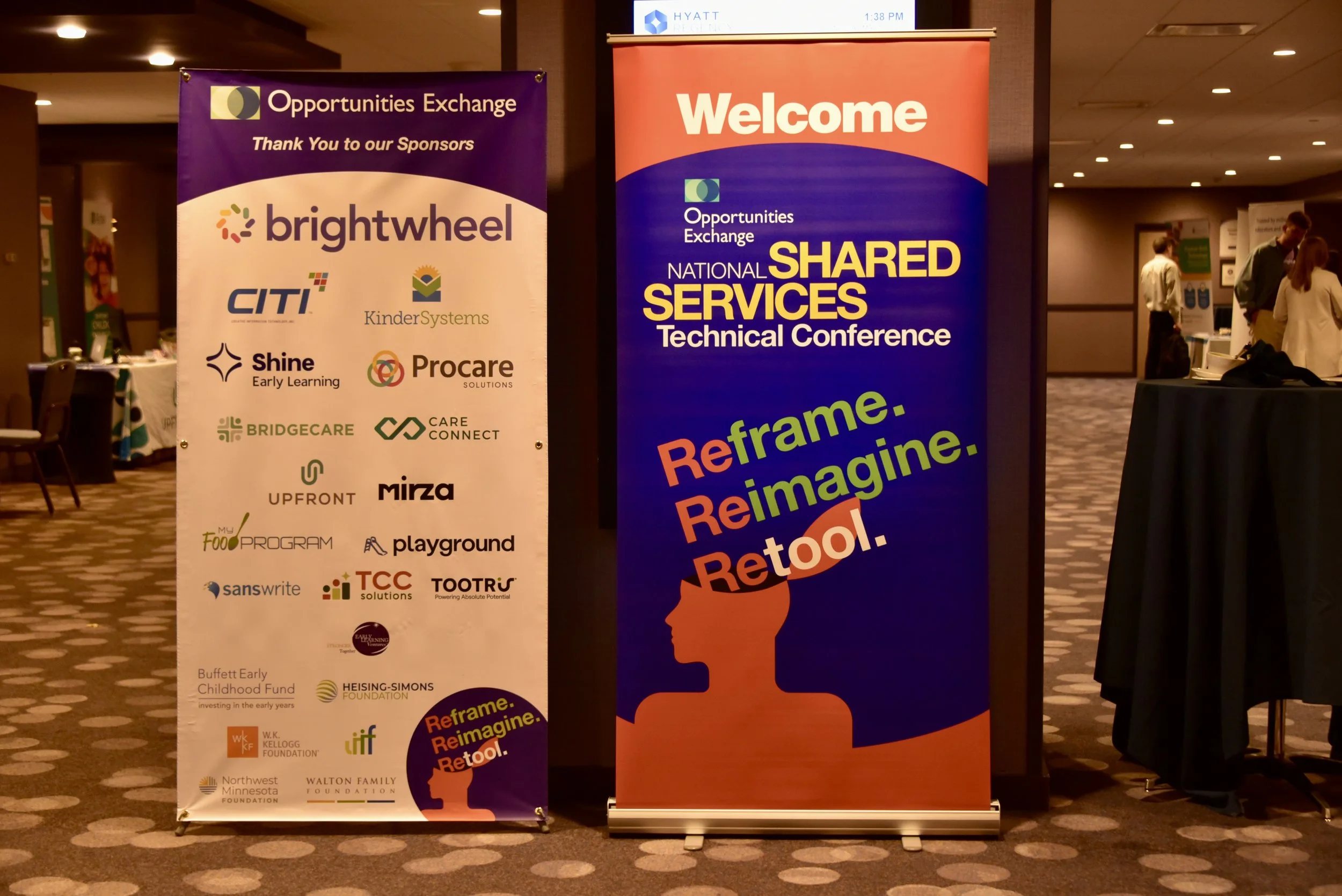
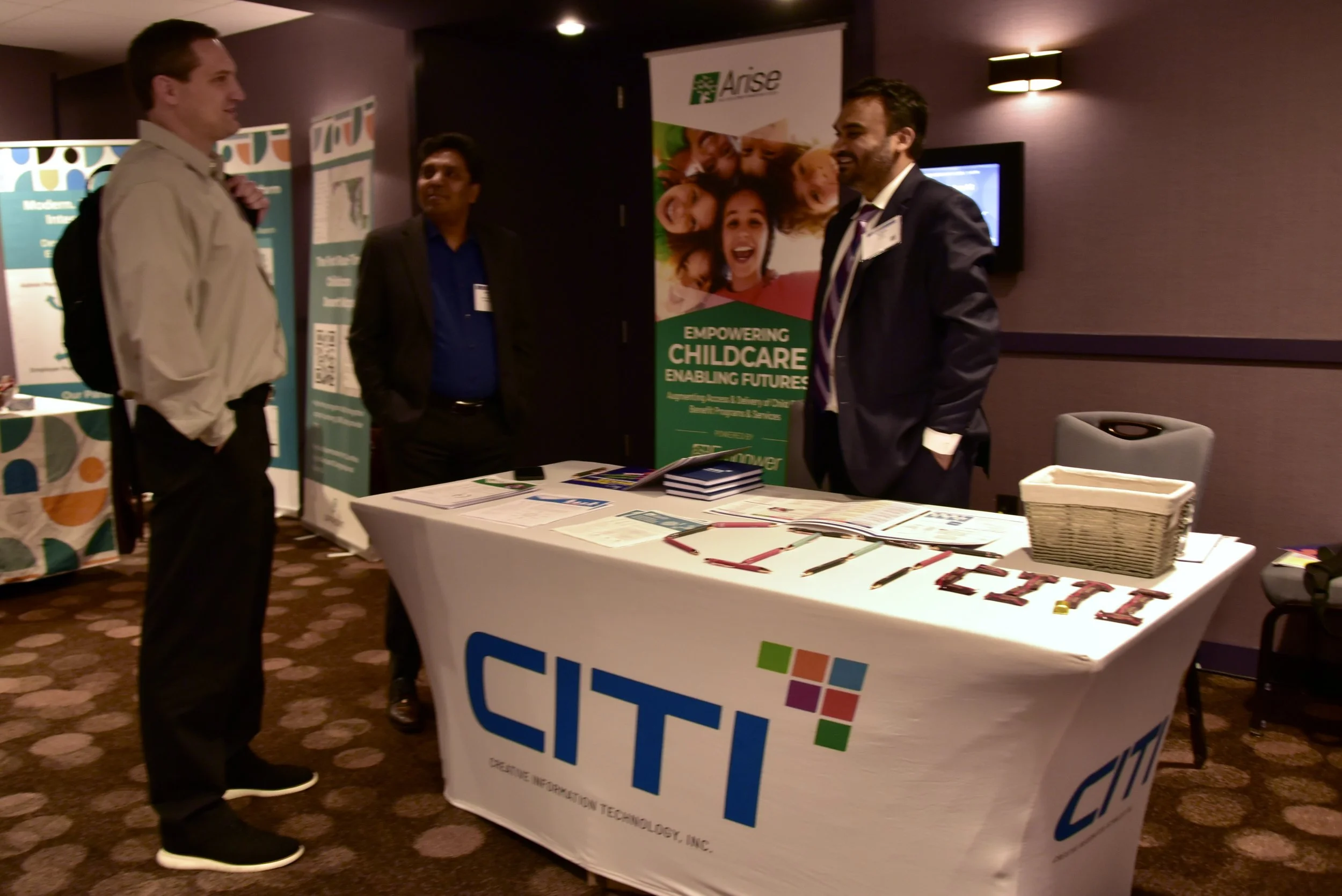
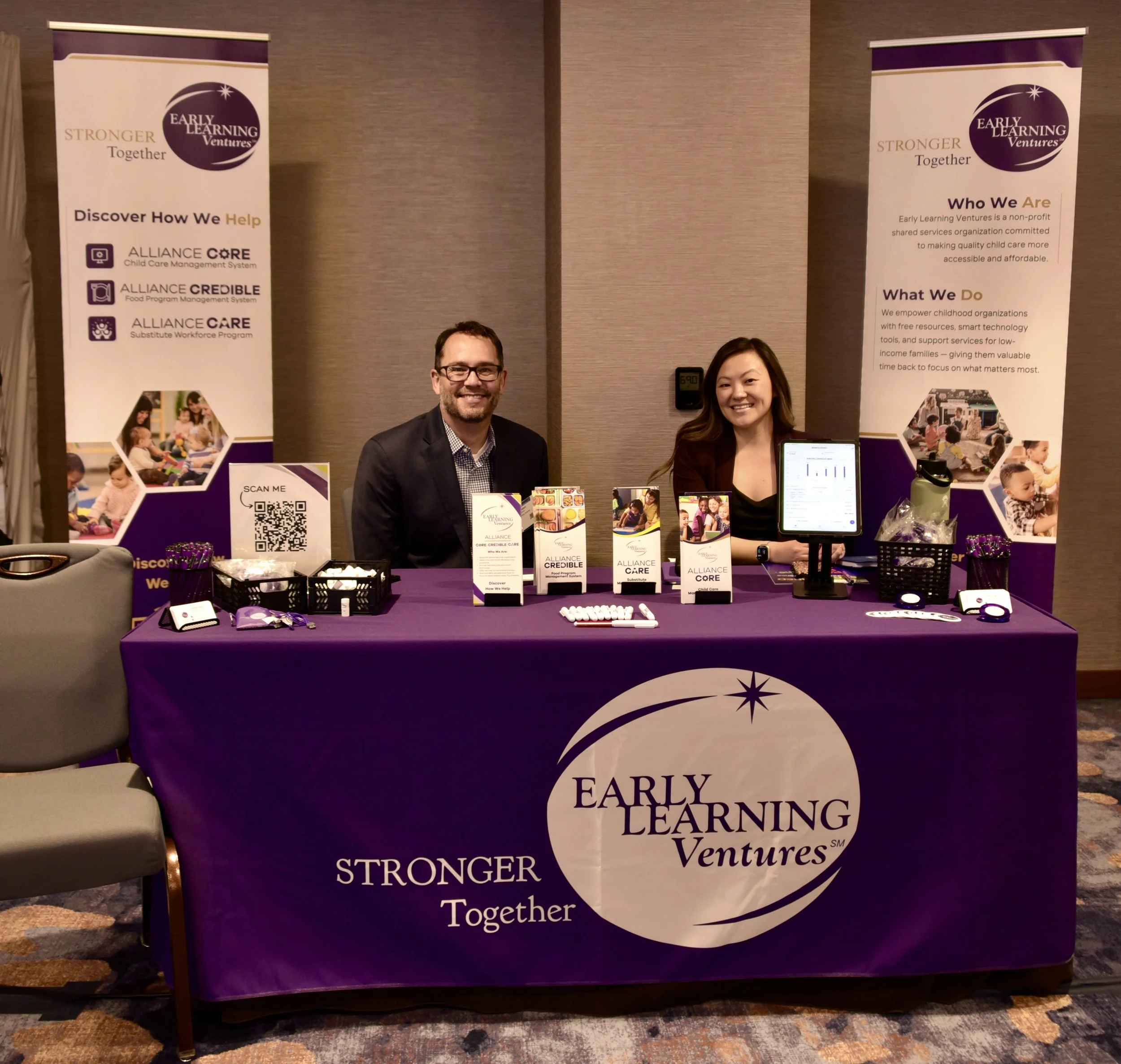
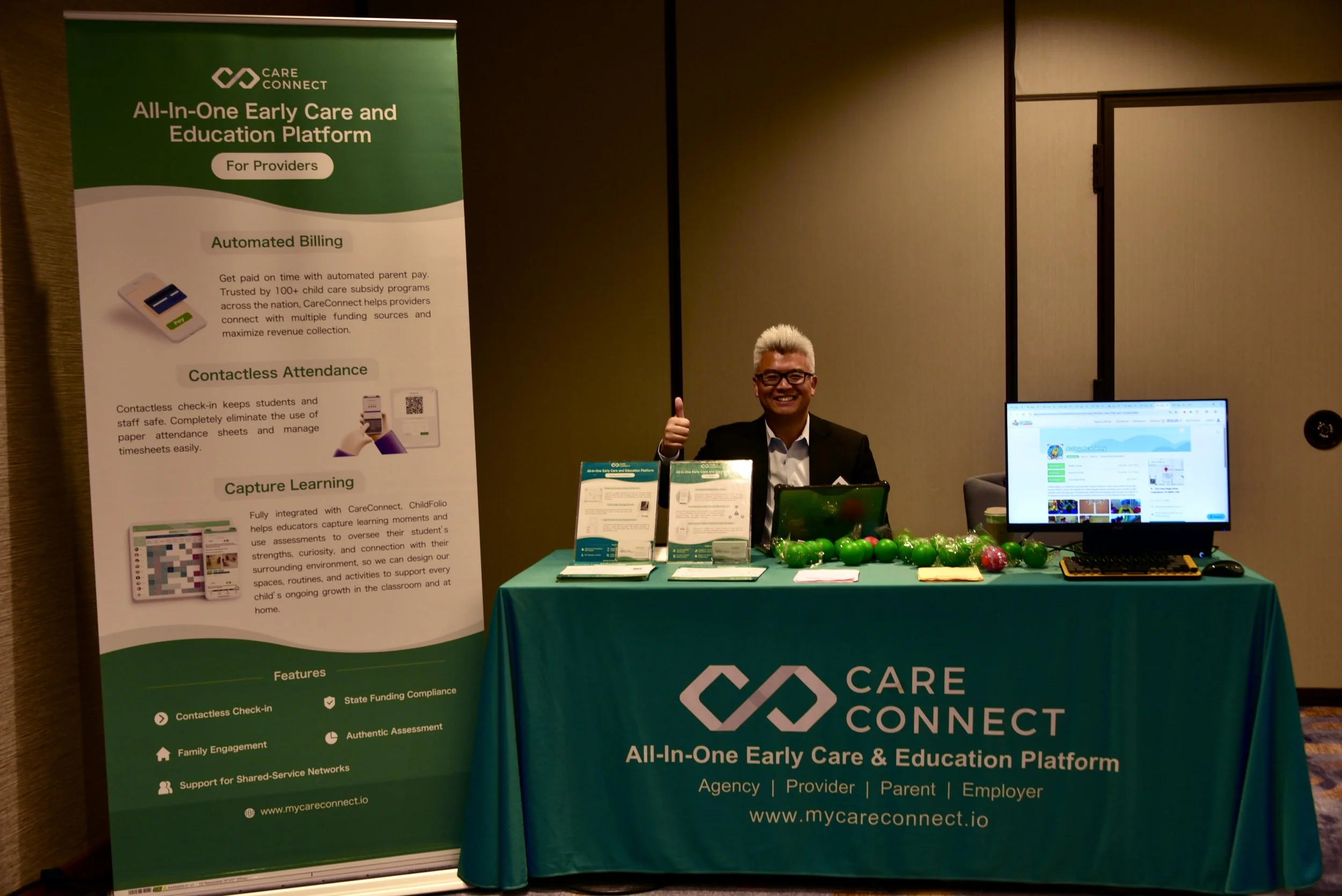
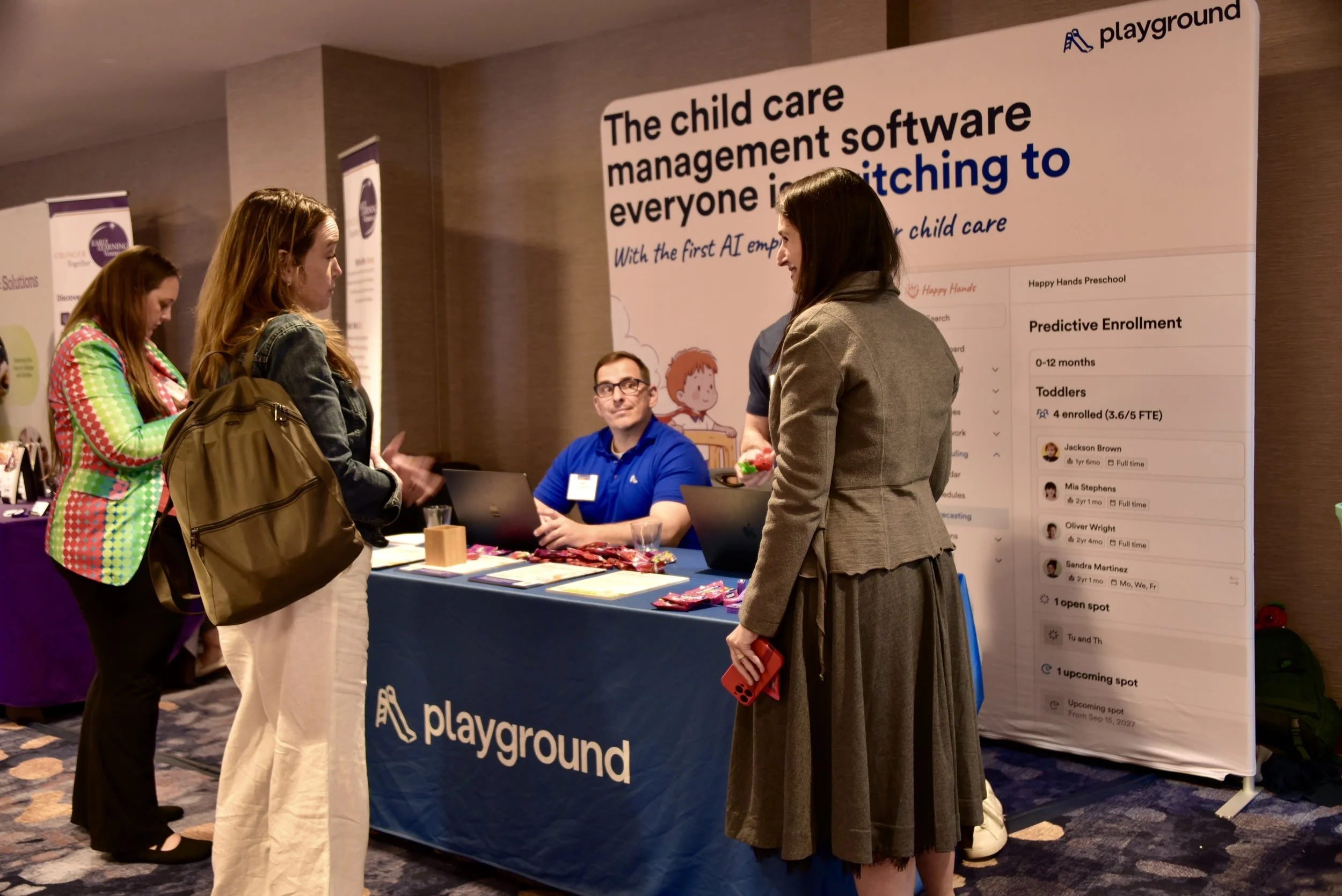
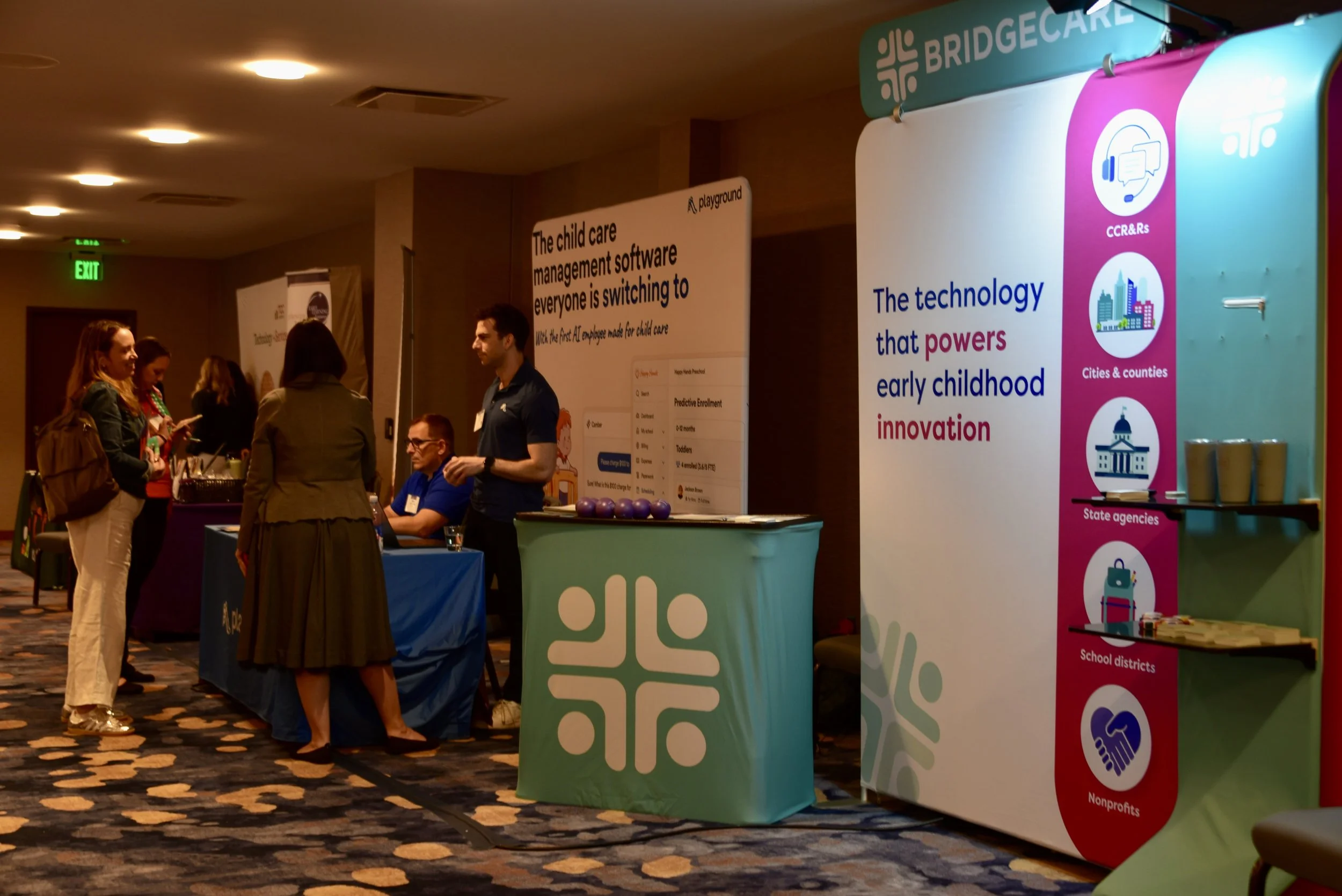
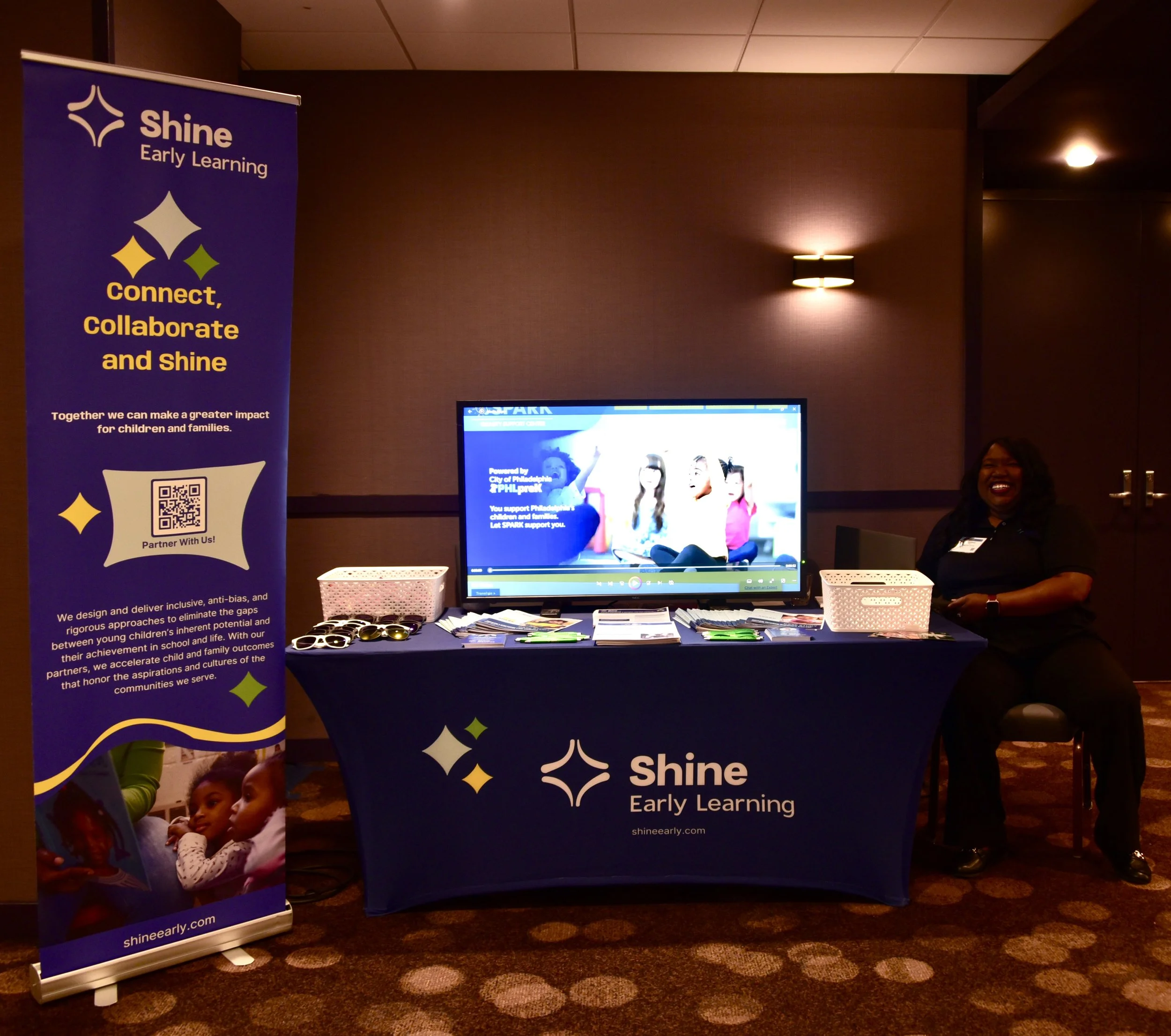
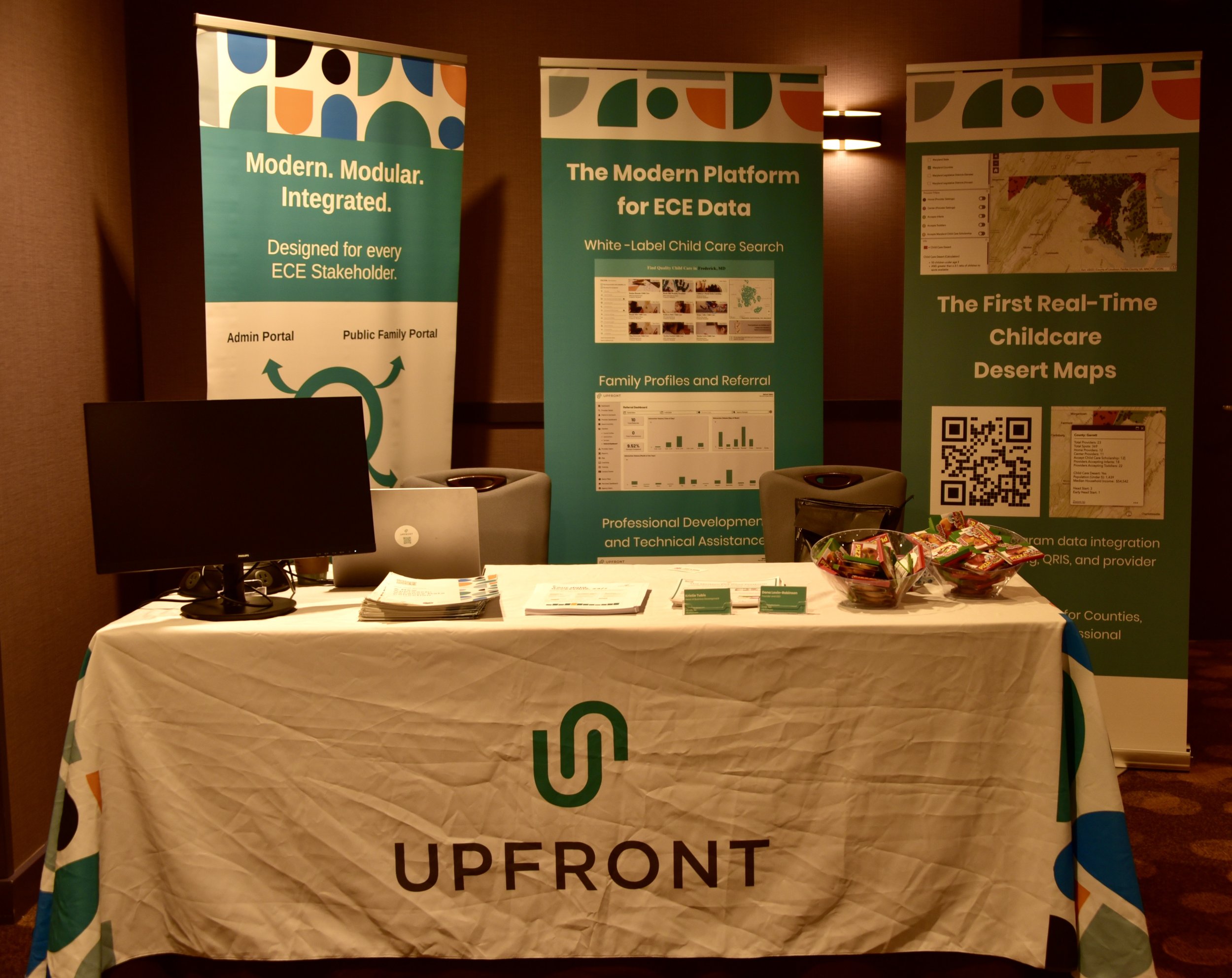
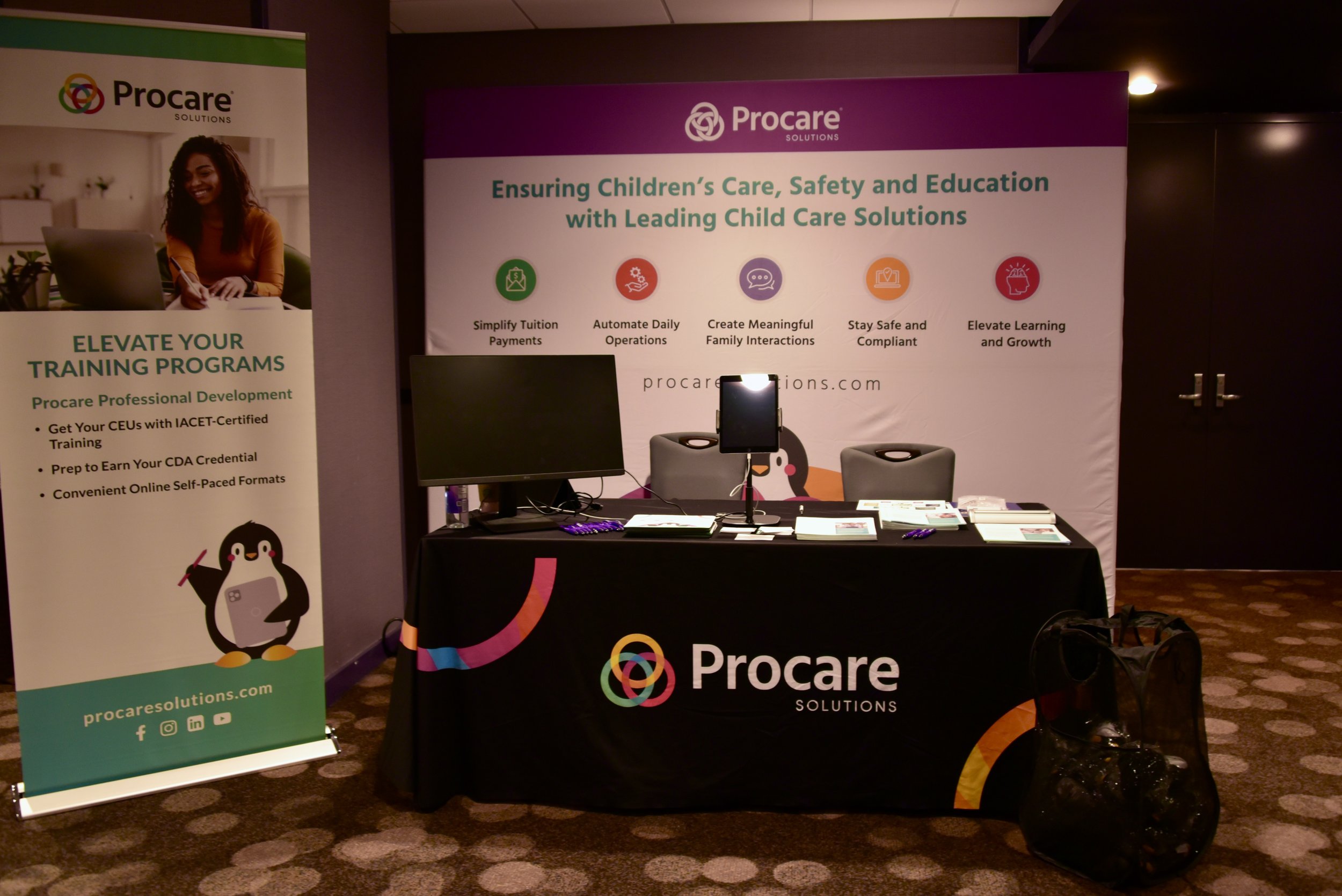
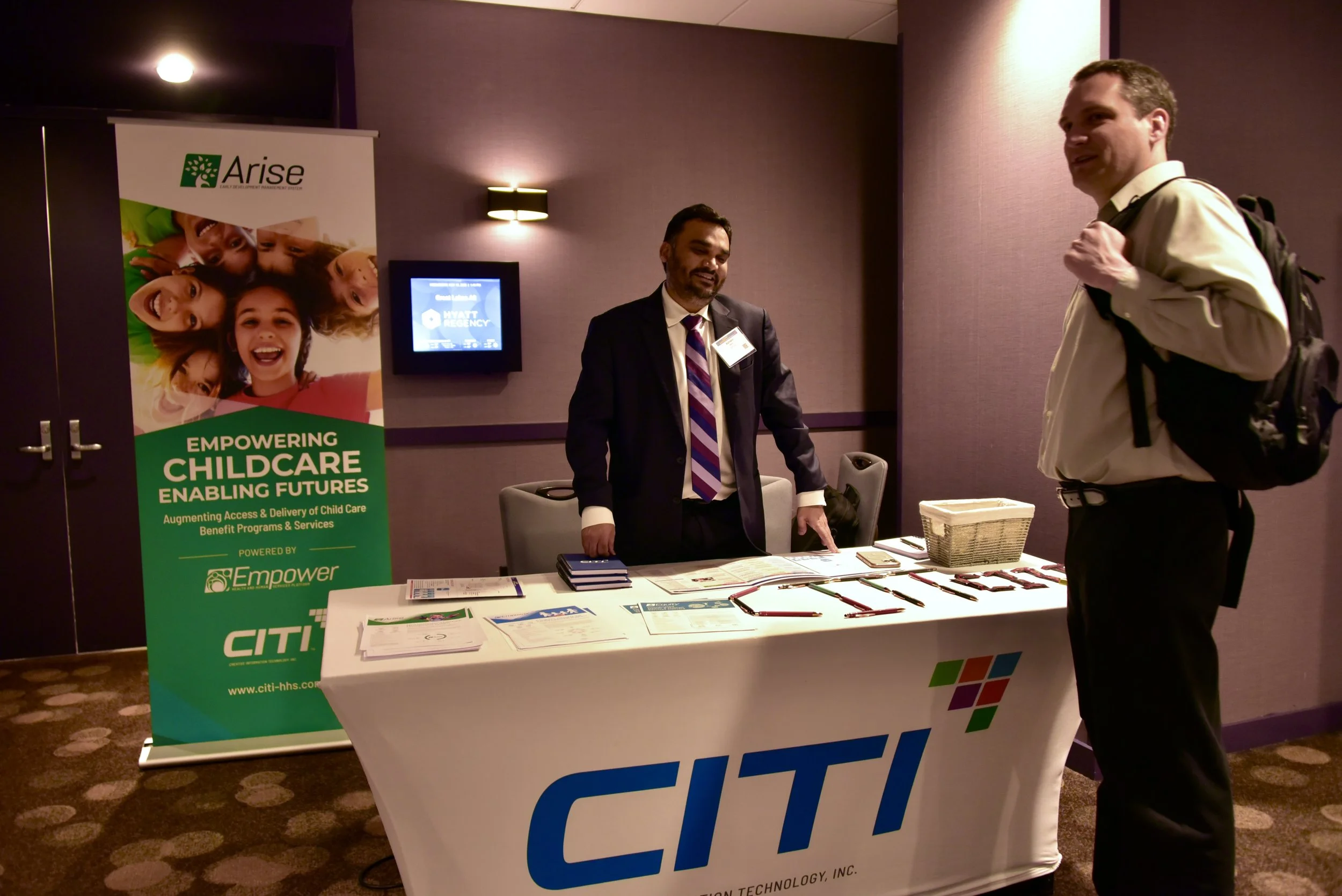
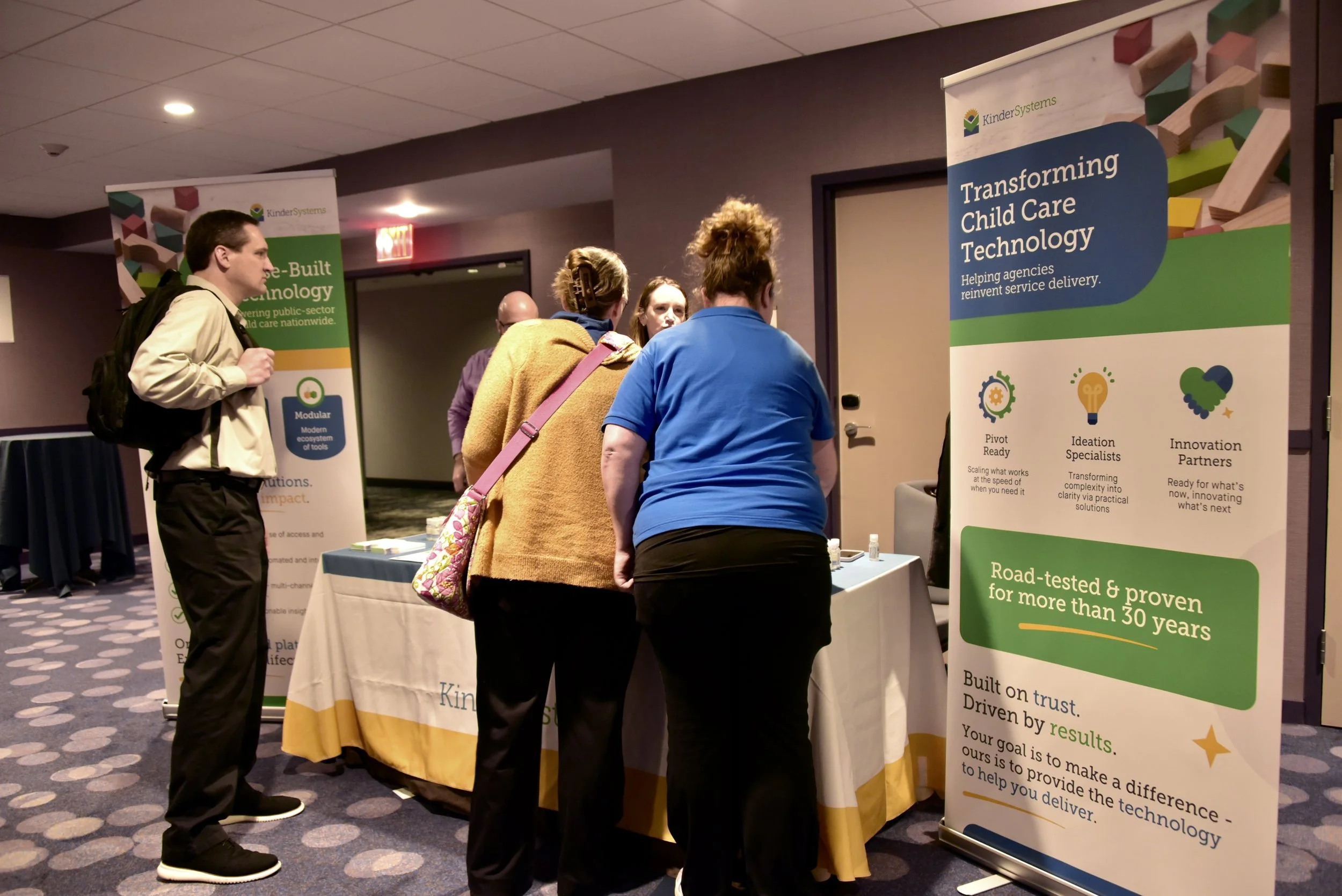
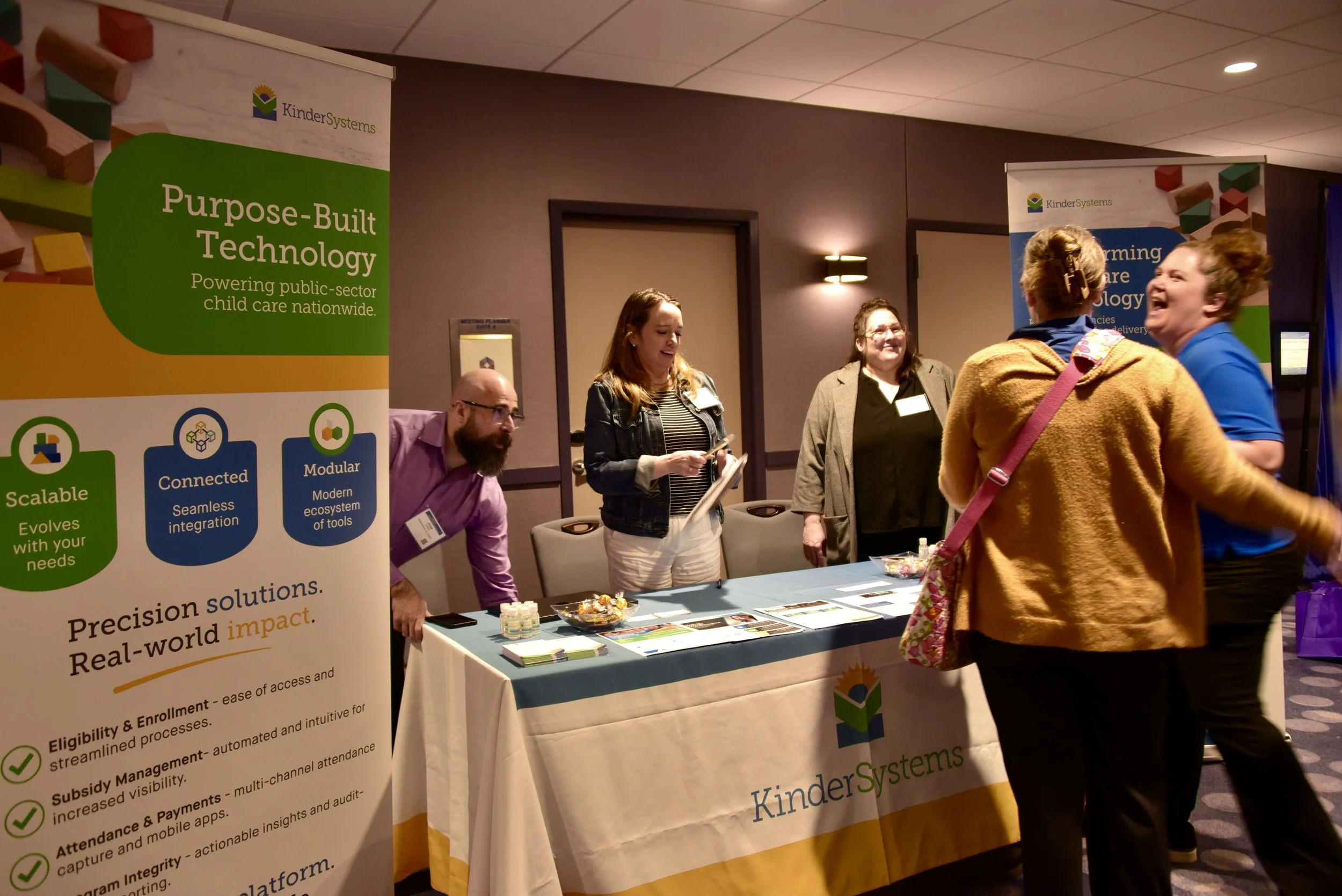
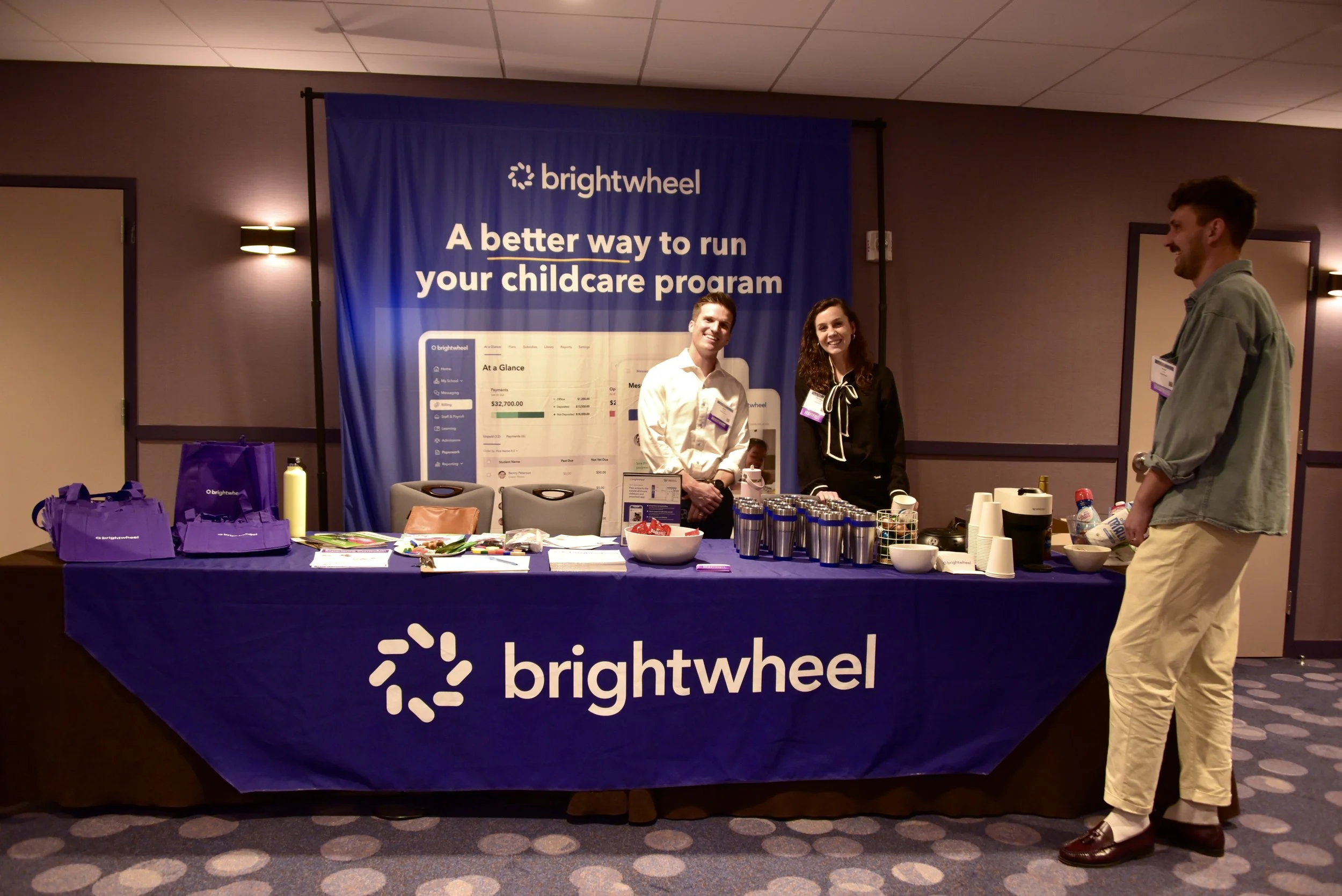
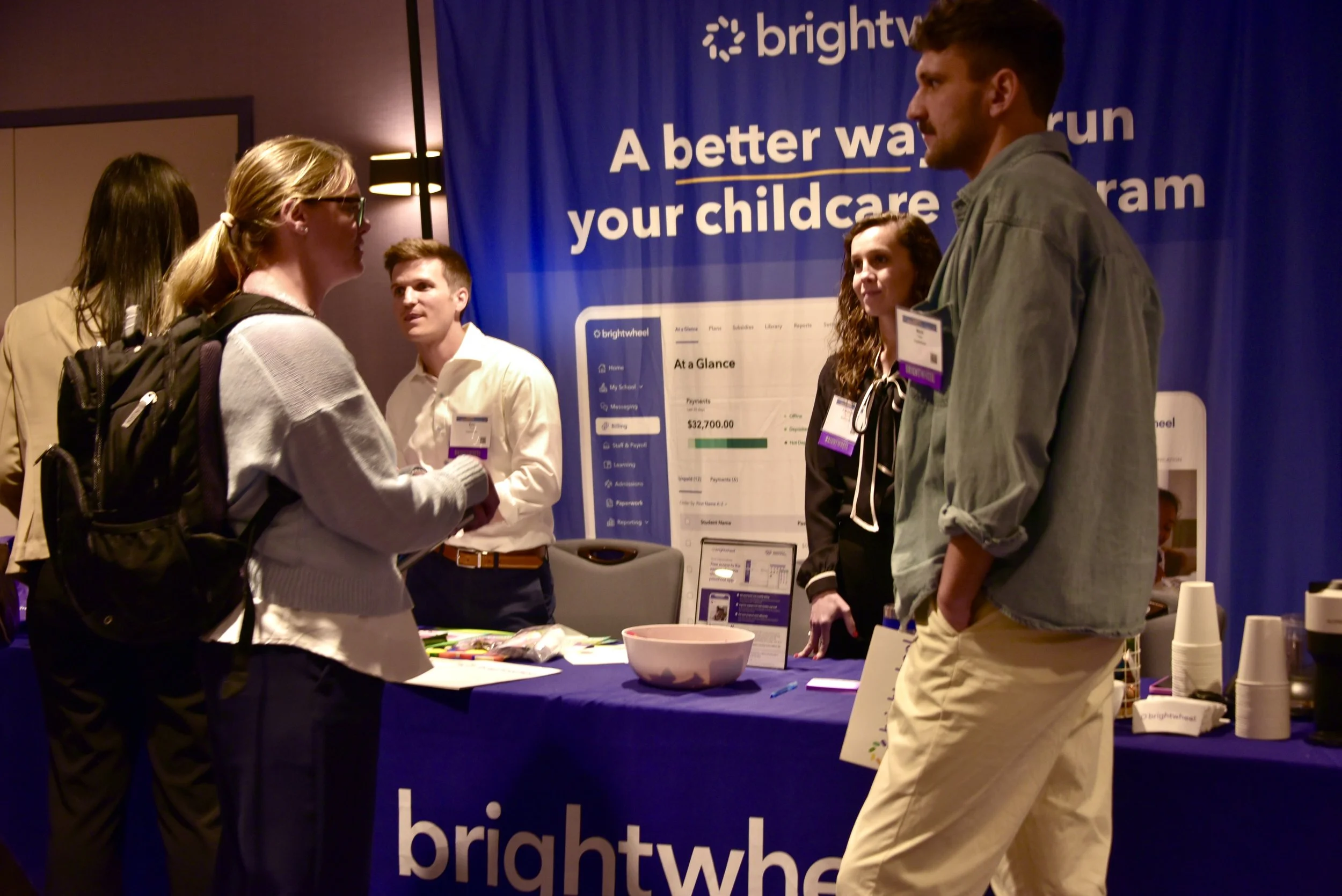
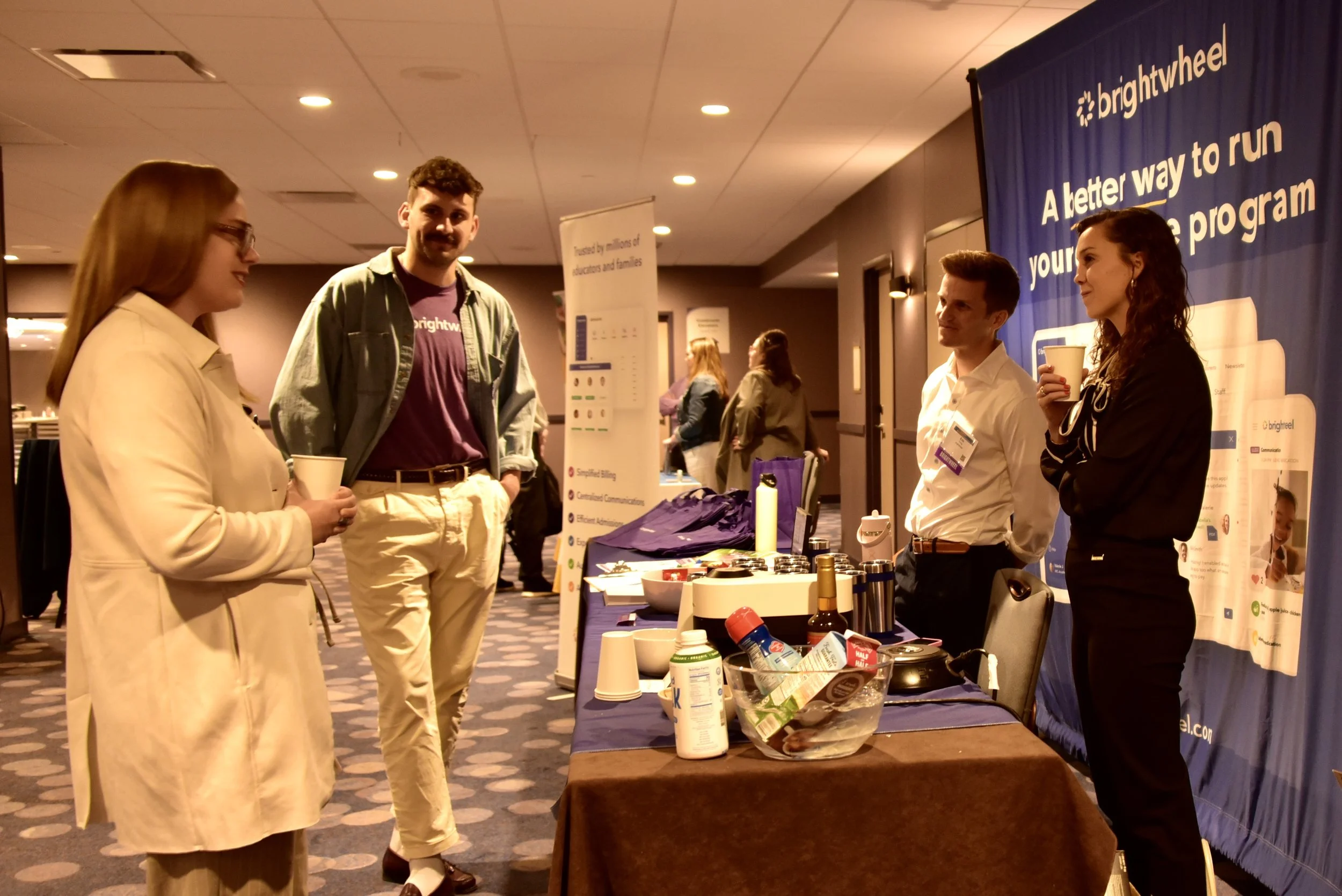
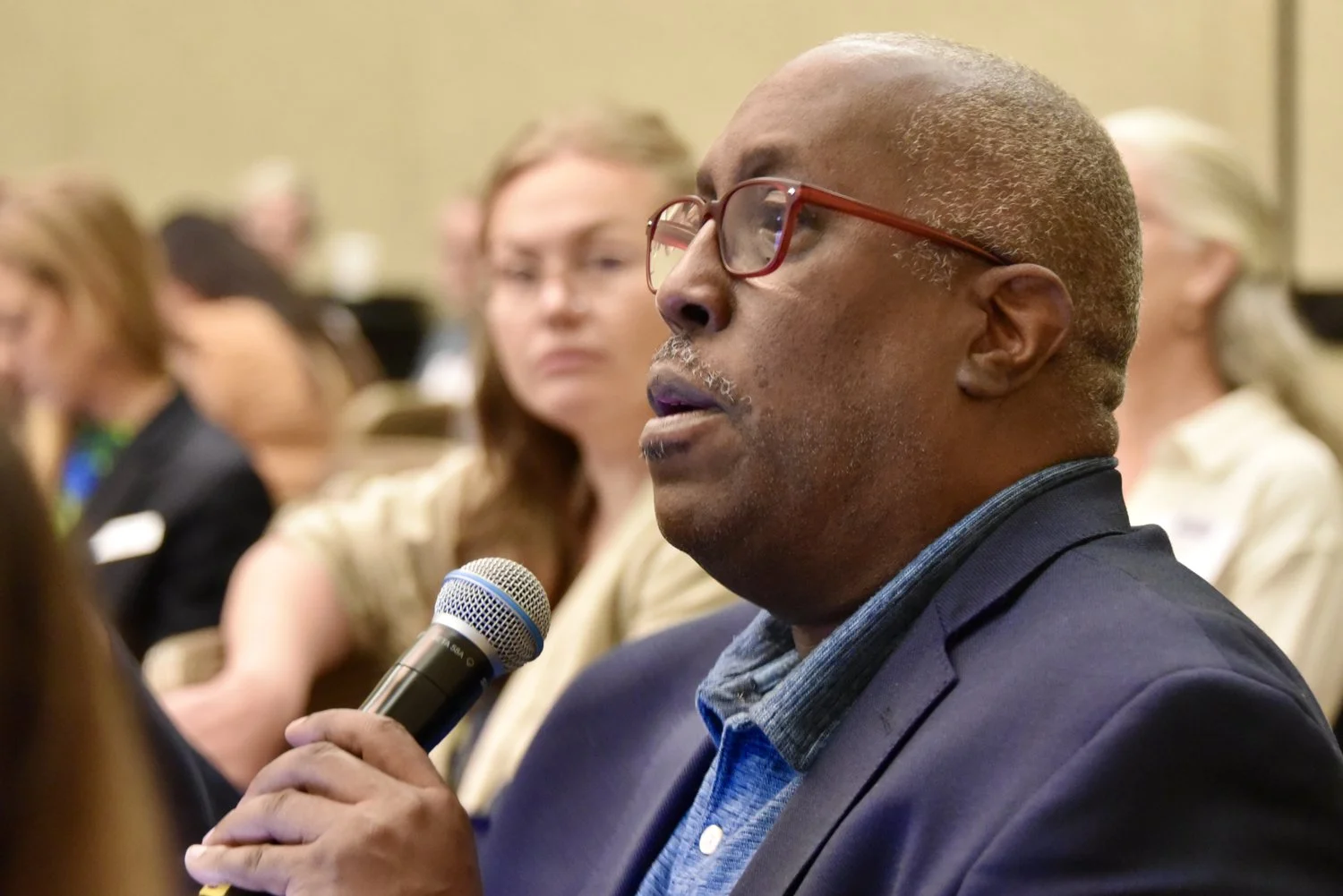
Questions Considered.
How do I think strategically about supporting child care business sustainability? How do I harness the power of technology? Who will provide funding for this work? The journey begins with asking the right questions—the conference is a place to hear how others have found answers.
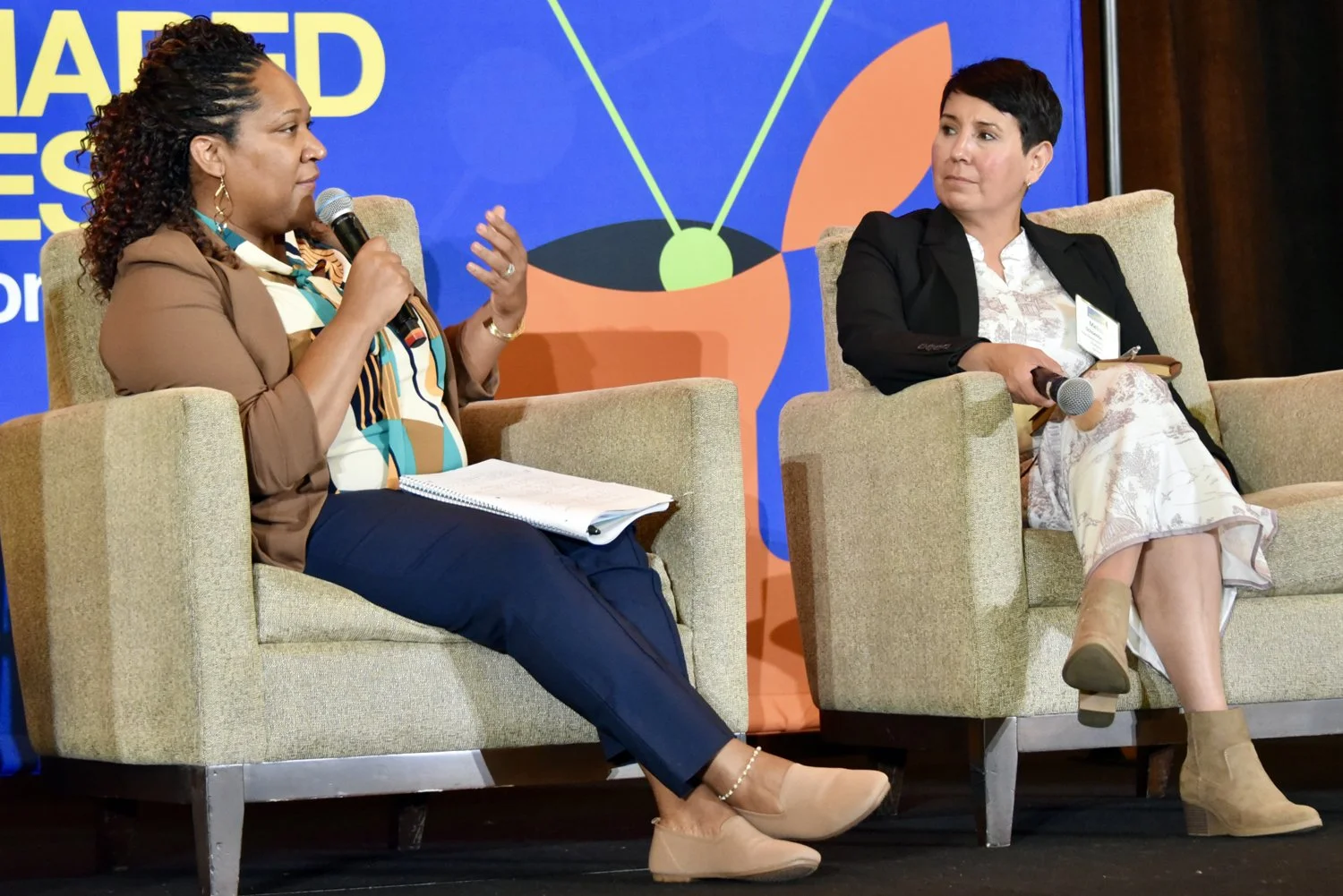
Ideas Discussed.
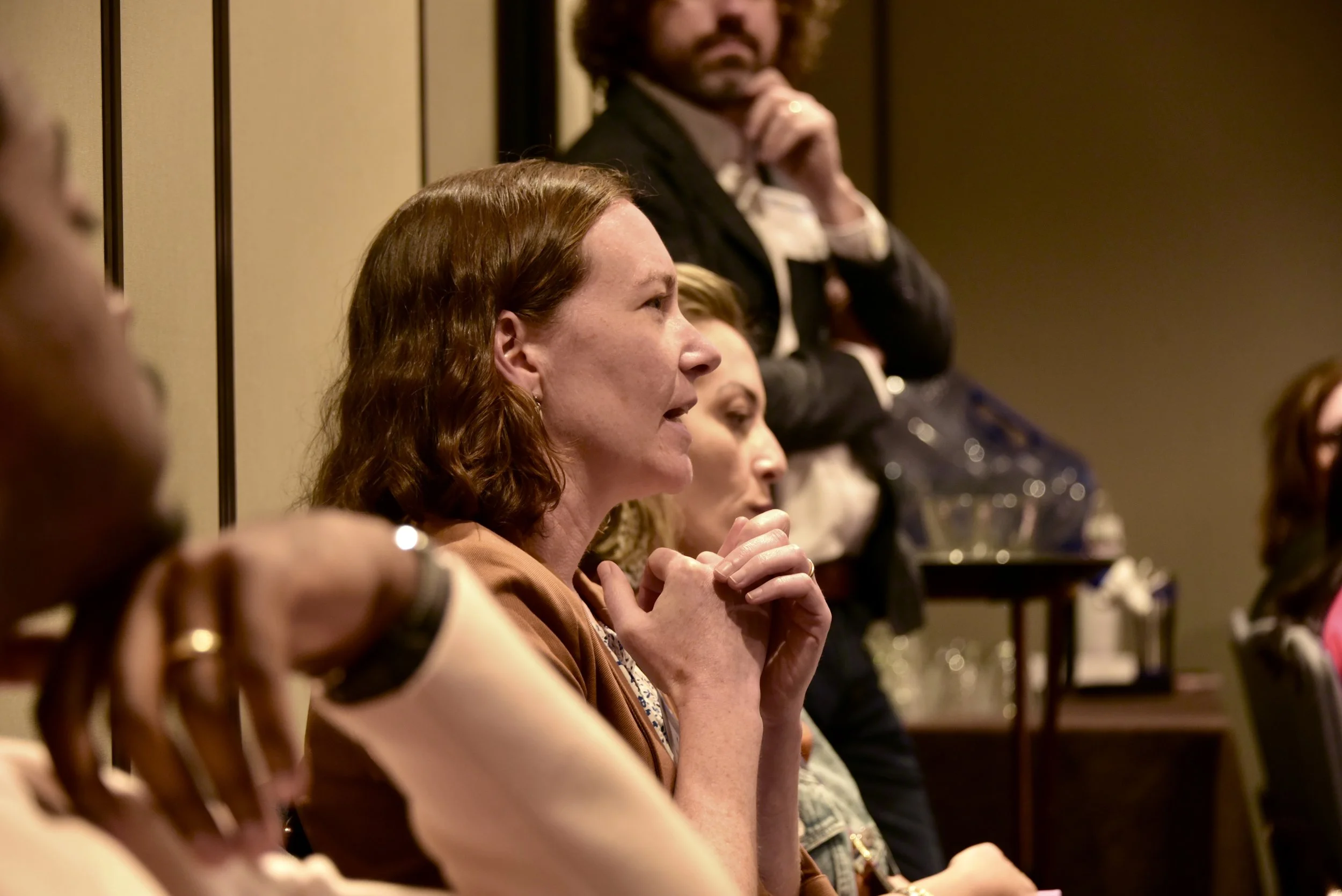
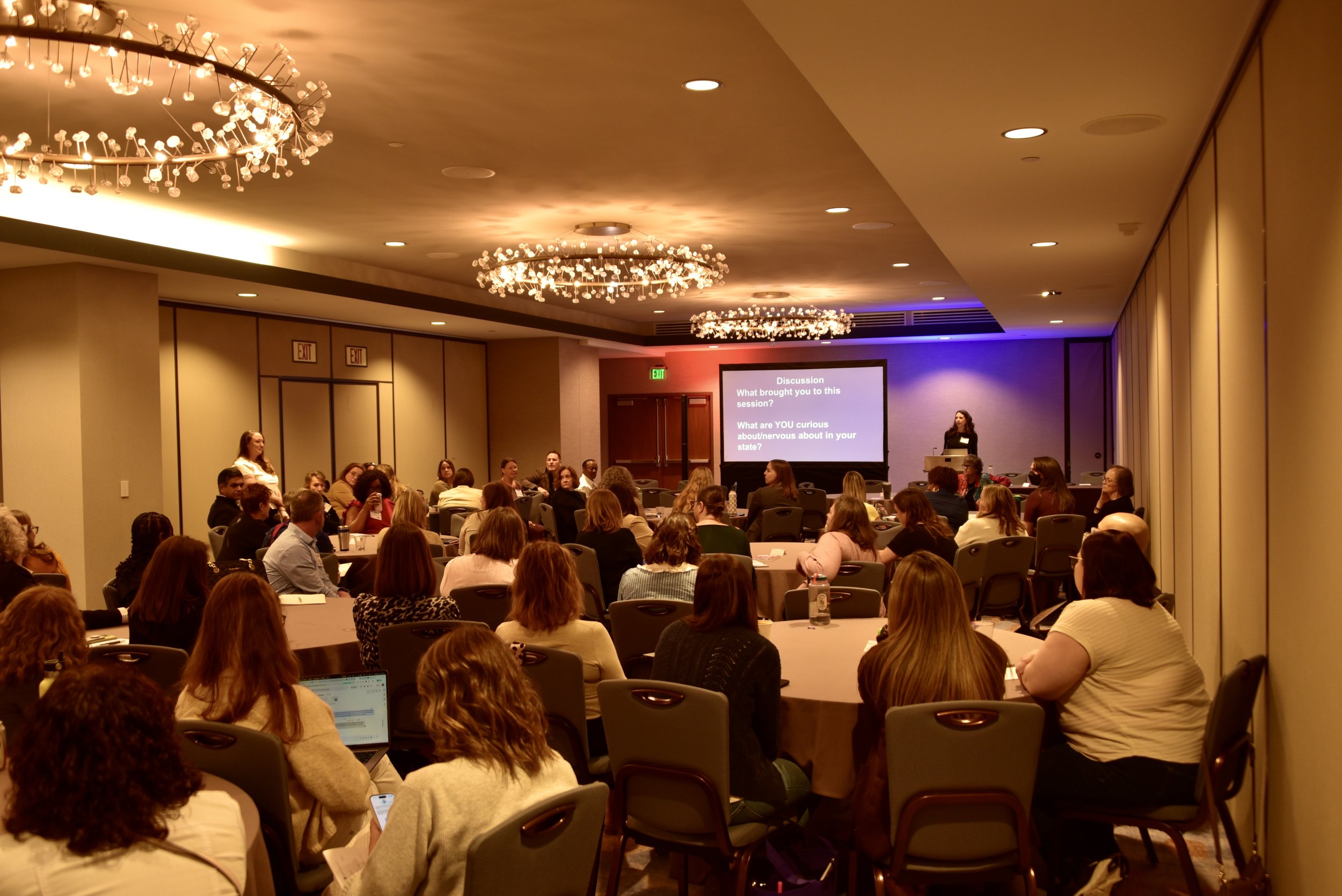
It all begins with an idea...maybe we could find a way to improve wages … maybe we could do a better job connecting parents with ECE programs … maybe we could spend more time on education and less time on paperwork … the conference is fertile ground to plant the seeds of your idea.
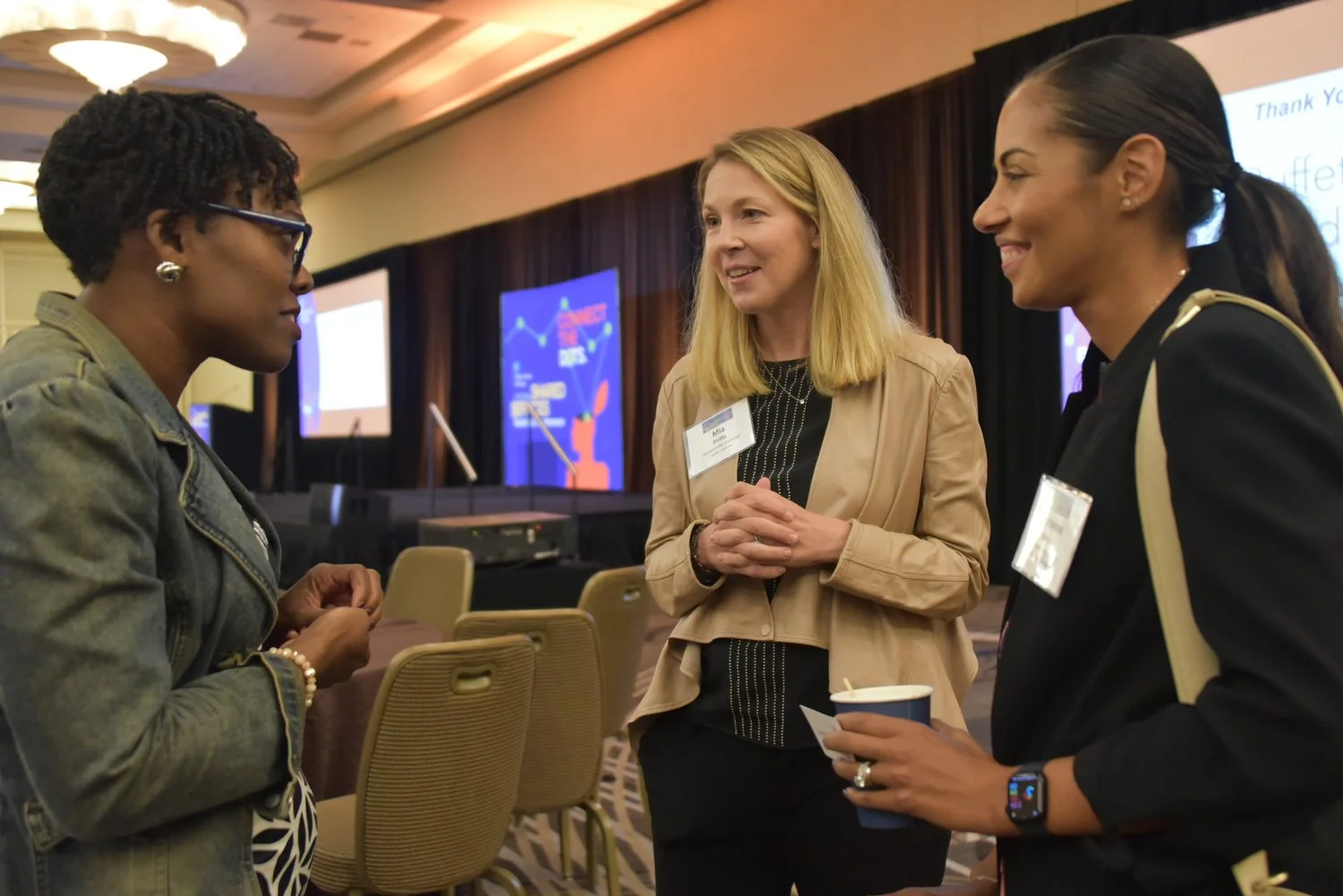
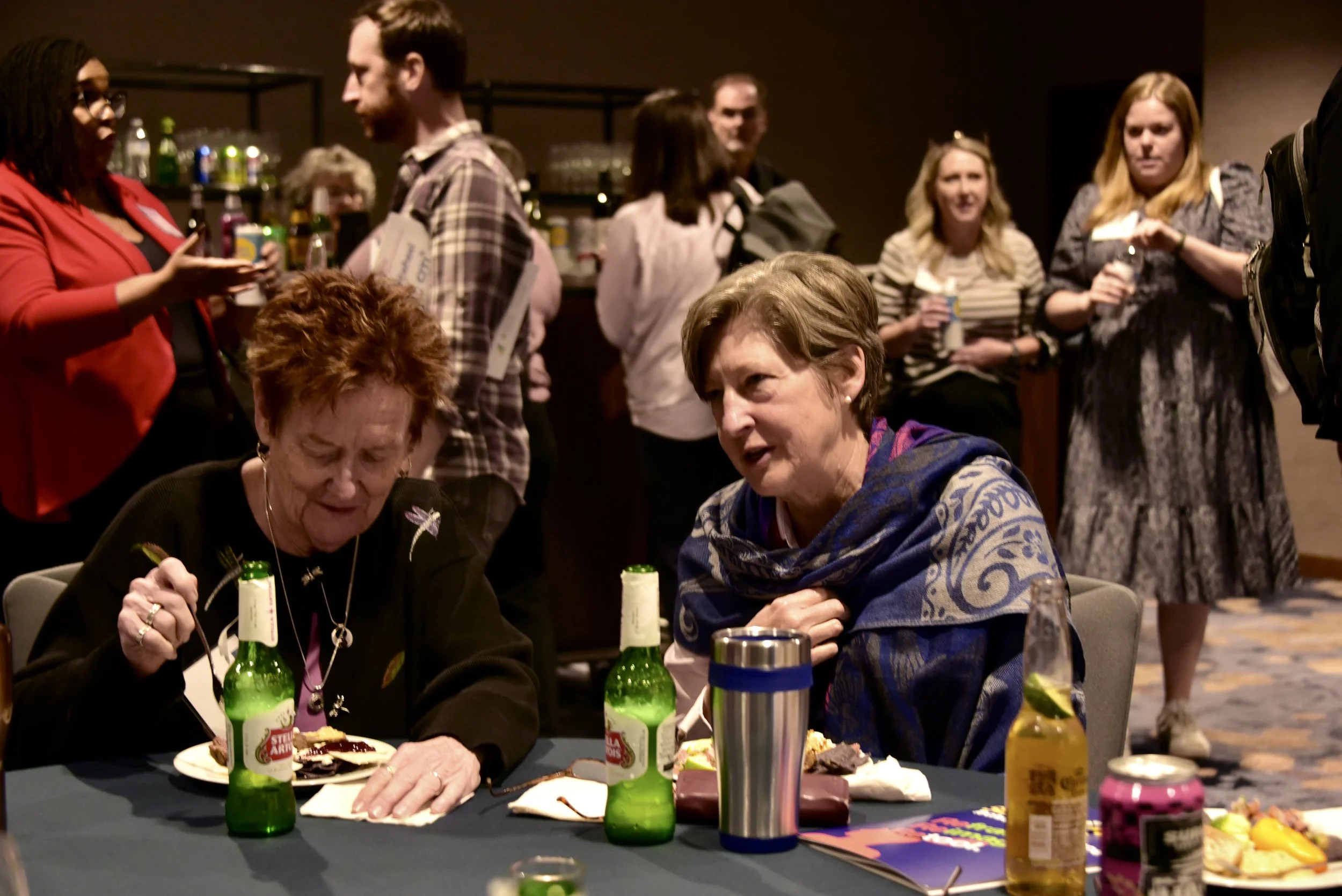
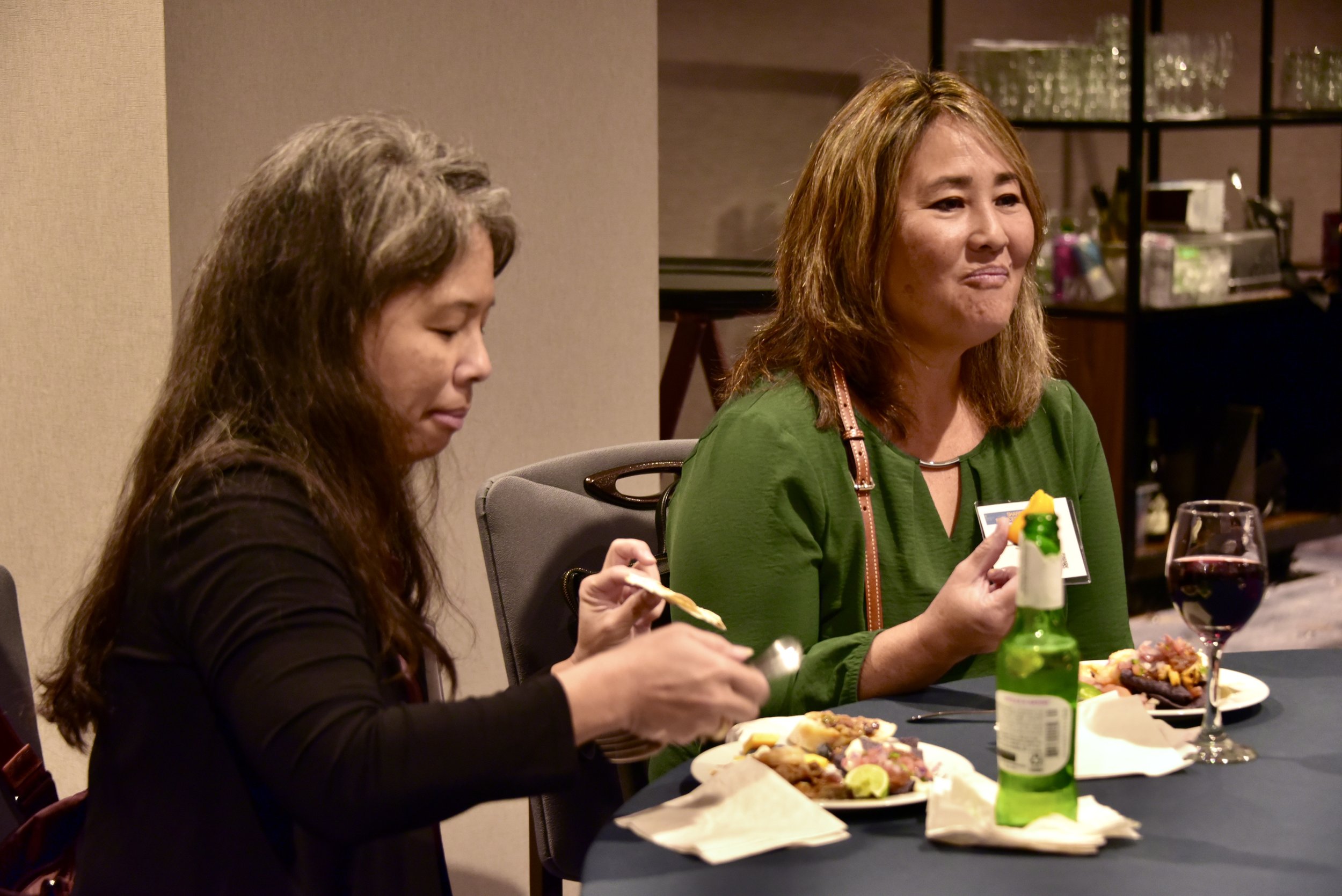
Community Nurtured.
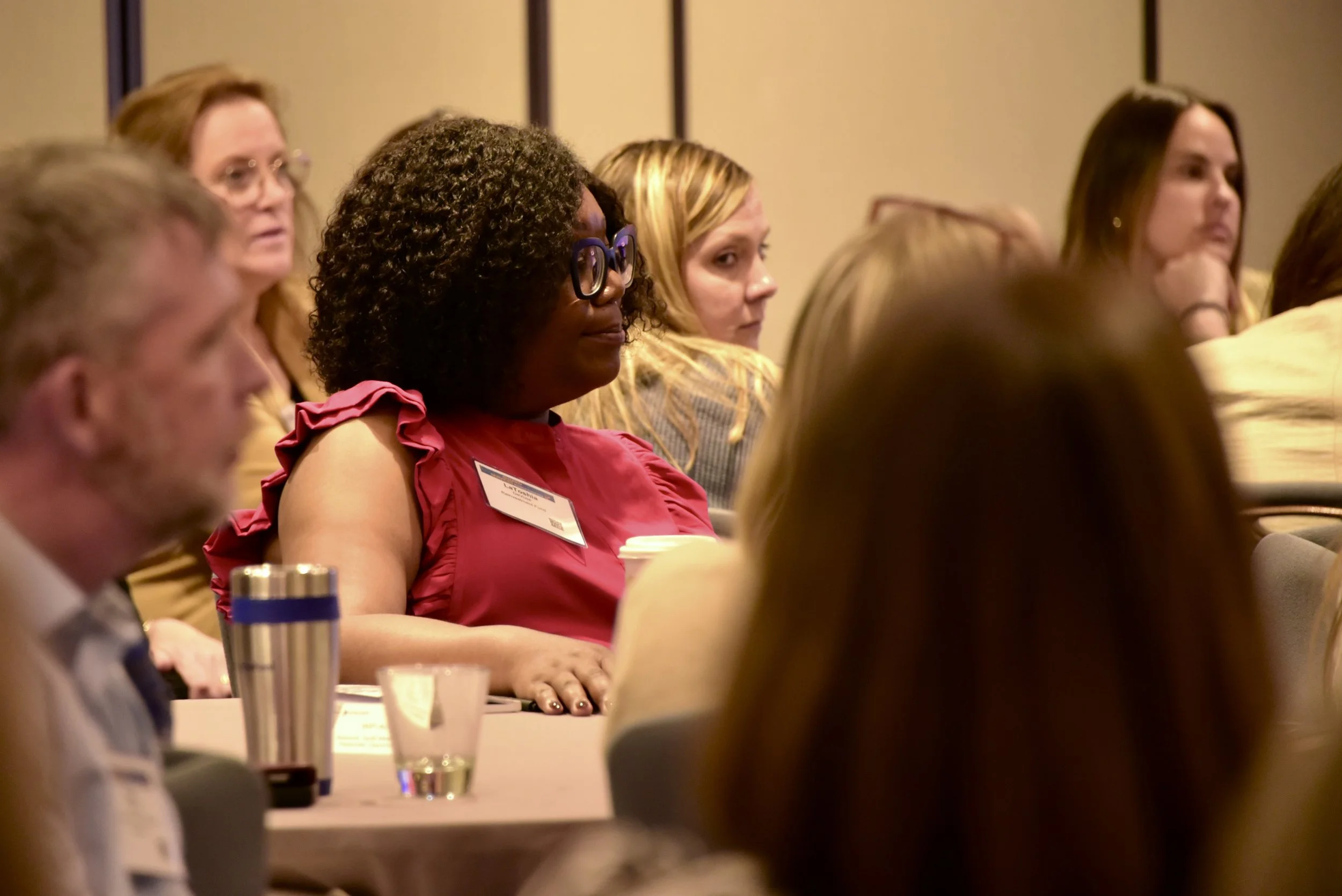
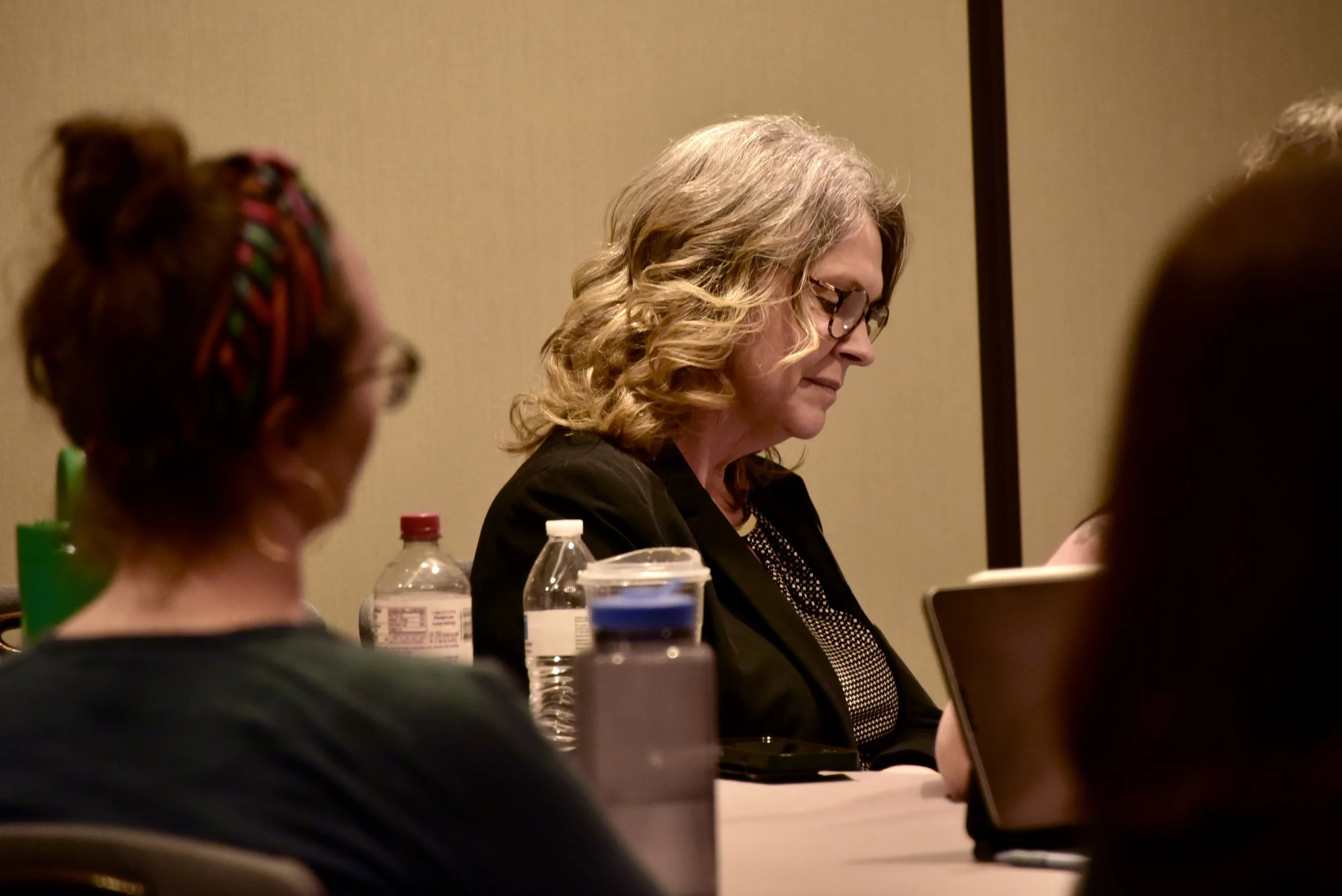
Let’s face it, changing the ECE sector is not for the faint of heart. You need time to be with kindred spirits who see not just “what is wrong and ask why”, but see “what could be and ask why not”? Fellow world changers, there is a seat at this table for you.



With Support From